
How to Tell If Muffins Have Gone Bad
Spot the signs before the first bite — from peak freshness to the toss call
Refrigerated muffins stay good for up to 1 week. Check for mold, off smell, or slimy texture before eating.
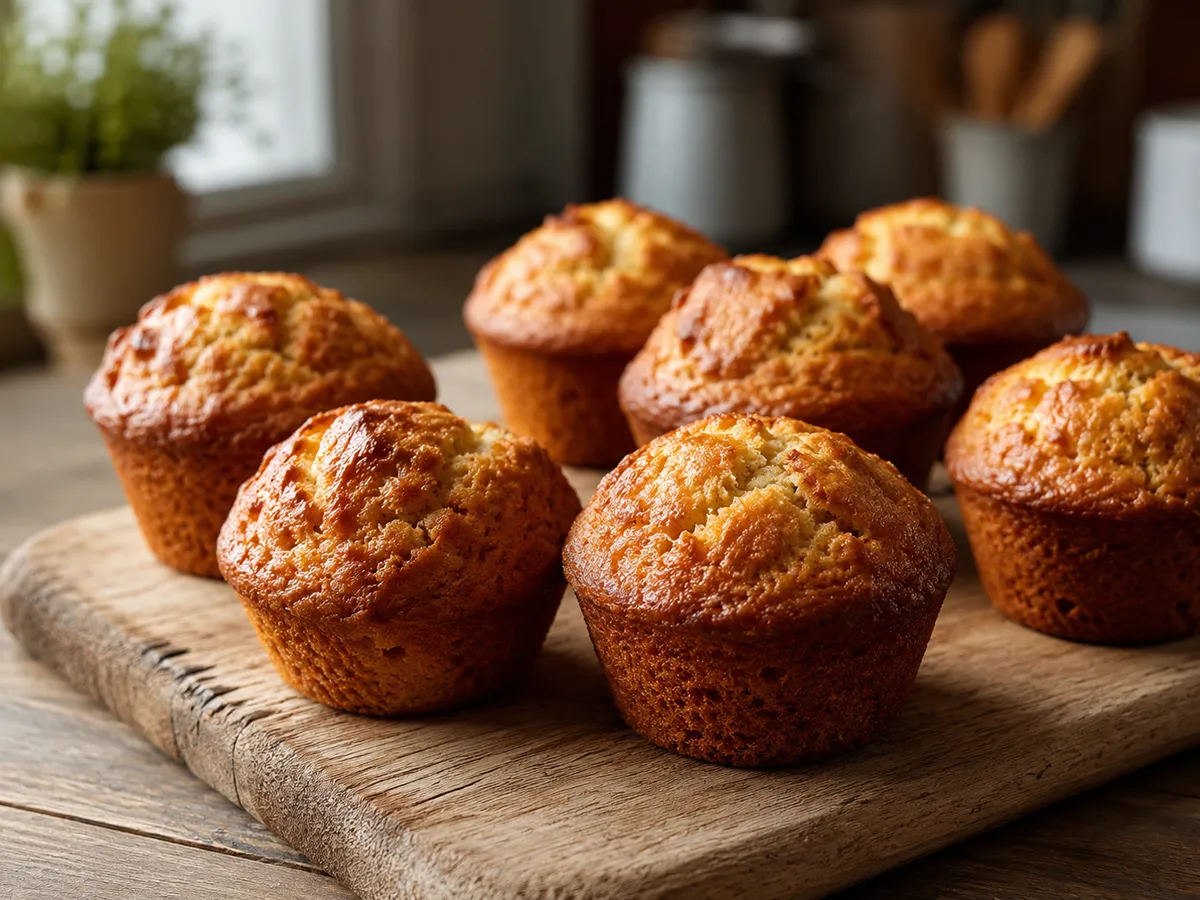
Muffins are one of those baked goods that seem fine one day and suspiciously fuzzy the next. Whether you baked a batch at home or grabbed a pack from the bakery, knowing how to tell if muffins have gone bad can save you from a mouthful of regret. The refrigerator extends their life to about 1 week, but moisture — the enemy of all baked goods — accelerates mold growth fast. This guide walks through every stage of a muffin's shelf life, from golden-fresh to definitely-done, so you can read the cues and make a confident call.
Heads up: shelf-life ranges are estimates based on home storage. We make no guarantee of accuracy. When unsure, throw it out.
The full timeline
Day 1 (Peak Fresh)
0–1 day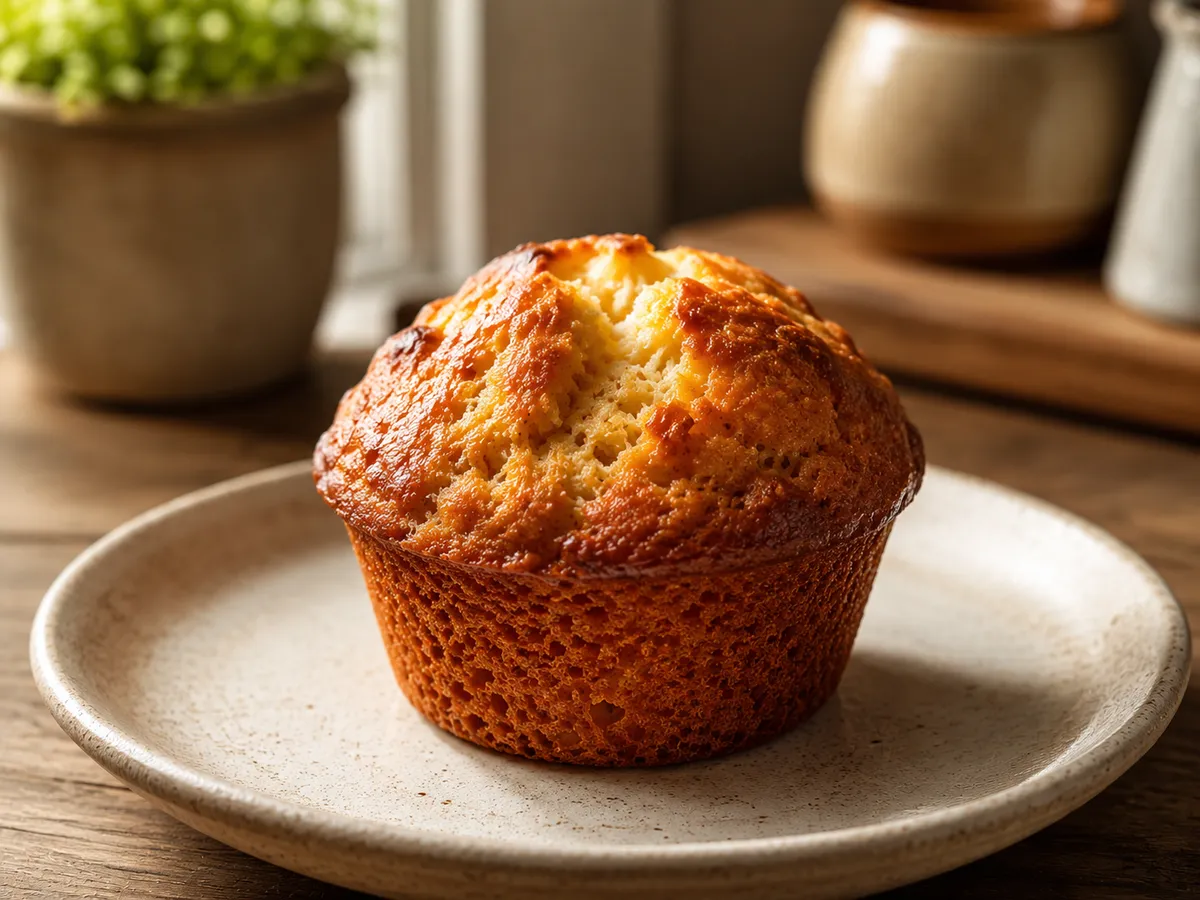
- Domed top is springy and bounces back when pressed
- Crumb is moist and tender throughout
- Aroma is warm, sweet, and distinctly baked
- Surface has a slight sheen with no dry patches
- Eat at room temperature
- Wrap individually in plastic wrap and refrigerate
- Freeze extras for longer storage
Day 2–4 (Still Good)
2–4 days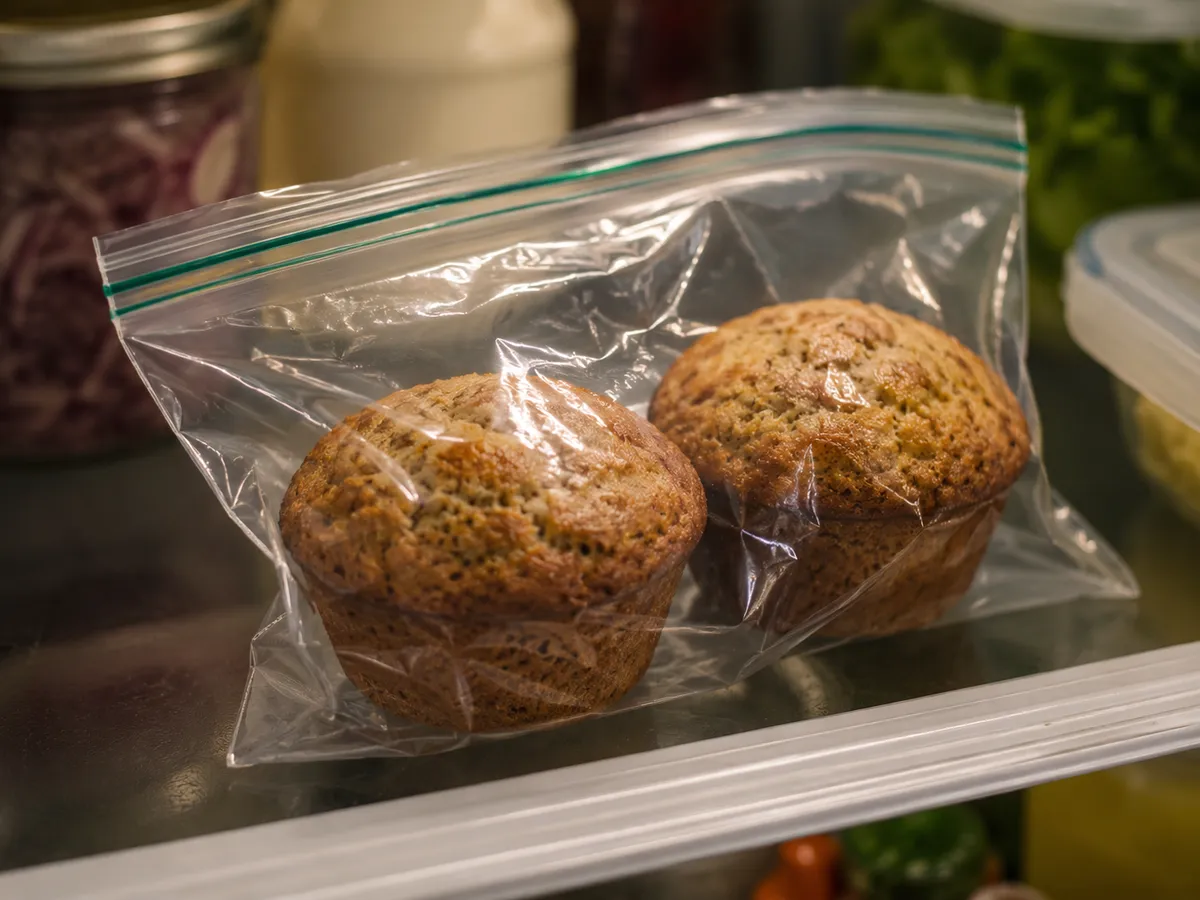
- Top is slightly firmer and less springy
- Crumb may feel a bit denser but still moist inside
- Smell is mildly sweet, no sourness
- No visible mold or discoloration
- Eat as-is or warm briefly in microwave
- Toast cut-side down in a skillet for a crisp base
- Keep refrigerated and consume within the week
Day 5–6 (Use Soon)
5–6 days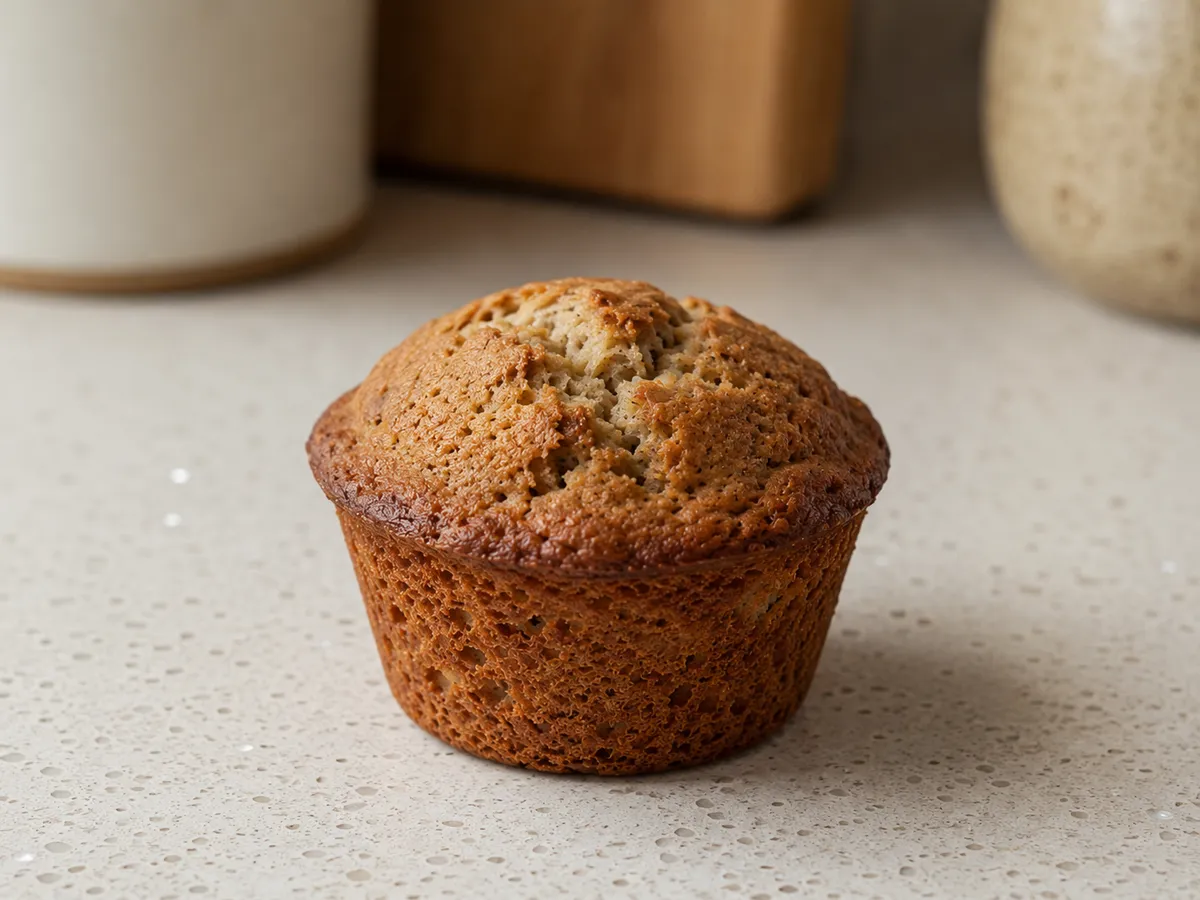
- Surface feels noticeably dry or slightly rubbery
- Crumb is denser and may crumble when broken
- Faint stale or faintly sour undertone in the smell
- Possible minor condensation inside packaging
- Inspect carefully before eating
- Warm in microwave with a damp paper towel to revive moisture
- Crumble over yogurt or oatmeal if texture is off
- Freeze immediately if you want to salvage it
Day 7–8 (Borderline)
7–8 days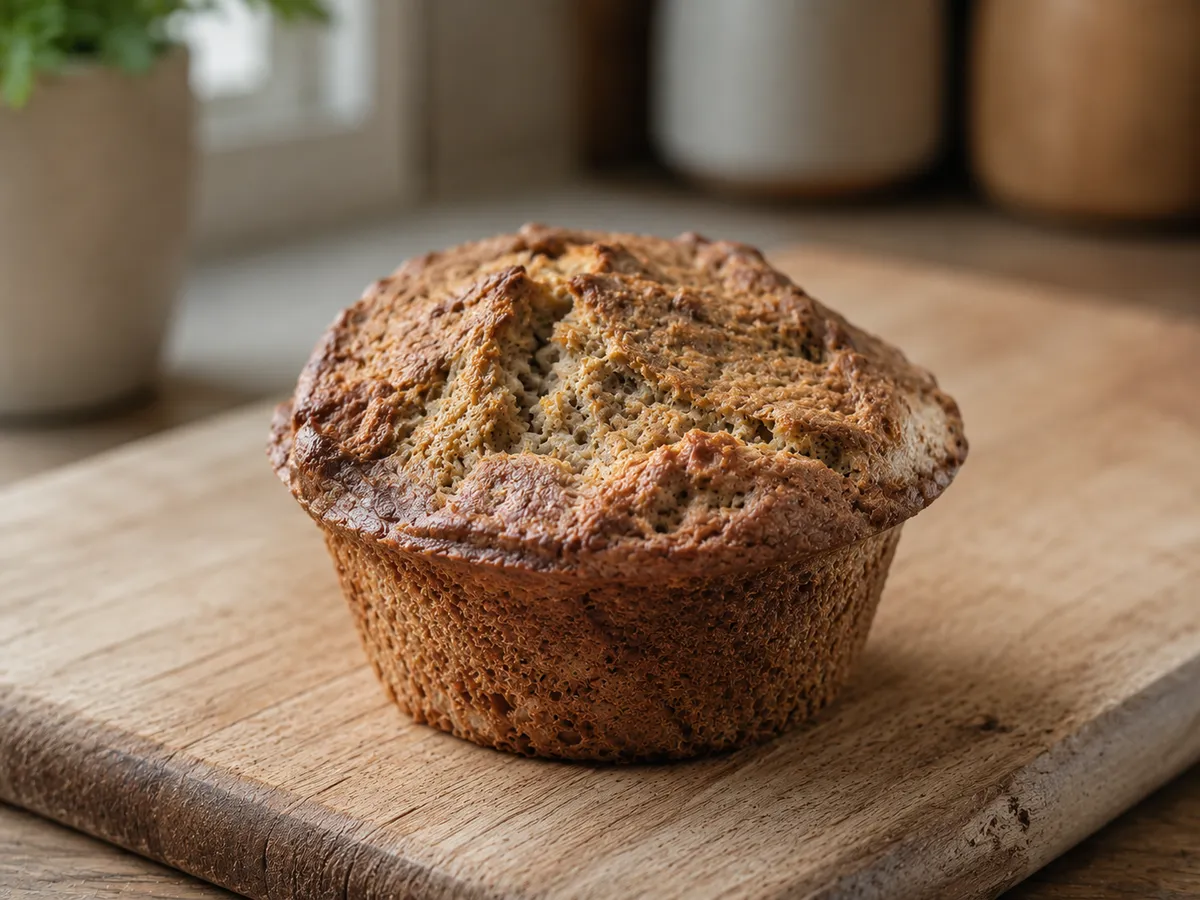
- Distinctly stale smell or faint sour note
- Top may show small dry white spots that could be early mold
- Crumb is gummy or excessively dense
- Any fruit inclusions look sunken or discolored
- Discard if any mold or sour smell is detected
- Eat only if smell is clean and surface is completely clear
- Do not serve to children or immunocompromised individuals at this stage
Day 9 (Toss It)
9+ days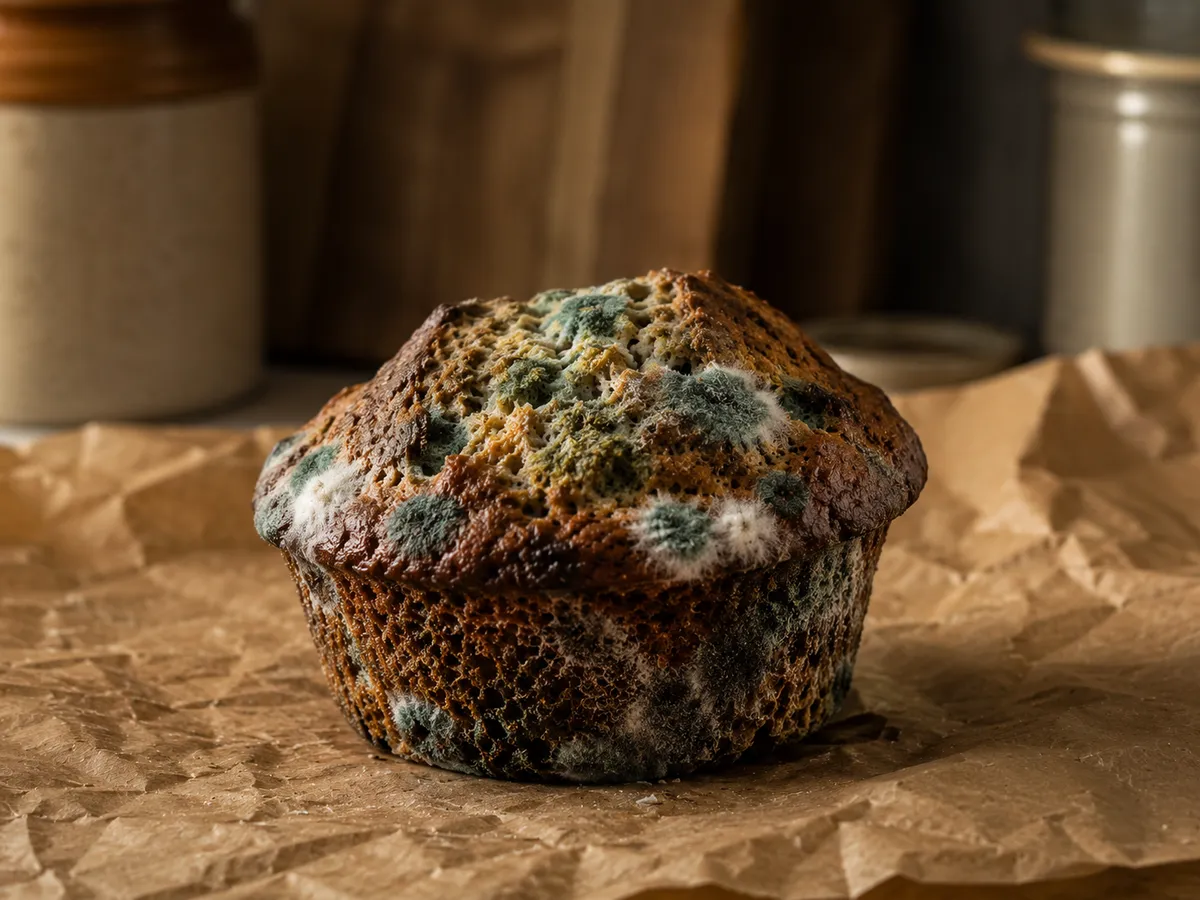
- Visible green, white, or black mold on top or sides
- Sour, musty, or ammonia-like odor
- Slimy or wet patches on the surface
- Fruit inclusions are visibly rotted or leaking
- Toss the entire batch — do not eat any portion
- Discard packaging to prevent cross-contamination
Common questions
Can I cut off the moldy part of a muffin and eat the rest?
No. Unlike hard cheeses, soft baked goods like muffins have a porous crumb that allows mold roots (hyphae) to penetrate far beyond the visible spot. Toss the whole muffin. Sage's Verdict: the fuzzy patch is just the flag — the problem goes deeper.
How do I store muffins in the fridge without them drying out?
Wrap each muffin individually in plastic wrap or place them in an airtight container with a sheet of paper towel underneath to absorb excess moisture. This slows both drying and mold growth simultaneously.
Can I freeze muffins, and how long do they last?
Yes. Wrap cooled muffins tightly in plastic wrap, then place in a freezer bag. They keep well for up to 3 months. Thaw overnight in the fridge or microwave from frozen for about 60 seconds.
Why do my homemade muffins go moldy faster than store-bought?
Store-bought muffins often contain preservatives that inhibit mold. Homemade muffins have none of those additives, so they're more vulnerable — especially if stored while still warm, which traps steam and creates ideal mold conditions.
Do muffins with fruit fillings spoil faster than plain ones?
Generally yes. Fresh fruit adds moisture and natural sugars that accelerate mold growth. Blueberry, banana, and strawberry muffins tend to show spoilage a day or two sooner than plain or chocolate chip varieties.
Is it safe to eat a muffin that smells fine but has a gummy texture?
A gummy texture usually means excess moisture, not spoilage. If the smell is clean and there's no visible mold, it's likely still safe — though the eating experience won't be great. Sage's Verdict: safe but sad. Warm it up or move on.

Muffins reward quick action: wrap them tight, refrigerate within two hours of baking, and plan to finish them within the week. When in doubt, your nose knows — a sour or musty whiff means it's bin time, no exceptions.