
How Long Do Bananas Last on the Counter?
From bright yellow to deeply speckled — here's what each stage means for eating, baking, or tossing.
Bananas last 2–7 days on the counter, depending on ripeness when purchased.
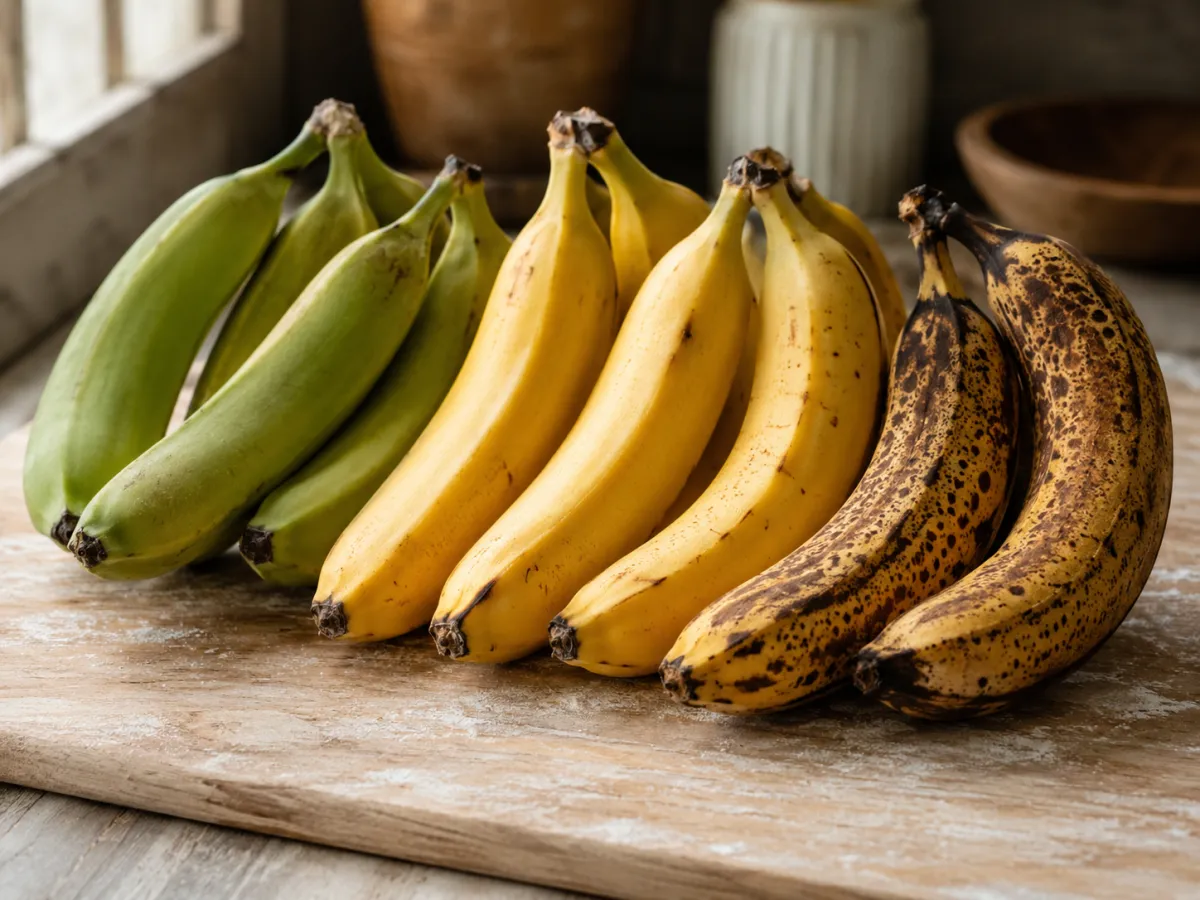
Bananas are one of the most forgiving fruits in the kitchen, but they move through their stages fast. A bunch that looks perfect at the store can be soft and speckled within three days if your kitchen runs warm. Understanding what each color and texture shift actually signals helps you decide whether to eat them fresh, blend them into a smoothie, or bake them into something better. This guide walks through every stage bananas go through on the counter — from firm and green to well past their prime — so you always know exactly what you're working with.
Heads up: shelf-life ranges are estimates based on home storage. We make no guarantee of accuracy. When unsure, throw it out.
The full timeline
Day 1–2 (Firm And Green)
1–2 days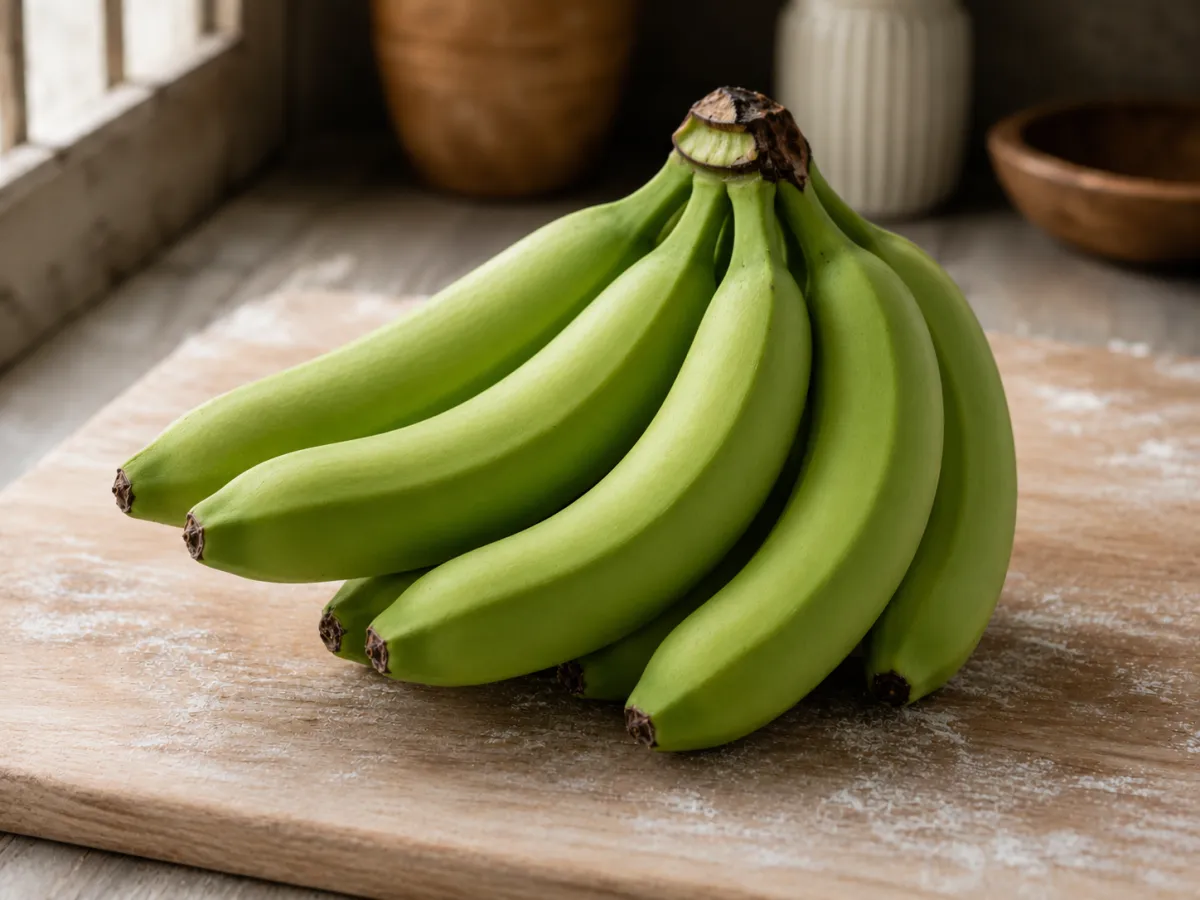
- Peel is fully green or green-tipped yellow
- Flesh is firm and slightly starchy
- Mild, faint banana scent
- No give when gently squeezed
- Leave on counter to ripen
- Slice into oatmeal or grain bowls for a firmer texture
- Store away from other fruit to slow ripening
Day 3–4 (Peak Ripe)
3–4 days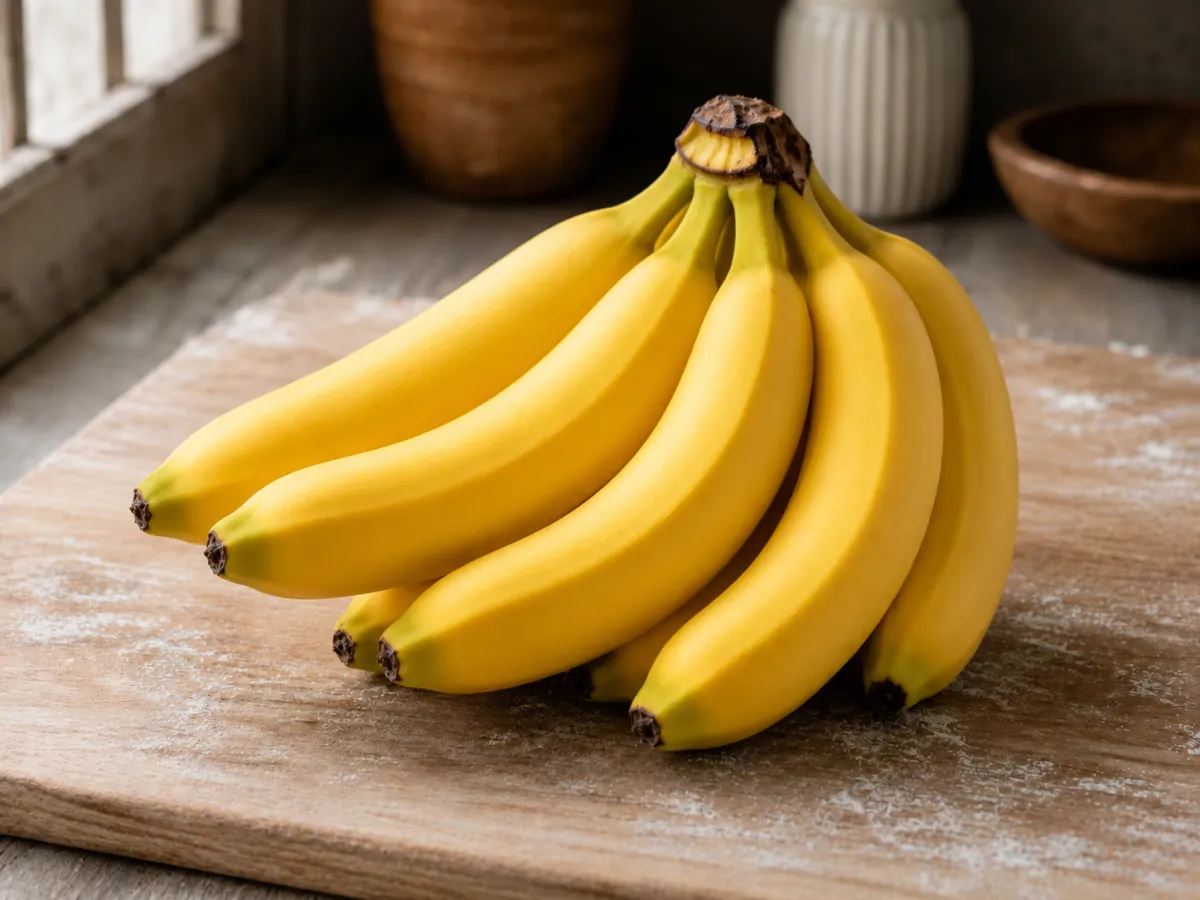
- Peel is bright, even yellow with minimal green
- Flesh yields slightly to gentle pressure
- Sweet, classic banana aroma
- No brown spots or soft patches
- Eat fresh as a snack
- Slice onto yogurt, cereal, or toast
- Freeze peeled bananas now to lock in peak flavor
Day 5–6 (Speckled And Sweet)
5–6 days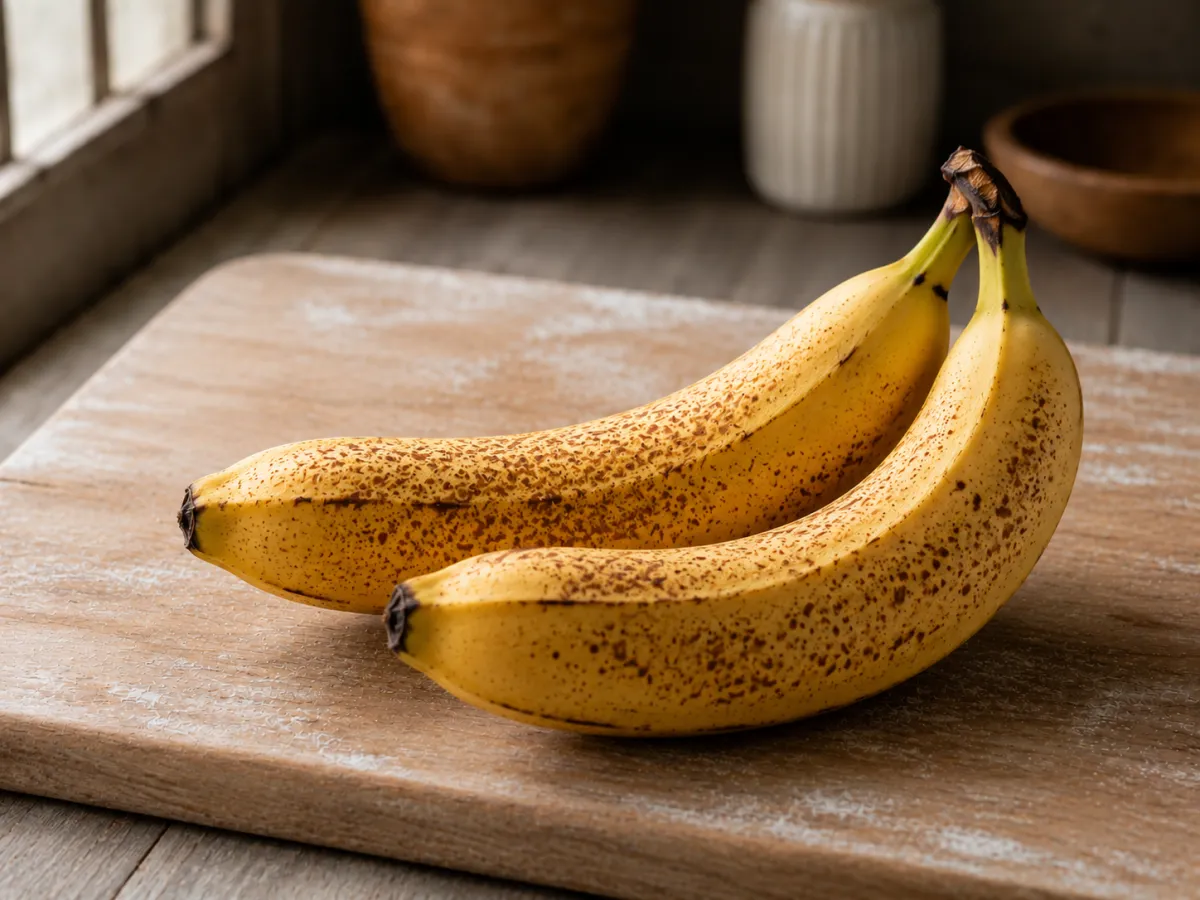
- Peel shows scattered brown spots or patches
- Flesh is noticeably soft, especially near the ends
- Strong, sweet, almost syrupy aroma
- Slight stickiness on peel surface
- Mash into banana bread or muffin batter
- Blend into smoothies
- Freeze peeled for later baking use
- Eat fresh if texture is still acceptable to you
Day 7 (Mostly Brown)
7 days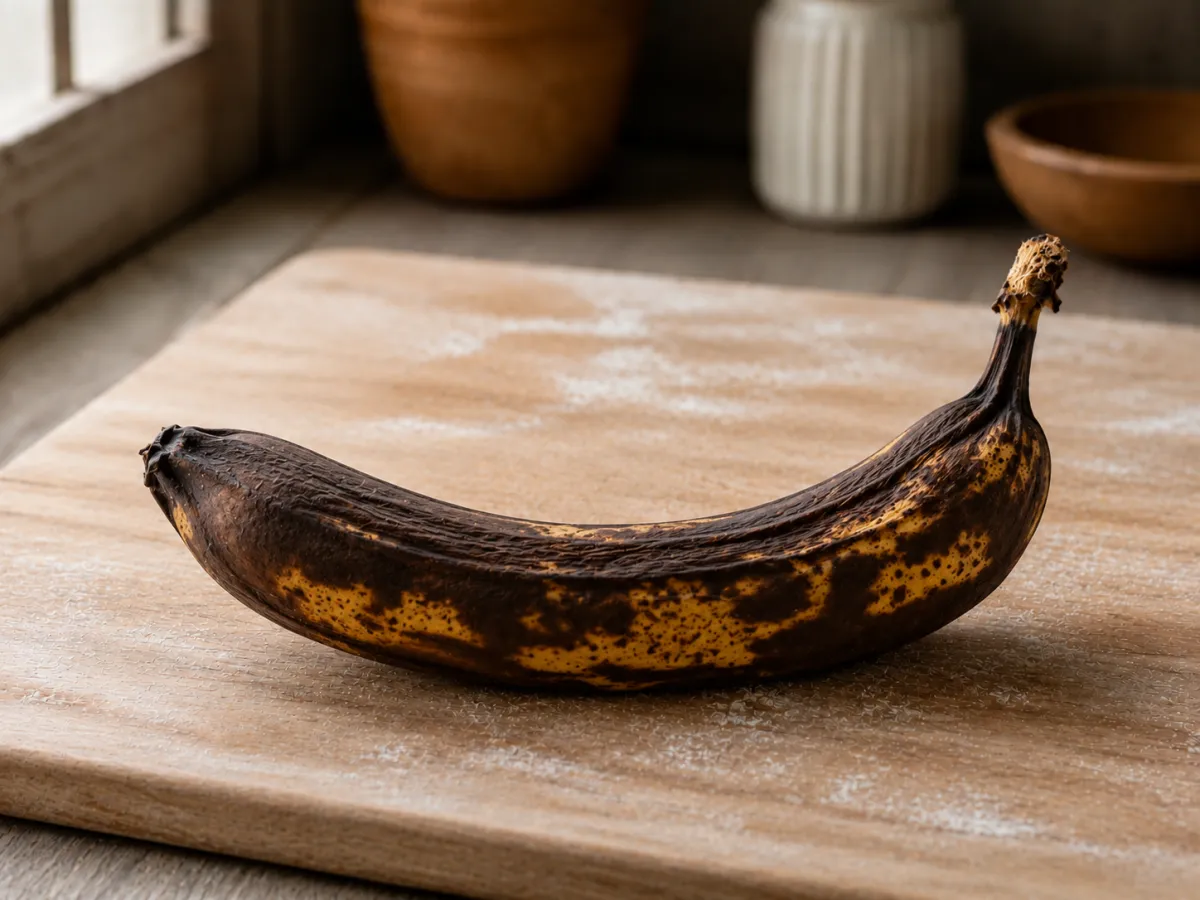
- Peel is mostly brown to dark brown
- Flesh is very soft and mushy throughout
- Intensely sweet, fermented-adjacent smell
- Peel may be damp or tacky
- Mash immediately into baked goods
- Freeze if not baking today
- Discard if flesh smells sour or fermented
Day 8–9 (Spoiled)
8–9 days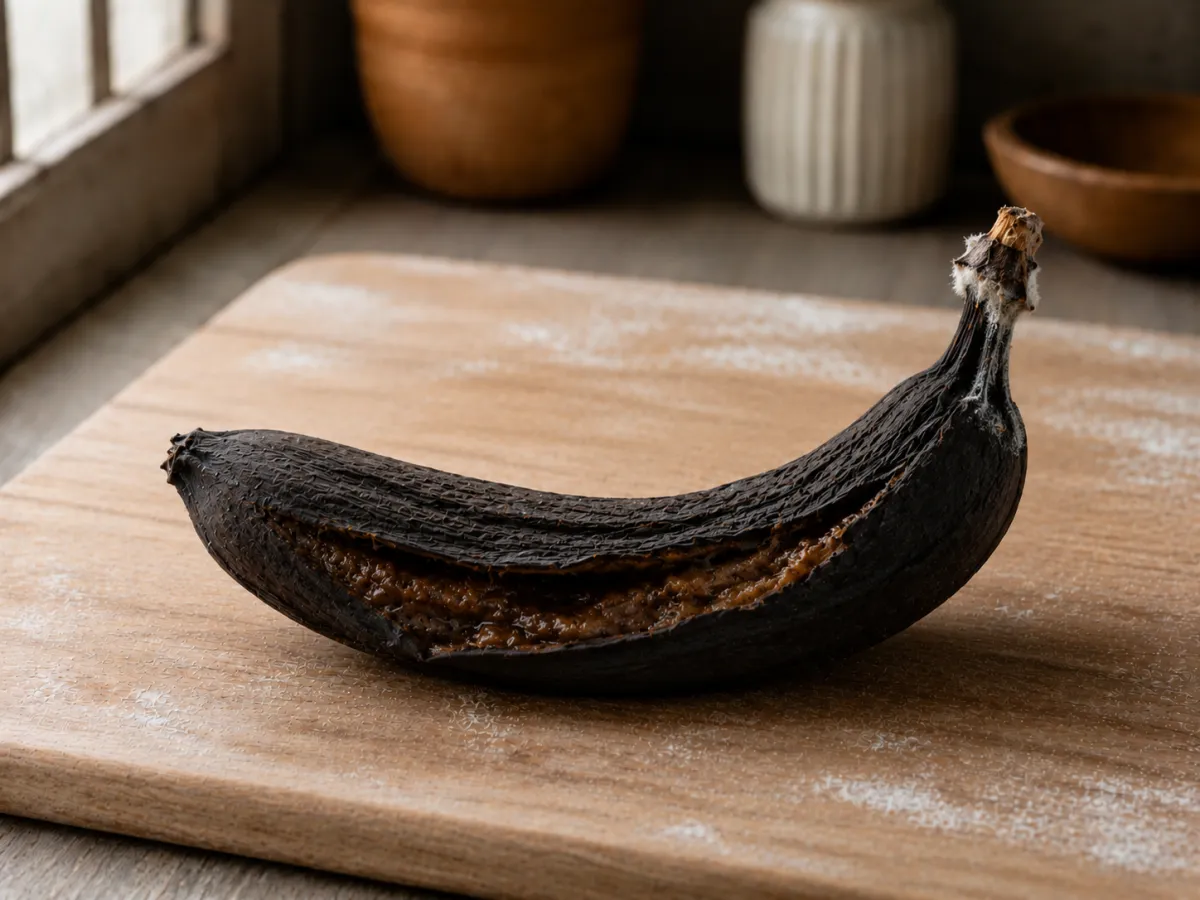
- Peel is black and leaking liquid
- Flesh is gray, slimy, or disintegrating
- Sour, alcoholic, or off-putting odor
- Visible mold on peel or stem end
- Toss in compost or trash
- Do not consume or bake with
Common questions
Does putting bananas in the fridge make them last longer?
Yes — refrigerating ripe bananas extends their edible life to 5–9 days. The peel will turn brown or black in the fridge, which looks alarming but is just a cold-induced reaction. The flesh inside stays firm and sweet. Sage's Verdict: chill them once they hit peak ripe if you won't eat them in a day or two.
Can I freeze bananas, and how long do they keep?
Peel them first, then freeze in a zip-top bag or airtight container. Frozen bananas keep well for 2–3 months. They thaw mushy, which makes them ideal for smoothies, ice cream, and baking — not for fresh eating.
Is it safe to eat a banana with a completely black peel?
Check the flesh, not just the peel. A black peel from cold or overripening often hides pale, sweet flesh that is still fine to eat or bake with. If the flesh is gray, slimy, or smells sour or fermented, discard it.
Why do bananas ripen faster when stored with other fruit?
Bananas emit ethylene gas as they ripen, and so do many other fruits. Storing them together concentrates ethylene exposure, accelerating ripening across the whole bowl. Hang bananas separately or use a banana hanger to slow the process.
Do overripe bananas have more sugar than fresh ones?
Yes. As bananas ripen, starches convert to simple sugars, which is why a speckled banana tastes sweeter than a firm yellow one. The calorie count stays roughly the same, but the glycemic impact increases slightly with ripeness.
Can I use a banana that smells slightly fermented in baking?
A faint fermented note can be acceptable in very ripe bananas used for bread or muffins, since baking heat drives off volatile compounds. However, a strongly sour or alcoholic smell — or any mold — means the banana should be discarded, not baked.

Bananas are one of the few fruits that practically narrate their own shelf life through color. Trust the flesh over the peel, freeze before they tip into unsafe, and that 'too ripe' bunch is almost always banana bread in disguise.