
How Long Does Bread Last on the Counter?
From bakery-fresh to stale to moldy — know when to slice and when to toss.
Bread lasts 5–7 days on the counter stored in a bag or bread box.
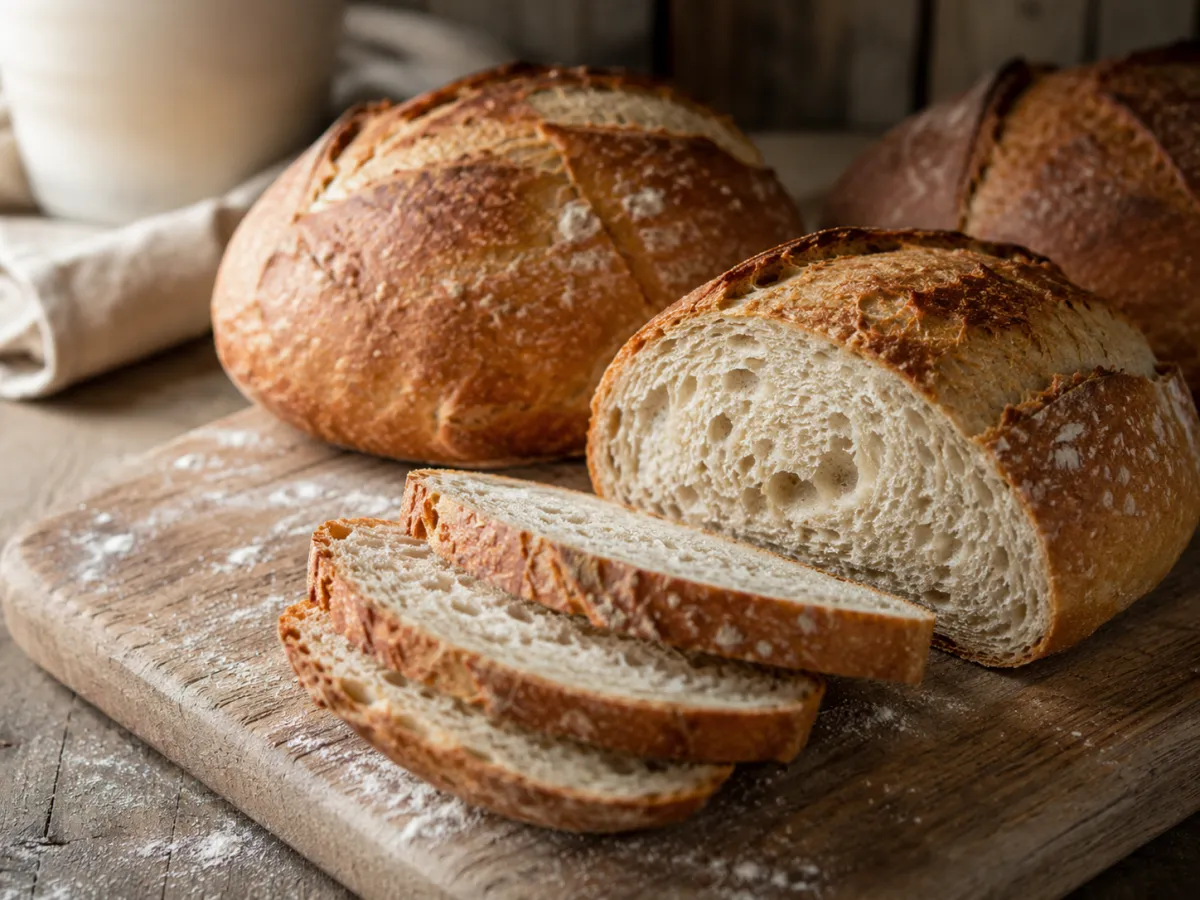
A fresh loaf of bread is one of the great simple pleasures, but it has a narrow window before staling or mold cuts the party short. On the counter, bread typically holds up for 5–7 days depending on the type, how it was baked, and how well it is sealed. Homemade and artisan loaves with no preservatives tend to mold faster than commercial sandwich bread. Refrigerating bread slows mold but accelerates staling — a real trade-off. Knowing the visual and textural cues at each stage helps you get the most out of every loaf and avoid serving a slice that belongs in the compost bin.
Heads up: shelf-life ranges are estimates based on home storage. We make no guarantee of accuracy. When unsure, throw it out.
The full timeline
Day 1–2 (Peak Fresh)
1–2 days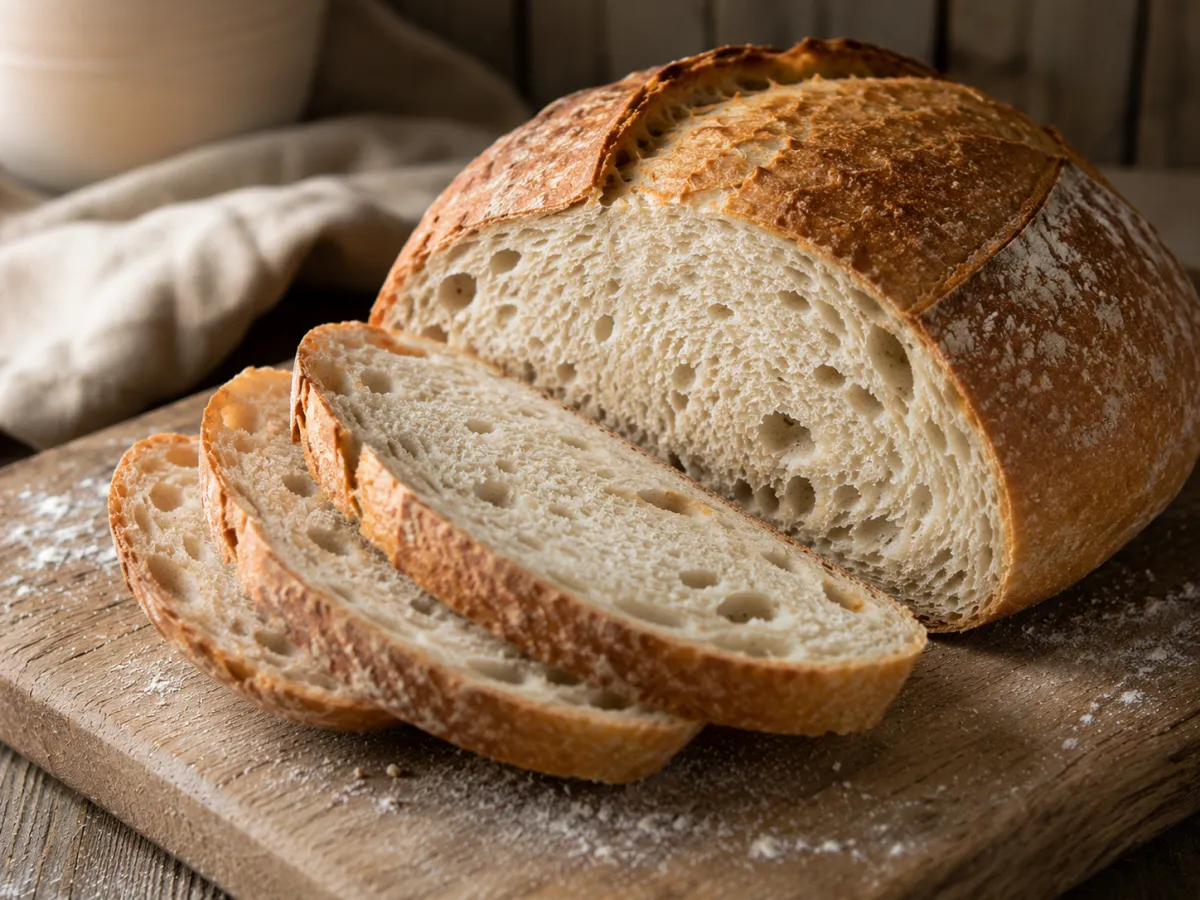
- Soft, springy crumb with a pleasant yeasty aroma
- Crust is crisp on artisan loaves or tender on sandwich bread
- No dry edges or hardening at the cut face
- Color is uniform — no dark or discolored patches
- Eat as-is
- Toast lightly to enhance flavor
- Freeze half the loaf if you won't finish it in time
Day 3–4 (Slightly Stale)
3–4 days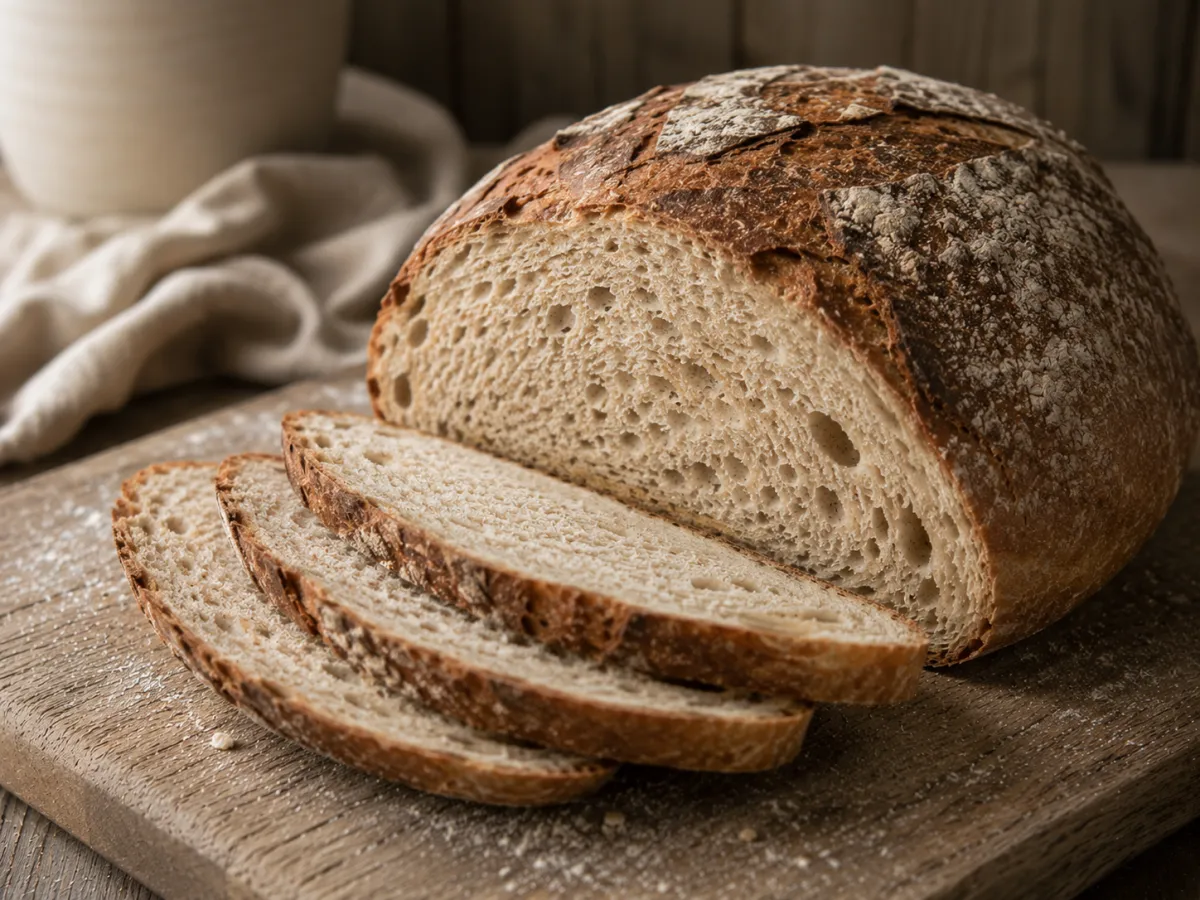
- Crumb feels firmer and less springy when pressed
- Cut face may have a slightly dry or papery texture
- Aroma is milder — less yeasty, more neutral
- No visible mold or off-color spots
- Toast to restore texture
- Use for French toast, bread pudding, or croutons
- Continue storing sealed at room temperature
Day 5–7 (Borderline)
5–7 days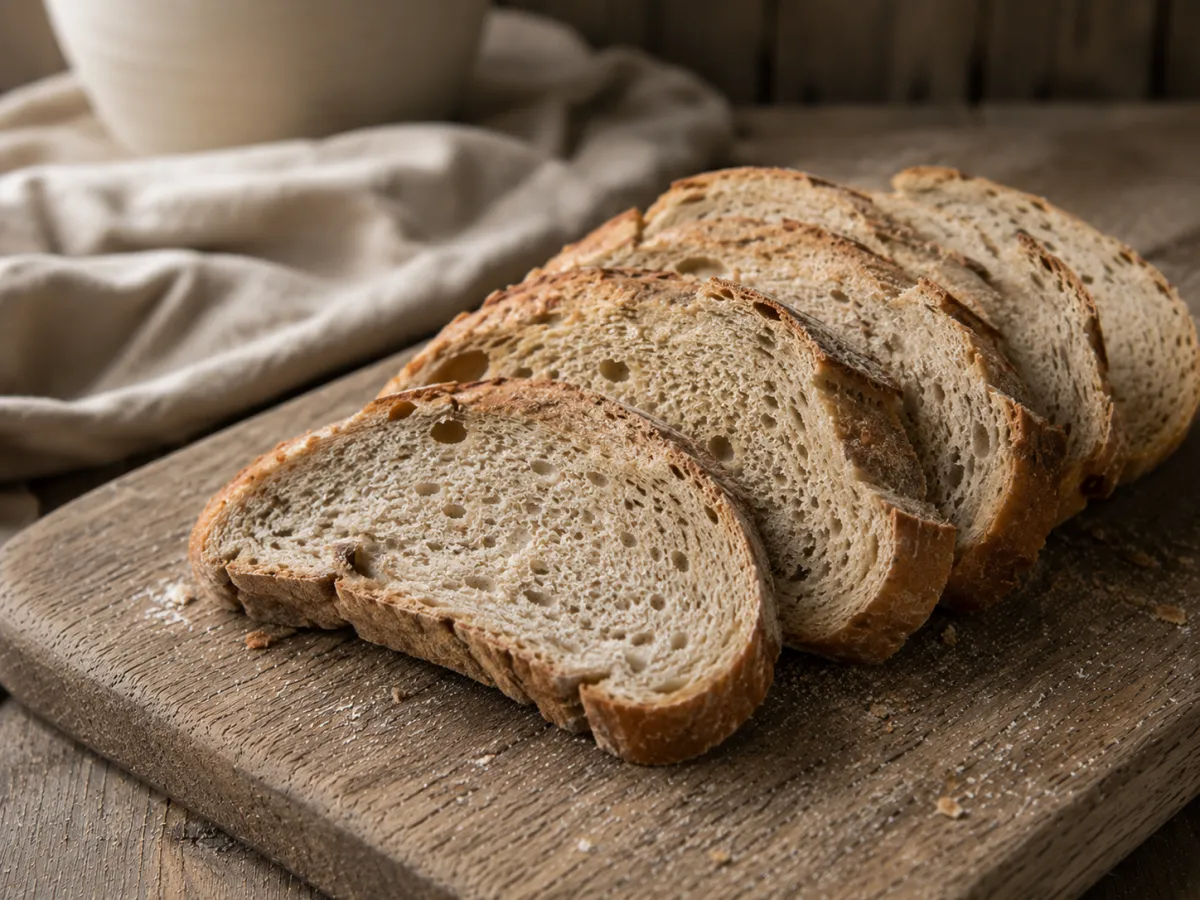
- Noticeably stiff crumb — may crumble when sliced
- Crust is hard or leathery depending on bread type
- Faint sour or off smell possible, especially in humid conditions
- Inspect every slice carefully for any fuzzy spots or discoloration
- Inspect each slice before eating
- Toast thoroughly if no mold is visible
- Blitz into breadcrumbs and freeze
- Toss if any off smell or visible spots appear
Day 8–10 (Molding)
8–10 days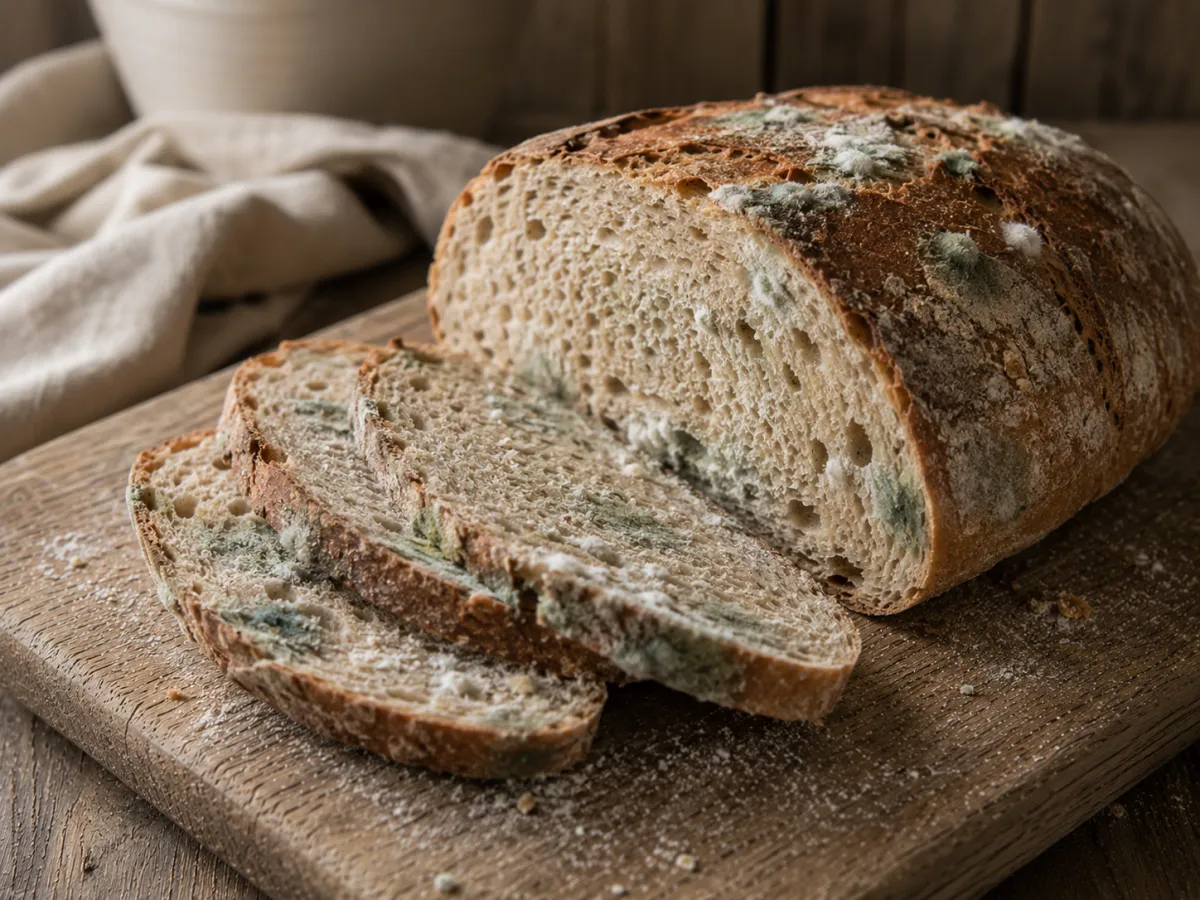
- Visible fuzzy mold — white, green, or black — on crust or crumb
- Strong sour, musty, or ammonia-like odor
- Soft wet patches or discolored streaks on the surface
- Mold may appear on one slice but has likely spread invisibly through the loaf
- Discard the entire loaf
- Do not cut around mold and eat the rest
Common questions
Does refrigerating bread make it last longer?
Yes for mold prevention — refrigerated bread can last 1–2 weeks before molding. But the cold accelerates starch retrogradation, making bread go stale faster. If you refrigerate, plan to toast every slice. Sage's Verdict: freezing is a better long-term strategy than refrigerating.
Can I cut off the moldy part and eat the rest of the loaf?
No. Bread is porous, and mold filaments (hyphae) penetrate well beyond the visible surface. Unlike hard cheese, where a 1-inch cut-around is acceptable, soft baked goods should be discarded entirely when mold appears.
How long does bread last in the freezer?
Up to 3 months at best quality. Slice before freezing so you can pull out individual pieces. Wrap tightly in plastic wrap and then a freezer bag to prevent freezer burn. Toast straight from frozen — no thawing needed.
Why does homemade bread mold faster than store-bought?
Commercial bread contains preservatives such as calcium propionate that inhibit mold growth. Homemade and artisan loaves have none of these, so they typically mold within 3–4 days at room temperature, especially in warm or humid kitchens.
What is the best way to store bread on the counter?
Keep it in a sealed plastic bag, reusable bread bag, or a bread box. Avoid the refrigerator unless mold is a recurring problem in your kitchen. Keep it away from direct sunlight and heat sources, which speed up both staling and mold growth.
Is stale bread the same as spoiled bread?
No. Staling is a physical process where moisture redistributes and starch crystallizes — the bread is dry and firm but not unsafe. Spoilage involves mold or bacterial growth and makes bread unsafe to eat. Stale bread is still fine to toast or cook with.

Slice what you need, freeze the rest on day one — bread waits for no one, but your freezer will hold it for three months without complaint.