
How Long Do Bagels Last in the Fridge?
Counter, fridge, and freezer timelines — plus how to spot a stale or moldy bagel before it ruins your morning.
Bagels last 1–2 weeks in the refrigerator when stored in an airtight bag.
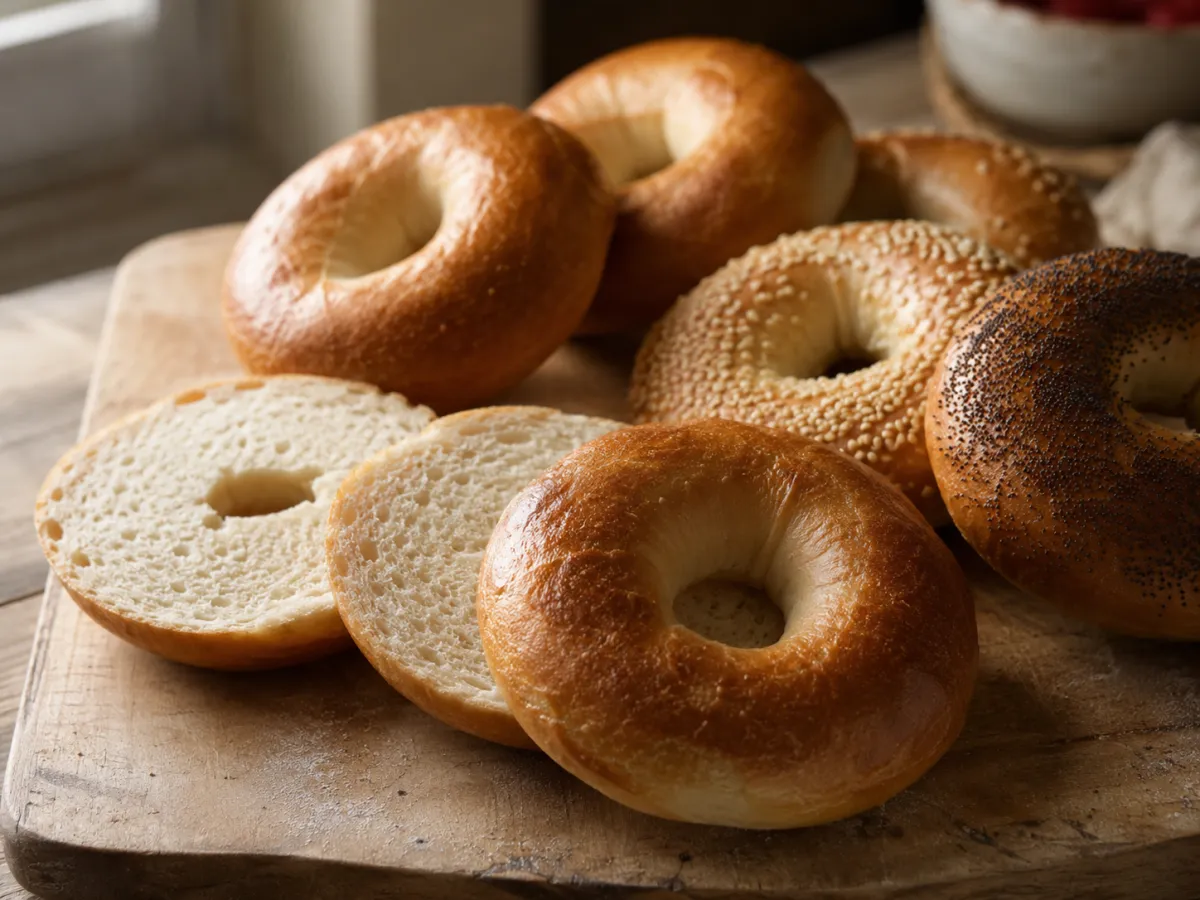
Bagels are a breakfast staple, but their dense crumb and chewy crust make them surprisingly prone to going stale or moldy if stored carelessly. On the counter, bagels stay fresh for about 3–5 days; in the refrigerator, that window stretches to 1–2 weeks; and in the freezer, bagels hold up well for 3 months. The trade-off with refrigeration is mild staling from retrogradation — the same starch process that firms up bread — but a quick toast brings most of that texture right back. This guide walks through every stage of a bagel's shelf life so you know exactly when to eat, toast, or toss.
Heads up: shelf-life ranges are estimates based on home storage. We make no guarantee of accuracy. When unsure, throw it out.
The full timeline
Day 1–2 (Peak Fresh)
1–2 days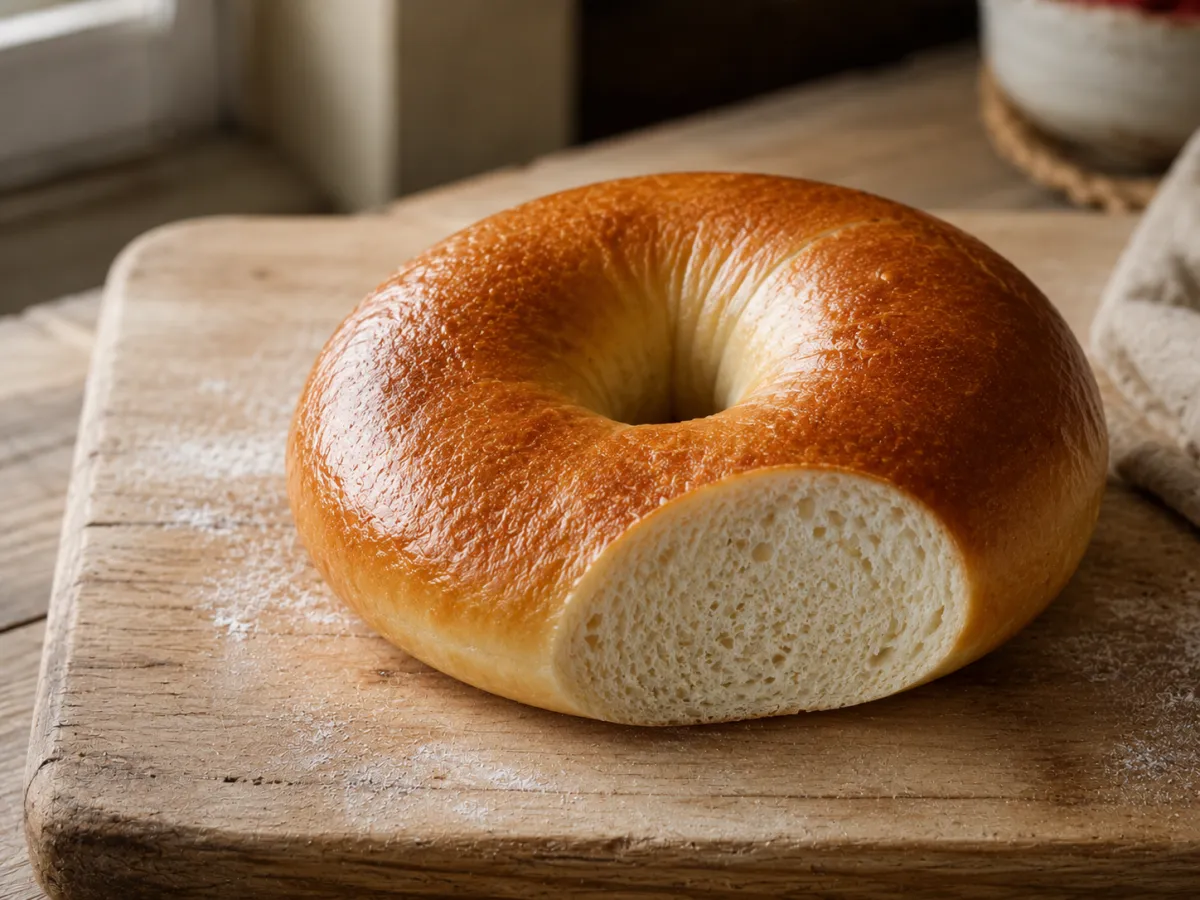
- Crust is glossy and slightly crisp
- Crumb is chewy and springy when pressed
- Mild yeasty aroma, no off notes
- No dry patches or hard spots on the surface
- Eat as-is
- Toast lightly for extra crunch
- Store in a paper bag at room temperature for day 2
Day 3–5 (Counter Limit)
3–5 days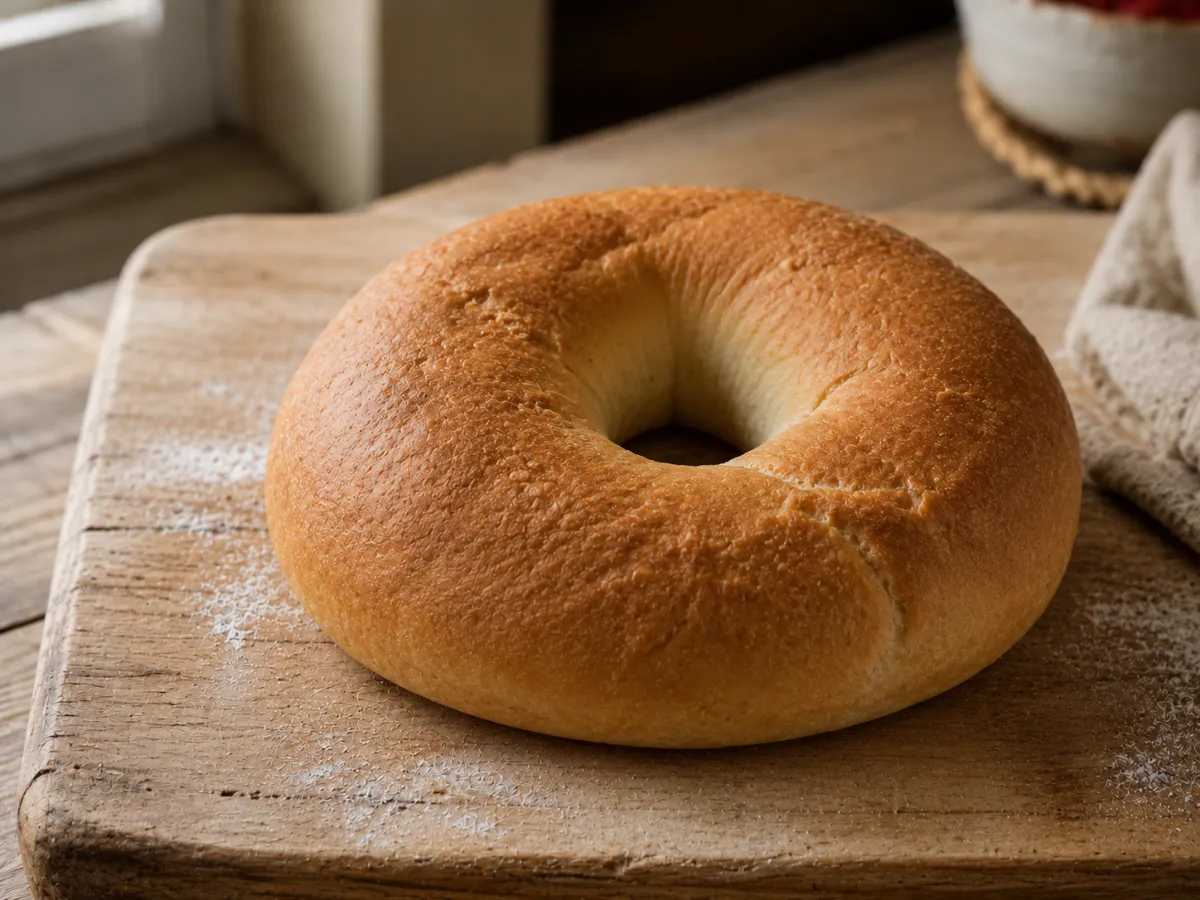
- Crust has lost its sheen and feels dry or slightly hard
- Crumb is noticeably firmer but still pliable
- Aroma is faint and neutral — no sour or musty smell
- No visible mold spots
- Toast before eating to refresh texture
- Wrap tightly and move to the fridge to extend life
- Slice and freeze for longer storage
Day 6–9 (Fridge Fresh)
6–9 days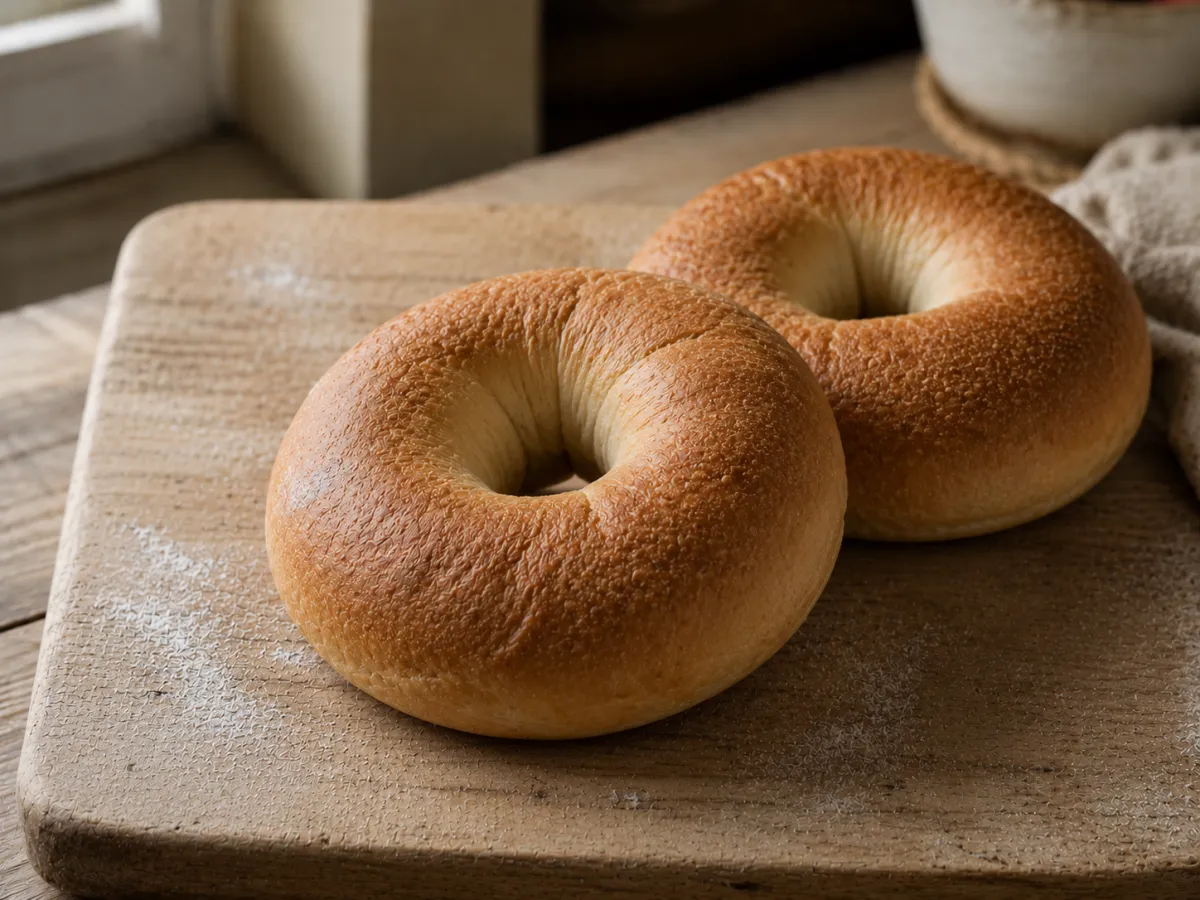
- Stored in an airtight bag in the refrigerator
- Crumb is dense and firm but not crumbly
- Crust may feel slightly leathery or tough
- Smell is clean with no sourness or mold
- Toast on medium-high to restore chew
- Slice and freeze any you won't eat in the next 3 days
Day 10–14 (Caution Zone)
10–14 days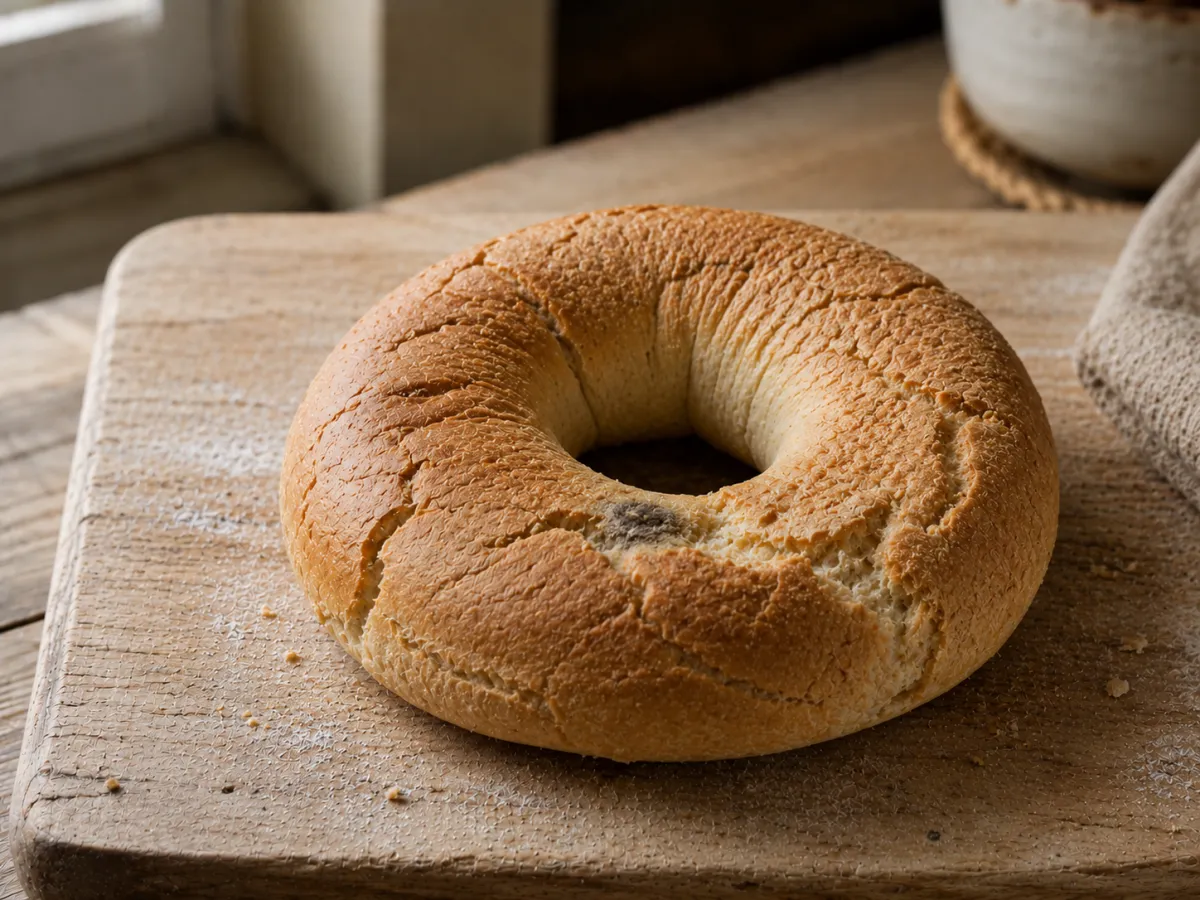
- Crumb is noticeably dry and may crumble at the edges
- Crust is hard and may crack when bent
- Faint stale or slightly sour smell possible
- Inspect closely for any fuzzy spots before eating
- Inspect thoroughly, then toast if no mold is found
- Repurpose as bagel chips or breadcrumbs
- Toss if any off smell or visible spots are present
Day 15 (Toss It)
15+ days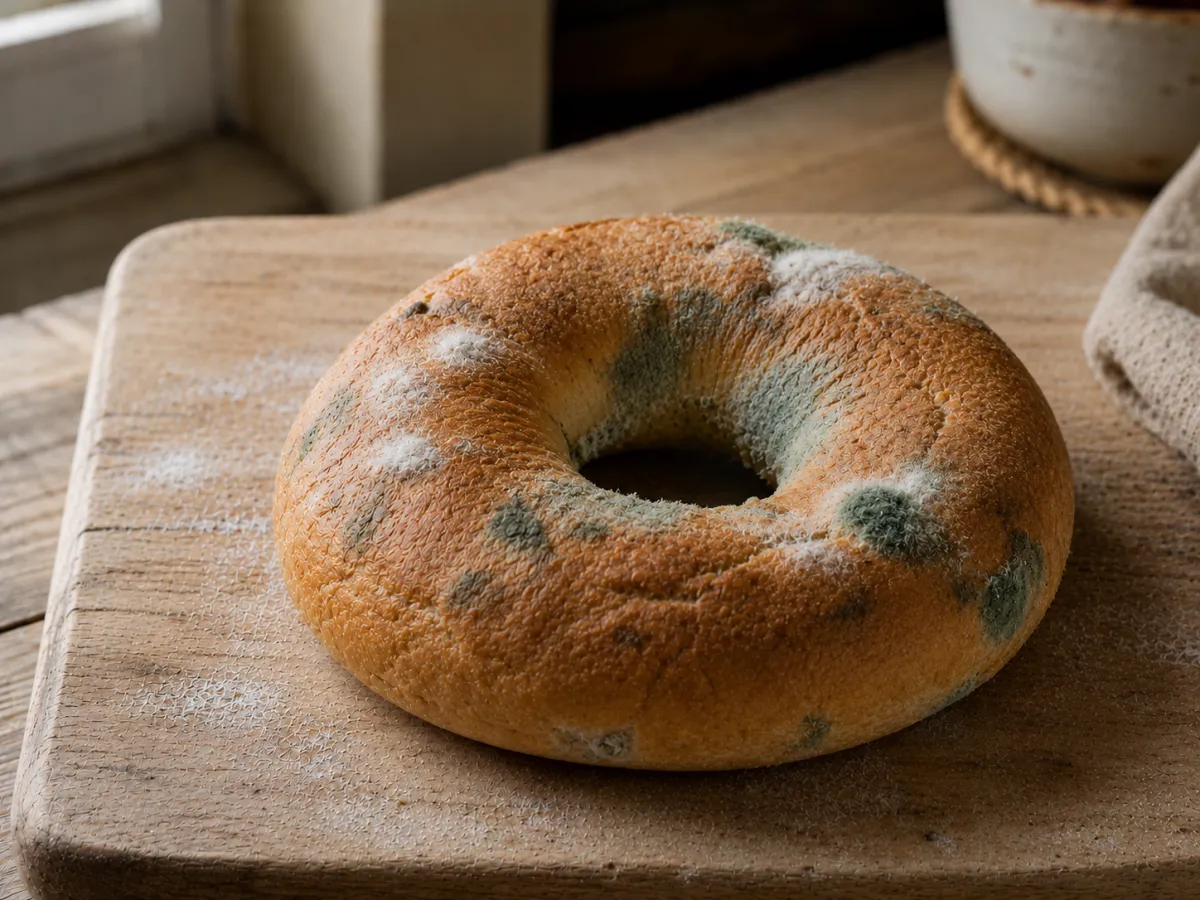
- Visible green, white, or black mold colonies on crust or crumb
- Distinctly sour, musty, or off odor
- Crumb may be gummy or wet in spots if sealed with moisture
- Surface discoloration beyond normal browning
- Discard the entire bagel
- Do not attempt to toast or cook off the mold
Common questions
Does refrigerating bagels make them go stale faster?
Yes — cold temperatures accelerate starch retrogradation, which firms the crumb faster than counter storage. However, the fridge prevents mold, extending safe shelf life to 1–2 weeks. Toasting fully reverses the staling, so the trade-off is worth it if you won't finish them in 2–3 days.
Can I freeze bagels and still get good texture?
Absolutely. Slice them before freezing so you can pop halves directly into the toaster from frozen. Bagels frozen within the first 1–2 days of purchase taste nearly identical to fresh after toasting. They keep well for up to 3 months in the freezer.
Is it safe to cut off the moldy part of a bagel and eat the rest?
No. Bagels are porous, and mold mycelium spreads through the crumb well beyond what's visible on the surface. The USDA recommends discarding the entire item for soft or porous baked goods. Sage's Verdict: toss the whole bagel — it's not worth the risk.
What is the best way to store bagels at room temperature?
A paper bag or bread box for the first 1–2 days keeps the crust from getting soggy while allowing a little airflow. Avoid plastic bags on the counter — they trap moisture and accelerate mold. If you won't eat them within 2 days, move to the fridge or freezer.
How can I tell if a bagel is stale versus actually spoiled?
Stale bagels are dry, hard, and crumbly but smell neutral and show no discoloration. Spoiled bagels have fuzzy mold spots (green, white, or black), a sour or musty odor, or gummy wet patches. Stale is a texture problem toasting can fix; spoiled is a food safety issue — discard.
Do store-bought bagels last longer than fresh bakery bagels?
Generally yes. Commercial bagels often contain preservatives that extend counter life by a day or two. Check the printed best-by date as a starting point, but always rely on visual and smell cues — preservatives delay but do not prevent mold indefinitely.

Bagels and freezers are best friends. Slice on day one, freeze what you won't eat by day three, and toast straight from frozen. Your future self will thank you.