
How Long Does Yogurt Last in the Fridge?
Sealed or open, plain or flavored — here's when yogurt is still good and when to toss it.
Yogurt lasts 1–2 weeks refrigerated when properly sealed and stored at or below 40°F.
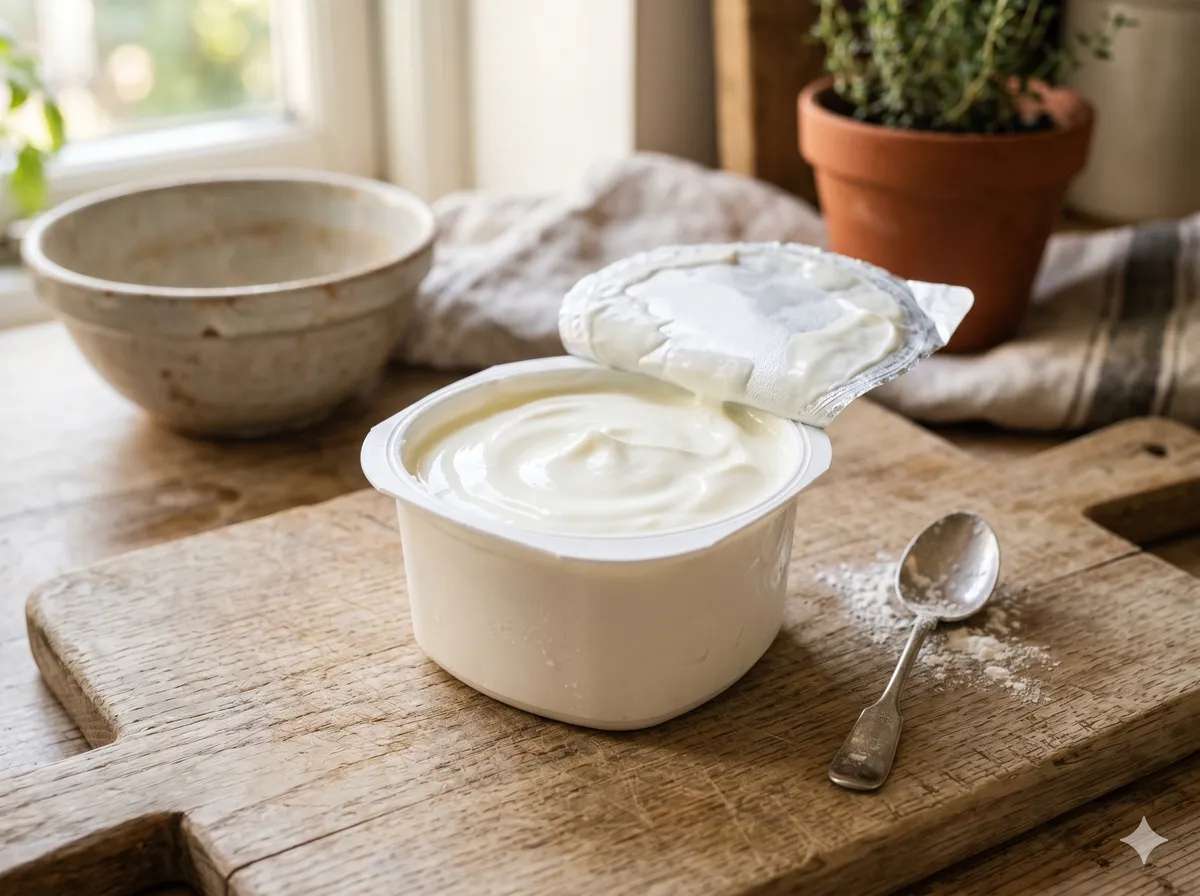
Yogurt is one of those fridge staples that seems to last forever — until it doesn't. Whether you're eyeing a container that's a few days past its printed date or wondering about that half-eaten tub from last week, knowing the real shelf life of yogurt can save you from a sour surprise. The good news: yogurt is already a fermented food, which gives it a natural edge over many dairy products. The anchor for yogurt refrigerated is 1–2 weeks, and that window applies to both plain and flavored varieties once opened. This guide walks you through every stage, from peak freshness to the point where no amount of stirring will save it.
Heads up: shelf-life ranges are estimates based on home storage. We make no guarantee of accuracy. When unsure, throw it out.
The full timeline
Day 1–3 (Peak Fresh)
1–3 days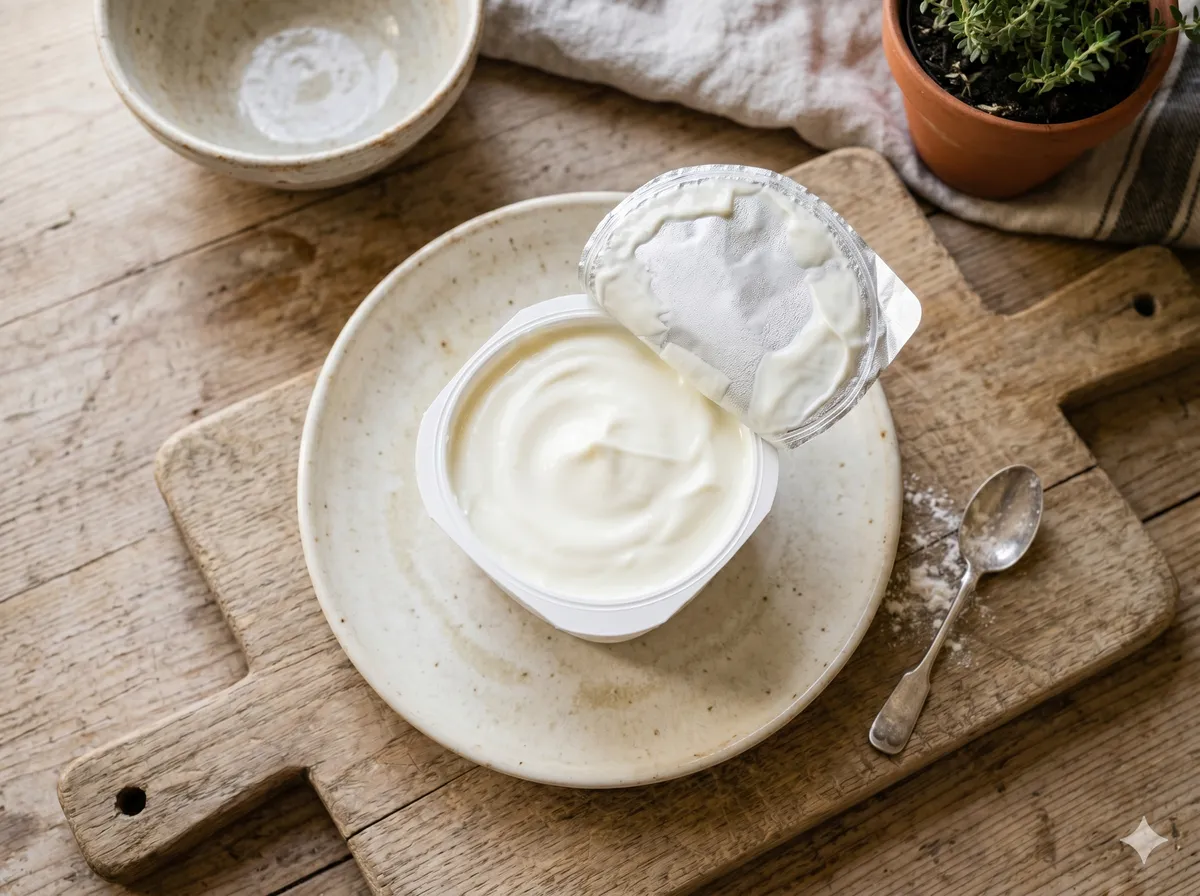
- Smooth, creamy surface with no separation
- Clean, mildly tangy scent
- Consistent texture throughout
- Color is uniform and true to variety
- Eat as-is
- Use in smoothies, dips, or baking
- Keep sealed in the coldest part of the fridge
Day 4–7 (Still Good)
4–7 days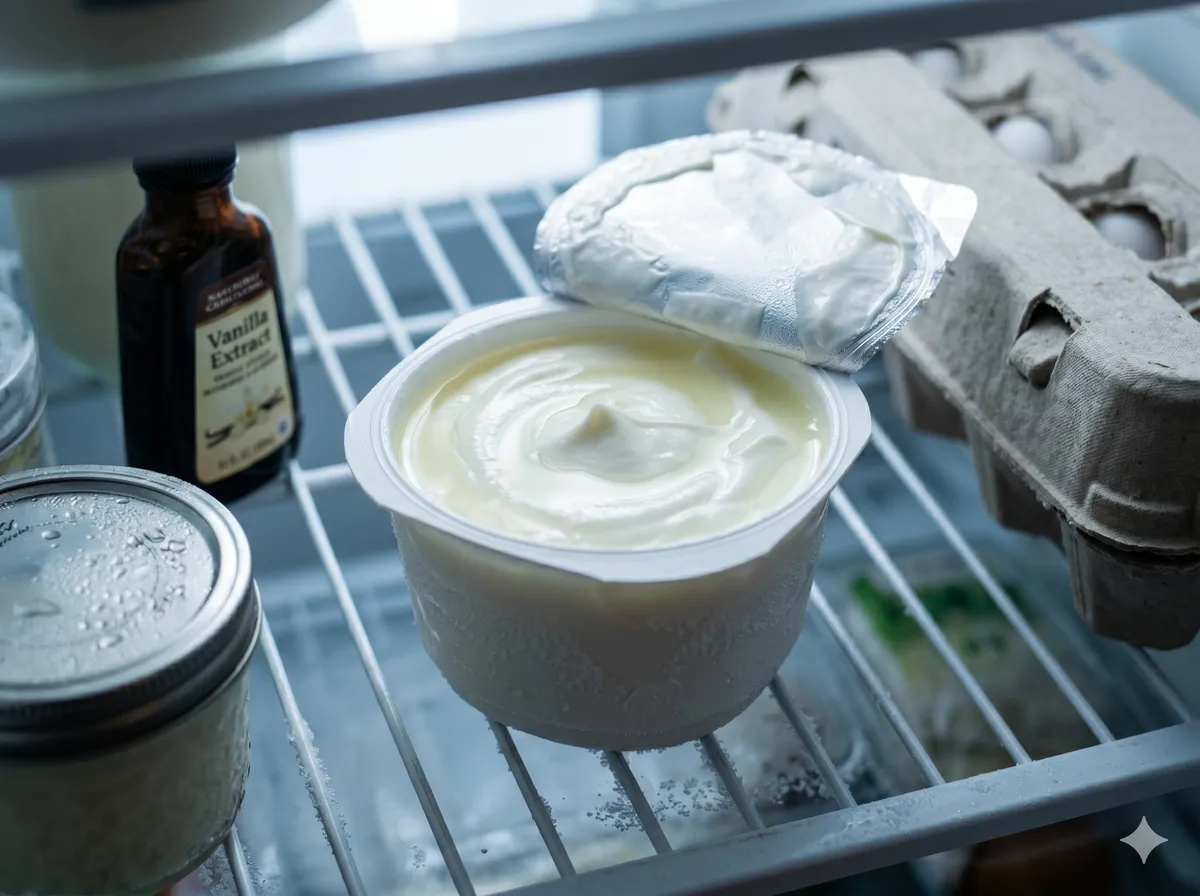
- Light layer of whey (clear liquid) pooled on top
- Tangy aroma is slightly more pronounced but still clean
- Texture may be marginally thinner after stirring
- No visible mold or off-color spots
- Stir whey back in and eat
- Use in marinades, dressings, or baked goods
- Keep refrigerated and reseal tightly
Day 8–10 (Use With Care)
8–10 days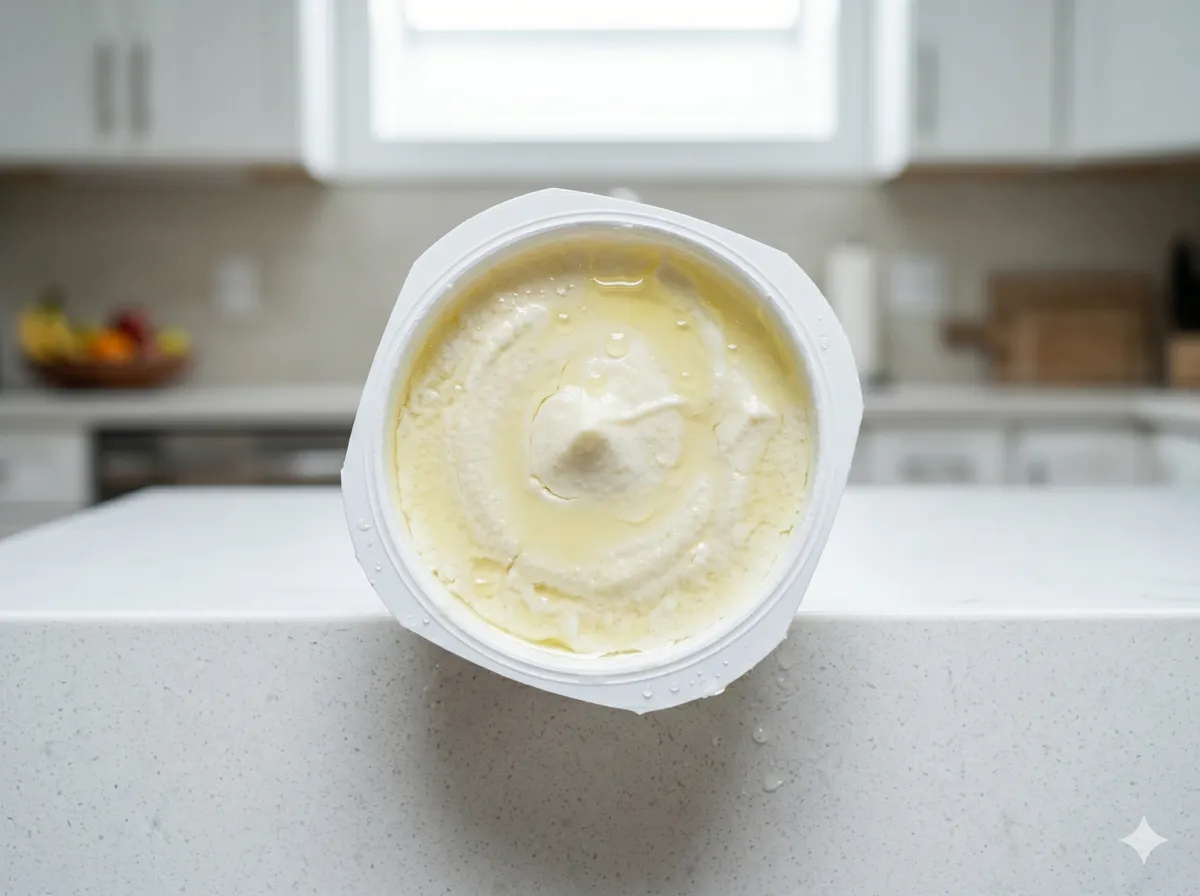
- Noticeably more liquid separation than earlier days
- Sour smell is sharper — still fermented, but edgier
- Texture may feel grainy or slightly lumpy after stirring
- Flavor is more acidic than fresh
- Taste a small amount before committing
- Use in cooked recipes like pancakes, muffins, or sauces
- Toss if smell or texture feels off to you
Day 11–14 (Borderline)
11–14 days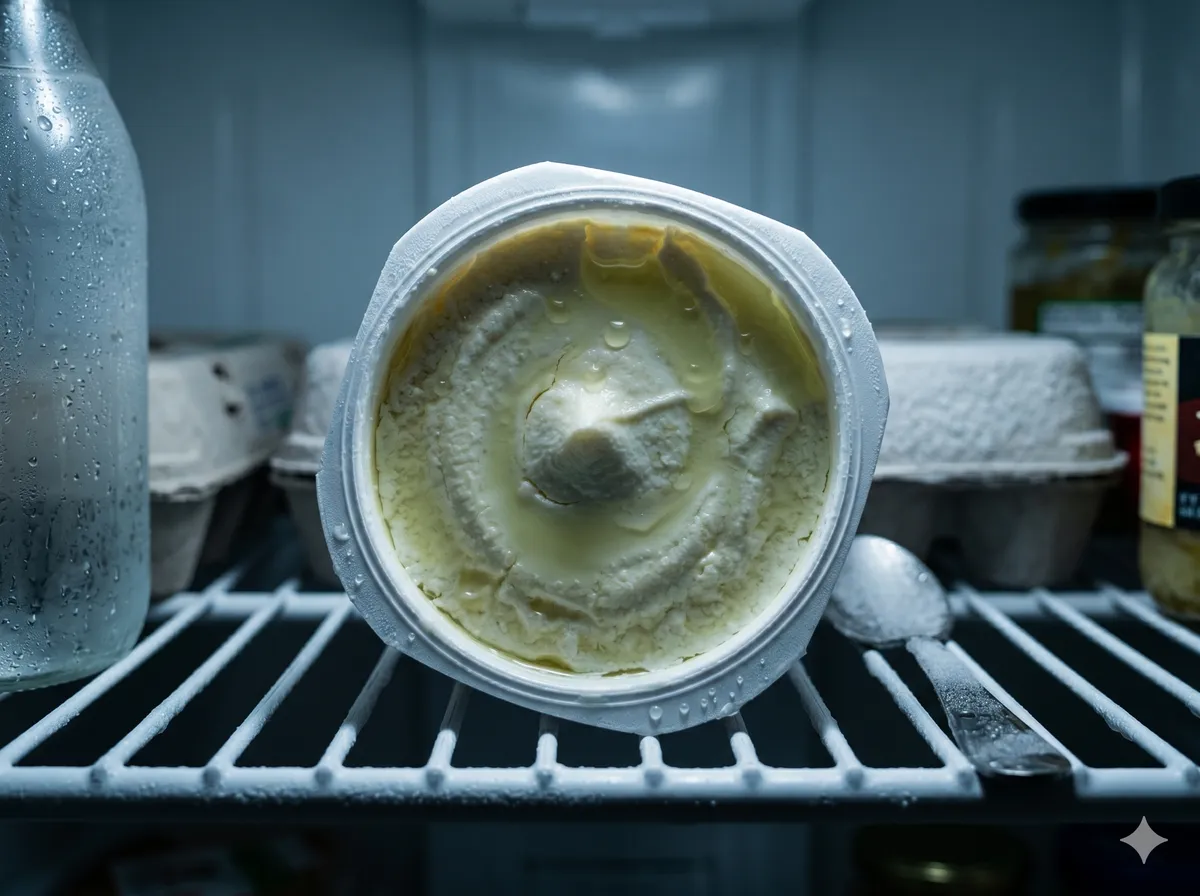
- Excessive liquid pooling that doesn't fully reintegrate
- Distinctly sour or off-putting smell beyond normal tang
- Texture is curdled or chunky in places
- Possible faint discoloration at edges or surface
- Discard if smell is unpleasant or texture is curdled
- Use only in fully cooked recipes if smell is still acceptable
- Do not serve to young children, elderly, or immunocompromised individuals
Day 15 (Toss It)
15+ days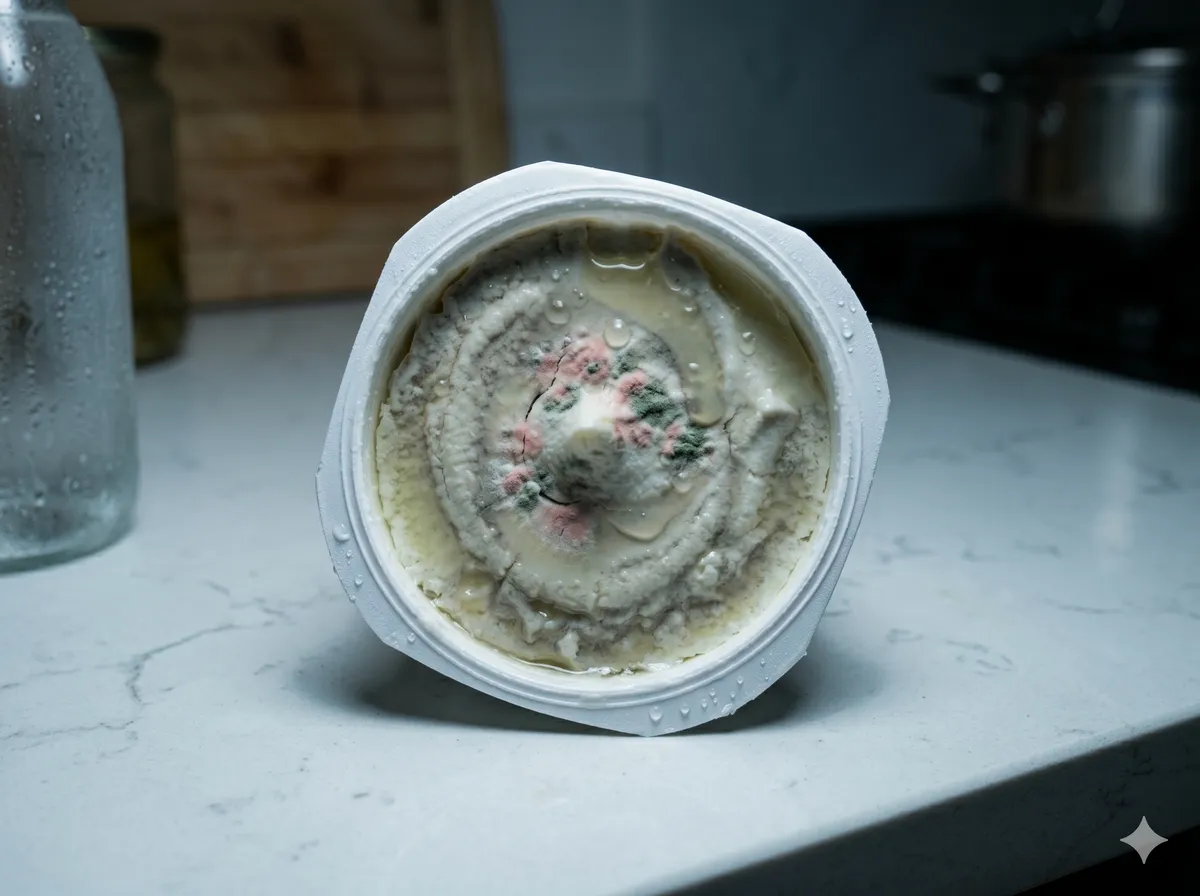
- Visible mold — pink, green, or black spots on surface or lid
- Strong sour or rotten odor clearly beyond fermented tang
- Fully separated, watery, or slimy texture
- Bloated or bulging container lid
- Toss the entire container
- Do not taste to check — discard on sight or smell alone
Common questions
Can I eat yogurt past the printed date?
The printed date is usually a 'best by' or 'sell by' date, not a safety cutoff. Unopened yogurt is often still good 1–2 weeks past that date if stored properly. Once opened, use the 1–2 week refrigerator window as your guide, not the printed date. Sage's Verdict: smell and texture are more reliable than the date stamp.
Is the watery liquid on top of yogurt safe?
Yes — that liquid is whey, a natural byproduct of fermentation. It separates during storage and is completely safe. Stir it back in or pour it off. It does not indicate spoilage on its own.
Can I freeze yogurt to extend its life?
You can freeze yogurt, but the texture changes significantly — it becomes grainy or watery after thawing. Frozen yogurt works fine blended into smoothies or used in baking, but it won't have the same creamy consistency for eating plain. Freeze in an airtight container and use within 1–2 months for best results.
Does Greek yogurt last longer than regular yogurt?
Greek yogurt has a lower moisture content due to straining, which can give it a slight edge in texture stability, but the safe storage window is the same: 1–2 weeks refrigerated once opened. The same spoilage cues — mold, off smell, curdled texture — apply to both.
Can I scoop out mold and eat the rest of the yogurt?
No. Unlike hard cheeses where surface mold can sometimes be cut away safely, yogurt is a soft, high-moisture food. Mold spores and potential mycotoxins can penetrate throughout the container well beyond the visible patch. Discard the entire container.
How should I store yogurt to get the full 1–2 weeks?
Keep yogurt in the coldest part of your fridge — typically the back of a middle shelf, not the door. Always reseal tightly after use. Avoid double-dipping utensils, which introduce bacteria. Keep the temperature at or below 40°F (4°C).

Yogurt's fermented nature gives it solid staying power, but 1–2 weeks is the real ceiling. Smell it, look at it, and when in doubt — toss it out.