
How Long Does Milk Last on the Counter?
Milk left out at room temperature spoils fast — here's what to watch for and when to toss it.
Milk left on the counter is safe for roughly 2 hours; after that, discard it.
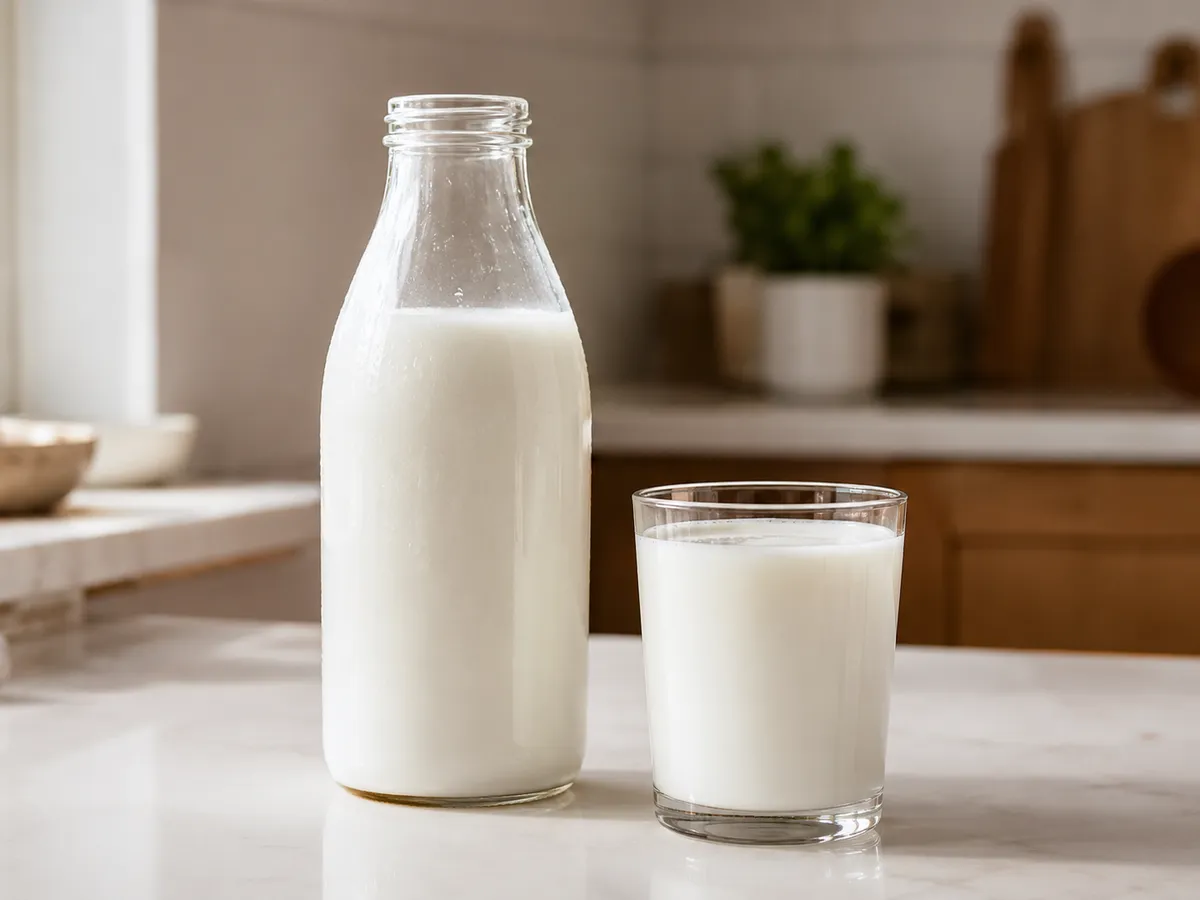
Milk is one of the most perishable items in any kitchen, and leaving it on the counter accelerates spoilage dramatically. While milk lasts 5–7 days in the refrigerator, room-temperature exposure — anything above 40 °F (4 °C) — allows bacteria to multiply rapidly. The FDA's two-hour rule applies squarely here: milk sitting out longer than two hours enters the danger zone and should not be consumed. This article walks through every stage of counter-left milk, from the moment it leaves the fridge to the point it becomes a biohazard in a glass, so you always know exactly what you're dealing with.
Heads up: shelf-life ranges are estimates based on home storage. We make no guarantee of accuracy. When unsure, throw it out.
The full timeline
Hour 1 (Still Good)
0–1 hour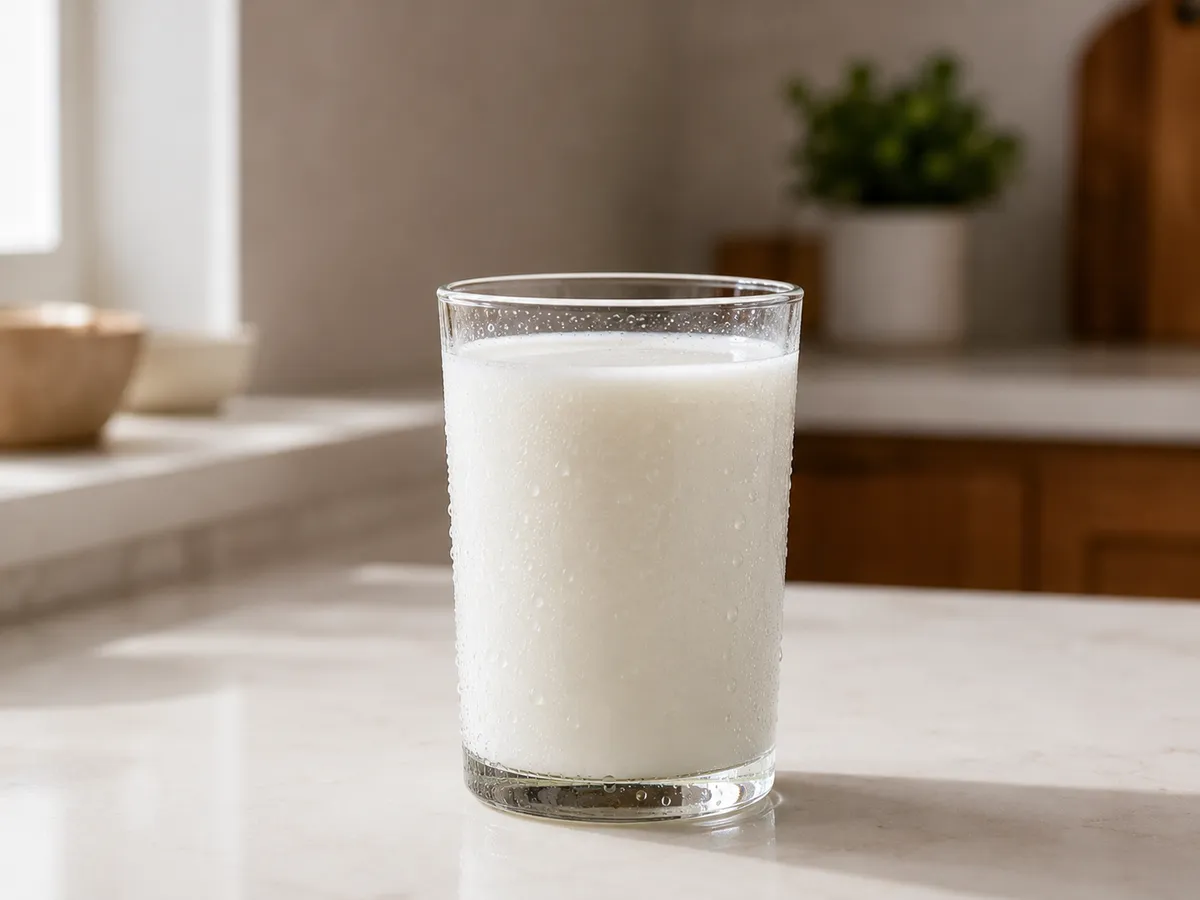
- Milk is cold or only slightly cool to the touch
- Color is bright white with no visible separation
- Smell is clean and neutral — no sourness
- Pours smoothly with no clumping
- Return to refrigerator immediately
- Use in recipe or drink now
Hour 2 (Borderline)
1–2 hours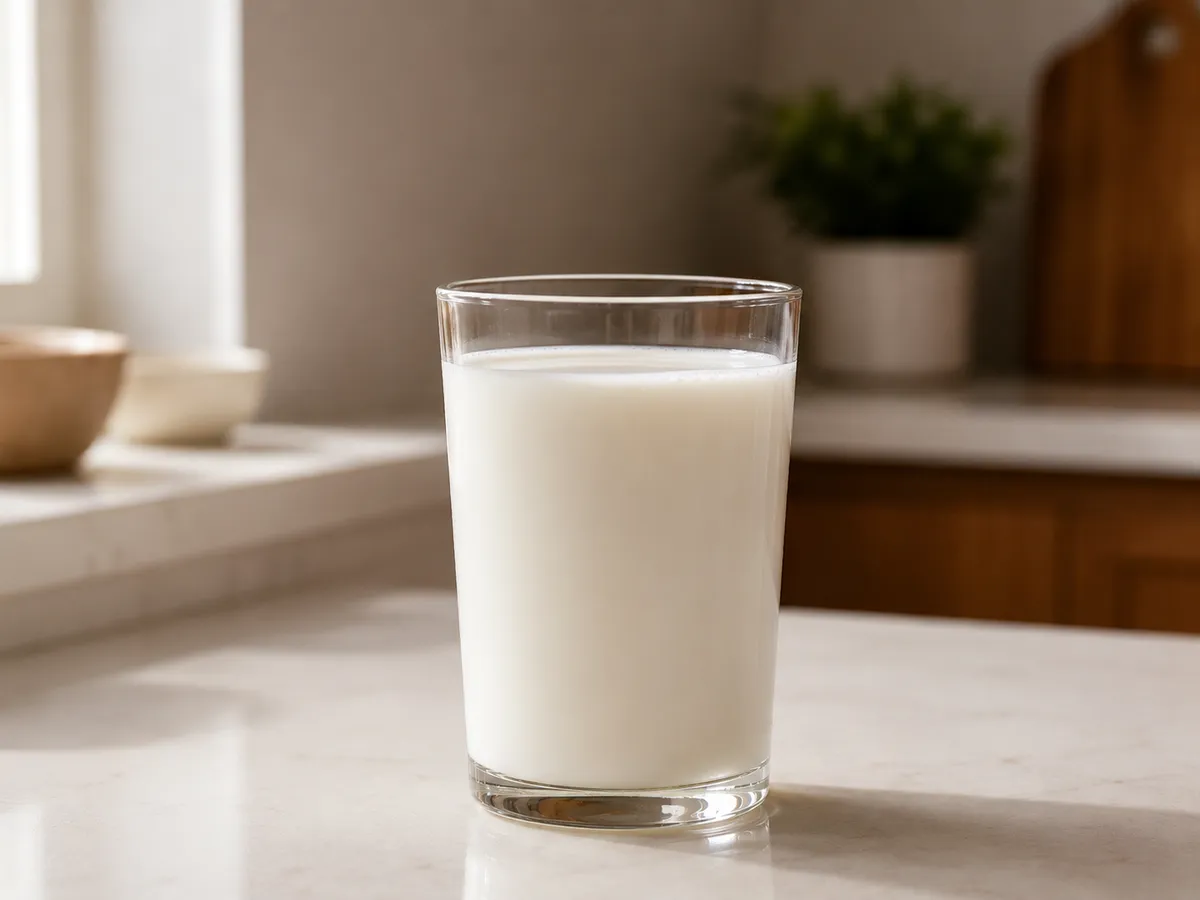
- Milk has reached room temperature — no longer cool
- Smell may carry a faint, barely detectable sour note
- Appearance still looks normal — no visible curdling yet
- Taste may be very slightly off if sampled
- Discard if any sour smell is detected
- Use immediately in cooked dish reaching full boil if smell is neutral
- Return to fridge only if the full 2-hour mark has not been reached
Hour 3–4 (Spoiling)
2–4 hours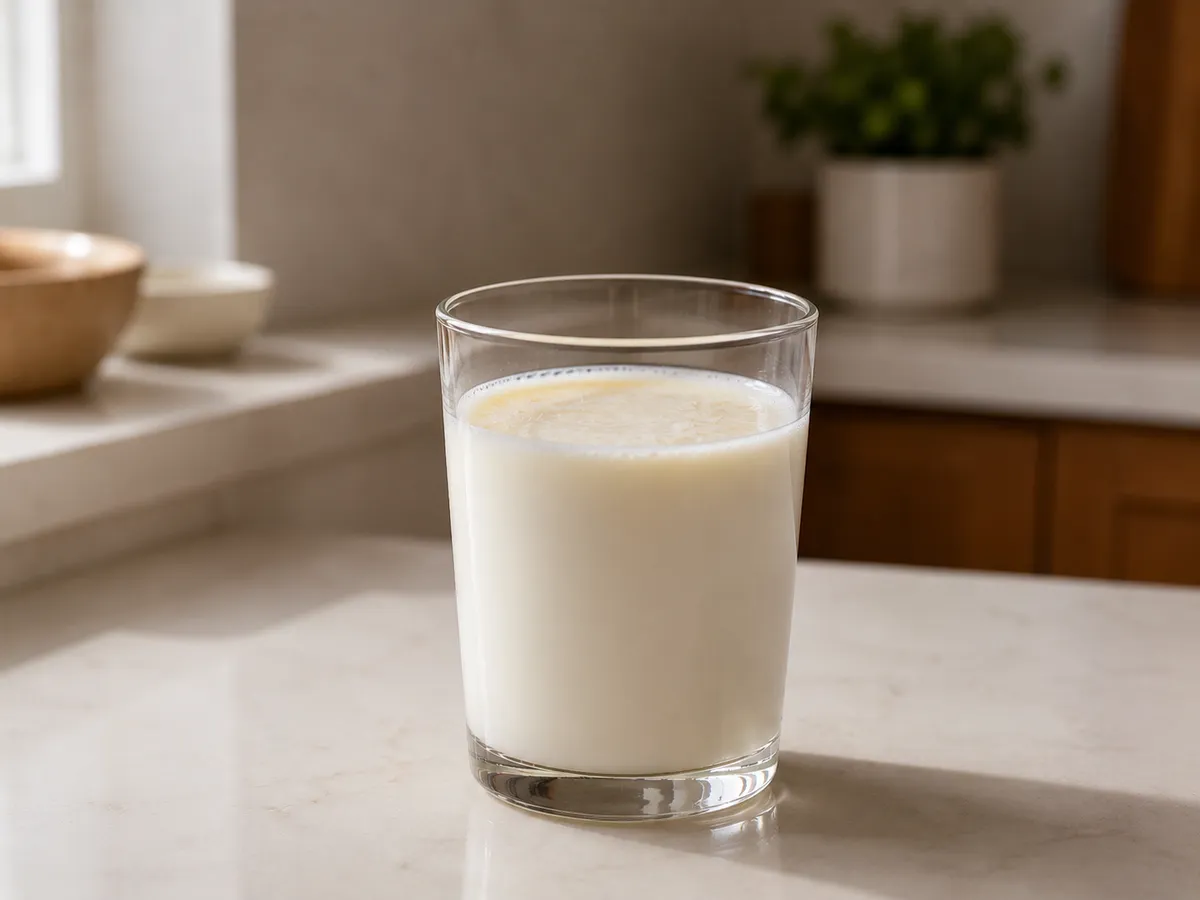
- Noticeable sour or tangy odor when you bring the glass close
- Possible thin layer of skin forming on the surface
- Texture may feel slightly thicker when swirled
- Taste is distinctly sour if sampled
- Discard — do not drink
- Do not use in recipes for vulnerable individuals
- Toss and note to refrigerate milk sooner next time
Hour 4–8 (Unsafe)
4–8 hours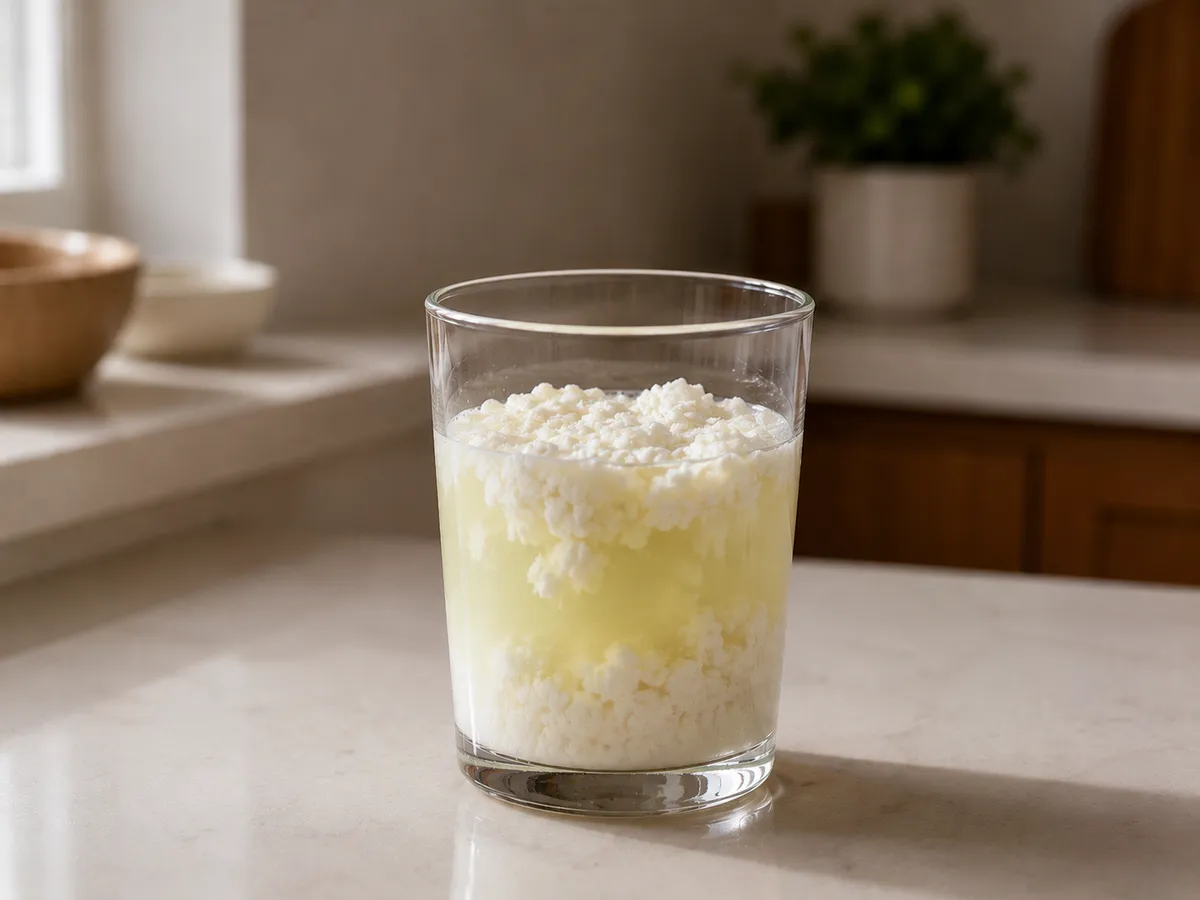
- Strong sour or rancid smell detectable from a distance
- Visible curdling — white lumps floating or settled at the bottom
- Color may shift toward pale yellow or off-white
- Texture is chunky or ropy when poured
- Toss immediately — do not taste or use
- Rinse the container thoroughly before reuse
Common questions
Can I use milk left out for 2 hours in baking or cooking?
At exactly the 2-hour mark, the risk is low for healthy adults, but it is not recommended. Baking temperatures do kill some bacteria, but heat does not neutralize toxins already produced by spoilage bacteria. Sage's Verdict: when in doubt, use fresh refrigerated milk — the cost of a splash of milk is not worth a stomach ache.
Does the two-hour rule change in a hot kitchen?
Yes. The FDA two-hour rule assumes ambient temperatures below 90 °F (32 °C). In a kitchen warmer than 90 °F, the safe window shrinks to just one hour. Summer kitchens, outdoor picnics, and warm buffet tables all accelerate bacterial growth significantly.
Why does milk smell sour after sitting out?
Lactic acid bacteria naturally present in milk convert lactose (milk sugar) into lactic acid when temperatures rise. That acid is what produces the sour smell and eventually causes proteins to curdle. It is a sign of active bacterial activity, not just a flavor quirk.
Is curdled counter-left milk the same as intentional sour cream or yogurt?
No. Cultured dairy products like yogurt and sour cream are made with specific, controlled bacterial strains under monitored conditions. Counter-left milk curdles from a random mix of spoilage bacteria, which can include harmful strains. They are not interchangeable.
How long does milk last in the refrigerator once opened?
Opened milk lasts 5–7 days in the refrigerator, consistent with the milk_refrigerator anchor. Keep it toward the back of the fridge where temperatures are most stable, not in the door where temperatures fluctuate.
Can I freeze milk to extend its shelf life?
Yes. Milk can be frozen for up to 3 months. Thaw it in the refrigerator and shake or stir well before use, as fat and water may separate. Texture can become slightly grainy after freezing, making it better suited for cooking than drinking straight.

Milk and the counter are not friends. Two hours is the hard limit — refrigerate promptly, and your milk stays fresh for up to a week.