
Can I Still Eat Cottage Cheese Left on the Counter?
How long cottage cheese stays safe at room temperature — and when to walk away
Cottage cheese left on the counter is safe for 2 hours max; discard it after that.

Cottage cheese is a fridge-first food — creamy, mild, and surprisingly quick to turn once it leaves the cold. Whether you set it out for a snack bowl or forgot it after breakfast, the clock starts ticking fast at room temperature. Bacteria multiply rapidly above 40°F (4°C), and cottage cheese, with its high moisture content and neutral pH, is an ideal growth medium. This article walks through every stage of counter-left cottage cheese, from the first hour out of the fridge to the point where it absolutely must go in the bin. Refrigerated, cottage cheese lasts about 1 week; on the counter, that window collapses to 2 hours.
Heads up: shelf-life ranges are estimates based on home storage. We make no guarantee of accuracy. When unsure, throw it out.
The full timeline
Hour 1 (Just Out)
0–1 hour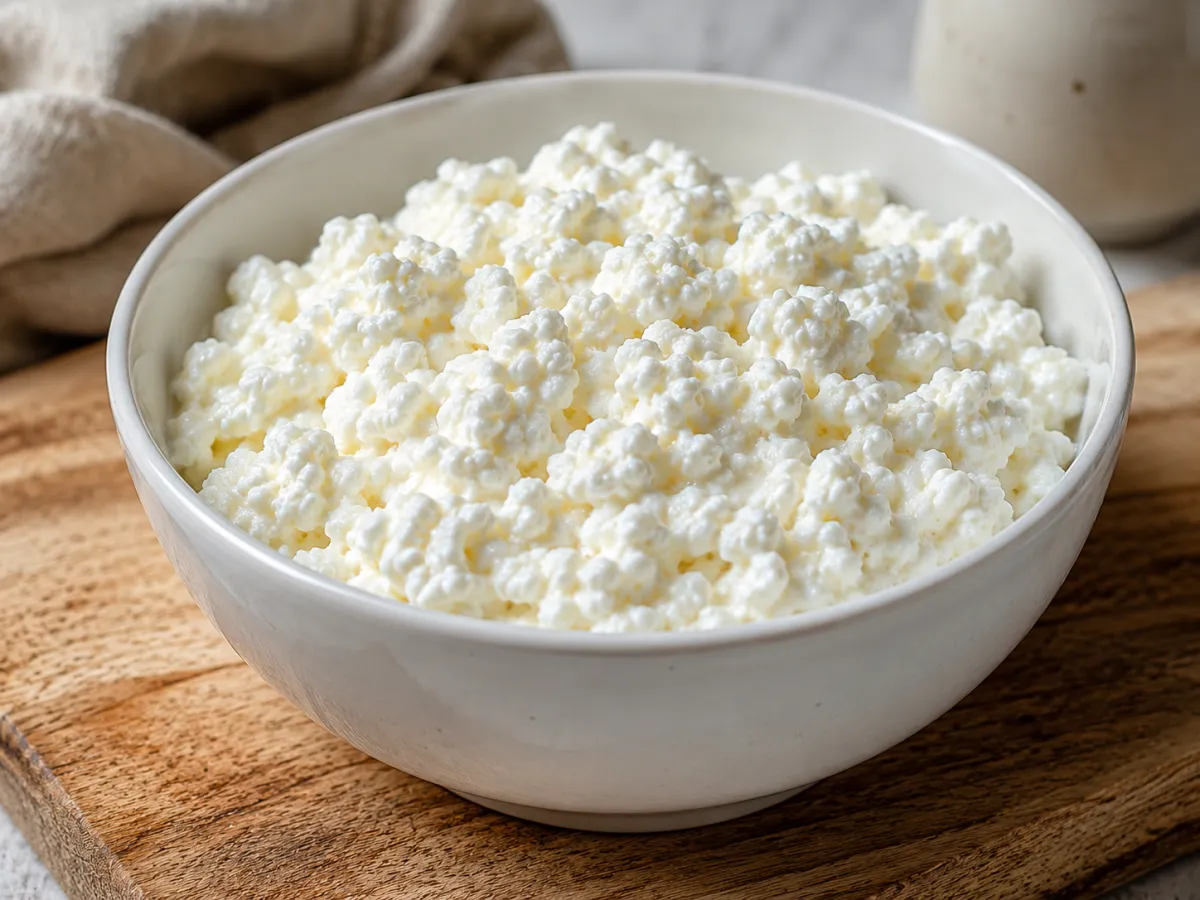
- Still cold or cool to the touch
- Creamy white color, no discoloration
- Fresh, mild dairy scent
- Curds hold their shape, whey not yet separated
- Eat immediately
- Return to refrigerator promptly
Hour 2 (Borderline)
1–2 hours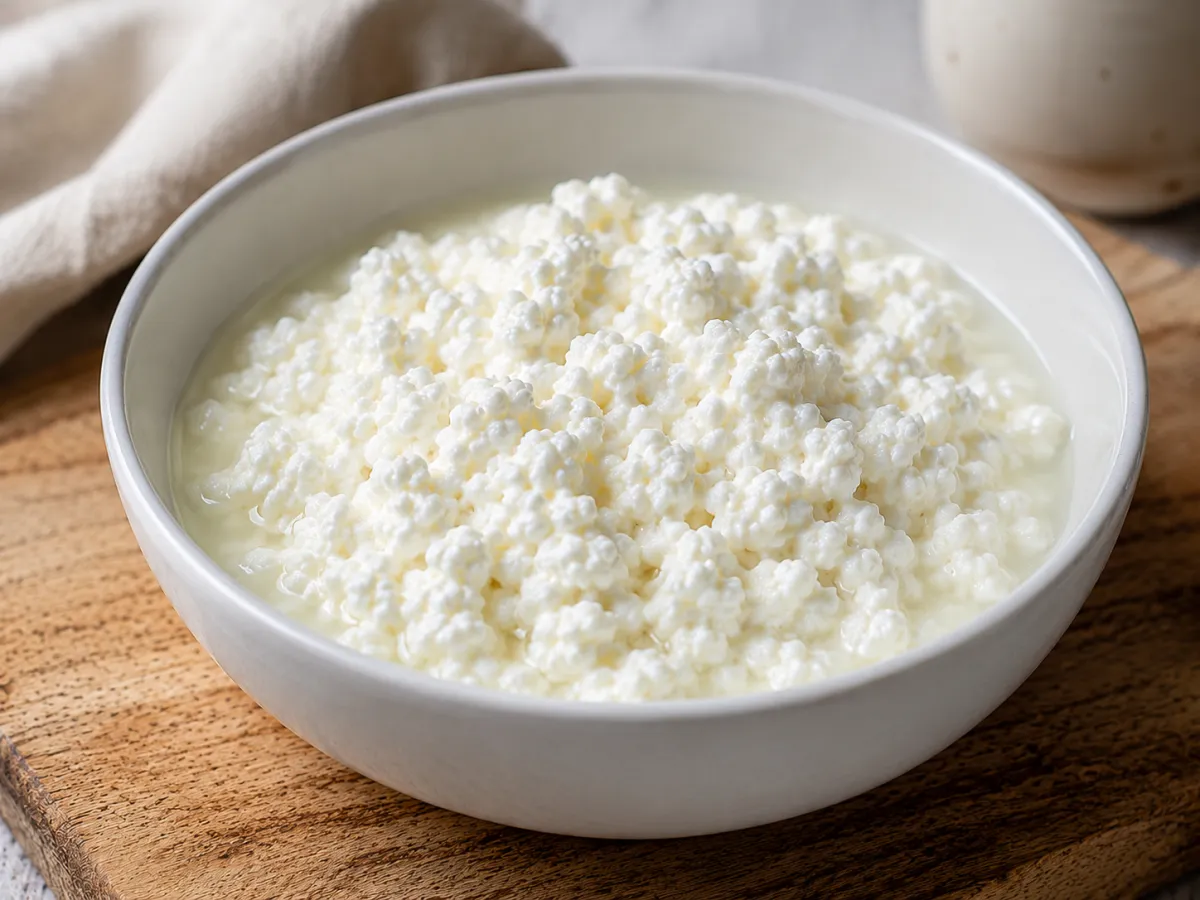
- Container now at room temperature
- Slight whey pooling visible around curds
- Scent still acceptable but faintly sour
- Texture beginning to loosen slightly
- Eat immediately if within the 2-hour mark
- Discard if you are unsure of exact time out
Hour 3–4 (Spoilage Zone)
3–4 hours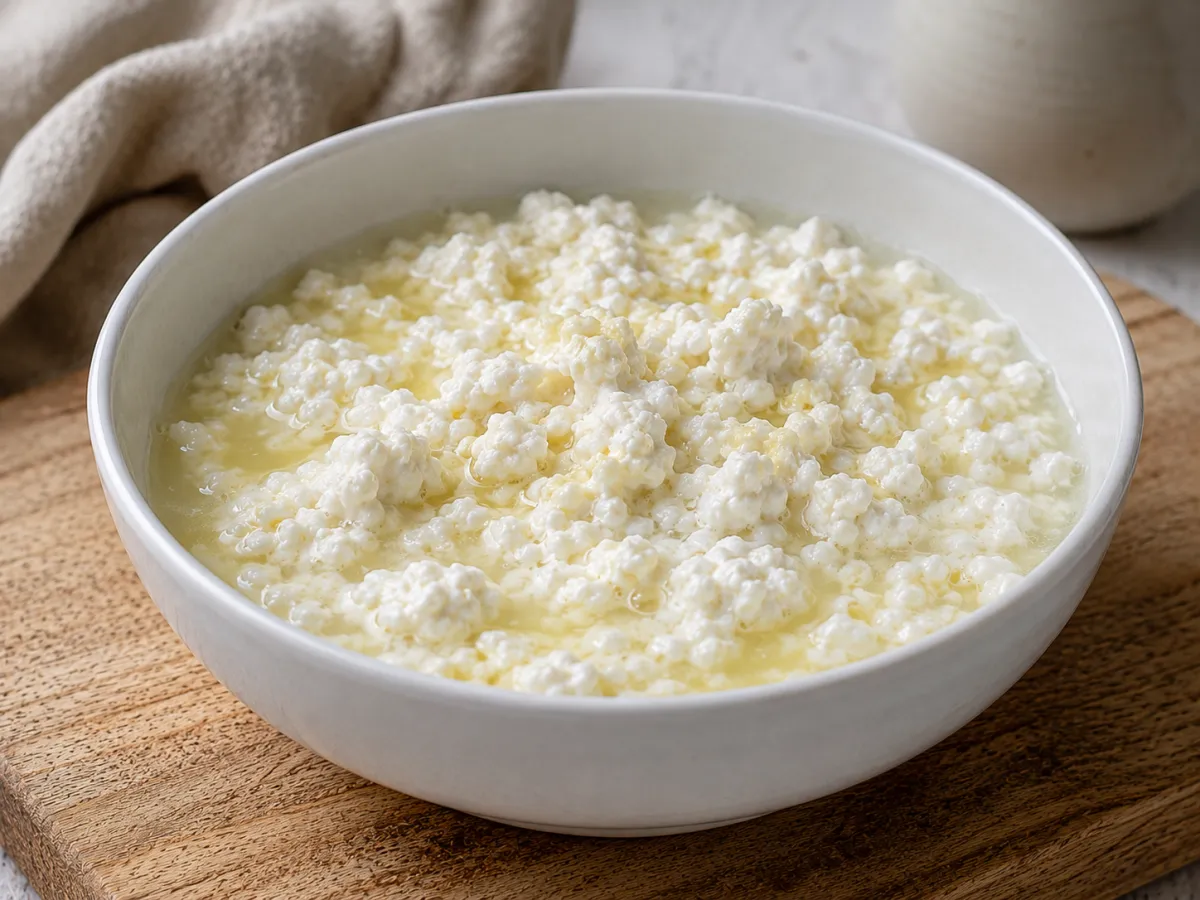
- Noticeable sour or off smell
- Excess watery whey separated and pooled
- Curds may appear slimy or discolored
- Possible faint yellowish tinge on surface
- Discard immediately
- Do not taste-test
Hour 5–8 (Clearly Spoiled)
5–8 hours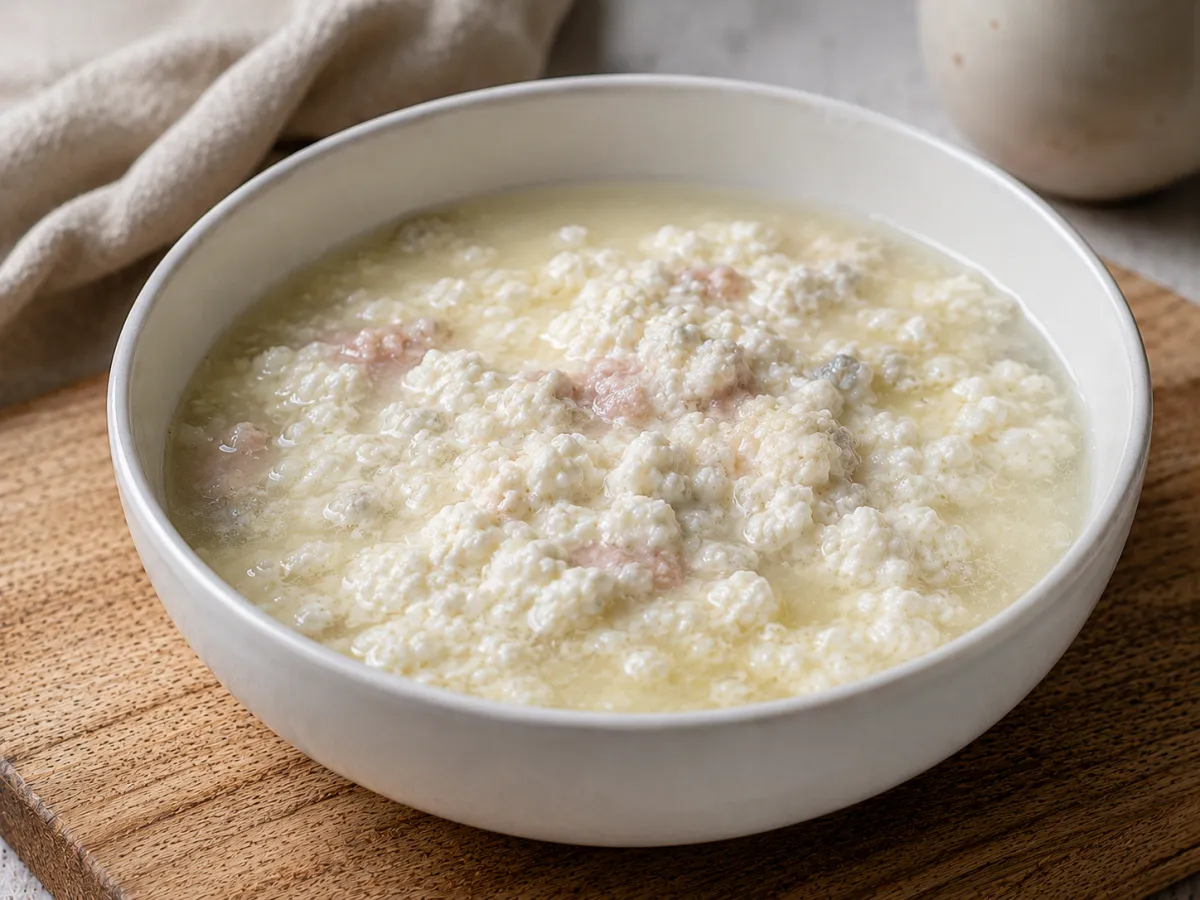
- Strong sour or rancid odor
- Visible sliminess or curd breakdown
- Possible pink or gray discoloration
- Watery liquid has separated significantly
- Discard immediately
- Wash container thoroughly before reuse
Common questions
Can I put cottage cheese back in the fridge after it's been out for 2 hours?
No. The USDA's 2-hour rule is a discard threshold, not a return-to-fridge window. Once perishable dairy has been at room temperature for 2 hours, refrigerating it does not reverse bacterial growth. Toss it. Sage's Verdict: the fridge is not a reset button.
How long does cottage cheese last in the refrigerator once opened?
Opened cottage cheese typically lasts about 1 week in the refrigerator when stored at or below 40°F (4°C) with the lid tightly sealed. Always check for off smells, excess liquid, or discoloration before eating.
Can you freeze cottage cheese?
Technically yes, but the texture suffers significantly — curds become grainy and watery after thawing. Frozen cottage cheese works in cooked dishes like lasagna or casseroles, but is not great eaten plain. Freeze in an airtight container for up to 3 months.
Why does cottage cheese get watery so fast at room temperature?
Cottage cheese has high moisture content, and warm temperatures accelerate whey separation (syneresis). Heat also speeds up bacterial activity, which further breaks down the curd structure. The combination makes it one of the faster-spoiling dairy products at room temperature.
Is it safe to eat cottage cheese that smells slightly sour?
A very mild tang is normal in fresh cottage cheese. A noticeably sour, sharp, or off smell — especially after time on the counter — signals spoilage. When in doubt, discard. Foodborne illness from spoiled dairy is not worth the risk.
What is the best way to store cottage cheese in the fridge?
Store cottage cheese in its original sealed container or an airtight container toward the back of the fridge (coldest zone), not in the door. Keep it at or below 40°F. Storing it upside-down can create a vacuum seal that slows spoilage slightly.

Cottage cheese is a fridge food through and through. Two hours on the counter is your hard limit — after that, no smell test, no taste test, just the bin.