
How Long Does Sour Cream Last in the Fridge?
Opened or sealed, here's what the clock looks like for sour cream.
Sour cream lasts 1–3 weeks refrigerated when kept sealed and stored at or below 40°F.
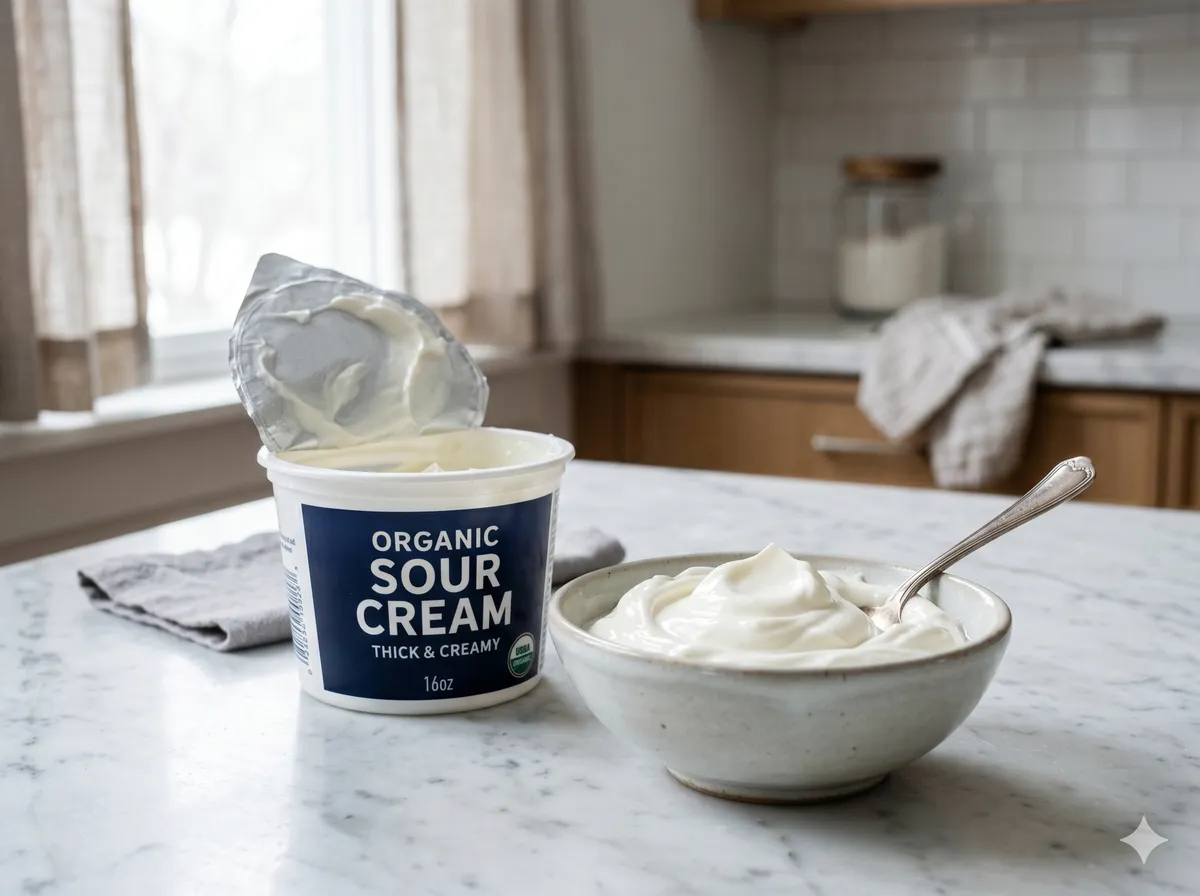
Sour cream is a fridge staple that earns its keep on tacos, baked potatoes, and dips — but its window is shorter than most people assume. An unopened container can push toward three weeks past the sell-by date if stored properly, while an opened tub starts a faster countdown the moment that foil seal is broken. Knowing the difference between normal tangy sharpness and genuine spoilage can save you from a bad batch and a wasted trip to the store. This guide covers sour cream's full refrigerator timeline, stage by stage, so you always know what's in that container.
Heads up: shelf-life ranges are estimates based on home storage. We make no guarantee of accuracy. When unsure, throw it out.
The full timeline
Day 1–7 (Peak Fresh)
1–7 days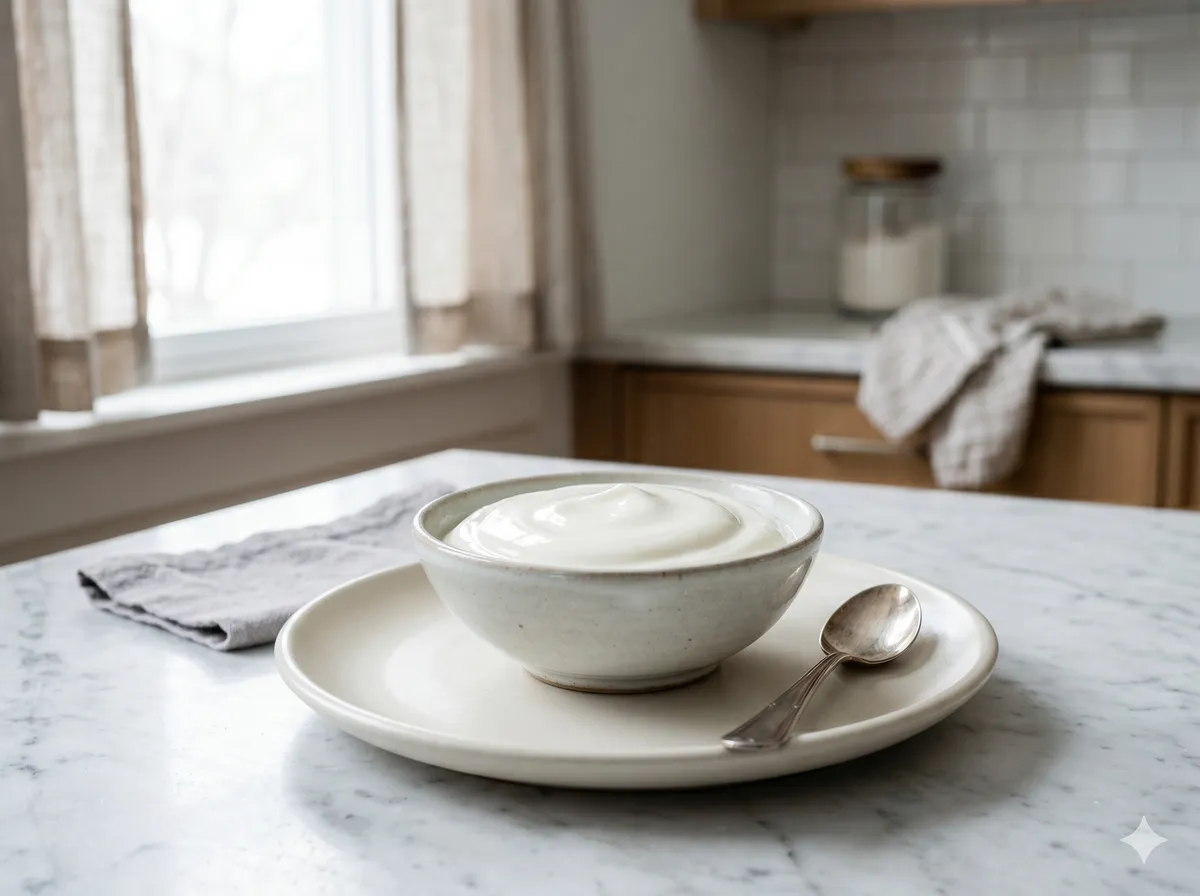
- Bright white, uniform color throughout
- Clean, mildly tangy dairy scent
- Thick, smooth texture with no lumps
- Seal intact or just recently opened
- Use freely in dips, dressings, or toppings
- Bake into cakes, muffins, or pancakes
- Store with lid tightly sealed in the coldest part of the fridge
Day 8–14 (Still Good)
8–14 days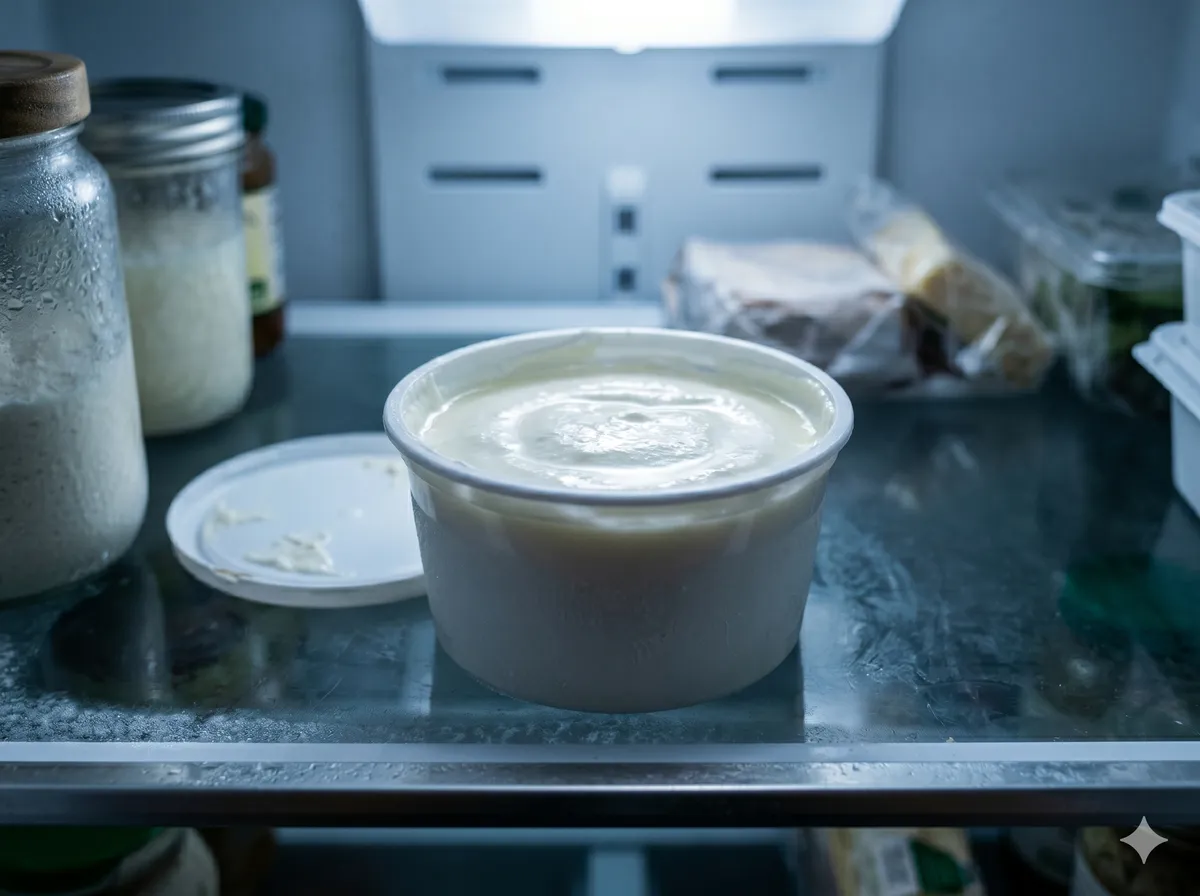
- Slight watery liquid (whey) pooled on top — normal separation
- Smell remains tangy but slightly sharper
- Texture still creamy after stirring whey back in
- Color stays white to off-white
- Stir whey back in before using
- Use in cooked dishes like soups or sauces where texture matters less
- Keep refrigerated and reseal tightly after each use
Day 15–21 (Use With Care)
15–21 days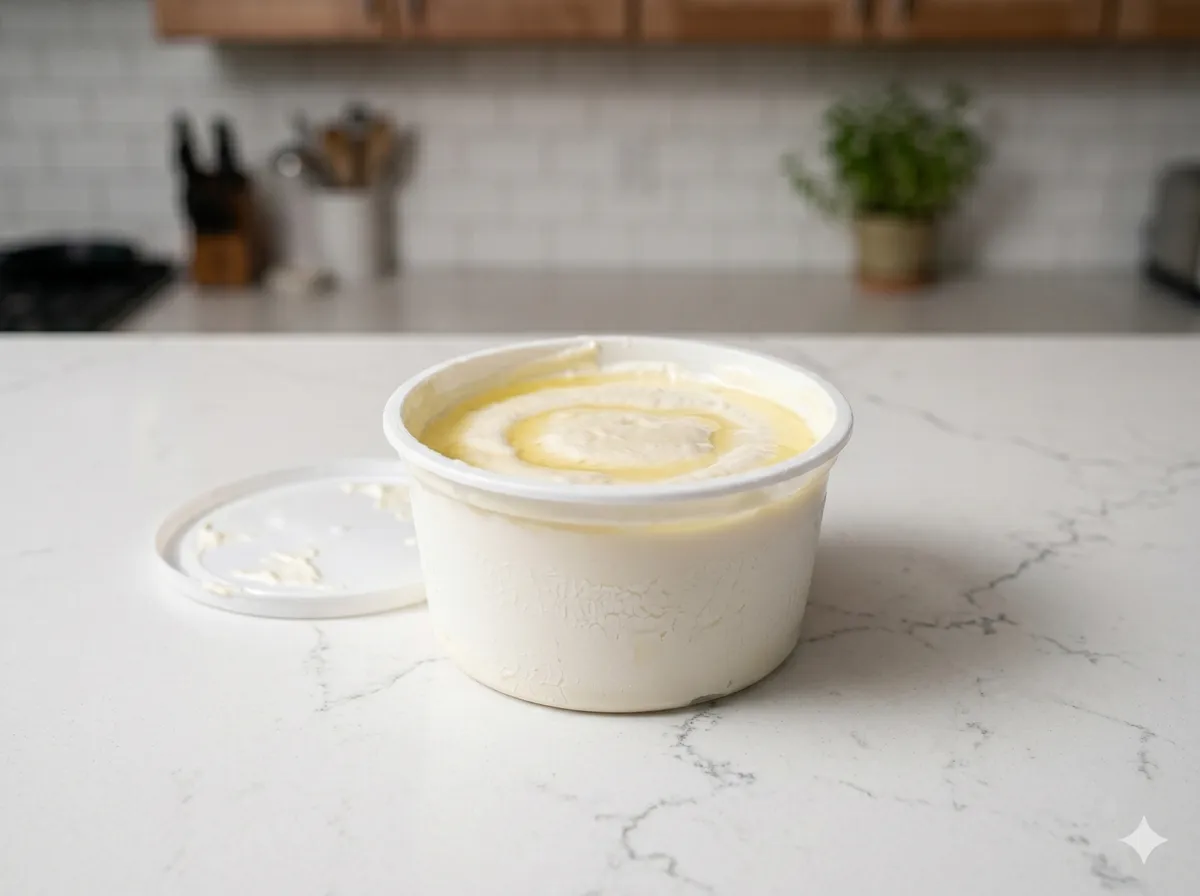
- Noticeably more liquid separation than earlier
- Smell is sharper and more acidic than fresh
- Texture may feel slightly grainy or lumpy after stirring
- Possible faint yellowish tint at edges
- Smell and inspect carefully before using
- Use only in fully cooked applications — baked goods, soups
- Discard if smell is off or texture is grainy and won't smooth out
Day 22 (Spoiled)
22+ days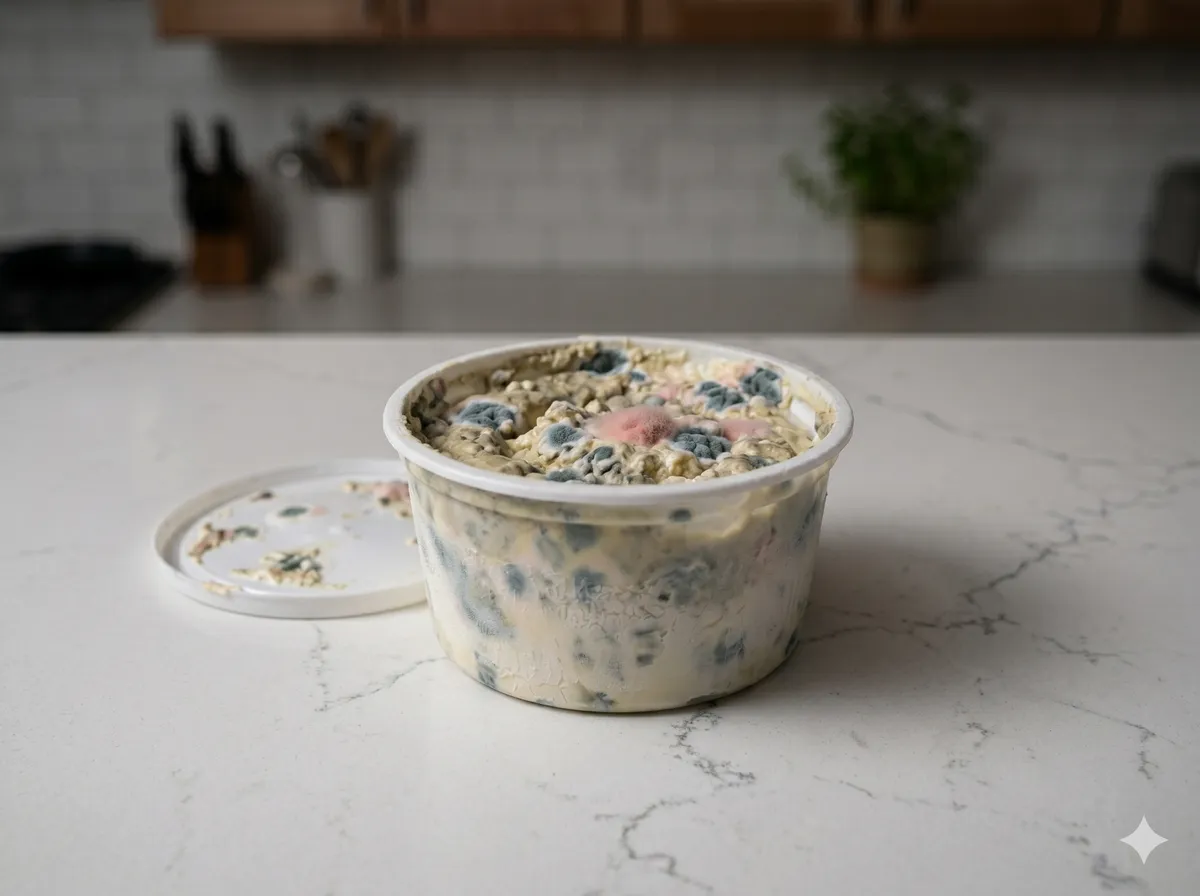
- Visible pink, green, or blue-gray mold spots on surface or lid
- Strong sour or rancid smell — clearly off
- Curdled, chunky texture that won't stir smooth
- Discoloration beyond pale yellow — gray or pink hues
- Discard the entire container
- Do not taste-test to confirm — the smell alone is enough
Common questions
Can I eat sour cream past the sell-by date?
Yes, if it has been refrigerated continuously and shows no signs of spoilage. The sell-by date is a freshness guide, not a safety cutoff. Sage's Verdict: sniff first, check for mold, then decide — up to 1–2 weeks past the date is often fine if unopened and stored cold.
Why is there liquid on top of my sour cream?
That's whey, a natural byproduct of the culturing process. It separates out during storage and is completely normal. Just stir it back in. If the liquid is excessive, discolored, or smells off, that's a different story.
Can I freeze sour cream to extend its life?
Technically yes, but the texture becomes grainy and watery after thawing. Frozen sour cream is only practical in cooked or baked dishes where texture isn't critical. It's not recommended for dips or toppings.
Does sour cream go bad faster once opened?
Yes. An unopened container can last closer to 3 weeks; once opened, aim to use it within 1–2 weeks. Every time the lid comes off, bacteria from the environment can enter. Always use a clean spoon.
Is it safe to eat sour cream left out at room temperature?
No. Sour cream left out for more than 2 hours (1 hour above 90°F) should be discarded. Dairy-based products enter the bacterial danger zone quickly at room temperature.
Can I scoop around the mold on sour cream?
No. Unlike hard cheeses, soft dairy products like sour cream allow mold to spread invisible threads (hyphae) throughout the container. If you see mold anywhere on the surface, toss the whole tub.

Keep sour cream cold, sealed, and away from double-dipping spoons — it'll reward you with a solid 1–3 weeks of reliable creaminess.