
How to Tell If Ice-Cream Has Gone Bad
Freezer burn, icy crust, off smells — here's what to look for before you scoop.
Ice-cream stays good for 2–3 months in the freezer before quality noticeably declines.
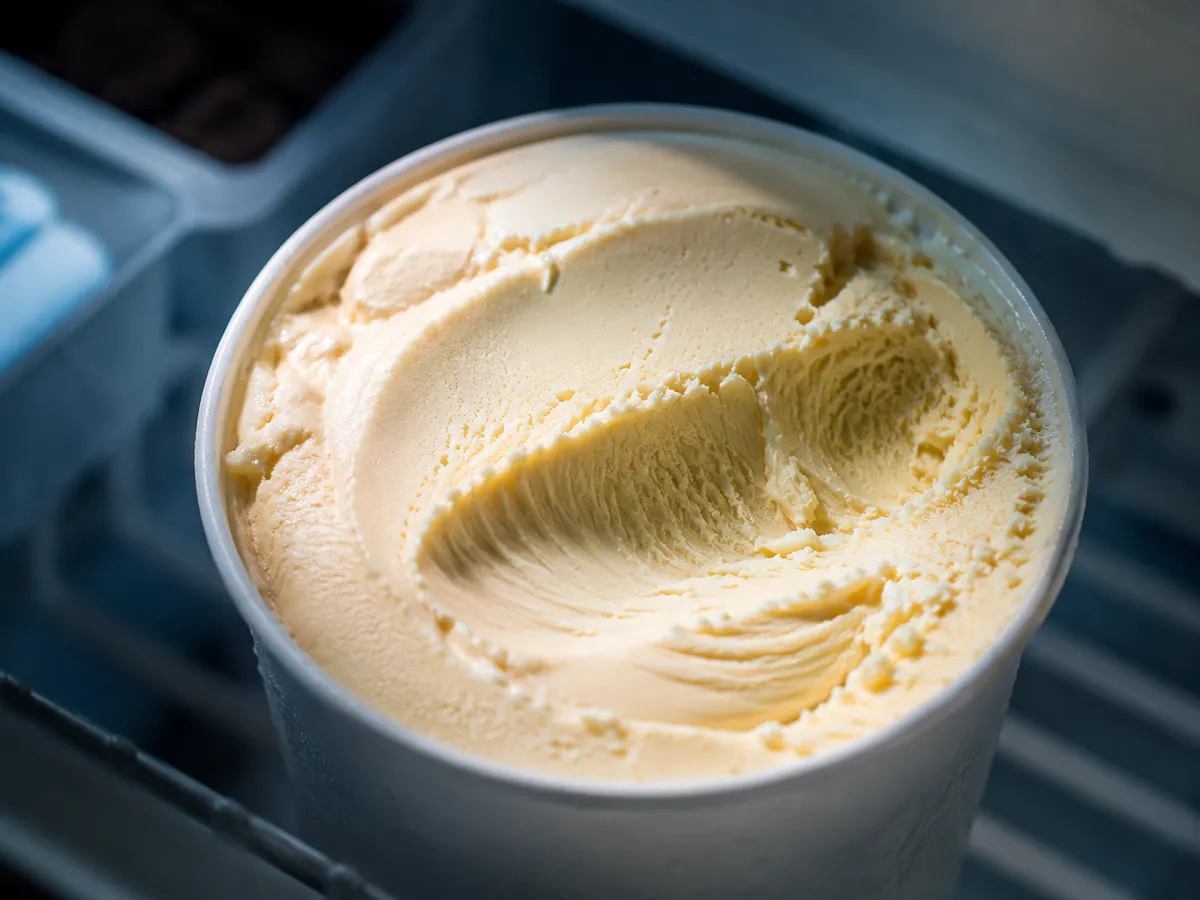
Ice-cream seems immortal once it's frozen solid, but time and temperature swings take a real toll. Ice-cream stored in the freezer is best within 2–3 months of opening; after that, freezer burn, ice crystal buildup, and flavor loss become increasingly obvious. The good news is that spoiled ice-cream rarely poses a serious safety risk — the bigger enemy is quality. Knowing the visual and sensory cues at each stage helps you decide whether that tub is still worth eating or better off in the bin.
Heads up: shelf-life ranges are estimates based on home storage. We make no guarantee of accuracy. When unsure, throw it out.
The full timeline
Week 1–2 (Peak Creamy)
1–2 weeks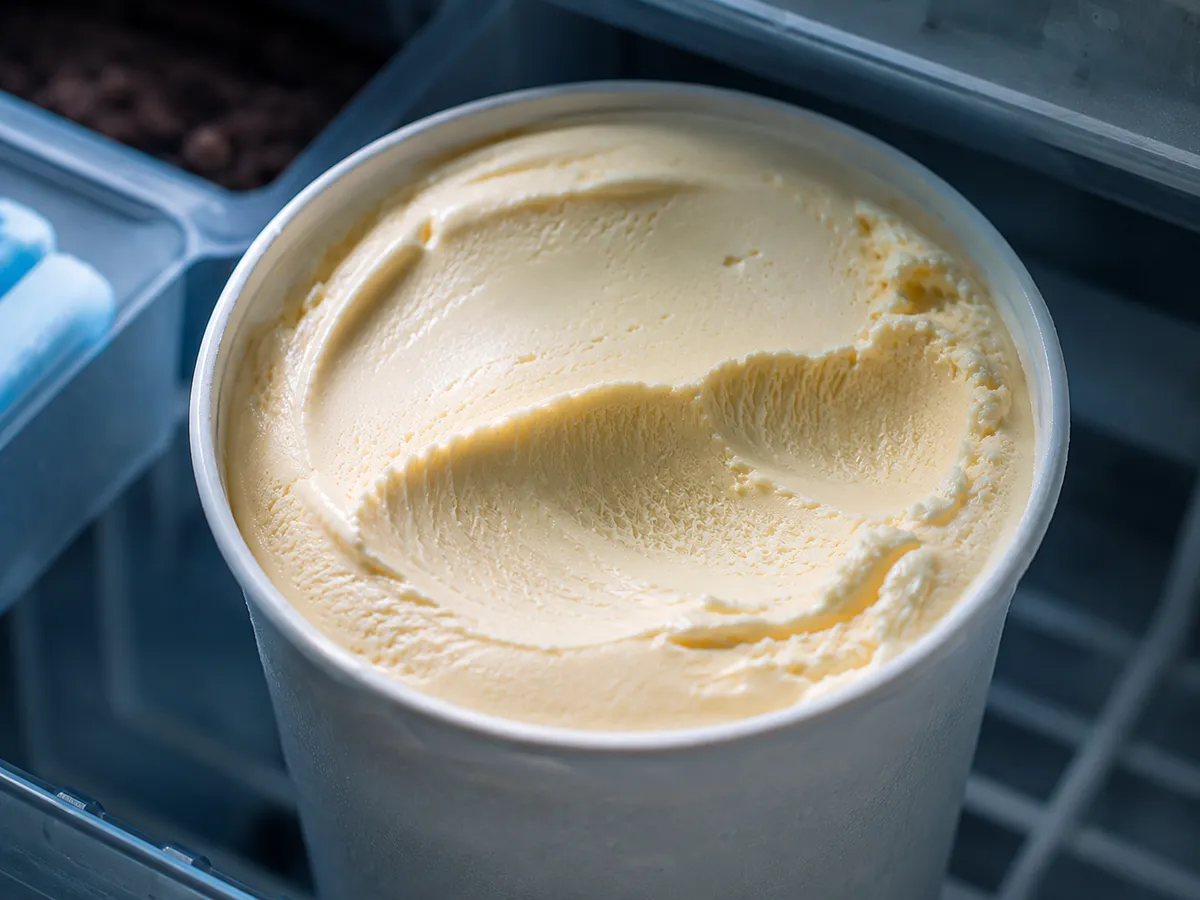
- Surface is smooth and uniformly colored
- Texture is dense and creamy with no ice crystals
- Aroma is fresh and true to flavor
- Lid seals cleanly with no frost buildup inside
- Scoop and enjoy as-is
- Serve with toppings
- Return to freezer with lid pressed firmly down
Week 3–4 (Still Good)
3–4 weeks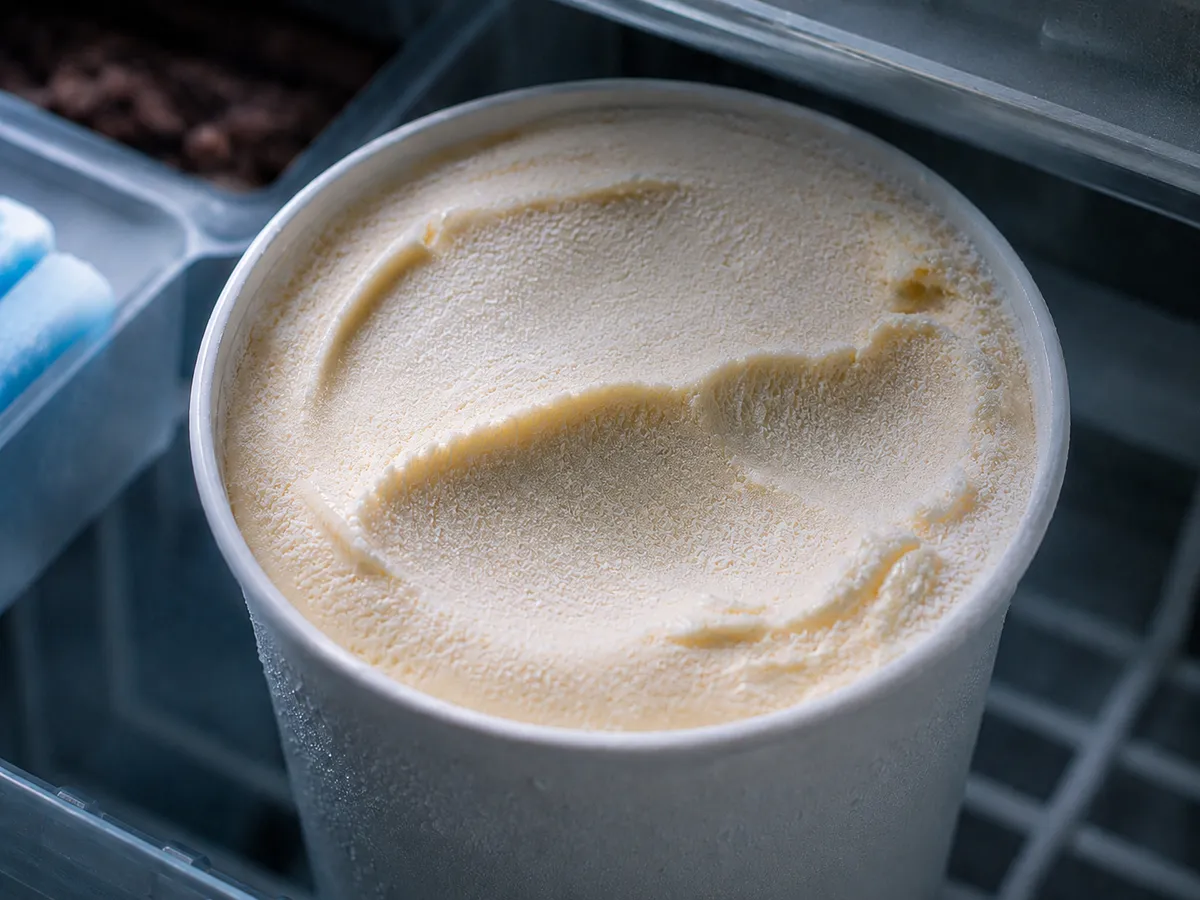
- Slight frost may appear on the very top layer
- Texture remains mostly creamy but slightly firmer
- Flavor is intact with minor dulling at the edges
- No off-odors when lid is removed
- Scrape off surface frost and scoop normally
- Use in milkshakes or blended drinks where texture matters less
- Reseal tightly and consume within the next few weeks
Month 2–3 (Freezer Wear)
2–3 months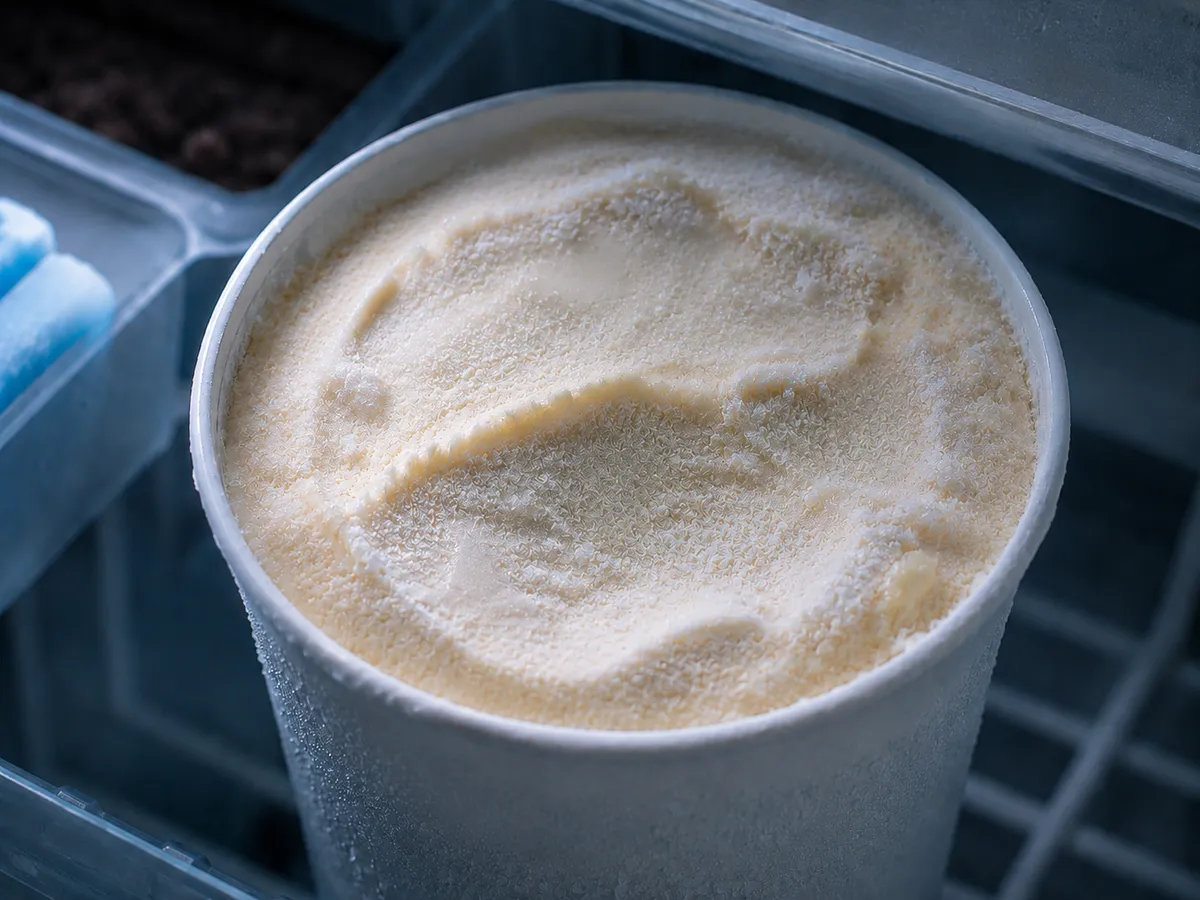
- Noticeable ice crystal layer on the surface and sides
- Texture is grainy or icy rather than creamy
- Flavor is muted or slightly stale
- Possible color change or slight grayish tinge on exposed areas
- Blend into a milkshake to mask grainy texture
- Fold into brownie batter or ice-cream cake
- Eat as-is if texture doesn't bother you
- Discard if flavor is unpleasant
Month 4–6 (Past Prime)
4–6 months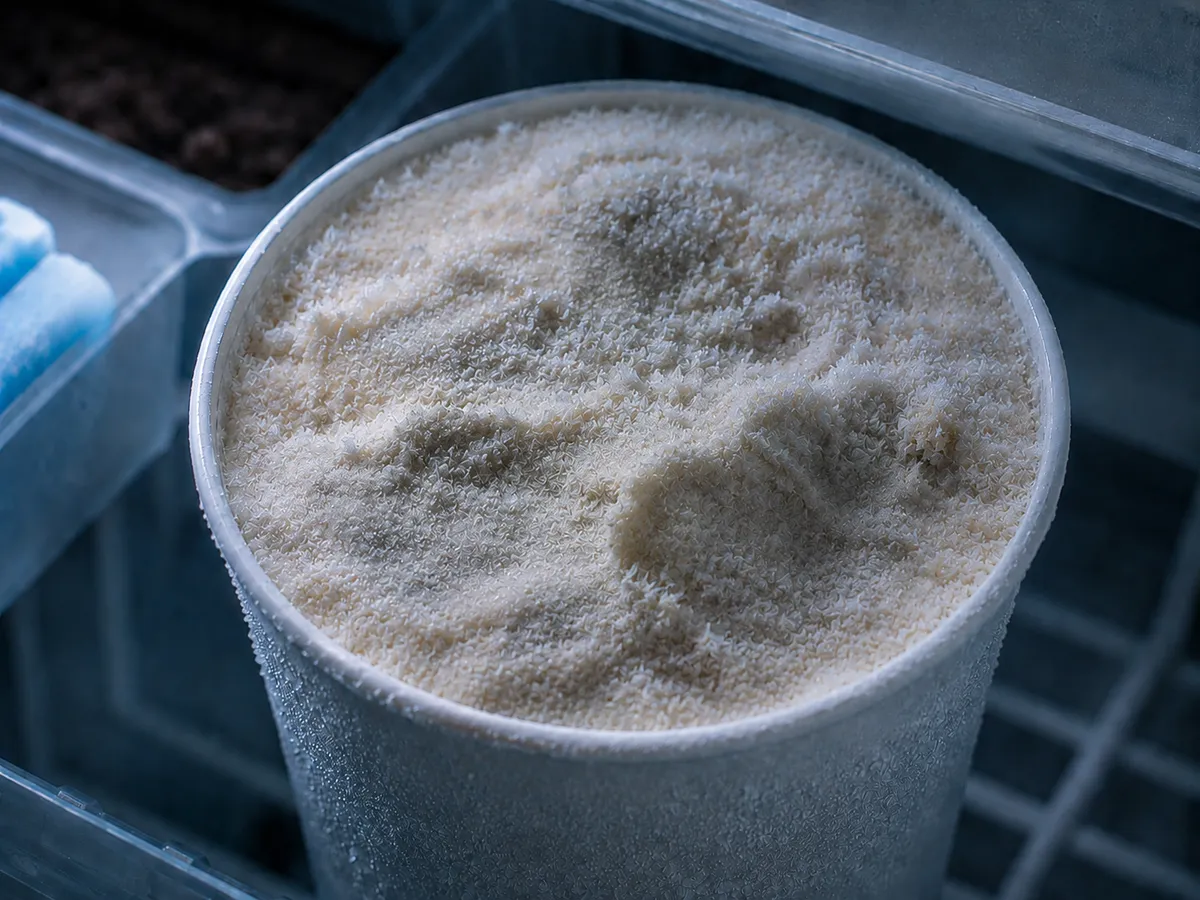
- Heavy ice crystal crust — surface looks like packed snow
- Flavor is flat, waxy, or faintly rancid from fat oxidation
- Texture is icy and coarse throughout, not just on top
- May have absorbed freezer odors from other foods
- Taste a small amount — if flavor is off, discard
- Toss and replace with a fresh container
Month 7 (Toss It)
7+ months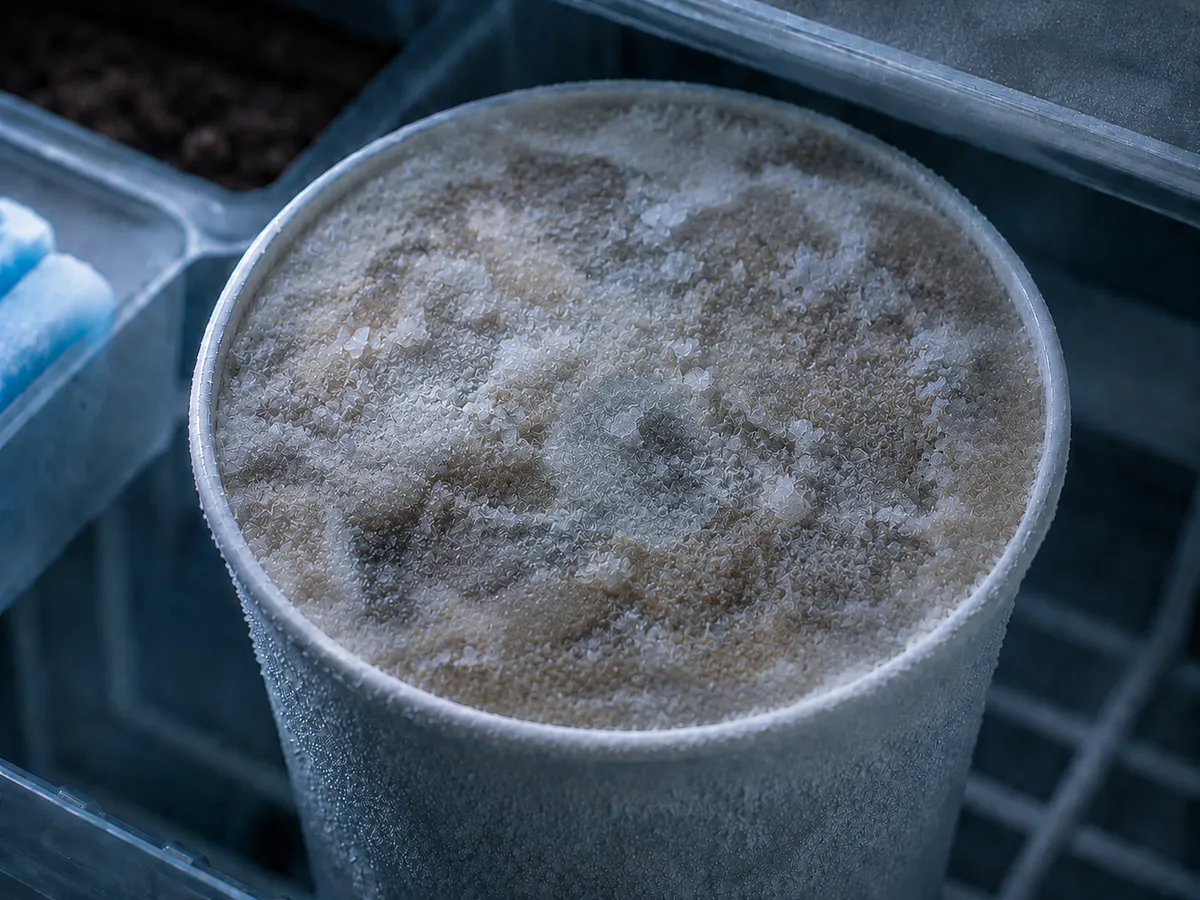
- Solid block of ice with barely recognizable ice-cream underneath
- Strong off-odor — rancid, freezer-burned, or chemical smell
- Color is significantly altered — gray, brown, or bleached
- Texture is indistinguishable from flavored ice
- Toss — do not eat
- Discard the container and restock
Common questions
Is freezer-burned ice-cream safe to eat?
Yes, freezer burn is a quality issue, not a safety one. The ice crystals and off-flavors come from moisture loss and fat oxidation — neither is harmful. Sage's Verdict: safe to eat, but rarely worth it past the caution stage.
Why does my ice-cream get icy after I open it?
Every time you open the container, warm air enters and melts a thin layer of ice-cream. When you refreeze it, that melted layer refreezes as coarse ice crystals rather than the original smooth emulsion. Pressing plastic wrap directly onto the surface before replacing the lid slows this significantly.
Does ice-cream ever actually expire in a safety sense?
Rarely. Commercially produced ice-cream is pasteurized and stored below freezing, which prevents pathogen growth. The main risk would be if the product partially thawed and was refrozen multiple times, which can degrade quality and, in theory, allow brief bacterial activity during the thaw window. When in doubt, check for off-odors.
How do I store ice-cream to minimize freezer burn?
Keep the freezer at 0°F (-18°C) or below. Press a layer of plastic wrap directly onto the ice-cream surface before sealing the lid. Store the tub toward the back of the freezer where temperature is most stable, not in the door.
Can I refreeze ice-cream that has melted?
Partially melted ice-cream (still cold and slushy) can be refrozen, but the texture will be noticeably icier and grainier. Fully melted ice-cream that has been at room temperature for more than 2 hours should be discarded — the emulsion has broken and bacterial risk increases.
Does homemade ice-cream last as long as store-bought?
No. Homemade ice-cream lacks the stabilizers and emulsifiers in commercial products, so it develops ice crystals faster. Plan to eat homemade ice-cream within 2–4 weeks for best texture and flavor.

Ice-cream won't hurt you past its prime, but freezer burn is a flavor thief. Seal it tight, eat it within 2–3 months, and you'll never meet the icy gray slab at the bottom of a forgotten tub.