
How to Tell If Pickles Have Gone Bad
Smell, texture, and brine clarity are your best clues
Opened pickles last 1–3 months refrigerated; unrefrigerated jars go bad much faster.
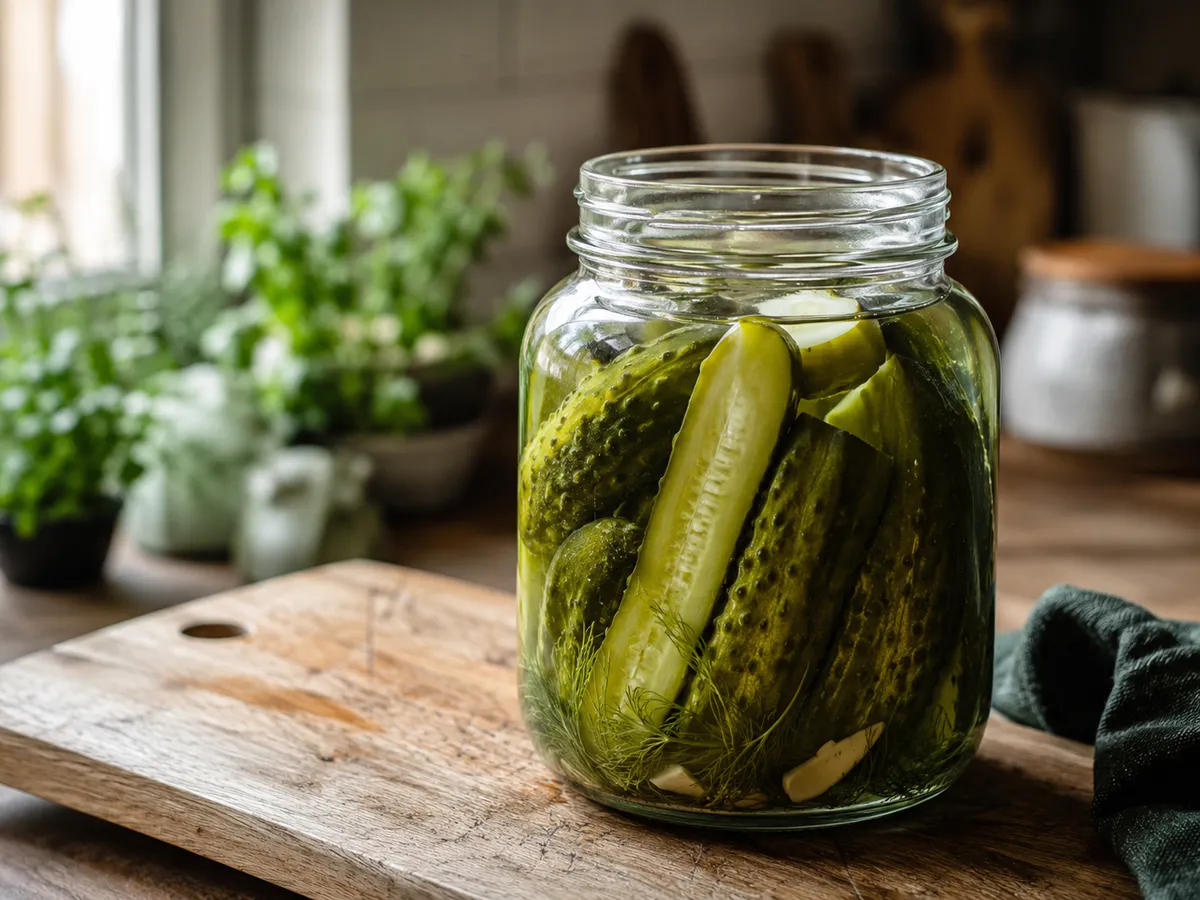
Pickles are one of the pantry's great survivors — brined, acidic, and built to last. But even pickles have a shelf life, and once a jar is opened and left on the counter, the clock ticks faster than most people expect. Knowing how to tell if pickles have gone bad comes down to three things: the brine, the smell, and the texture. This guide walks through every stage from a freshly cracked jar to a jar you should absolutely toss, so you never have to guess whether those spears are still worth eating.
Heads up: shelf-life ranges are estimates based on home storage. We make no guarantee of accuracy. When unsure, throw it out.
The full timeline
Week 1 (Freshly Opened)
1–7 days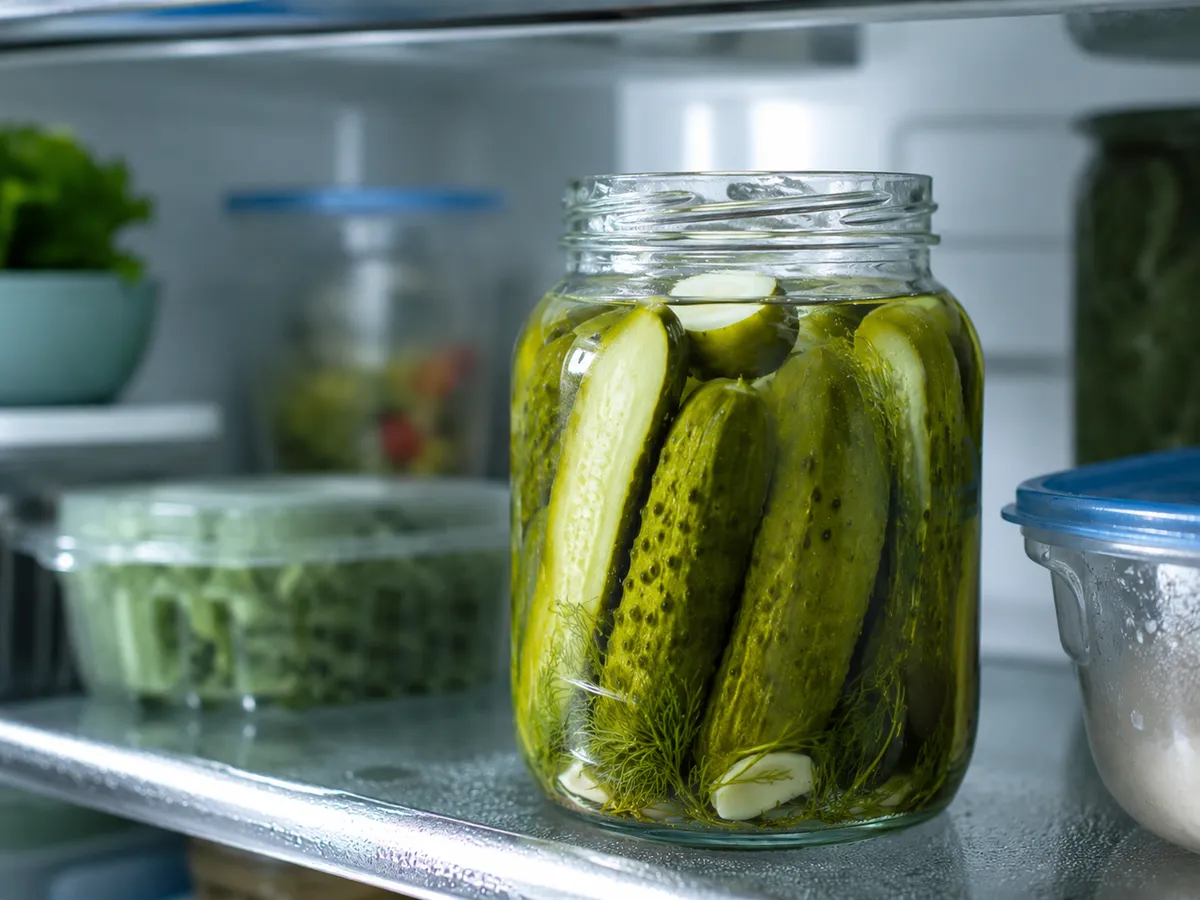
- Brine is clear or slightly cloudy from natural fermentation
- Pickles are firm and snap cleanly when bitten
- Smell is sharp, vinegary, and clean
- Jar lid seals properly with no bulging
- Eat straight from the jar
- Add to sandwiches, burgers, or charcuterie boards
- Keep refrigerated after opening
Week 2–6 (Still Good)
2–6 weeks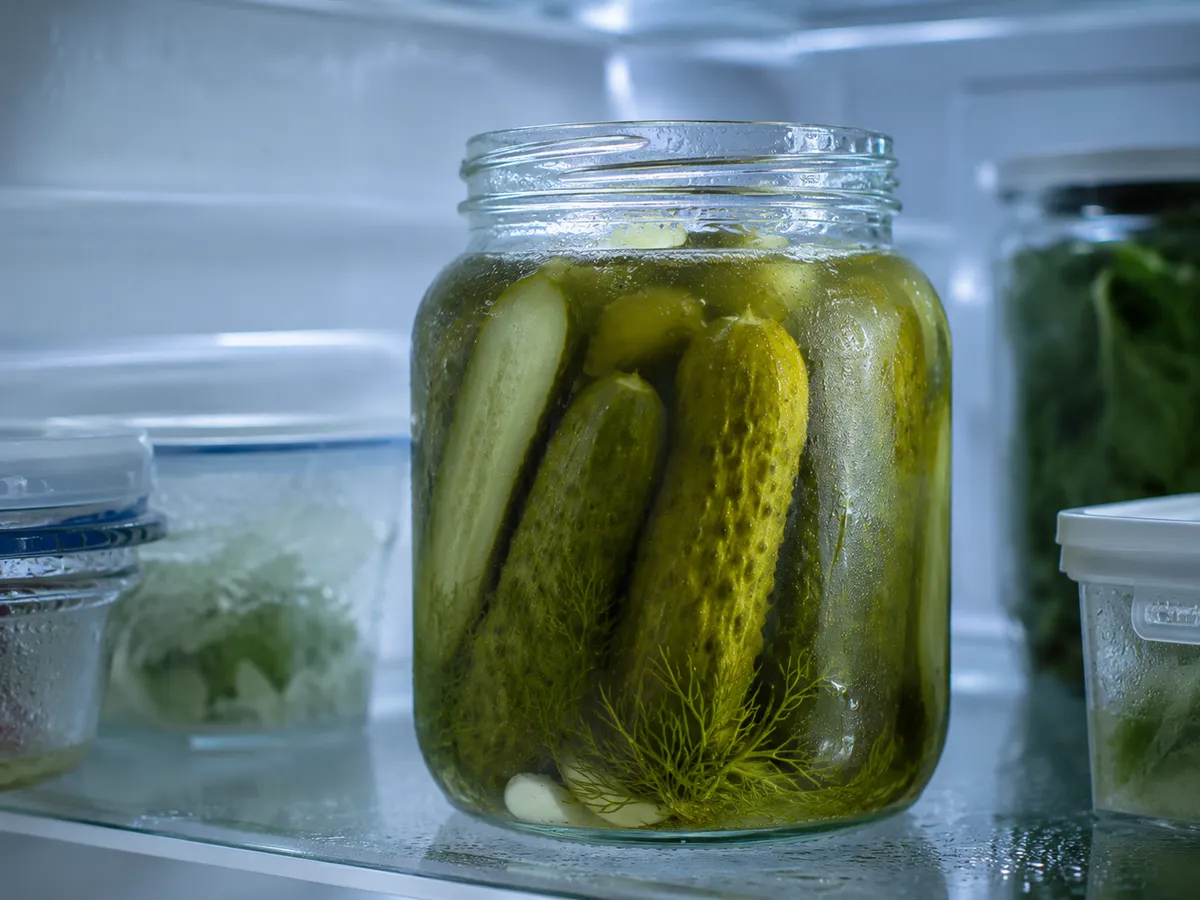
- Brine may be slightly more cloudy but not murky or discolored
- Pickles remain firm with minimal softening at the edges
- Vinegar smell is present and normal
- No unusual odors or surface film on the brine
- Continue eating as normal
- Use brine in salad dressings or marinades
- Keep jar tightly sealed and refrigerated
Week 7–12 (Watch Closely)
7–12 weeks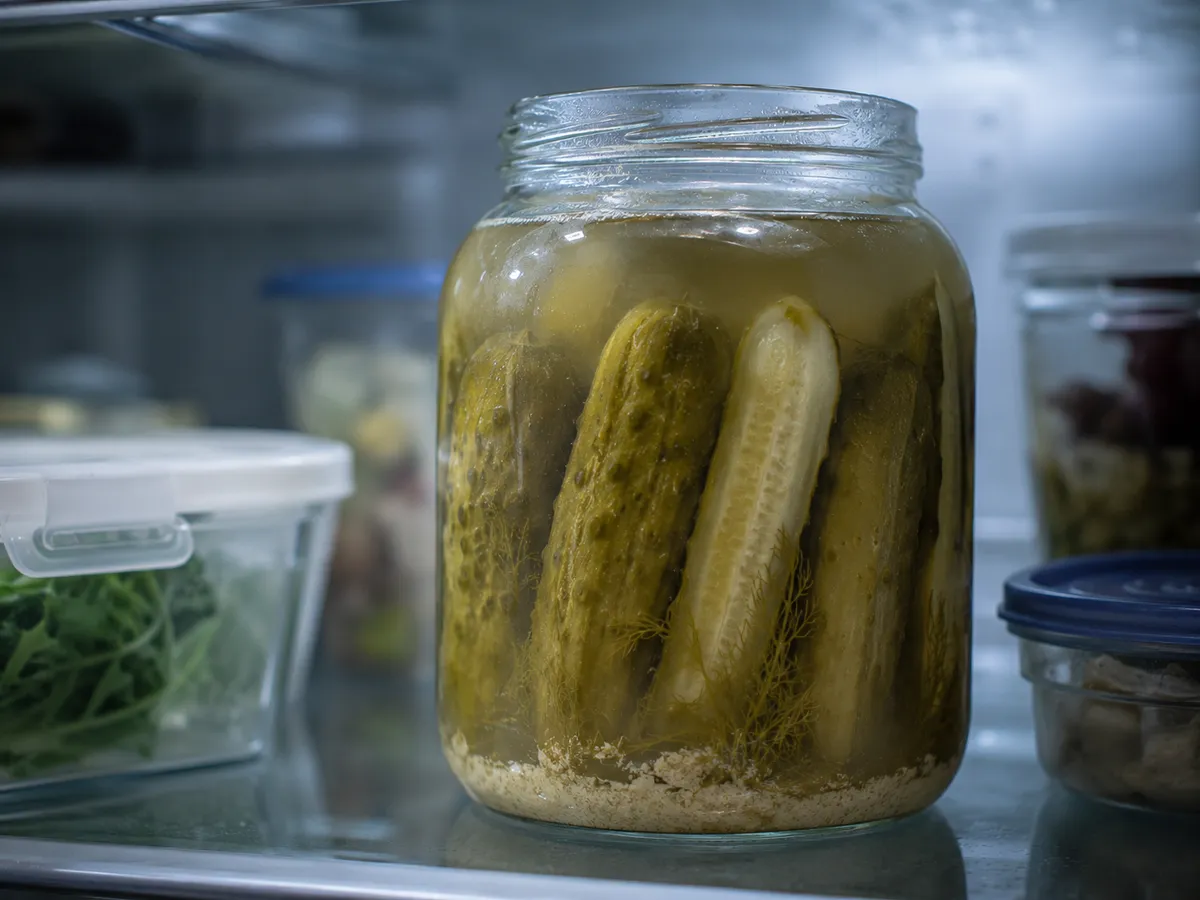
- Brine is noticeably murky or has a yellowish tint
- Pickles feel softer and may have a mushy bite
- Smell is still vinegary but with a slightly off or fermented edge
- Possible thin white film or sediment at the bottom of the jar
- Taste a small piece — discard if flavor is off
- Use in cooked dishes where texture matters less
- Discard if smell is unpleasant or brine is very murky
Week 13–16 (Past Prime)
13–16 weeks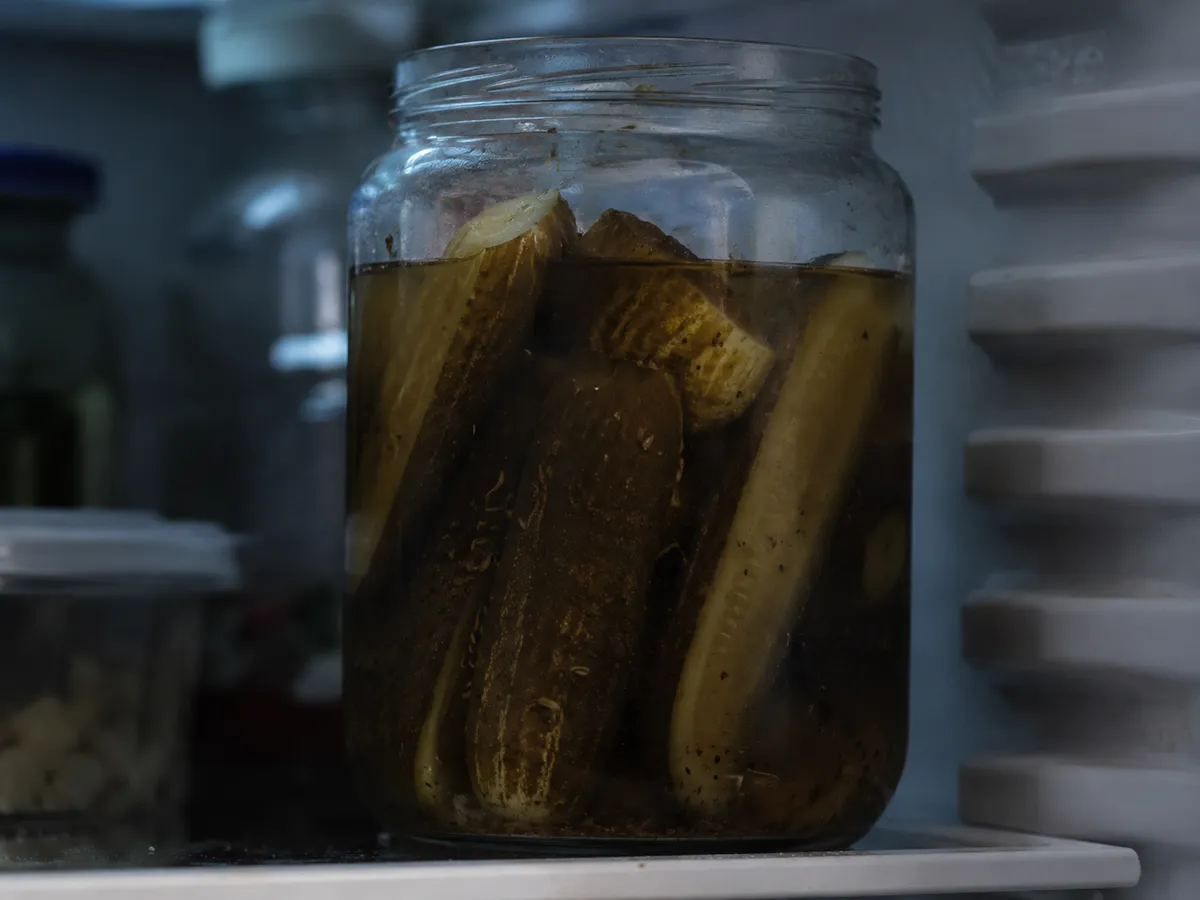
- Brine is dark, very murky, or has visible floating particles
- Pickles are noticeably soft and may be slimy on the surface
- Smell is sour beyond normal vinegar — sharp or unpleasant
- Color has faded to dull olive or brownish green
- Discard if any sliminess is present
- Discard if smell is foul rather than tangy
- Do not taste-test a slimy pickle
Week 17 (Toss It)
17+ weeks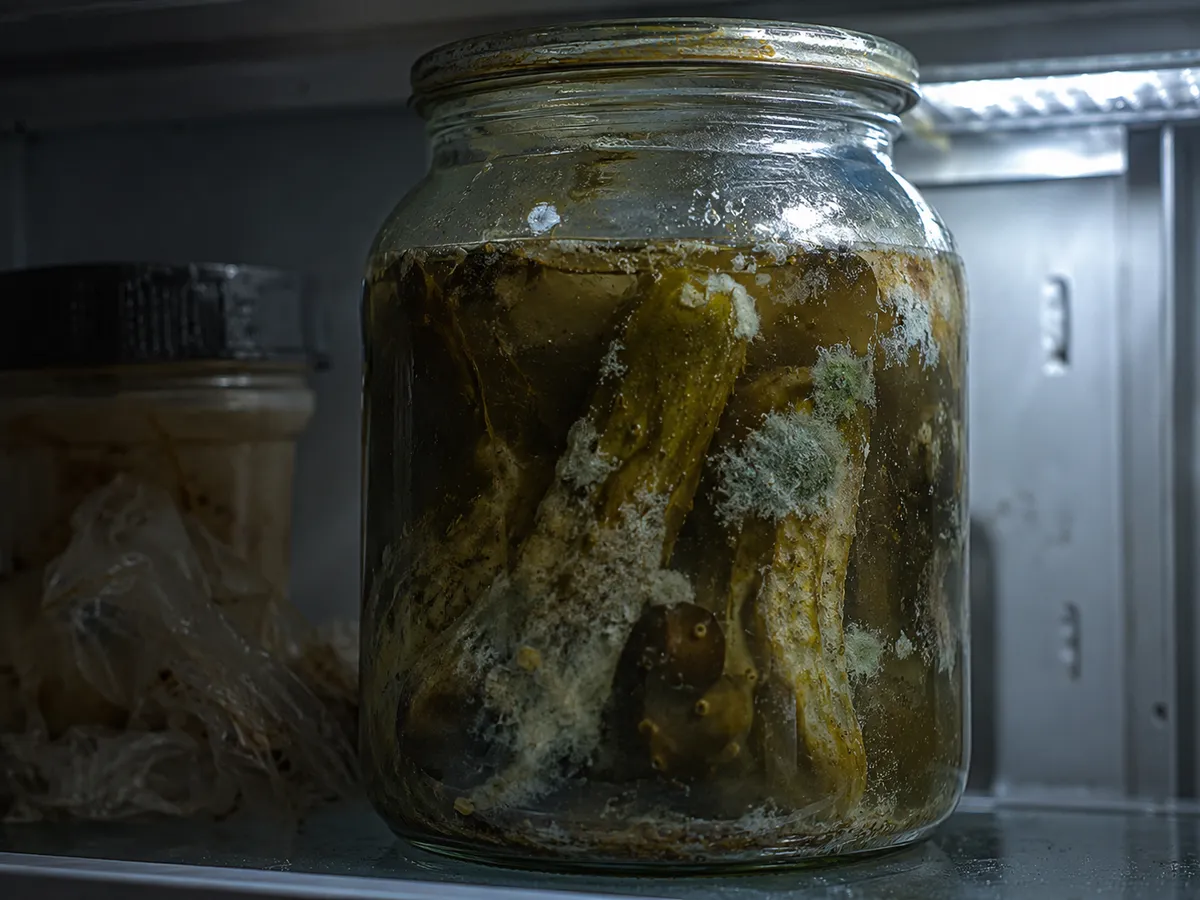
- Visible mold on pickles or inside the jar lid
- Brine is opaque, discolored, or has a foul non-vinegar odor
- Jar lid is bulging or hisses when opened
- Pickles are completely mushy or disintegrating
- Toss the entire jar
- Do not taste-test
- Discard lid and jar contents together
Common questions
Do pickles need to be refrigerated after opening?
Yes. Once opened, pickles should be refrigerated. The vinegar brine slows spoilage, but at room temperature an opened jar can go bad within days to a couple of weeks. Sage's Verdict: refrigerator storage is the only way to reach that 1–3 month window.
Is cloudy pickle brine a sign of spoilage?
Not always. Fermented pickles (like naturally brined dill pickles) develop cloudy brine from lactic acid bacteria — that's normal. Cloudiness combined with a foul smell, sliminess, or mold is the real warning sign.
Can you eat pickles past the best-by date?
Best-by dates on sealed jars are quality markers, not safety cutoffs. An unopened jar stored properly can be fine well past that date. Once opened, use the 1–3 month refrigerated guideline and rely on sensory checks over the printed date.
What does a bad pickle smell like?
A good pickle smells sharp and vinegary. A bad pickle smells foul, rotten, or yeasty in an unpleasant way — distinctly different from the normal sour tang. If you wrinkle your nose and it's not from the vinegar, trust that reaction.
Why is my pickle jar lid bulging?
A bulging lid means gas has built up inside, usually from microbial activity. This is a discard signal — do not open the jar near your face, and do not eat the contents. Sage's Verdict: bulging lids mean toss without tasting.
Can you freeze pickles to extend their shelf life?
Technically yes, but the texture suffers significantly — frozen pickles turn mushy once thawed. Freezing is rarely worth it given that refrigerated pickles already last 1–3 months after opening.

Pickles are tough, but they're not immortal. Keep them cold, keep the lid tight, and let the brine, smell, and crunch be your guide.