
How Long Does Flour Last in the Pantry?
How to identify fresh vs. spoiled flour
Flour typically lasts 6–8 months in the pantry when stored in a cool, dry place.
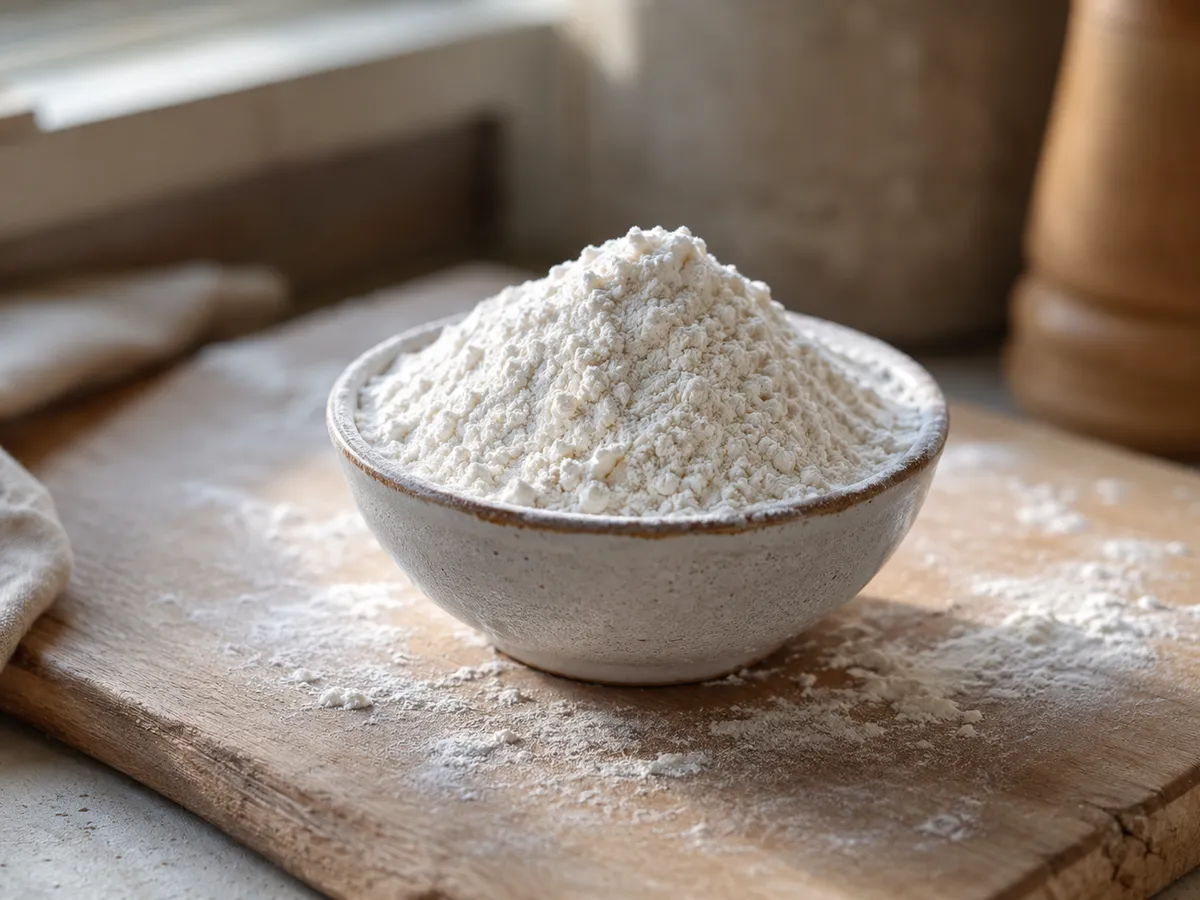
Flour is a reliable pantry staple, but its shelf life depends heavily on how it is stored and whether it is refined or whole-grain. When kept in a sealed container in a cool, dry environment, most white flours remain usable for 6–8 months. However, whole-grain varieties contain natural oils that can go rancid much faster than highly processed flour. Spoilage in flour rarely looks like fuzzy mold; instead, it usually presents as an off-smell, clumping from moisture, or the presence of pantry pests. Use this guide to distinguish between flour that is perfectly fine for your next bake and flour that has lost its quality or safety.
Heads up: shelf-life ranges are estimates based on home storage. We make no guarantee of accuracy. When unsure, throw it out.
The full timeline
Day 1 (Fresh Fine)
fresh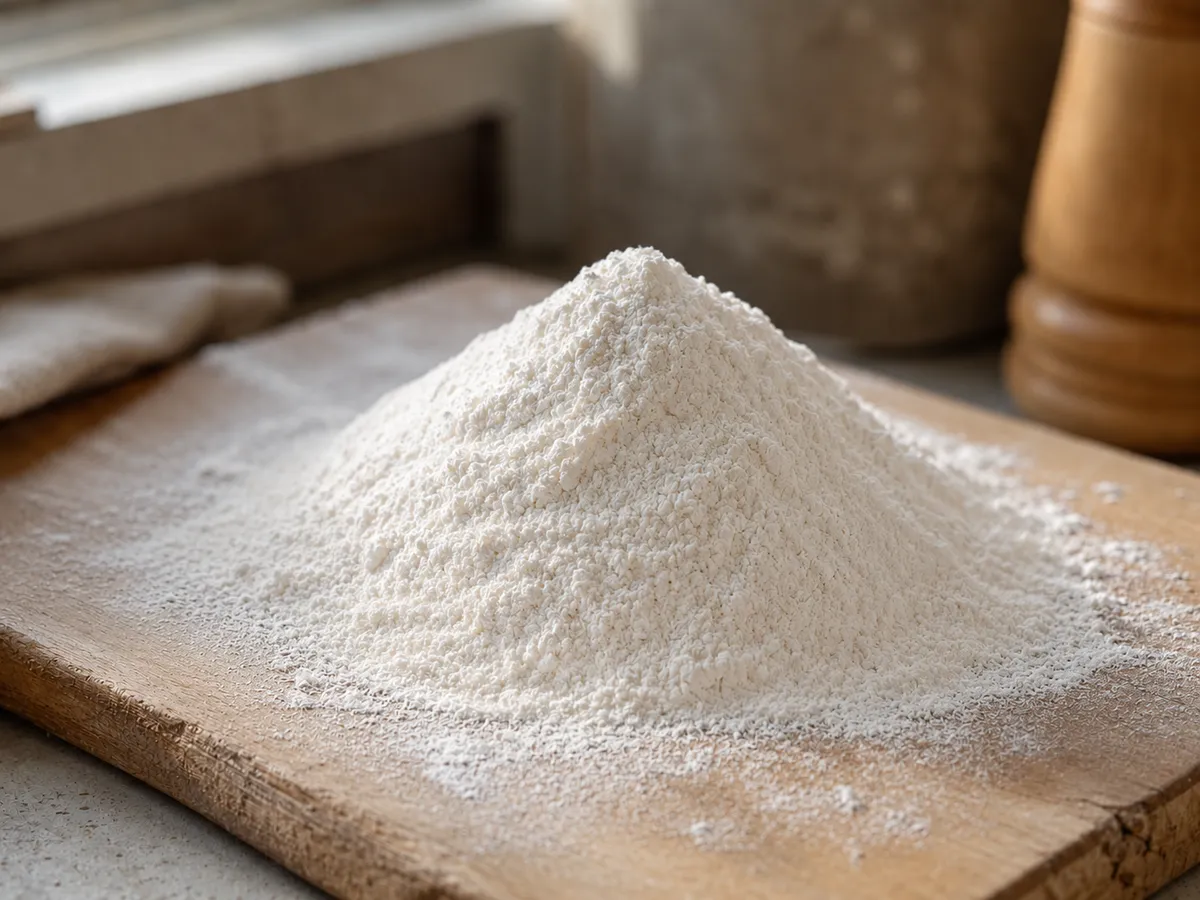
- Bright white or creamy color
- Dry, fine powder texture
- Loose and free-flowing
- No clumps or visible spots
- Use for baking
- Store in an airtight container
Month 3 (Still Stable)
1–3 months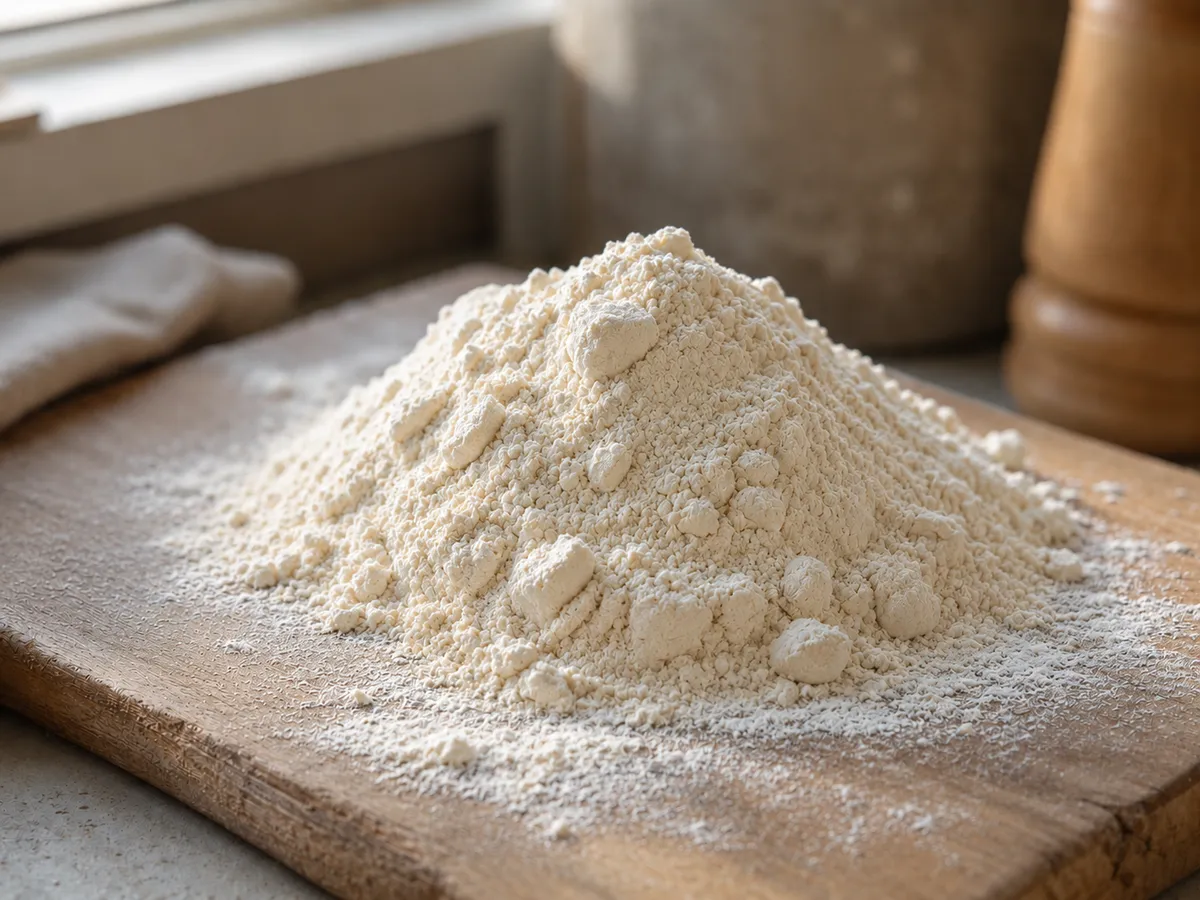
- Unchanged appearance
- Consistent flow when poured
- Neutral scent
- No signs of pests
- Continue using for baking
- Keep in a sealed container
Month 6 (Past Prime)
6 months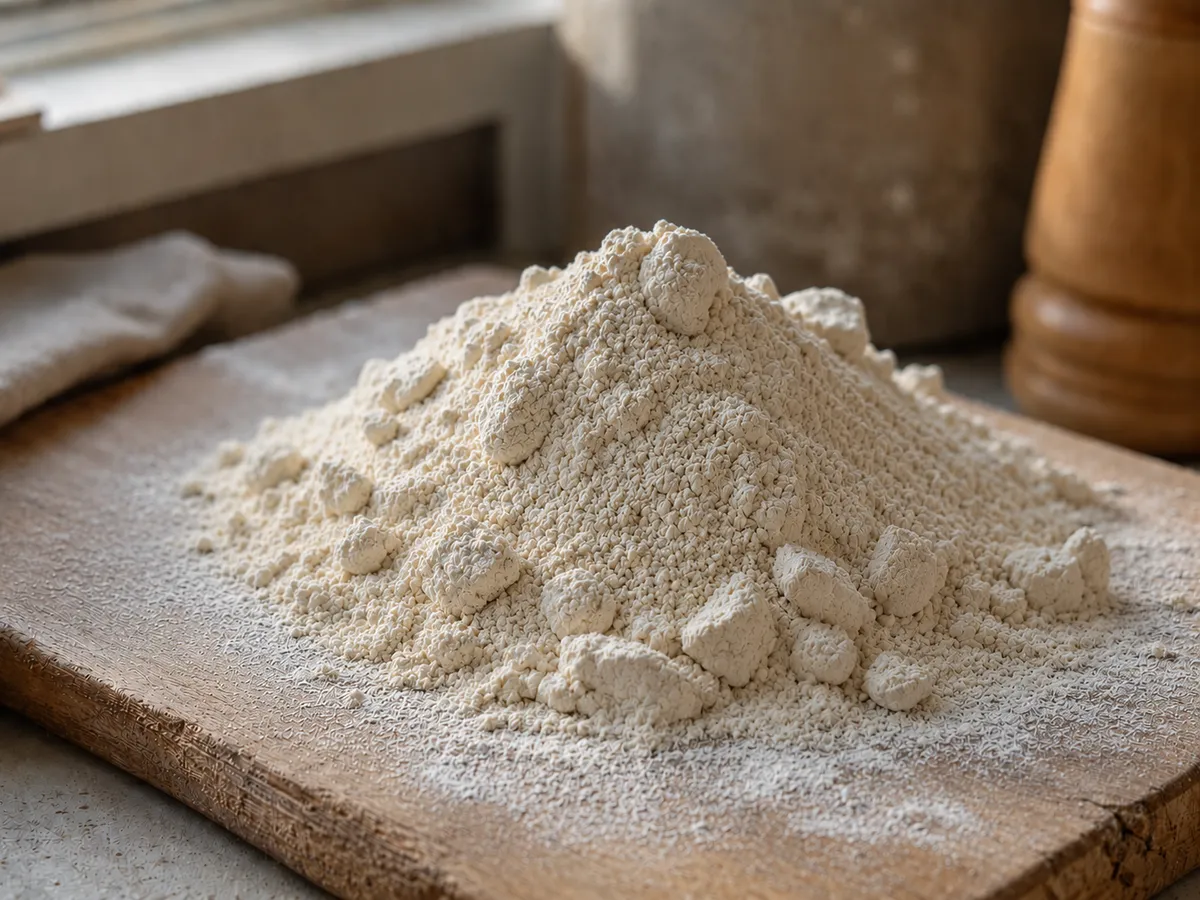
- Slightly duller color
- Faint cardboard or stale scent
- Small clumps from humidity
- Texture feels less airy
- Use promptly for baking
- Discard if smell is unpleasant
Month 8 (Off Notes)
6–8 months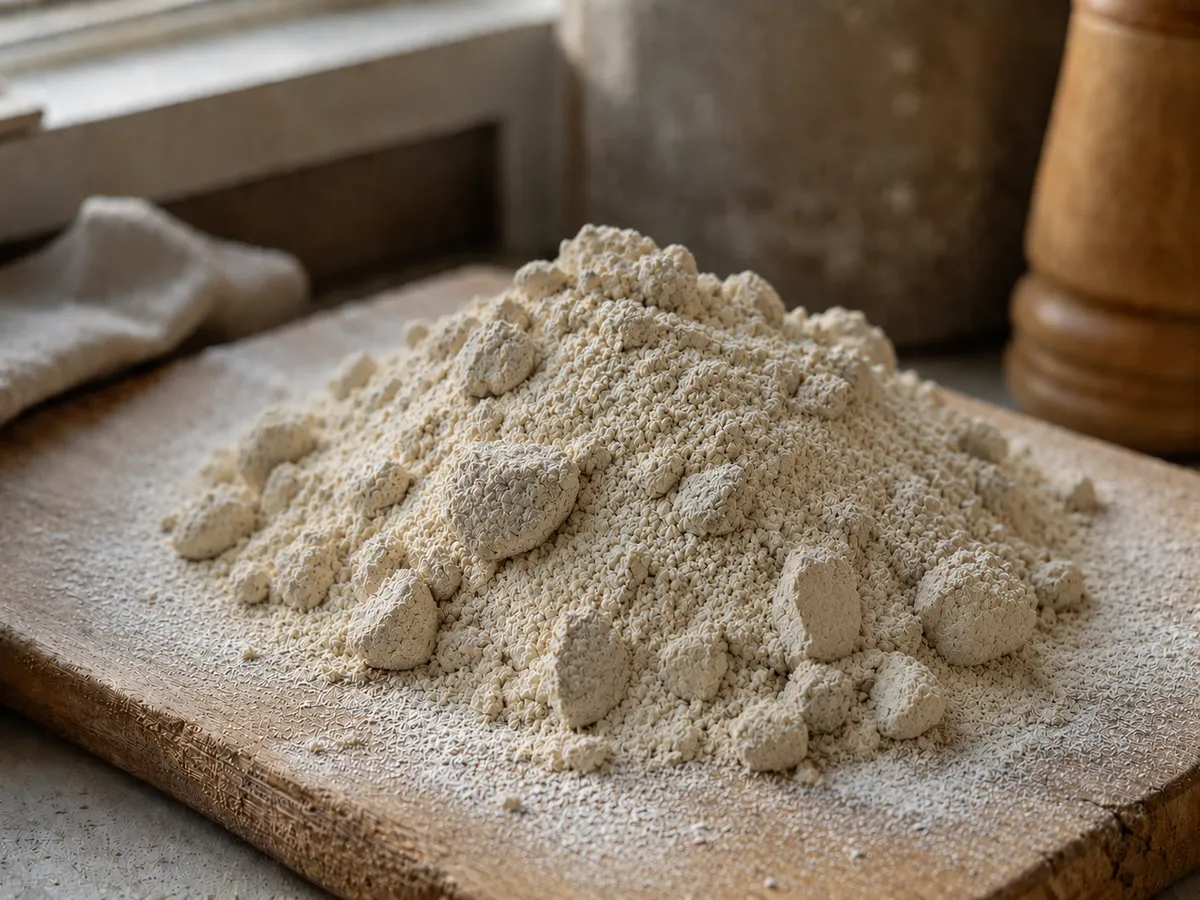
- Rancid, musty, or paint-like odor
- Yellowing or dark specks
- Noticeable clumping
- Grainy residue
- Discard immediately
Month 9 (Toss It)
beyond 8 months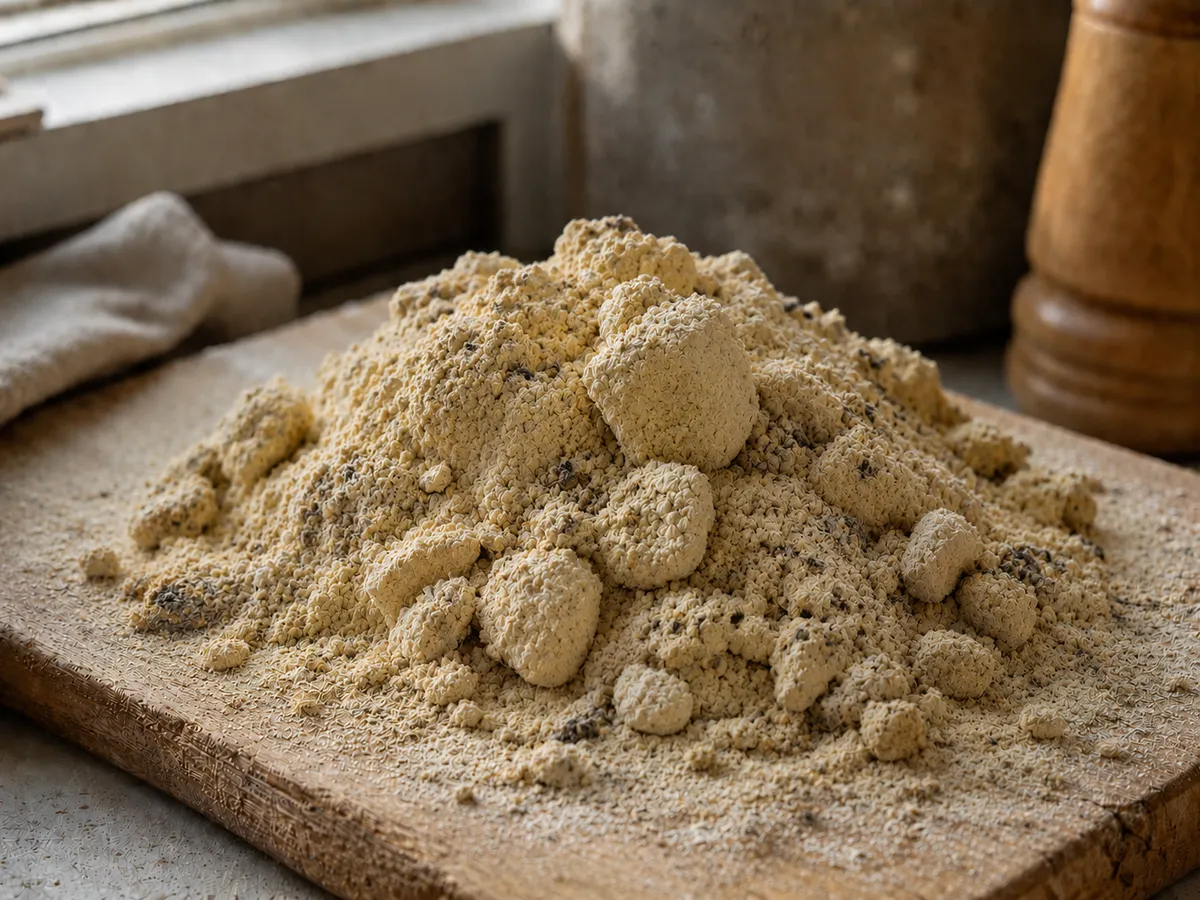
- Strong, unpleasant odor
- Visible mold or webbing
- Presence of bugs or larvae
- Wet patches or hard crusts
- Toss in the trash
Common questions
How long does flour last in the pantry?
Flour generally stays fresh for 6–8 months in a cool, dry pantry. While it may not become unsafe immediately after this window, its flavor and baking performance often decline due to oxidation.
How can I tell if flour has gone bad?
Look for physical changes like clumps or dark specks, and check for signs of pests. Most importantly, smell it; a rancid, musty, or paint-like odor is a clear sign that the flour should be discarded.
Should I store flour in the freezer or refrigerator?
Freezing or refrigerating can extend the life of flour, particularly whole-grain varieties which have higher oil content. If you choose to freeze it, ensure it is in an airtight container and let it reach room temperature before using.
Is the 'best by' date on flour a safety deadline?
The date on the bag is typically a quality indicator rather than a strict expiration. You can often use flour slightly past this date if it has been stored properly and shows no signs of spoilage.

Flour is stable until it isn't. As long as it remains dry, free-flowing, and smells neutral, it should be fine within the 6–8 month window.