
How to Store Dry Pasta for the Freezer
How to Store Dry Pasta in the Freezer
Dry pasta keeps about 2 years in the freezer when sealed well.
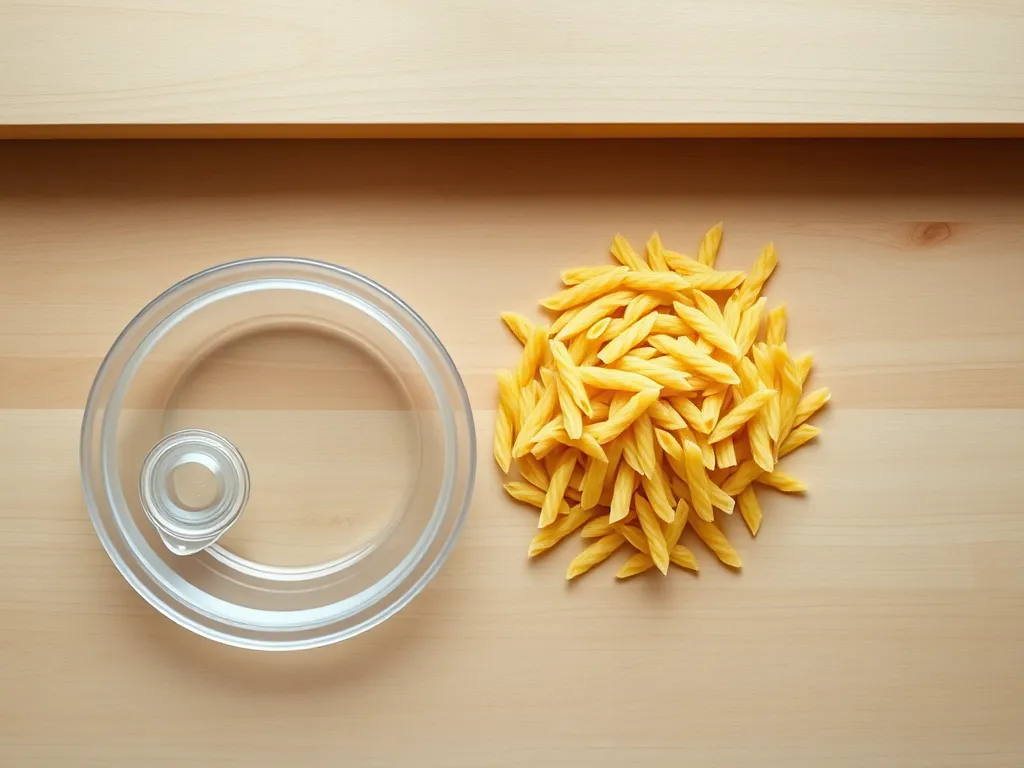
Dry pasta is built for long storage, and its biggest enemy is moisture. In a freezer, it can stay usable for about 2 years if it is packed airtight and protected from condensation, odors, and freezer burn. The texture may not change much while frozen, but any dampness can lead to clumping or quality loss once it warms up. This guide explains the visual cues to watch for, how the storage timeline progresses, and when dry pasta should be tossed instead of saved. For the cleanest results, keep it sealed tightly and avoid repeated temperature swings.
Heads up: shelf-life ranges are estimates based on home storage. We make no guarantee of accuracy. When unsure, throw it out.
The full timeline
Day 1 (Peak Dry)
fresh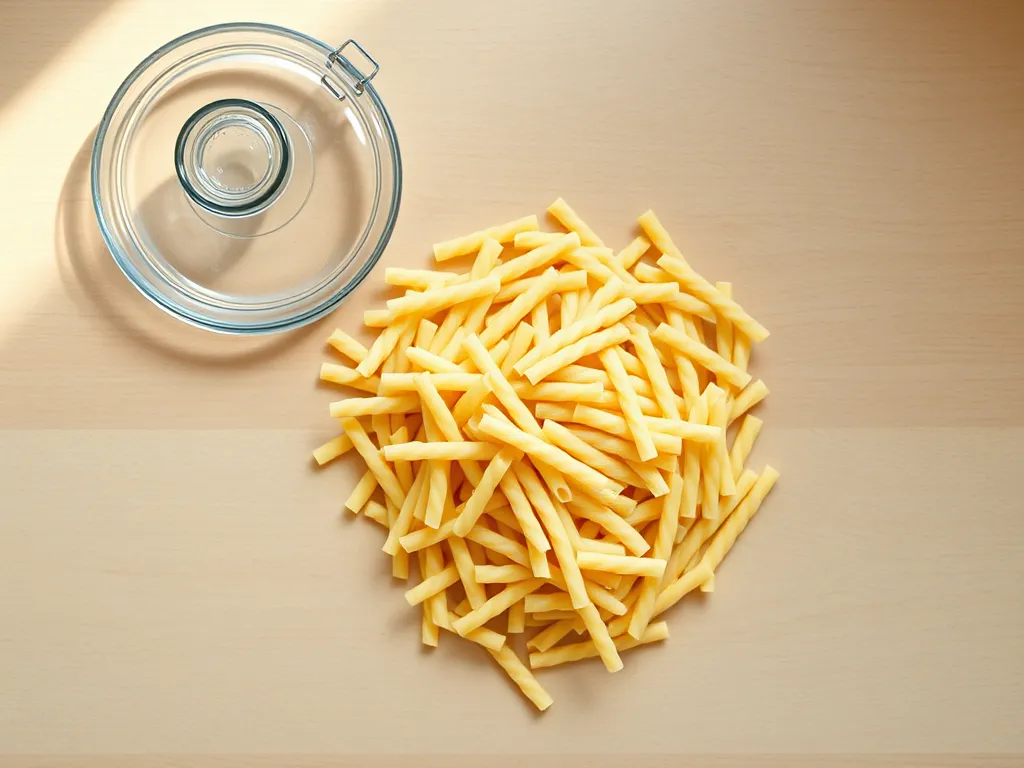
- Strands appear firm and straight
- Color is even and pale gold
- No visible dust, dampness, or clumps
- Store in airtight containers
- Keep away from high-moisture foods
Day 30 (Quality Holding)
1 month
- Remains dry and separate
- No visible color shifts
- Packaging remains intact and sealed
- Maintain airtight seal
- Use older stock first
Day 180 (Storage Drift)
6 months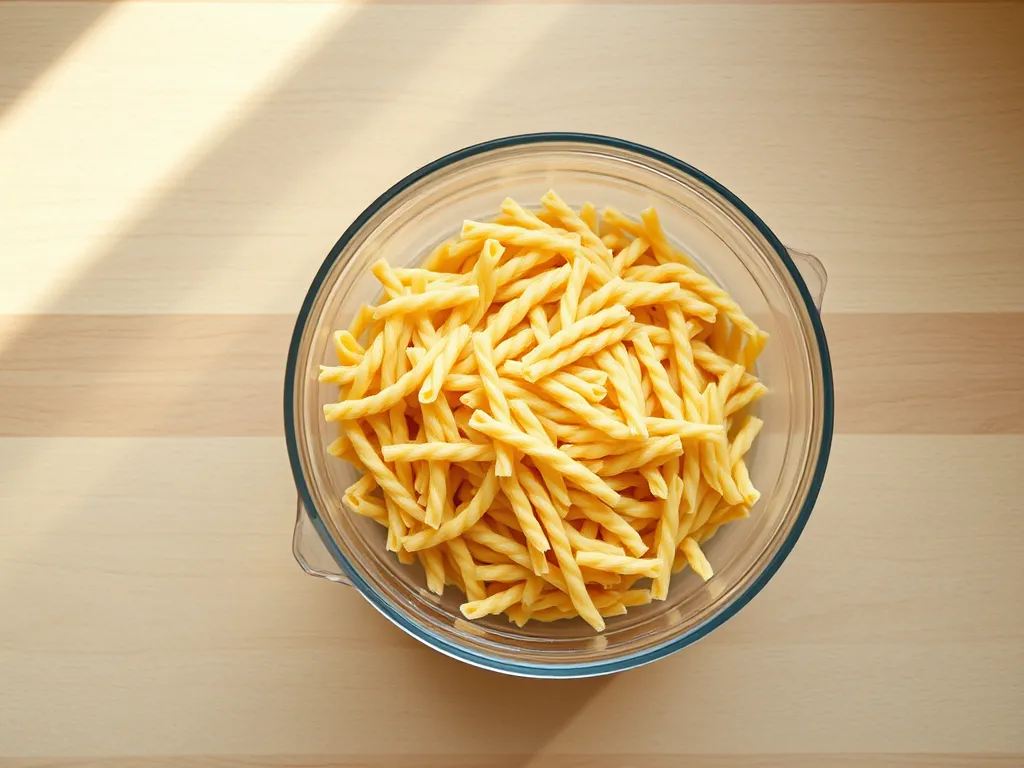
- Slight dullness in color
- Possible tiny surface cracks
- May absorb faint odors if not well-sealed
- Check for clumping
- Discard if any dampness is detected
Day 365 (Freezer Protected)
1 year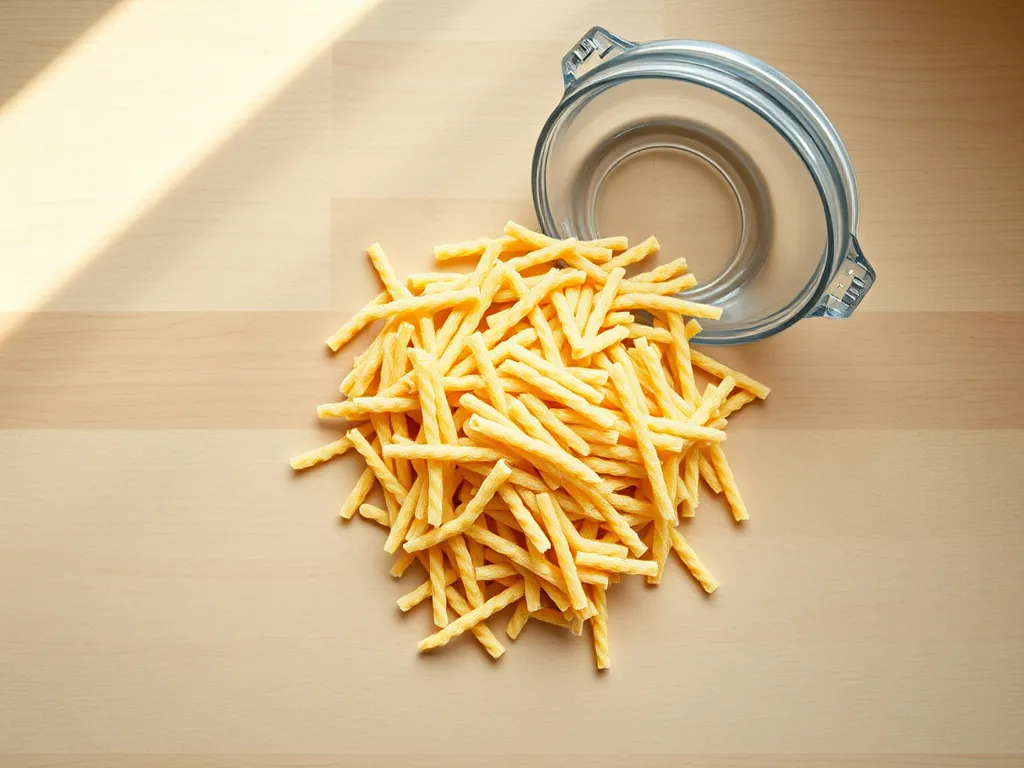
- Texture may appear tougher
- Some pieces may bend or break slightly
- Presence of frost crystals on packaging
- Use within a few weeks
- Ensure container is tightly closed
Day 730 (Toss It)
2 years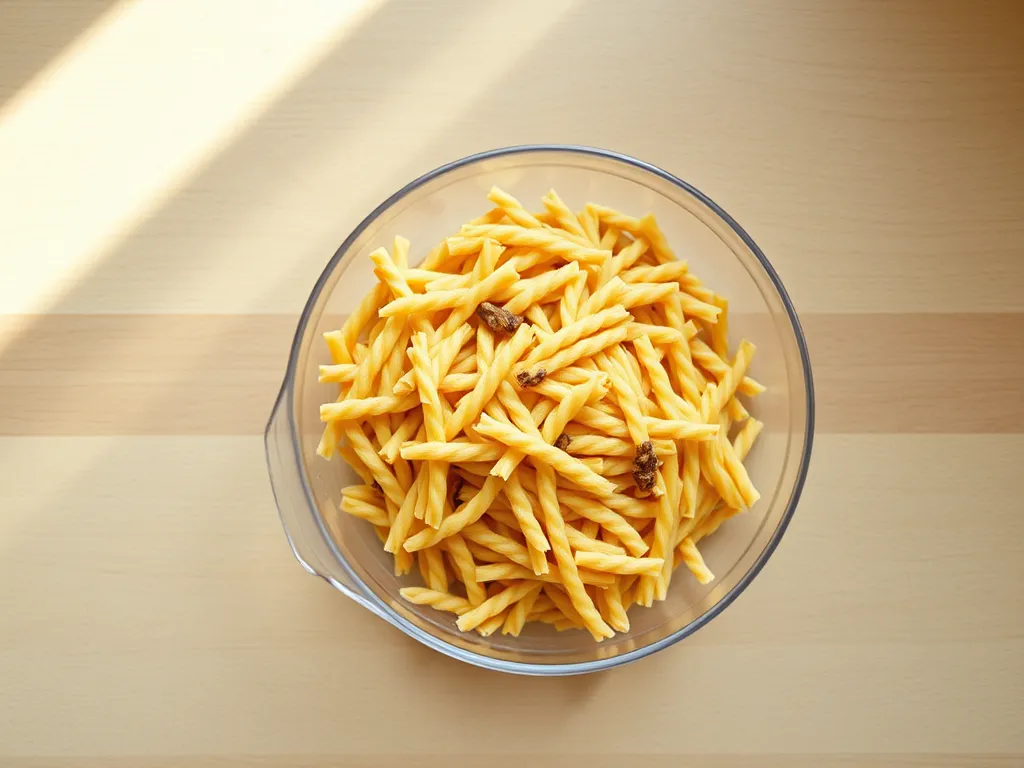
- Visible moisture damage or clumping
- Softening of the pasta structure
- Off-smells or visible mold
- Discard immediately
- Do not consume
Common questions
Can dry pasta be frozen before cooking?
Yes. Dry pasta can be frozen as-is if it is kept in an airtight, moisture-free environment to prevent freezer burn.
How long does dry pasta stay good in the freezer?
When sealed tightly to prevent moisture ingress and odor absorption, dry pasta remains usable for approximately 2 years in the freezer.
Does dry pasta need to be refrigerated before it is cooked?
No. Dry pasta is shelf-stable and can be stored in a cool, dry pantry. Freezing is only necessary if you require much longer storage than a few months.
What ruins the quality of dry pasta during storage?
The primary culprits are moisture, air leaks, and repeated temperature changes (thawing and refreezing), which can cause clumping or texture loss.
How can I tell if my dry pasta has spoiled?
Look for signs of dampness, clumps, discoloration, mold, or an off-smell. If the pasta feels wet or smells musty, discard it immediately.

Dry pasta likes one thing above all: staying dry. Seal it well, freeze it cleanly, and toss any package that shows moisture damage or spoilage.