
How to Tell if Bread Is Still Good
How to identify freshness, staleness, and spoilage in refrigerated bread
Bread lasts 1–2 weeks refrigerated; toss it if you see mold, slime, or a sour smell.
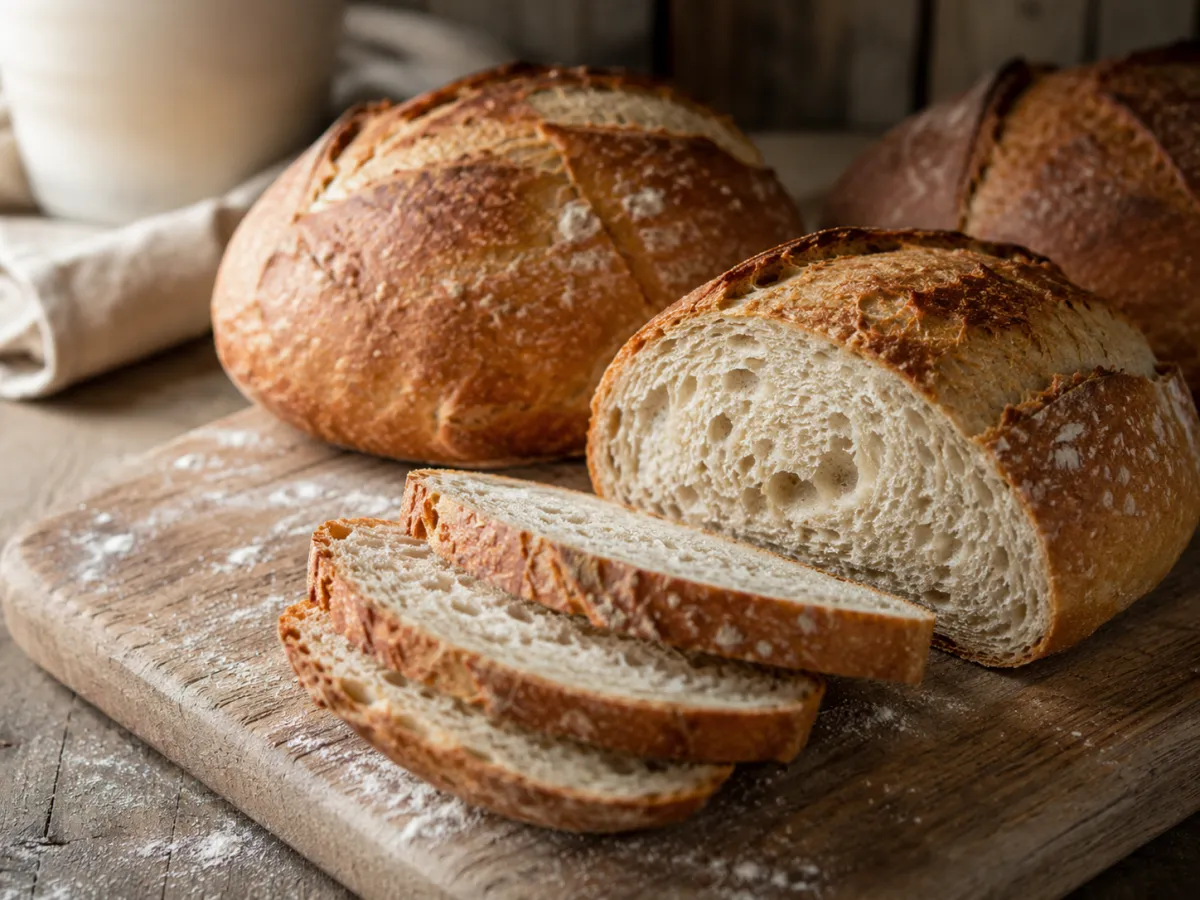
Storing bread in the refrigerator can extend its life by slowing mold growth, but it often changes the texture. While refrigeration helps prevent spoilage, the cold environment typically accelerates staling, causing the crumb to firm up and the crust to become leathery. To determine if your bread is still safe to eat, you must distinguish between staleness—which affects quality—and spoilage, which poses a health risk. Look for visual cues like fuzzy mold spots or discoloration, and sensory signs like a sour or fermented odor. Because bread is porous, mold roots can penetrate deep into the loaf even if they aren't visible on the surface. This guide helps you navigate the window between peak freshness and the point where it must be discarded.
Heads up: shelf-life ranges are estimates based on home storage. We make no guarantee of accuracy. When unsure, throw it out.
The full timeline
Day 1 (Peak Fresh)
1 day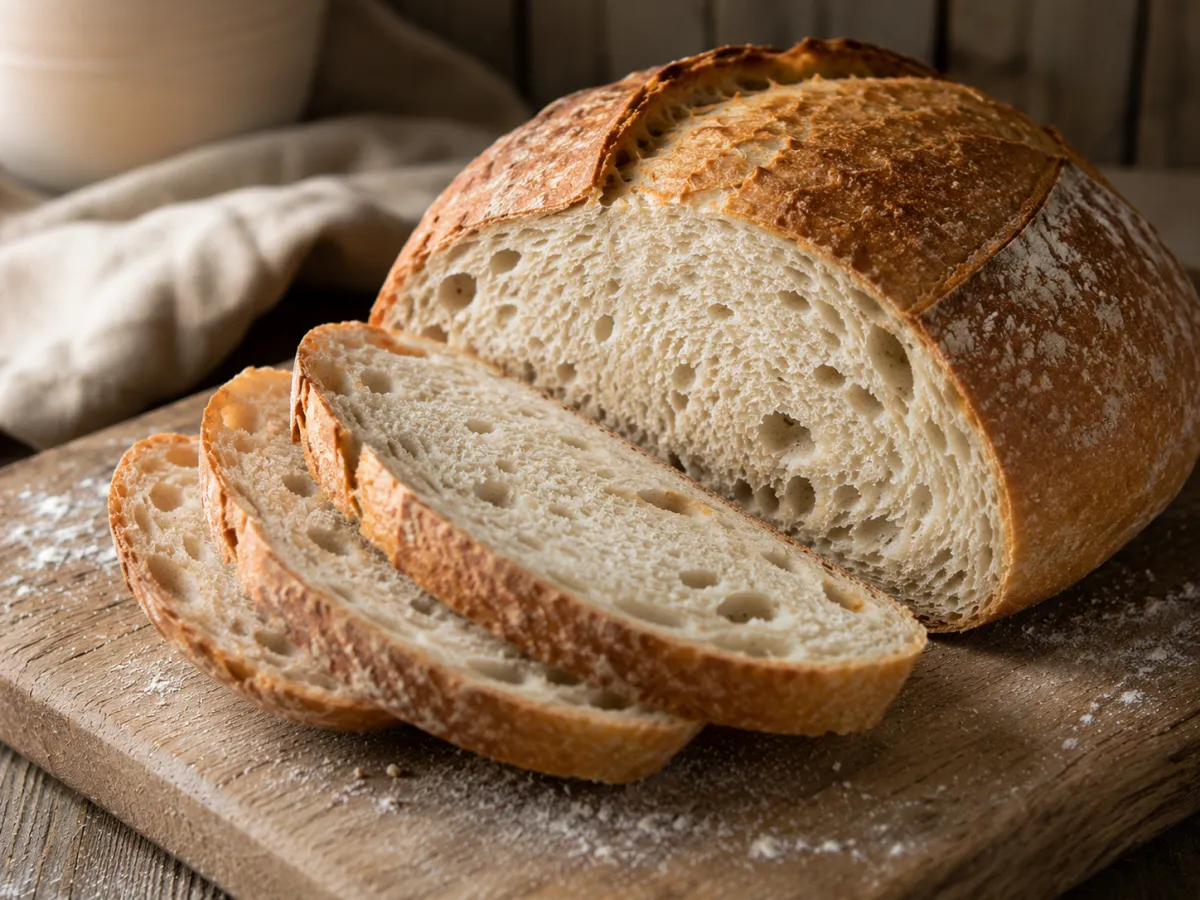
- Soft, springy texture
- Dry, intact crust
- Uniform color without dark spots
- Eat immediately
- Store in refrigerator
- Freeze for later use
Day 4 (Drying Out)
4 days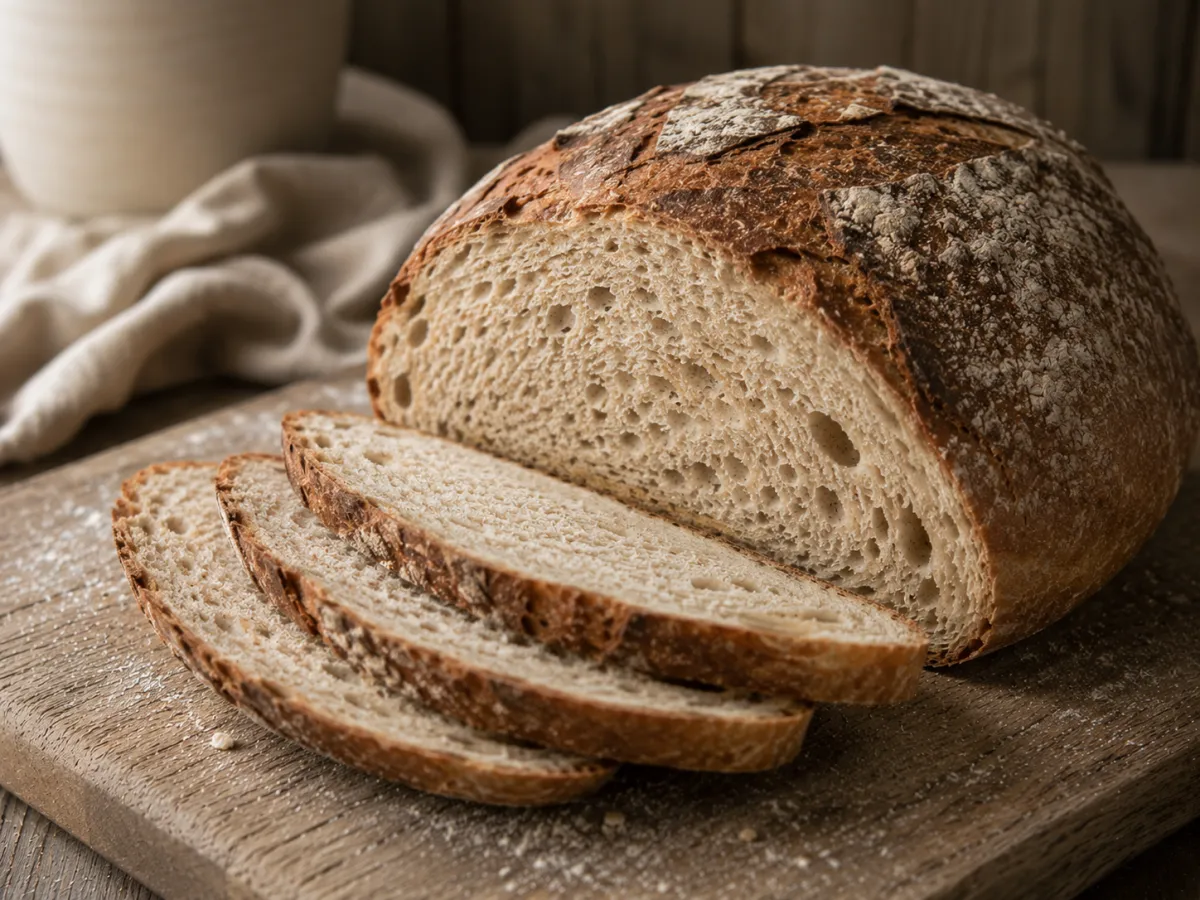
- Firm or slightly tough crumb
- Edges beginning to harden
- Slices feel less plush
- Toast for breakfast
- Use for sandwiches
- Freeze to preserve
Day 7 (Stale But Okay)
1 week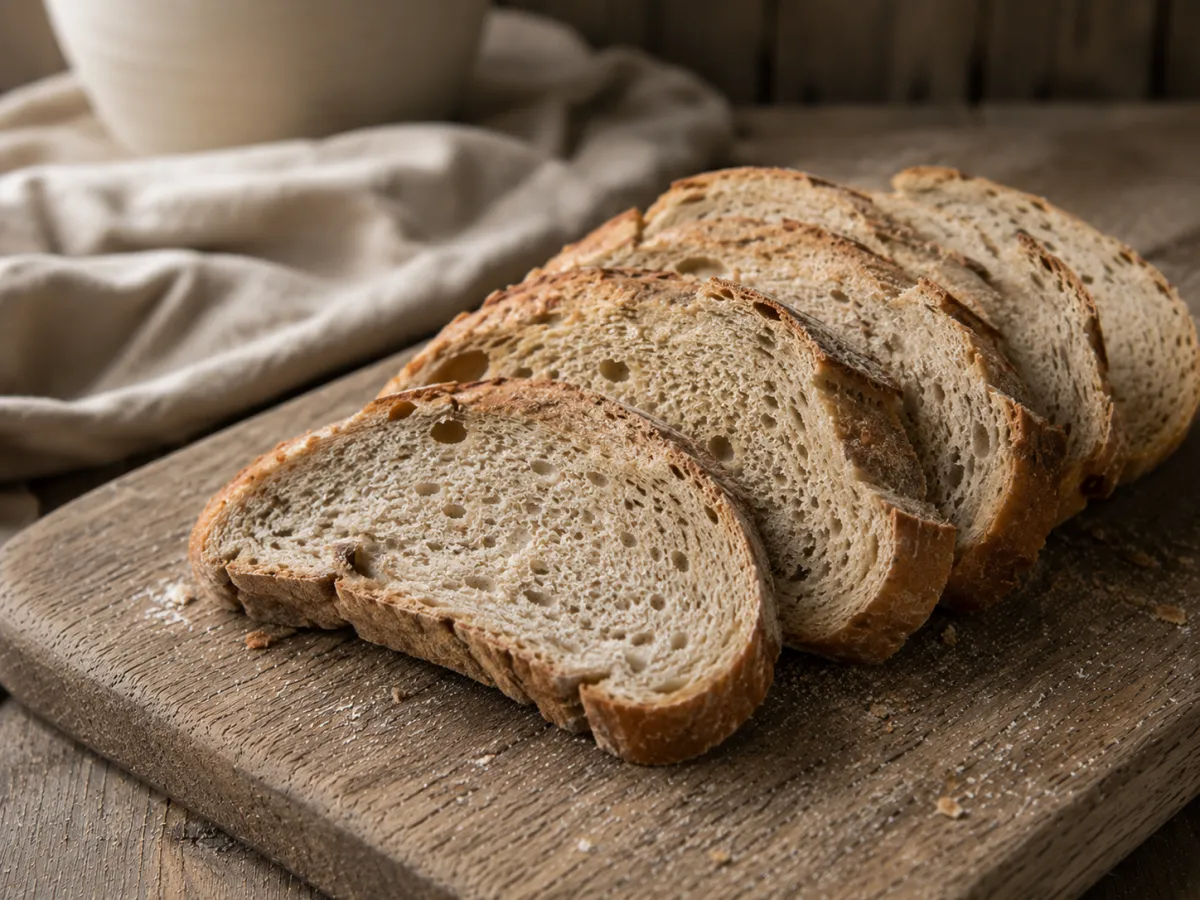
- Noticeably hard or firm texture
- Tougher, chewy crust
- Flat or muted flavor profile
- Toast slices
- Prepare breadcrumbs
- Freeze for cooking
Day 10 (Spoilage Check)
10 days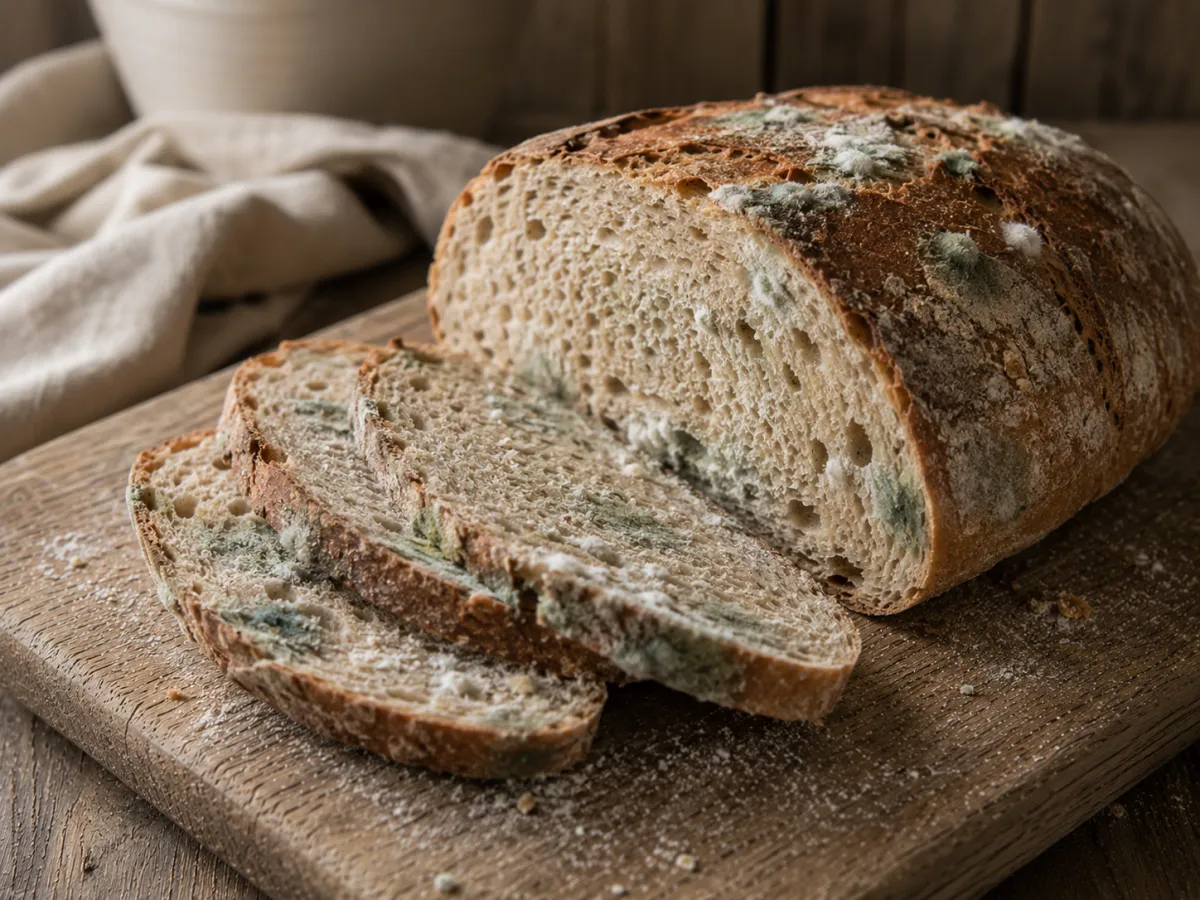
- Fuzzy spots appearing on surface
- Damp or clammy patches
- Sour, musty, or fermented smell
- Toss immediately
- Discard entire loaf
- Do not consume
Day 14 (Toss Now)
2 weeks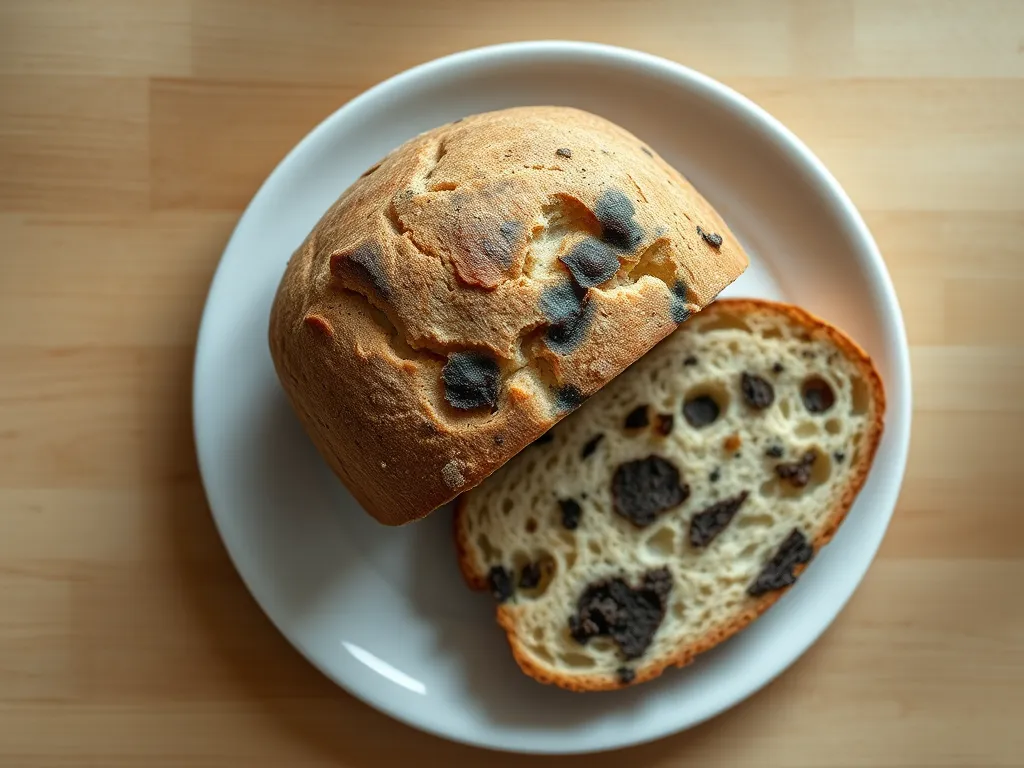
- Widespread mold growth
- Strong sour or unpleasant odor
- Wet, slimy, or collapsed areas
- Toss in trash
- Discard completely
- Do not eat
Common questions
How long can I keep bread in the refrigerator?
Bread typically stays usable for 1–2 weeks in the refrigerator. Monitor it closely for mold, slime, or a sour smell.
Can I cut off the moldy part of a loaf and eat the rest?
No. Bread is porous, meaning mold filaments can spread deep into the interior even if they aren't visible on the surface. If mold appears, discard the whole loaf.
Why does refrigeration make my bread go hard faster?
Cold temperatures slow down mold but accelerate a process called starch retrogradation, which causes the bread to stale and harden more quickly than at room temperature.
What is the best way to store bread for maximum freshness?
Freezing is the most effective method. It stops both mold growth and the staling process. Simply thaw or toast slices directly from the freezer when needed.
Is stale bread safe to eat?
Yes, as long as there is no visible mold, slime, or off-smell. Staleness affects texture and taste but does not make the bread unsafe.

Bread can go stale well before it goes bad. While 1–2 weeks is your window for refrigerated storage, rely on your senses: if it looks fuzzy, smells sour, or feels slimy, discard it immediately.