
How Long Does Cream-Cheese Last on the Counter?
Counter time is short — here's what to watch for and when to refrigerate.
Cream-cheese left on the counter is safe for about 2 hours; refrigerated, it lasts 1–2 weeks.
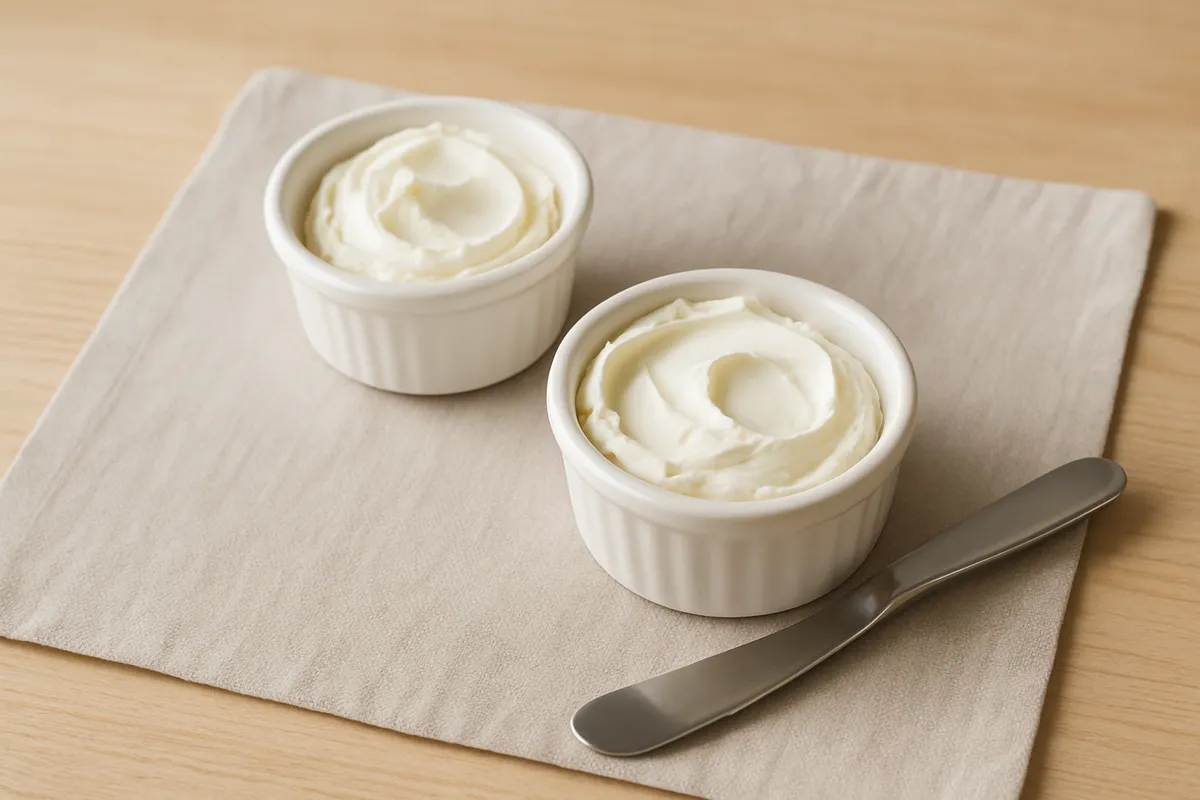
Cream-cheese is a soft, high-moisture dairy product that sits squarely in the food-safety danger zone once it leaves the fridge. Whether you've pulled it out for a bagel spread or a cheesecake recipe, cream-cheese at room temperature should not linger. The USDA's two-hour rule applies firmly here: after that window, bacterial growth accelerates quickly. Refrigerated in a sealed container, cream-cheese holds well for 1–2 weeks past opening. This article walks through every stage — from that first fresh scoop to the point where the tub needs to go in the bin.
Heads up: shelf-life ranges are estimates based on home storage. We make no guarantee of accuracy. When unsure, throw it out.
The full timeline
Hour 0–2 (Peak Fresh)
0–2 hours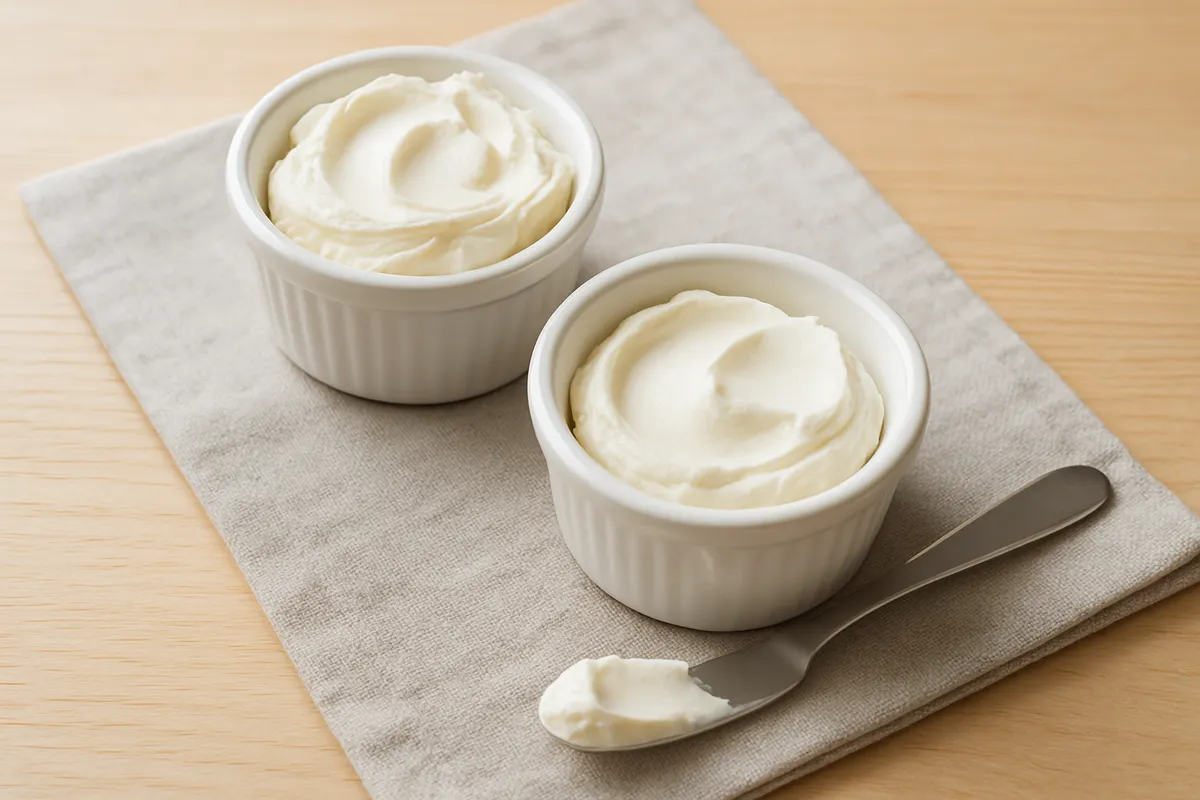
- Bright white or very pale ivory colour throughout
- Smooth, dense, creamy texture with no separation
- Clean, mildly tangy dairy scent
- Surface looks slightly glossy and intact
- Spread on bagels or toast immediately
- Use in baking or dips right away
- Return to the fridge if not using within the hour
Hour 2–4 (Warming Up)
2–4 hours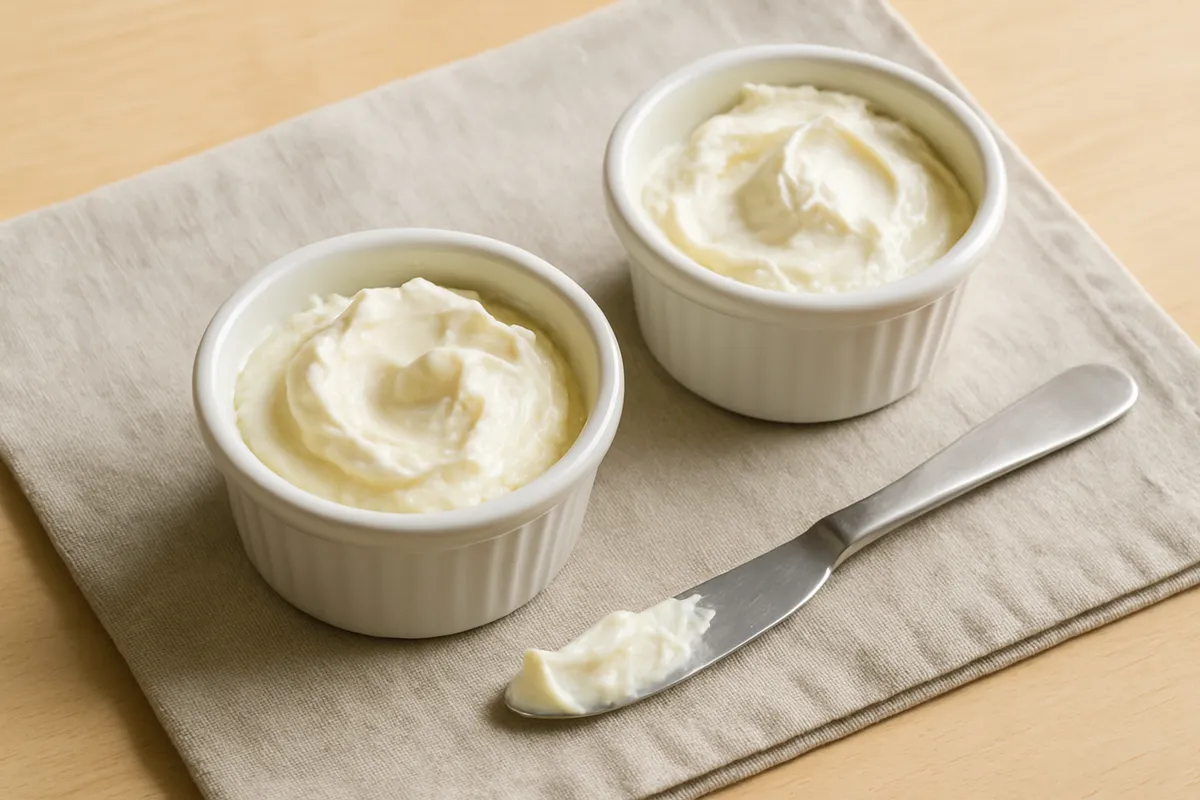
- Texture softens noticeably and may look slightly greasy on the surface
- Small beads of whey may begin to pool around the edges
- Scent remains mostly clean but faintly more sour
- Colour still white but surface sheen increases
- Refrigerate immediately if it has been under two hours total
- Discard if you are unsure of total time out
- Do not serve to young children, elderly, or immunocompromised individuals
Hour 4–8 (Risky Territory)
4–8 hours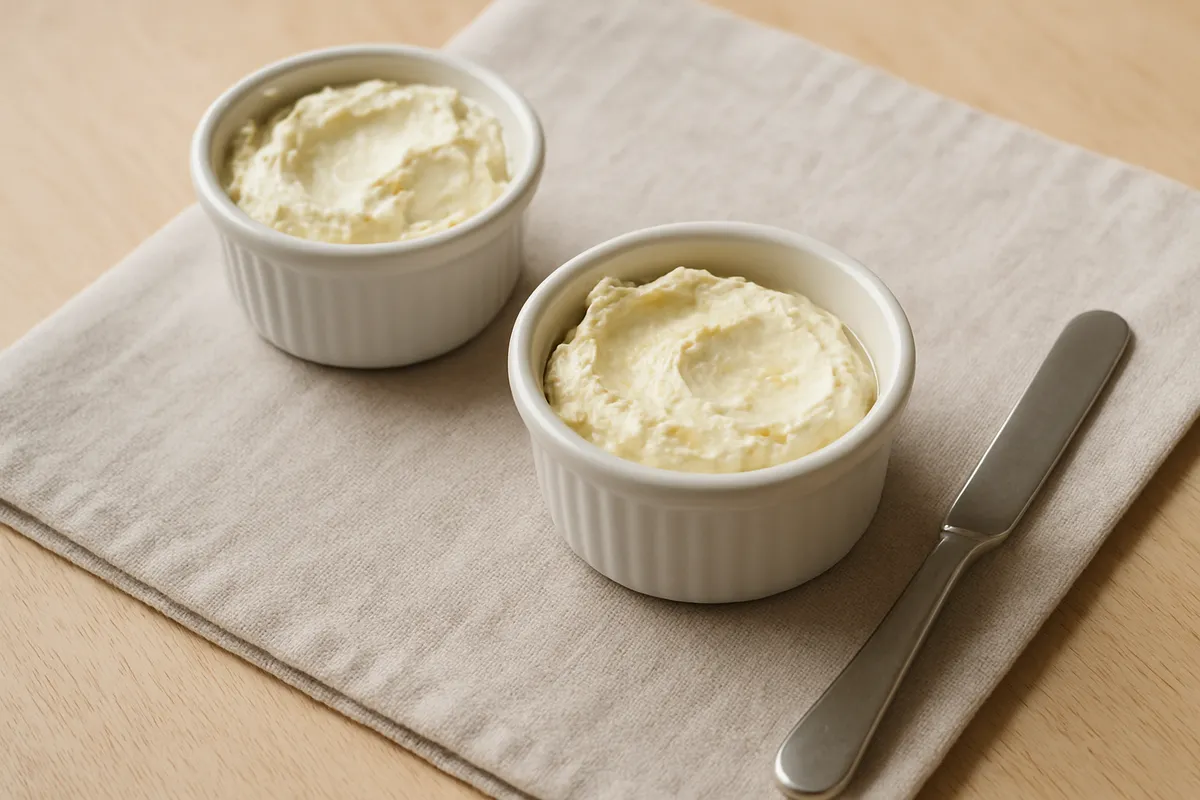
- Visible watery whey separation around the edges
- Texture is noticeably loose and no longer holds its shape
- Sour or off-dairy smell becoming more pronounced
- Surface may show faint yellowing at edges
- Discard — do not taste-test
- Do not attempt to salvage by refrigerating at this stage
Week 1–2 (Refrigerator Prime)
1–2 weeks refrigerated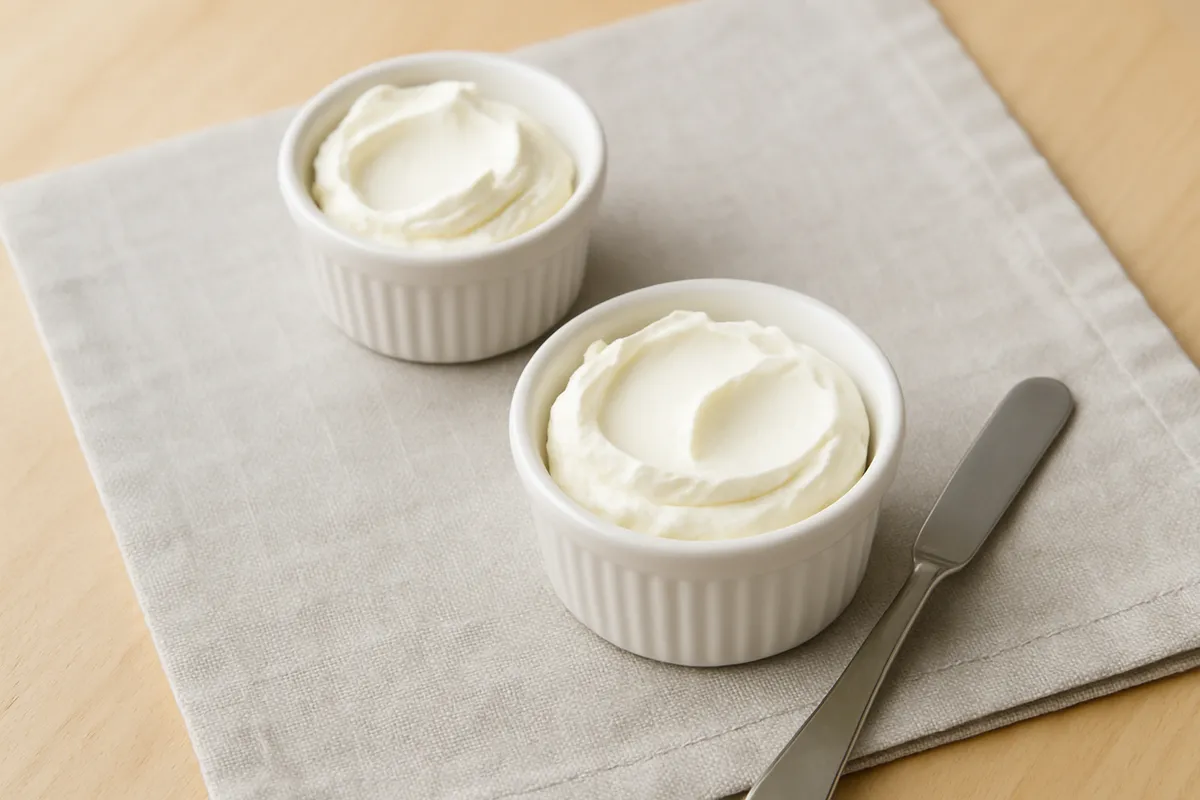
- Firm, smooth texture when cold — normal for refrigerated cream-cheese
- Clean tangy scent with no off notes
- No visible mold or discoloration on surface
- Whey separation at the top is normal — stir it back in
- Keep tightly sealed in original packaging or airtight container
- Use within two weeks of opening
- Stir separated whey back into the cheese before using
Week 3 (Past Prime)
3+ weeks refrigerated after opening
- Visible pink, green, or blue-grey mold spots on surface or edges
- Strong sour or rancid smell distinct from normal tanginess
- Texture may be chalky, grainy, or slimy
- Discoloration — yellowing or greyish tinge throughout
- Toss the entire container
- Do not scrape off mold and eat the rest — soft cheeses absorb mold throughout
Common questions
Can I leave cream-cheese out overnight for a party spread?
No. Cream-cheese left out beyond 2 hours enters the bacterial danger zone (40–140 °F). Overnight is far too long — discard it. Sage's Verdict: set a timer and swap in a fresh portion every two hours if you need it on the table.
Is the watery liquid on top of my cream-cheese safe?
Yes, that liquid is whey — a normal byproduct of soft cheese. Simply stir it back into the cream-cheese before using. If the liquid smells sour or the cheese has been open for over two weeks, discard the whole tub.
Can I freeze cream-cheese?
Technically yes, but the texture becomes crumbly and grainy after thawing. Frozen cream-cheese is fine for cooked applications like cheesecake or dips, but it won't spread smoothly on a bagel. Freeze in an airtight container for up to 2 months.
How do I tell if cream-cheese has gone bad in the fridge?
Look for mold spots (any colour), a slimy or chalky texture, or a smell that goes beyond normal tanginess into rancid or strongly sour territory. Any one of these means toss the whole container.
Does unopened cream-cheese last longer than opened?
Yes. Unopened cream-cheese in a foil-sealed tub can last up to the printed use-by date, often several weeks. Once opened, the clock resets to 1–2 weeks refrigerated regardless of the original date.
Can I use cream-cheese that sat out for 3 hours if it still smells fine?
Smell alone is not a reliable safety indicator — harmful bacteria like Listeria and Salmonella produce no detectable odour at early stages. After 2 hours at room temperature, soft dairy should be discarded. Sage's Verdict: the sniff test is not a food-safety tool.

Cream-cheese is a two-hour counter guest, not a permanent resident. Keep it cold, keep it sealed, and toss the whole tub at the first sign of mold — no trimming, no tasting.