
How Long Does Coconut Flour Last in the Pantry?
How long does coconut flour last in the pantry?
Coconut flour stays fresh and usable for 6–8 months when stored in a cool, dry pantry.
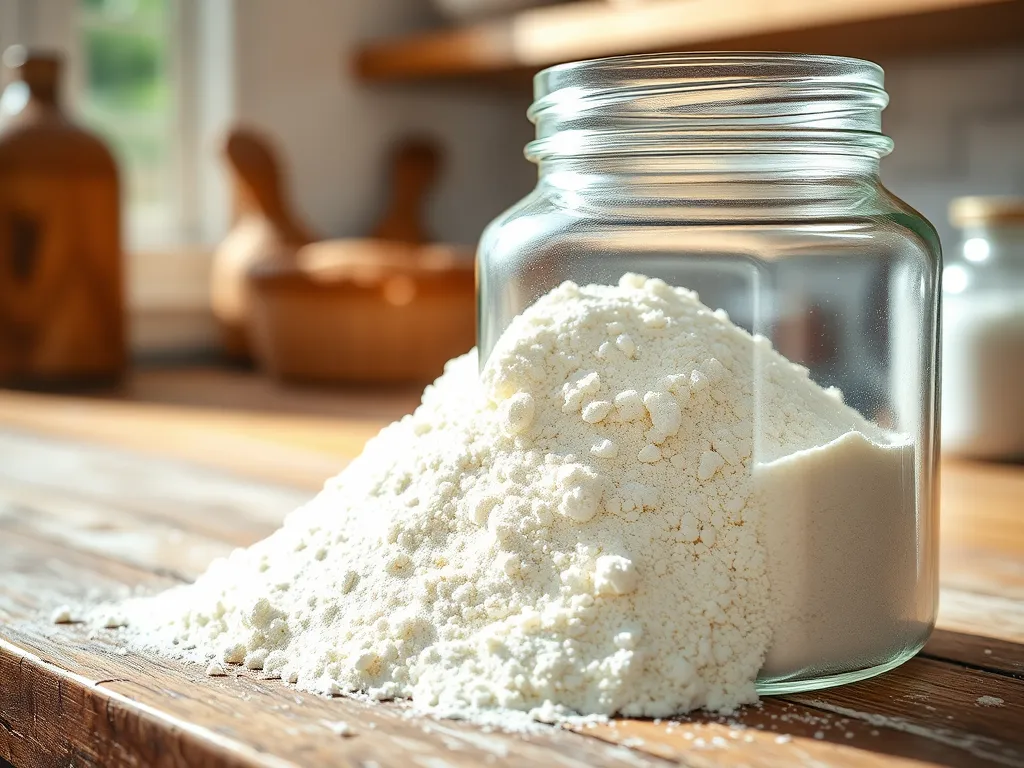
Coconut flour is a popular gluten-free alternative to traditional wheat flour, known for its absorbent properties and rich flavor. Because it is made from dried and defatted coconut meat, it has a lower moisture content than many other flours, making it relatively stable. However, like all pantry staples, it can eventually lose its freshness due to exposure to air, light, and moisture. Proper storage is essential to maintain the integrity of your baking projects and ensure the flour remains free from clumps or off-flavors. Understanding the timeline of quality loss helps you manage your pantry effectively and avoid using spoiled ingredients in your recipes.
Heads up: shelf-life ranges are estimates based on home storage. We make no guarantee of accuracy. When unsure, throw it out.
The full timeline
Month 1 (Peak Fresh)
0–3 months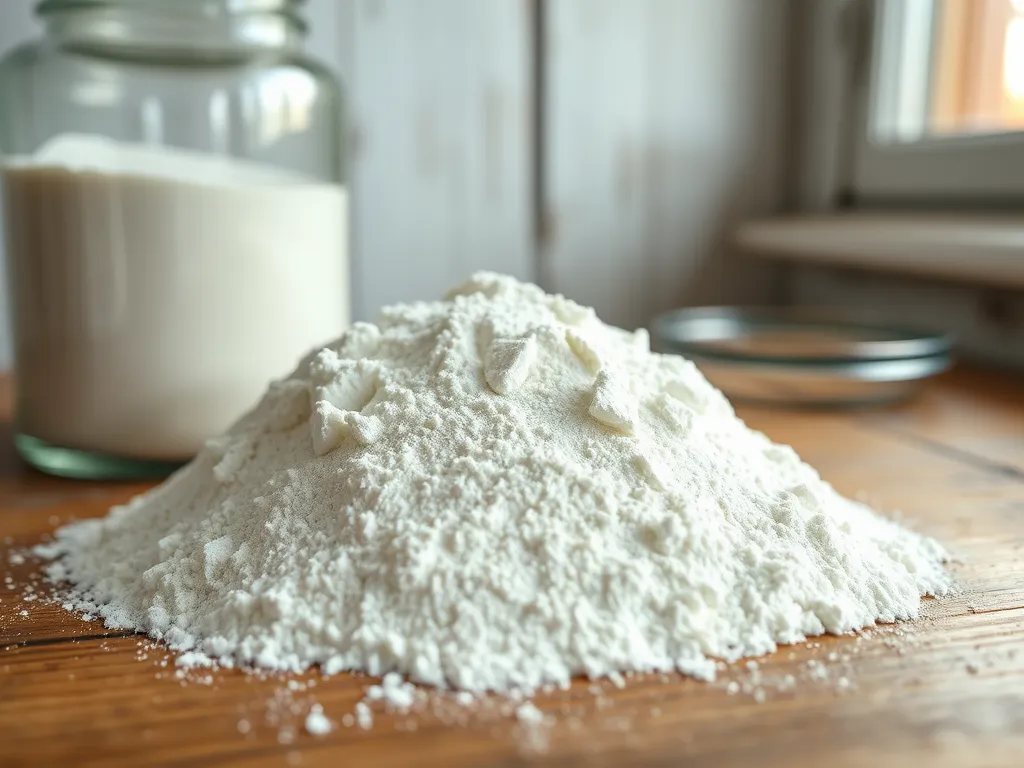
- Fine, powdery texture
- Bright white color
- Neutral aroma
- No clumping
- Store in a sealed container
- Keep in a cool, dark place
Month 4 (Stable Storage)
3–6 months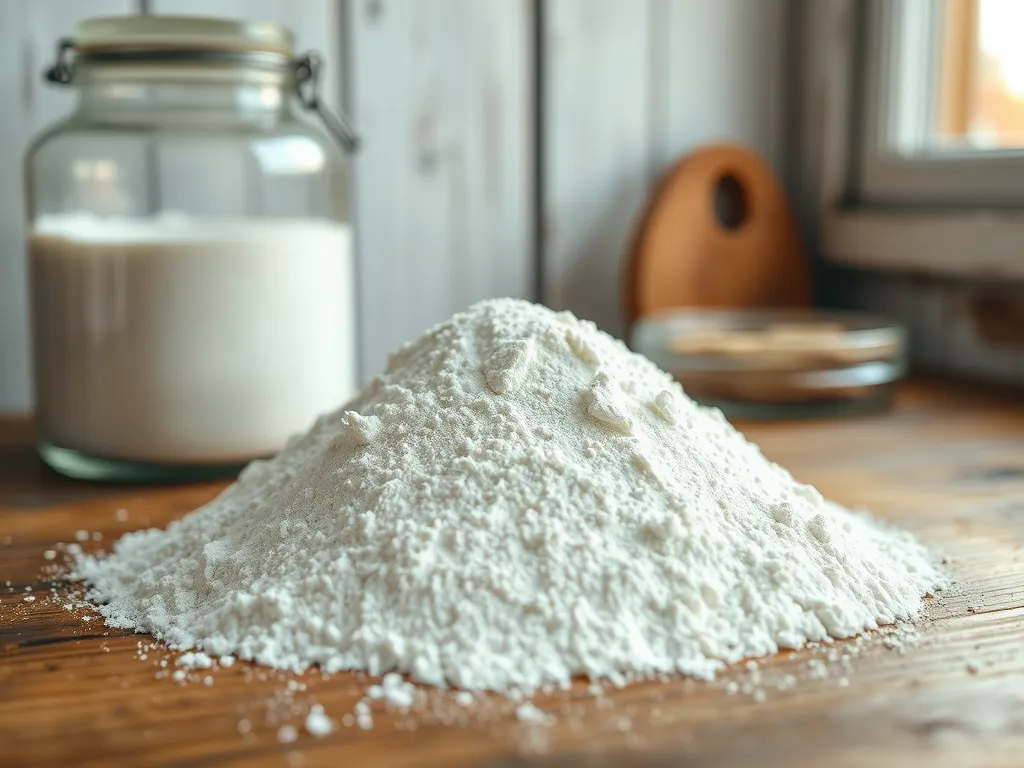
- Slightly drier feel
- Consistent color
- Minimal moisture
- Continue current storage
- Check for any moisture
Month 7 (Tapering Quality)
6–8 months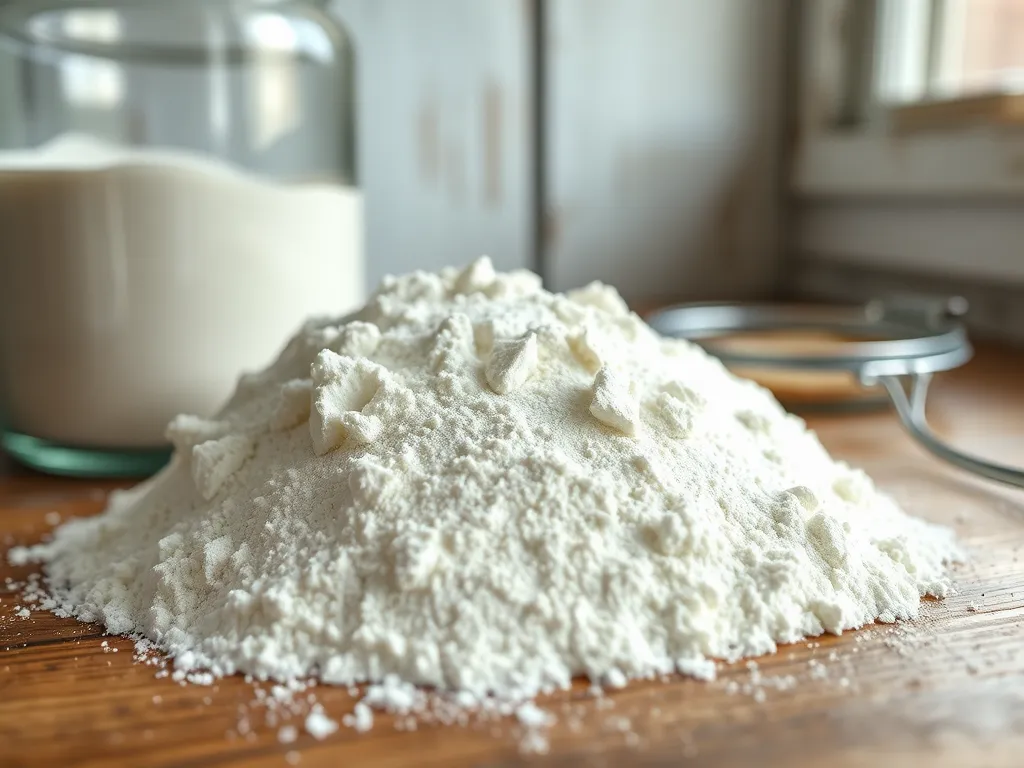
- Minor clumping
- Faintly duller appearance
- Slightly heavier texture
- Sift before baking
- Move to a cooler spot
Month 9 (Past Prime)
Over 8 months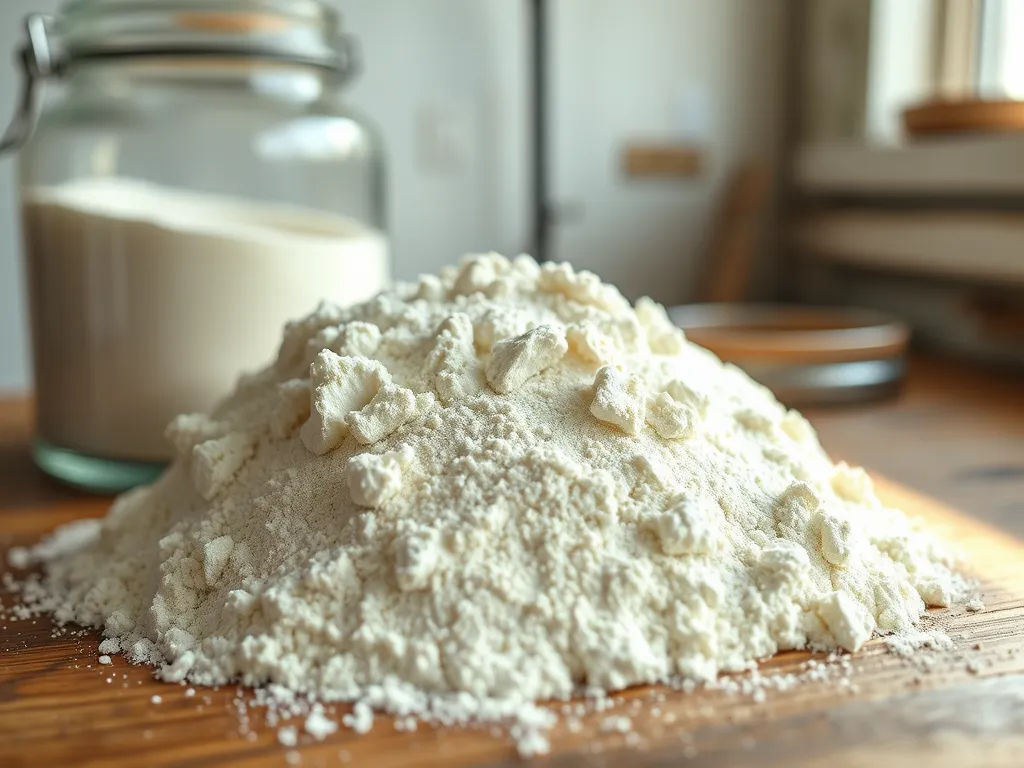
- Noticeable clumping
- Yellowish tint
- Musty odor
- Hardened patches
- Discard and replace
Common questions
How long will coconut flour stay fresh?
Coconut flour stays fresh and usable for 6–8 months when stored in a cool, dry pantry.
Does coconut flour need to be refrigerated?
No, coconut flour is shelf-stable and does not require refrigeration. Keeping it in a cool, dry pantry is the best way to maintain its quality.
Can I freeze coconut flour for longer storage?
Yes, you can freeze coconut flour if you need to extend its shelf life beyond 8 months. It maintains its texture and quality well when stored in an airtight container in the freezer.
Can I use coconut flour that is slightly clumped?
If the clumping is minor and there is no off-smell or discoloration, you can sift it before baking to ensure a smooth texture.
Why does my coconut flour turn yellow?
Yellowing usually indicates that the natural oils in the coconut are oxidizing due to exposure to air and light. To prevent this, store your flour in an airtight container.

Keep your jar sealed tight! A little extra effort in storage keeps your gluten-free bakes tasting like a tropical dream.