
How Long Does Almond Flour Last in the Pantry?
Storage Guidelines and Freshness Indicators
Almond flour stays fresh in a pantry for 6–8 months when stored correctly.
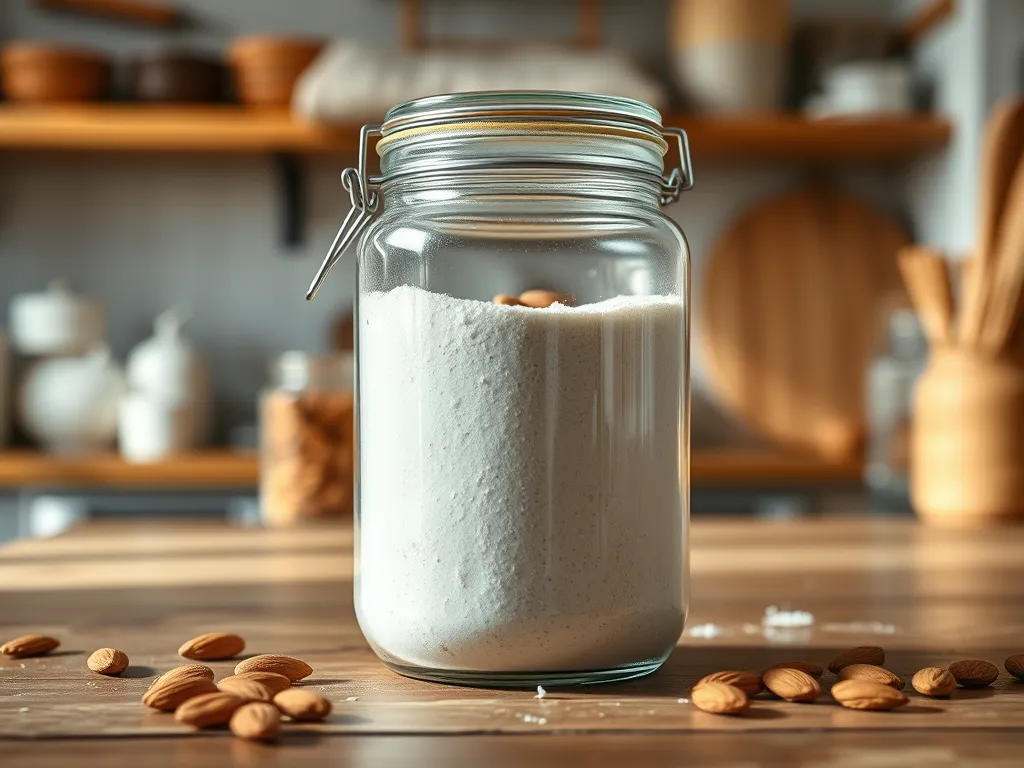
Almond flour is a nutrient-dense staple, but unlike wheat flour, it is made from ground nuts containing high levels of natural oils. These fats are sensitive to light, heat, and oxygen, making the flour prone to oxidation. When these oils break down, the flour becomes rancid, resulting in a bitter taste that can ruin macarons or gluten-free breads. To maximize quality and prevent spoilage, it is important to protect the flour from moisture and air. This guide provides a timeline for freshness and clear indicators to help you determine if your almond flour is still safe and flavorful for baking.
Heads up: shelf-life ranges are estimates based on home storage. We make no guarantee of accuracy. When unsure, throw it out.
The full timeline
Month 1 (Peak Fresh)
0–3 months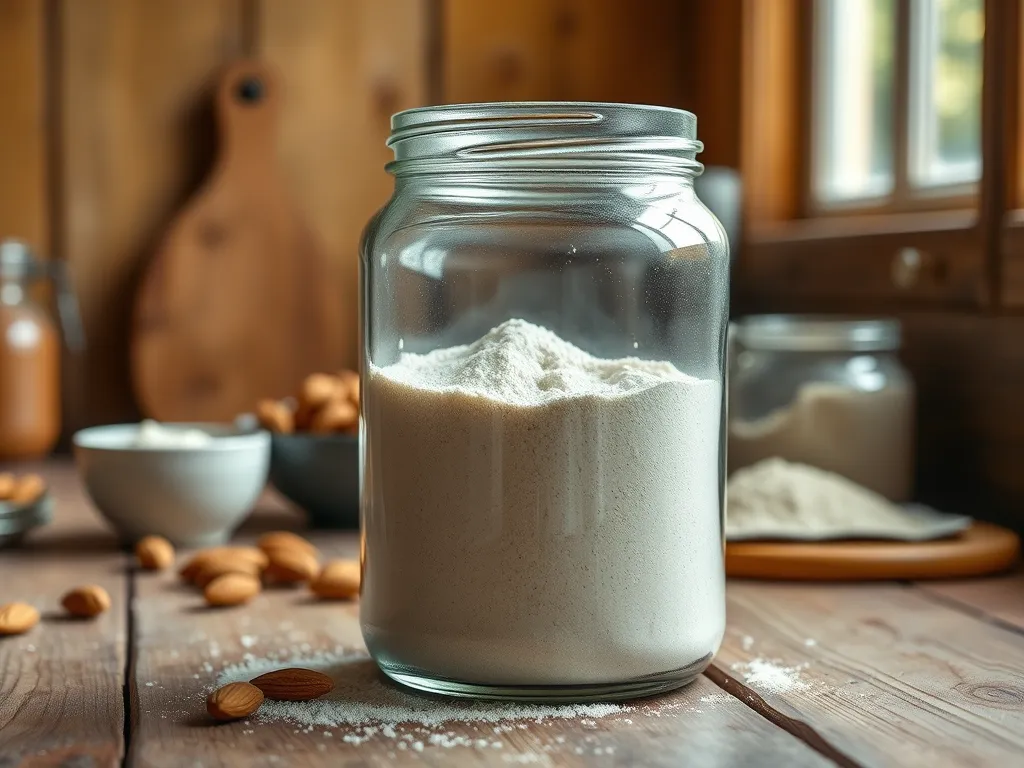
- Pale cream or off-white color
- Fine, free-flowing texture
- Mild, sweet nutty aroma
- Store in an airtight container
- Keep in a cool, dark cupboard
Month 4 (Stable Storage)
3–6 months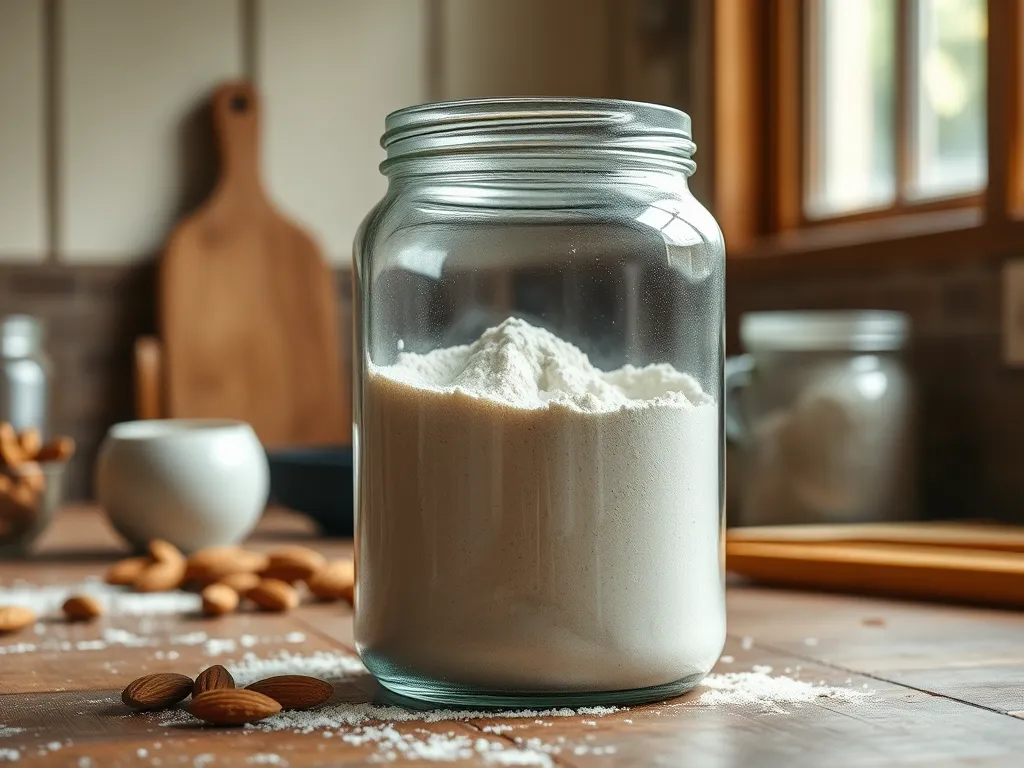
- Consistent color without spotting
- Texture remains mostly uniform
- No off-smells detected
- Maintain current airtight storage
Month 7 (Starting to Age)
6–8 months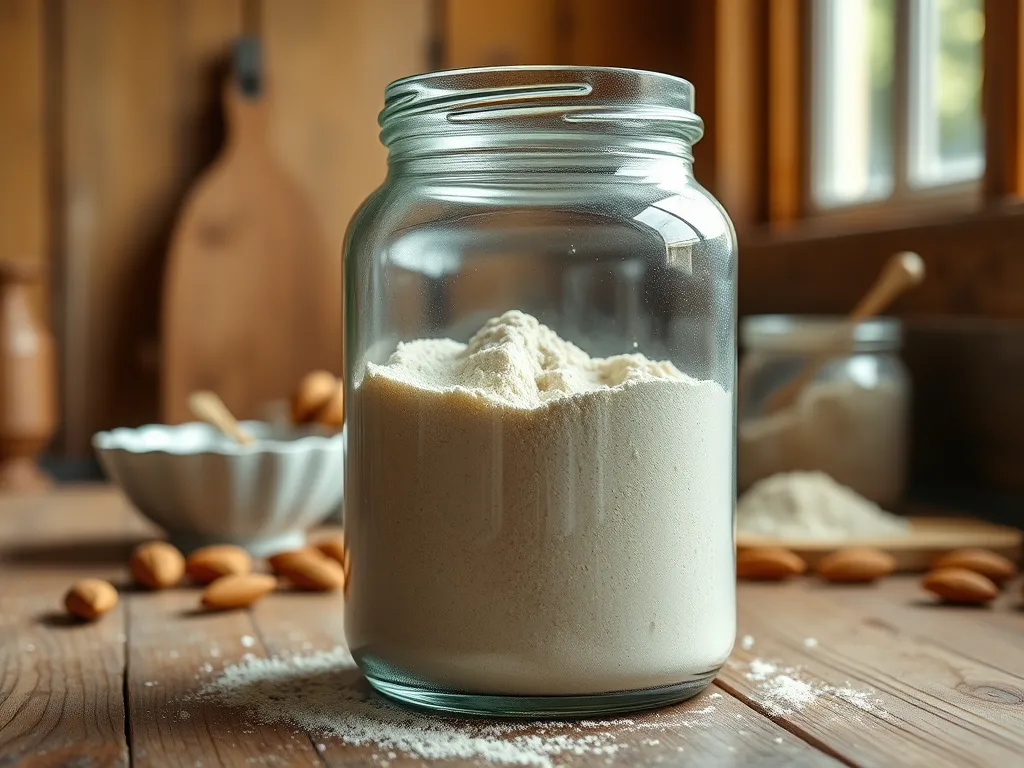
- Slightly yellowed appearance
- Faintly stale or flat scent
- Presence of small clumps
- Prioritize using in recipes
- Transfer to freezer to stop further oxidation
Month 9 (Past Prime)
Over 8 months
- Noticeable yellow or dark tint
- Sharp, musty, or paint-like smell
- Dense, oily, or clumpy texture
- Discard immediately
Common questions
How long does almond flour last in the pantry?
Almond flour typically remains fresh in a pantry for 6–8 months. To achieve this lifespan, it must be stored in an airtight container in a cool, dry place to prevent the natural oils from oxidizing.
Why does almond flour spoil faster than wheat flour?
Almond flour has a much higher fat content than wheat flour. These unsaturated fats are susceptible to oxidation when exposed to air and heat, leading to rancidity far quicker than the stable starches found in grain flours.
How can I tell if almond flour has gone bad?
The most reliable indicator is smell; rancid almond flour often smells like old oil, paint, or has a sour, musty scent. Visually, look for significant yellowing or an oily, clumpy texture.
Can I extend the shelf life of almond flour by refrigerating it?
Yes. While not required for safety, refrigeration slows down the oxidation process of the nut oils, extending freshness beyond the standard 6–8 month pantry window.
Is it possible to freeze almond flour?
Yes, freezing is an effective way to preserve almond flour for long-term storage. This prevents the oils from spoiling and is ideal if you only use small amounts at a time.

To ensure your baked goods taste their best, keep your almond flour in a cool, dark spot. If it develops a sharp or oily smell, discard it and start with a fresh bag.