
How Long Do Apples Last in the Fridge?
Counter apples fade in a week — refrigerated ones stay crisp for 4–6 weeks.
Apples last 4–6 weeks refrigerated in the crisper drawer.
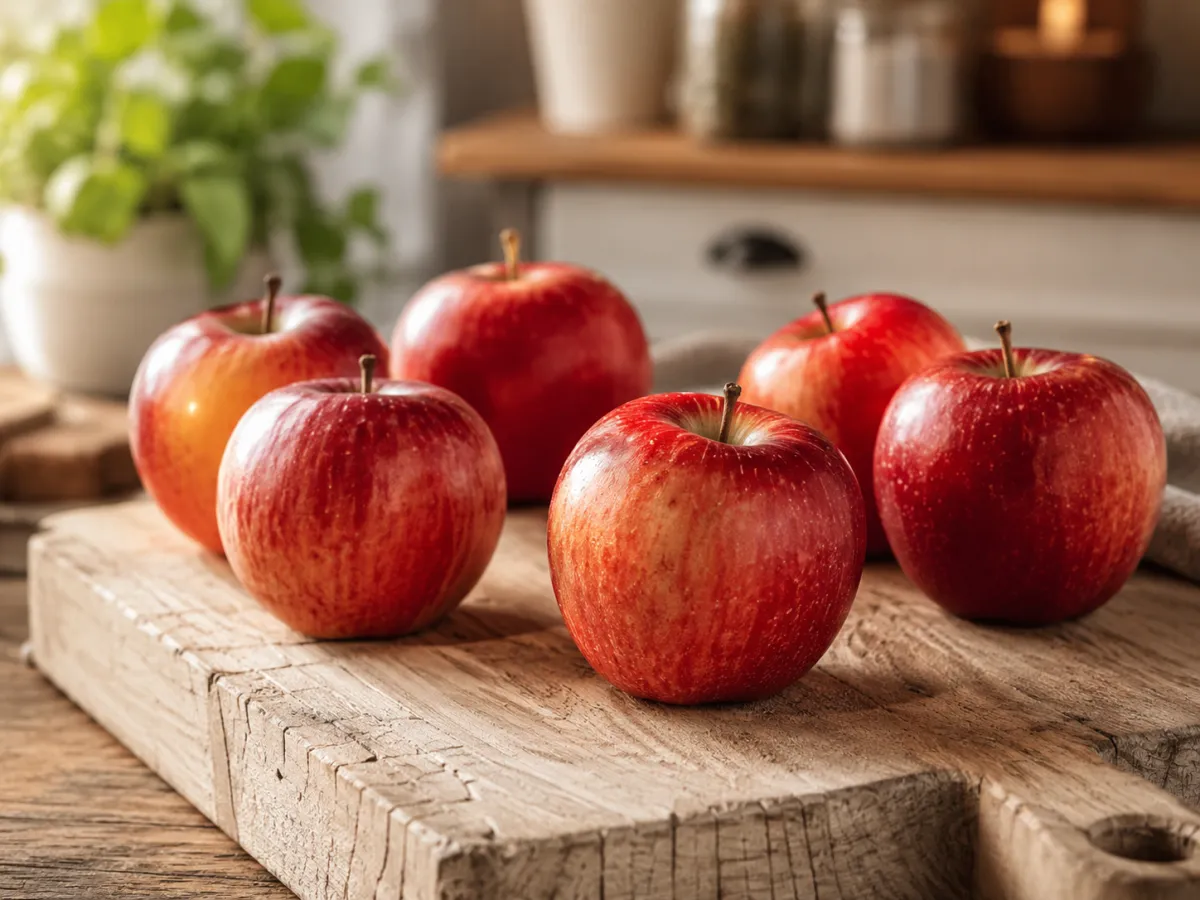
Apples are one of the most forgiving fruits in your kitchen, but only if you store them right. Left on the counter, they soften and lose flavor within 5–7 days. Slide them into the refrigerator crisper, however, and apples hold their crunch and sweetness for a full 4–6 weeks. The cold slows the ethylene gas apples naturally emit — the same gas that speeds ripening in nearby produce. This guide walks through every stage of an apple's fridge life, from peak-crisp to past-it, so you always know whether to crunch, cook, or compost.
Heads up: shelf-life ranges are estimates based on home storage. We make no guarantee of accuracy. When unsure, throw it out.
The full timeline
Week 1 (Peak Crisp)
1–7 days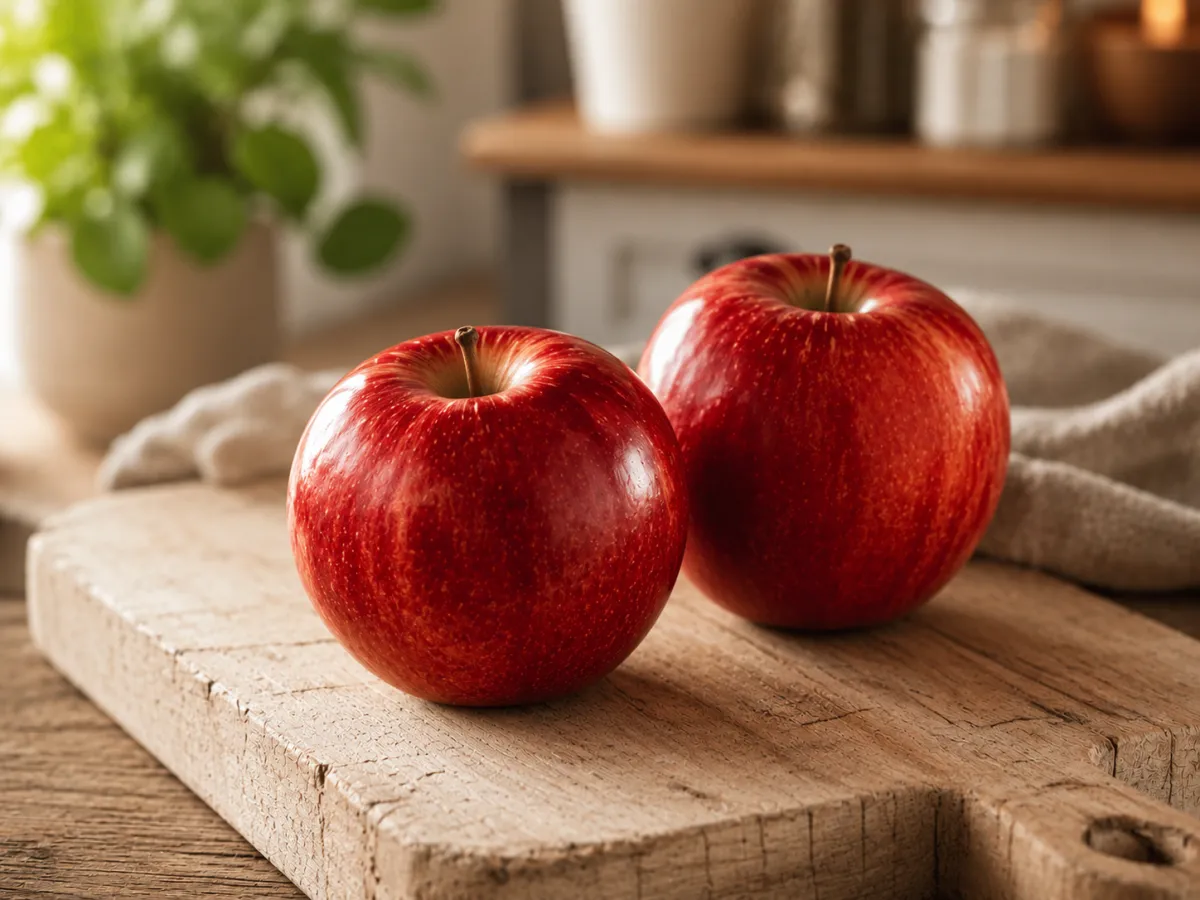
- Skin is taut and glossy with no soft spots
- Flesh snaps cleanly when bitten
- Fresh, faintly sweet aroma at the stem
- Color is fully saturated — no browning at the shoulder
- Eat fresh out of hand
- Slice into salads or cheese boards
- Pack whole for lunches
Week 2–3 (Still Solid)
8–21 days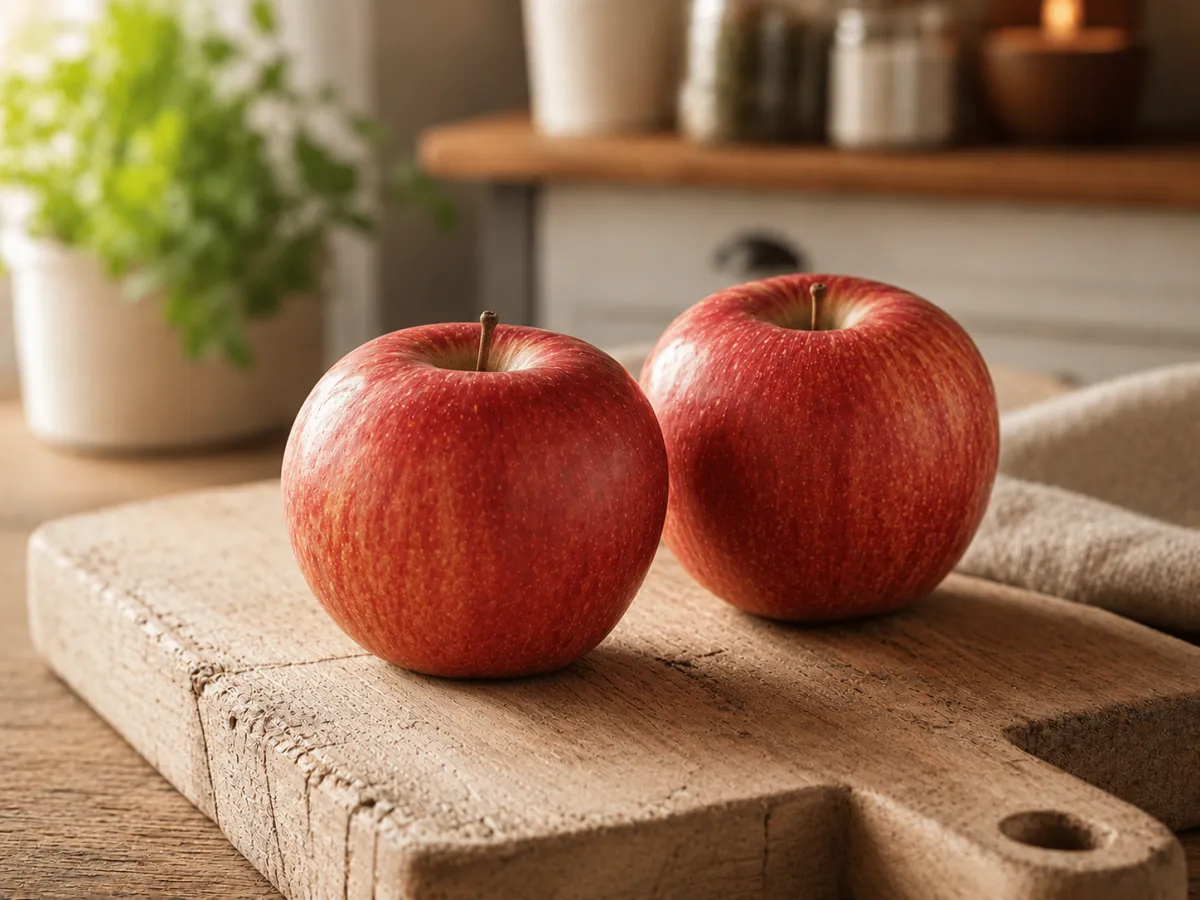
- Skin remains firm with minimal wrinkling
- Slight reduction in surface gloss
- Flesh still crunchy but flavor is marginally less bright
- No visible soft spots or discoloration
- Eat fresh — still good
- Bake into muffins or crumbles
- Simmer into applesauce
- Slice and dehydrate
Week 4–6 (Soft Side)
22–42 days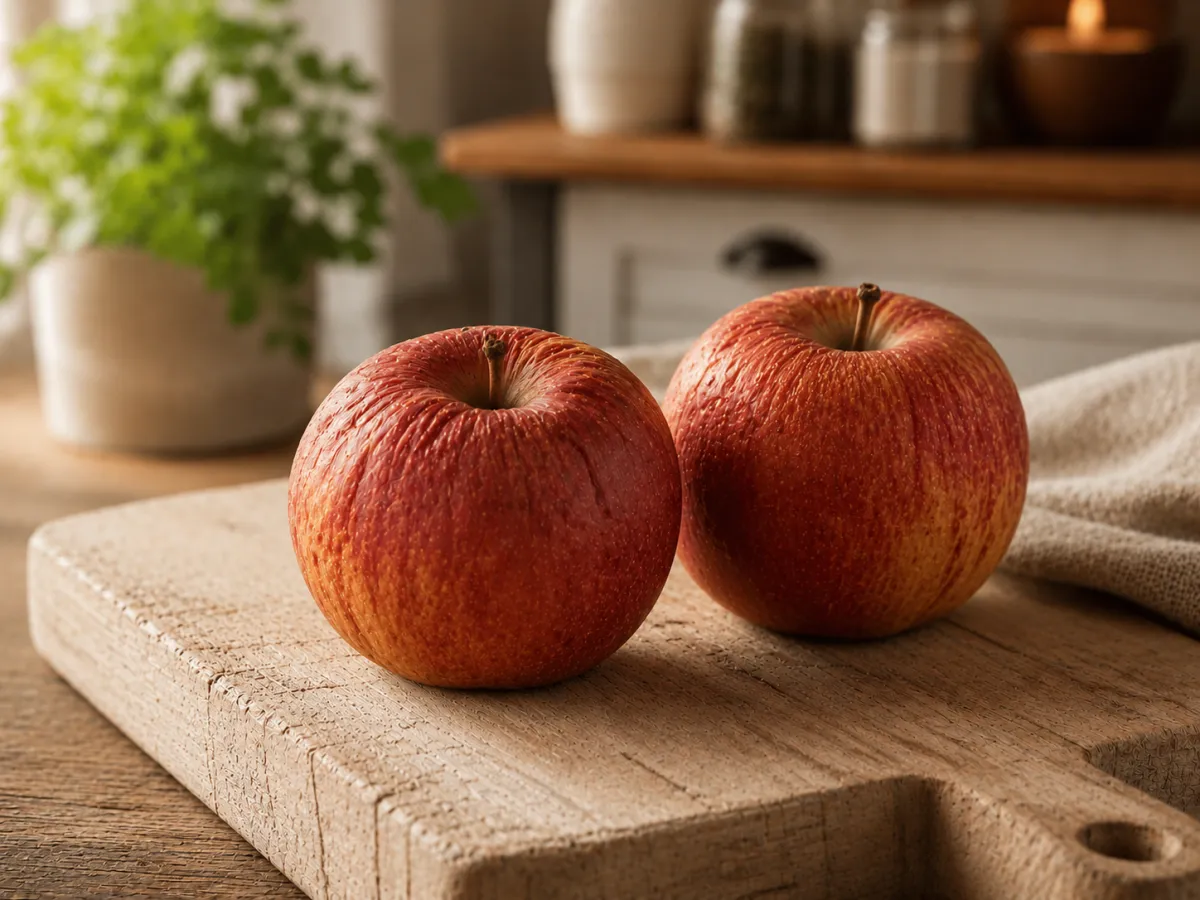
- Skin shows light wrinkling or slight give when pressed
- One or two small soft spots may appear
- Flesh is mealy rather than crisp when bitten
- Aroma is sweeter, almost fermented at the core end
- Cut away soft spots and cook immediately
- Bake into pies, crisps, or cakes
- Blend into smoothies
- Toss if soft spots cover more than a third of the apple
Week 7 (Past Prime)
43+ days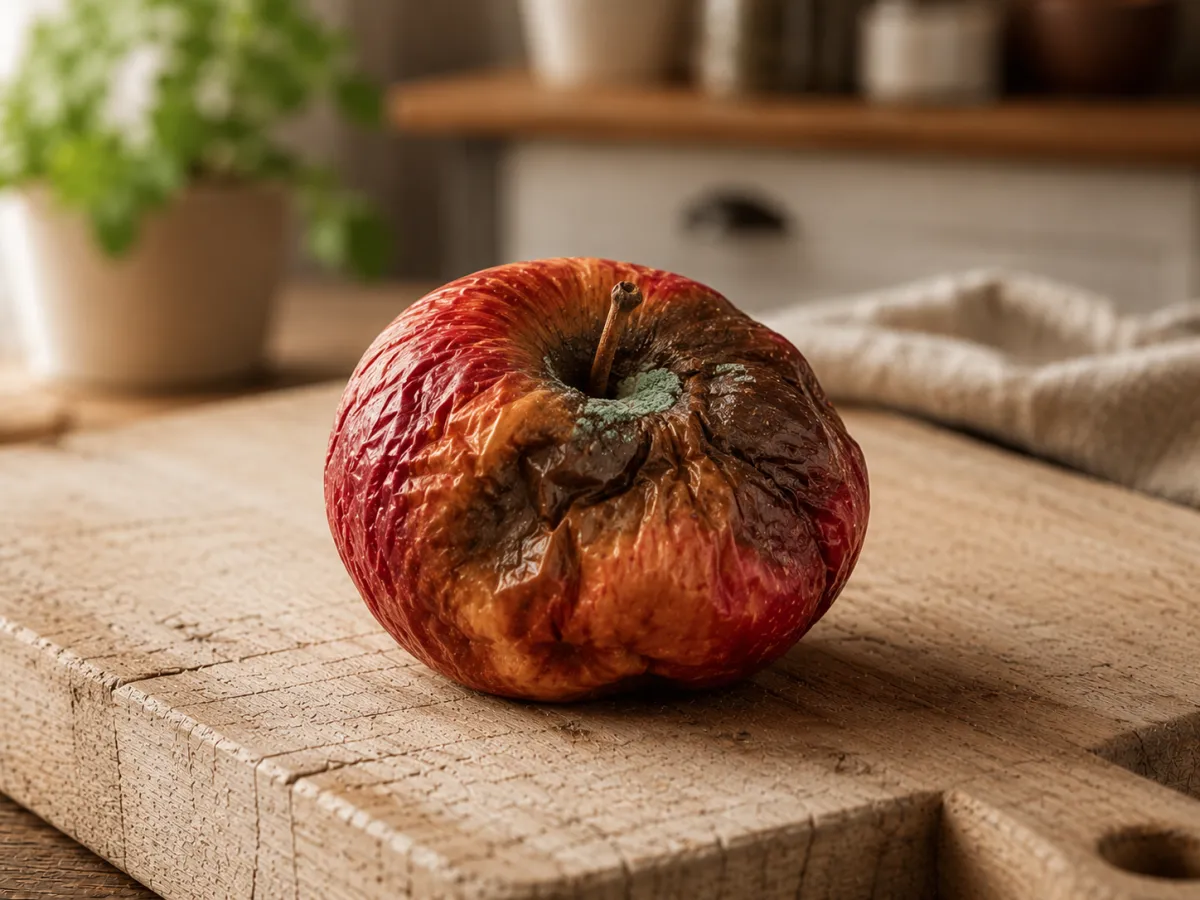
- Widespread soft or mushy areas covering large patches
- Visible mold — white, gray, or blue-green fuzz at stem or bruise sites
- Skin is deeply wrinkled and separating from flesh
- Strong fermented or vinegary odor
- Discard — do not eat
- Compost if no mold; toss if moldy
Common questions
Should apples be stored in a bag in the fridge?
Yes — a perforated plastic bag or the crisper drawer's high-humidity setting slows moisture loss. Avoid sealing them airtight, which traps ethylene and accelerates softening.
Can apples make other fridge produce ripen faster?
Absolutely. Apples emit ethylene gas, which speeds ripening in ethylene-sensitive neighbors like leafy greens, broccoli, and carrots. Store them in a separate crisper drawer when possible.
Do different apple varieties last different lengths of time?
Yes. Firm, thick-skinned varieties like Fuji, Granny Smith, and Honeycrisp hold up closer to 6 weeks. Thinner-skinned types like McIntosh or Cortland tend toward the 4-week end. Sage's Verdict: when in doubt, check the skin — wrinkling is the clearest signal regardless of variety.
Can I freeze apples?
You can, though texture changes significantly. Peel, core, slice, and toss with a little lemon juice before freezing on a sheet tray. Frozen apple slices are best used in cooked applications — pies, sauces, oatmeal — not eaten fresh.
Why does my apple turn brown after slicing?
Enzymatic browning — the cut flesh reacts with oxygen. It's cosmetic, not a safety issue. A quick toss in lemon juice or a brief soak in lightly salted water keeps slices looking fresh for several hours.
Is a bruised apple safe to eat?
A fresh bruise with no mold is safe — just cut away the soft brown tissue. If the bruise has any fuzzy growth or smells fermented, discard that apple entirely.

Apples are low-drama fridge residents — just keep them cold, separate from ethylene-sensitive produce, and check for wrinkling weekly. Four to six weeks of crunch is a solid return on zero effort.