
How Long Do Yellow Split Peas Last in the Pantry?
How long do yellow split peas last in the pantry?
Yellow split peas last 4–5 years when stored in a cool, dry pantry container.
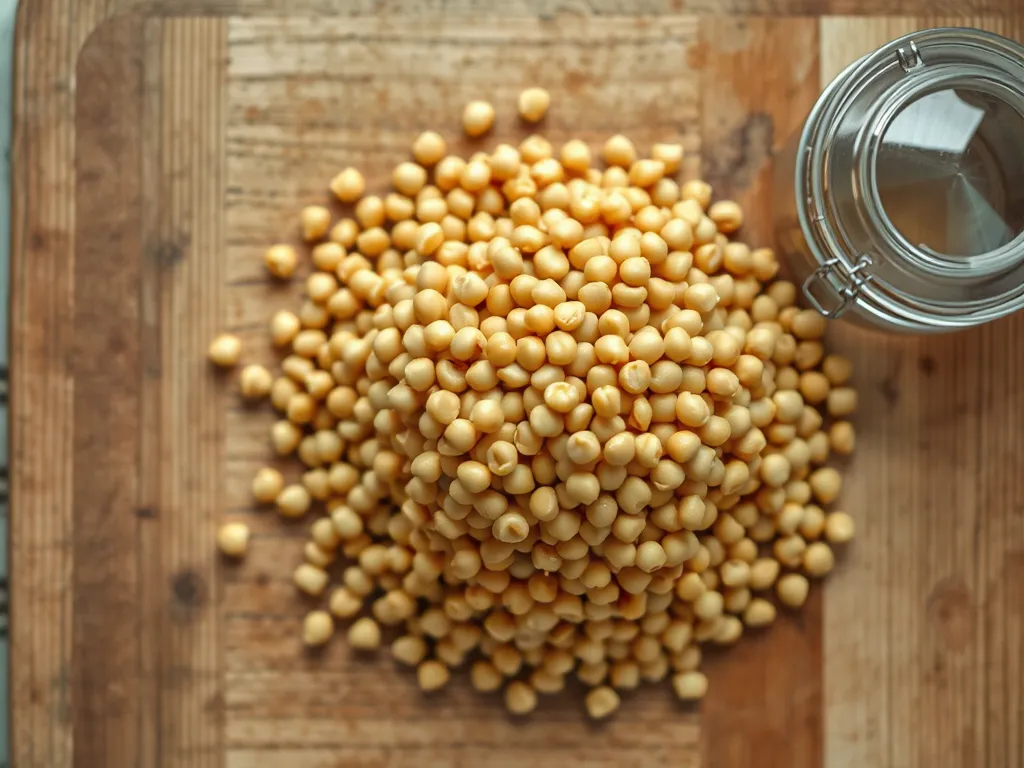
Yellow split peas are a staple for hearty soups and stews, valued for their creamy texture and earthy flavor. Because they are dried legumes, they possess an exceptionally long shelf life if kept away from moisture and heat. However, maintaining the quality of these pulses depends heavily on environmental factors like humidity and pest prevention. Storing them in airtight containers ensures they remain dry and free-flowing. While they can stay edible for several years, signs of age or exposure to moisture—such as clumping or off-scents—will indicate it is time to replace your supply. Proper storage prevents the loss of flavor and ensures safe consumption.
Heads up: shelf-life ranges are estimates based on home storage. We make no guarantee of accuracy. When unsure, throw it out.
The full timeline
Year 1 (Peak Fresh)
1 year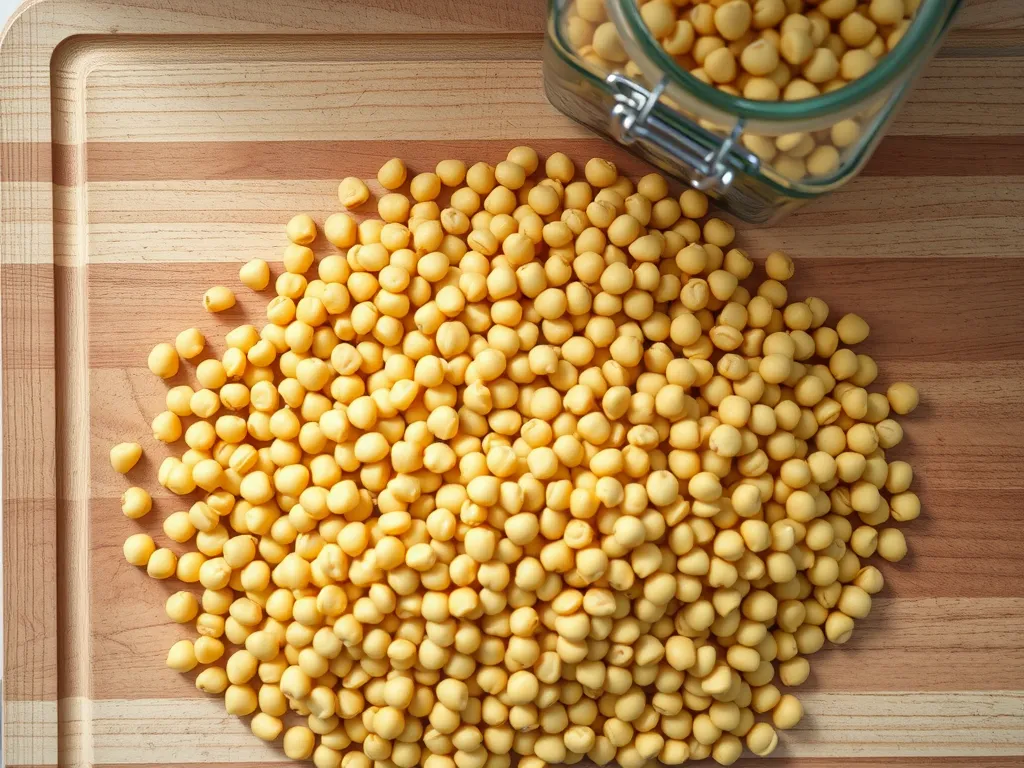
- bright yellow color
- dry, hard texture
- distinct earthy aroma
- Store in an airtight container
Year 2–3 (Still Good)
2-3 years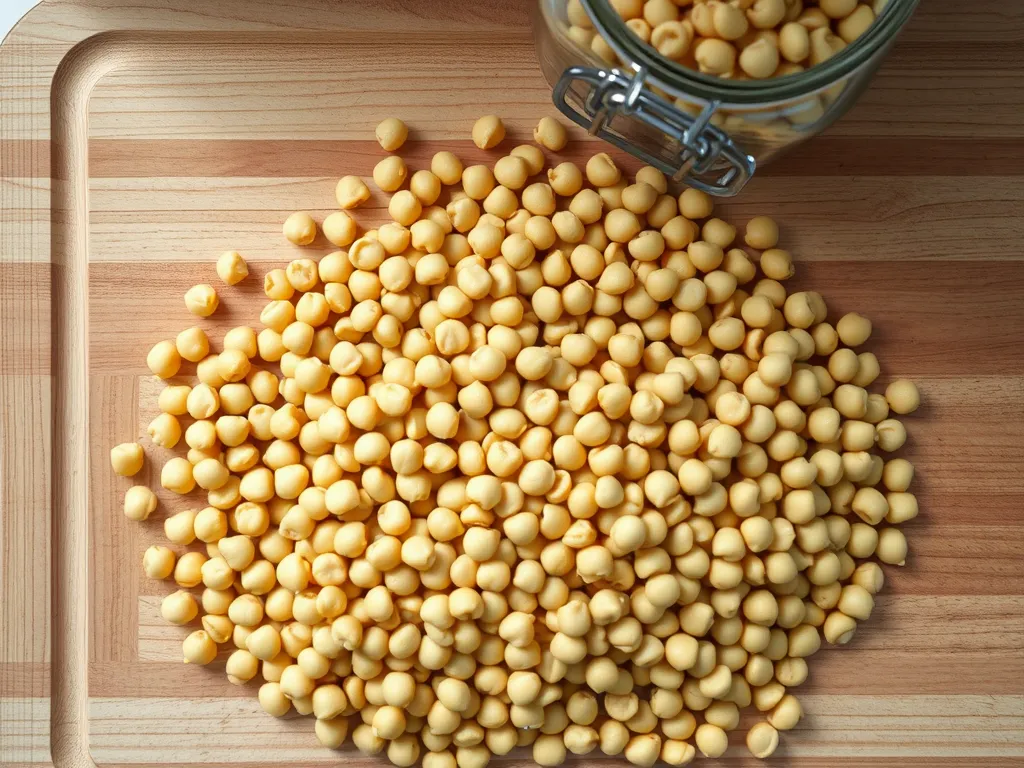
- consistent color
- very dry texture
- milder aroma
- Keep in a cool, dry place
Year 4 (Aging)
year 4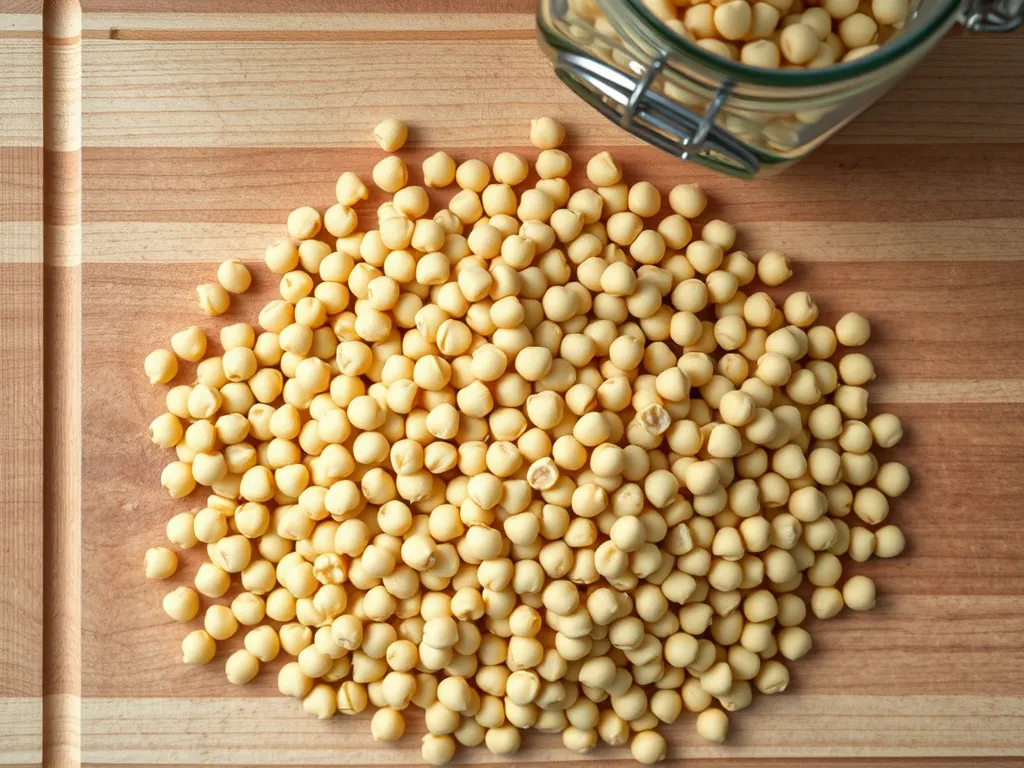
- slight dullness in color
- extremely hard texture
- faint musty scent
- Check for clumping
- Use immediately in cooked dishes
Year 5 (Toss)
year 5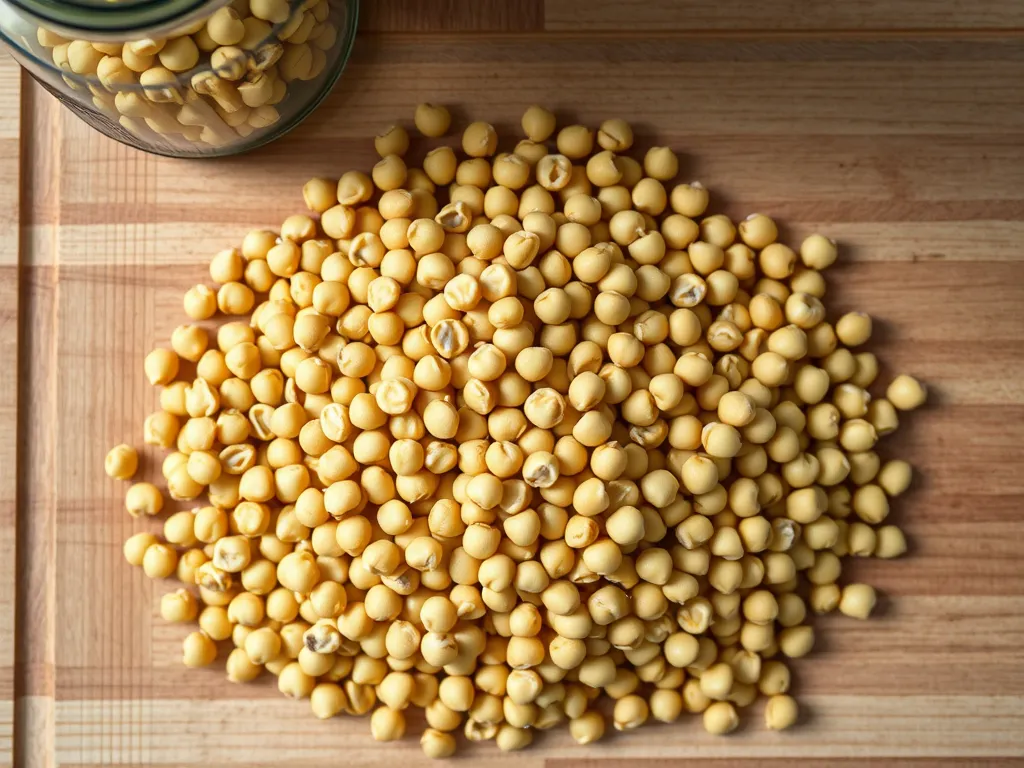
- clumped together
- strong musty odor
- discolored spots or webbing
- Toss in the trash
Common questions
How long can I store yellow split peas?
Yellow split peas last 4–5 years when stored in a cool, dry pantry container. Using airtight containers helps maintain quality throughout this period.
Are my yellow split peas safe to eat if they are clumpy?
No. Clumping indicates that moisture has entered the container, which creates a risk for mold growth and spoilage. Do not consume clumpy dry legumes.
Can I freeze yellow split peas to make them last longer?
Freezing is unnecessary for dried legumes. Freezing is typically reserved for fresh or cooked items; for shelf-stable pantry goods, a cool, dark cupboard is sufficient.
Do yellow split peas need to be refrigerated?
No, yellow split peas do not require refrigeration. They are shelf-stable and stay freshest in a dry pantry environment.

Keep them dry and they'll stay great! An airtight glass jar is the best way to ensure long-lasting freshness.