
How to Tell If Ricotta Is Spoiled
How to identify fresh vs. spoiled ricotta
Ricotta lasts about 1–2 weeks in the refrigerator; discard it immediately if you notice a sour smell, mold growth, or a slimy texture.
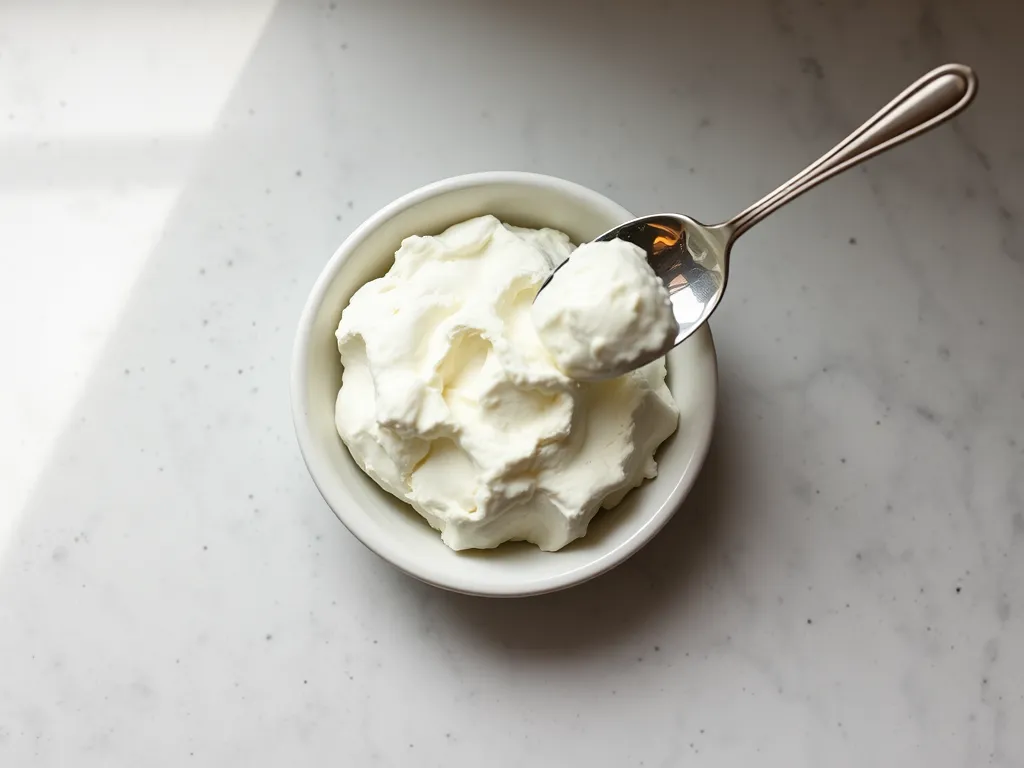
Because ricotta is a soft, high-moisture cheese, it is more perishable than harder varieties like Parmesan. When kept properly sealed in the refrigerator, ricotta typically remains safe to eat for 1–2 weeks. However, once the container is opened and exposed to air, its shelf life begins to decline rapidly. To determine if your ricotta is still good, you must evaluate three key indicators: smell, color, and texture. A fresh cheese should have a clean, milky scent and a bright white appearance. If you encounter pinkish tints, fuzzy mold, or a sharp, yeasty odor, the cheese has spoiled. Because moisture allows bacteria to spread quickly through soft cheeses, it is safer to discard the entire container rather than attempting to salvage parts of it.
Heads up: shelf-life ranges are estimates based on home storage. We make no guarantee of accuracy. When unsure, throw it out.
The full timeline
Day 1 (Peak Fresh)
1 day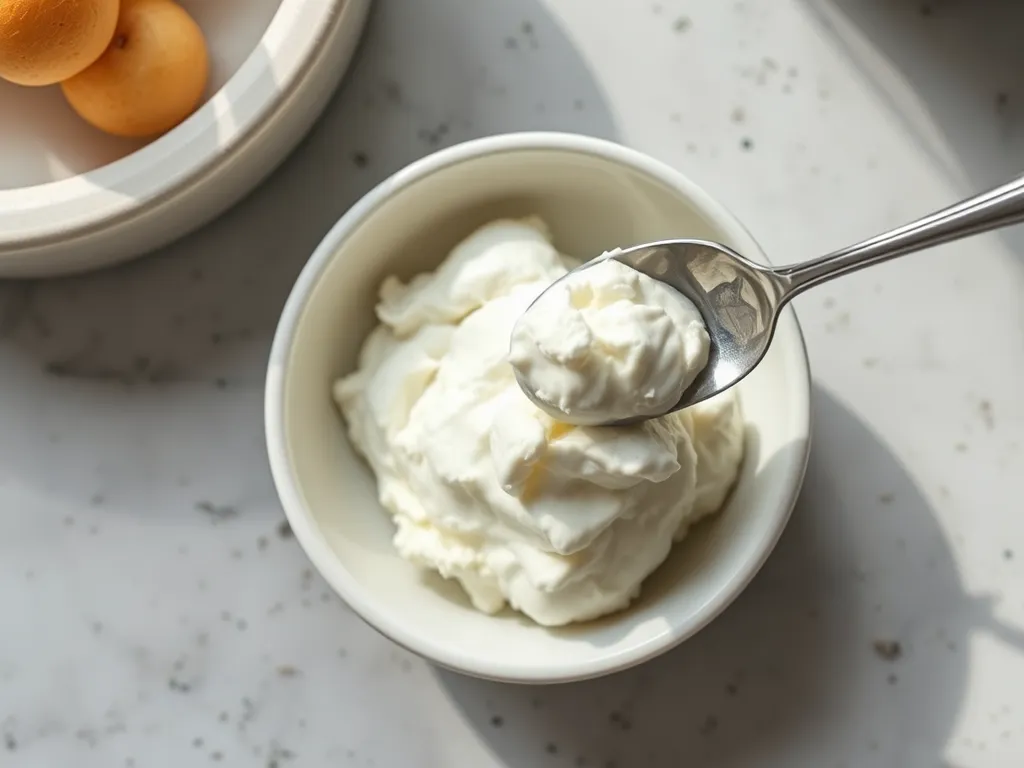
- Bright, snowy white color
- Creamy, soft curd texture
- Mild, milky aroma
- No liquid separation
- Use immediately for best flavor
- Store in an airtight container
- Keep refrigerated at 40°F (4°C) or below
Day 5 (Still Fine)
5 days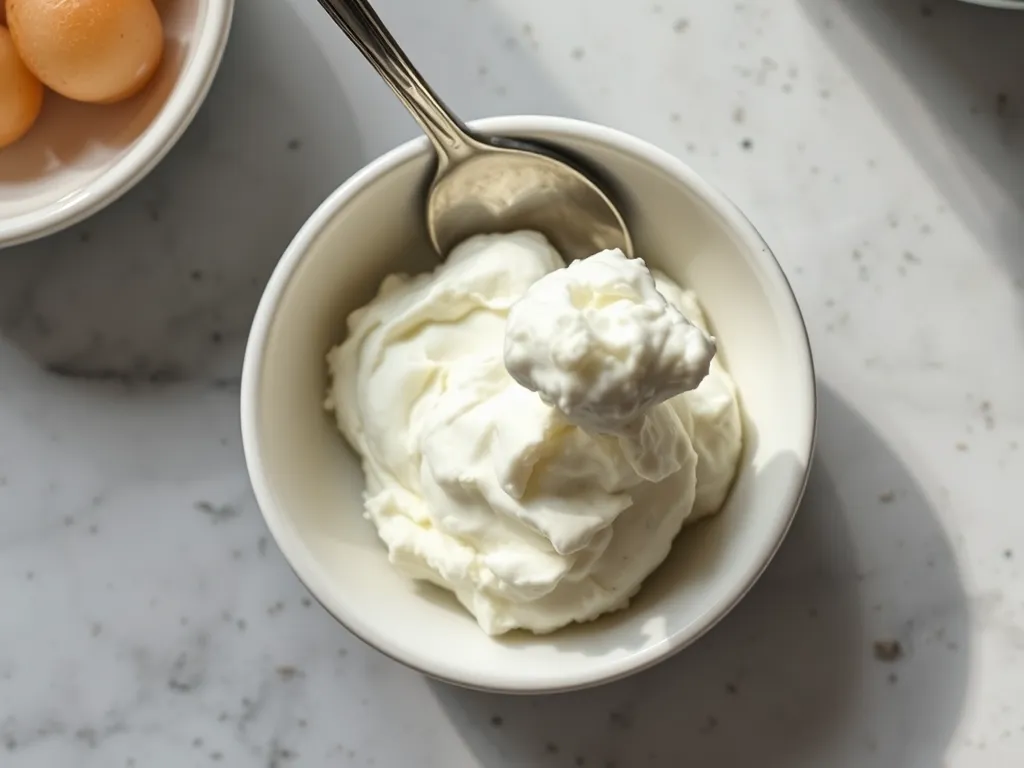
- Small amount of clear whey separation
- Texture remains soft and consistent
- Color stays bright white
- Scent is neutral/milky
- Stir whey back into cheese
- Use in fresh applications
- Continue refrigeration
Day 8 (Watch Closely)
8 days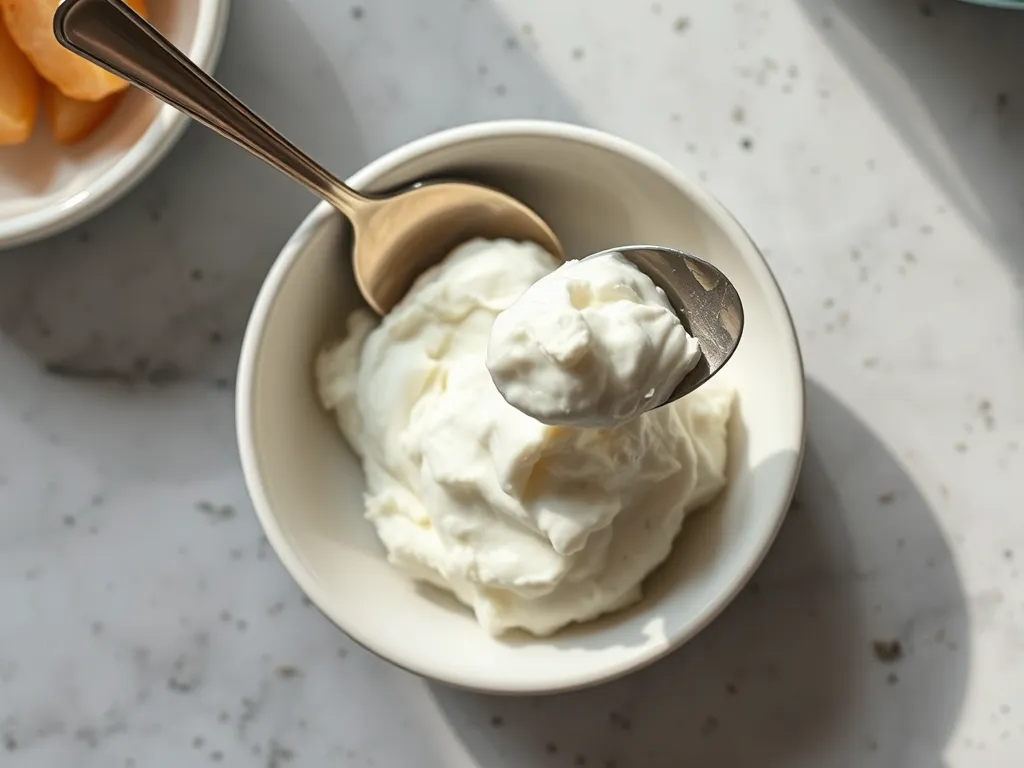
- Increased liquid separation
- Slight yellowing or dullness
- Grainy or dense texture
- Faint sour scent
- Inspect closely for odors
- Use only if scent remains clean
- Do not taste to check freshness
Day 10 (Spoilage Signs)
10 days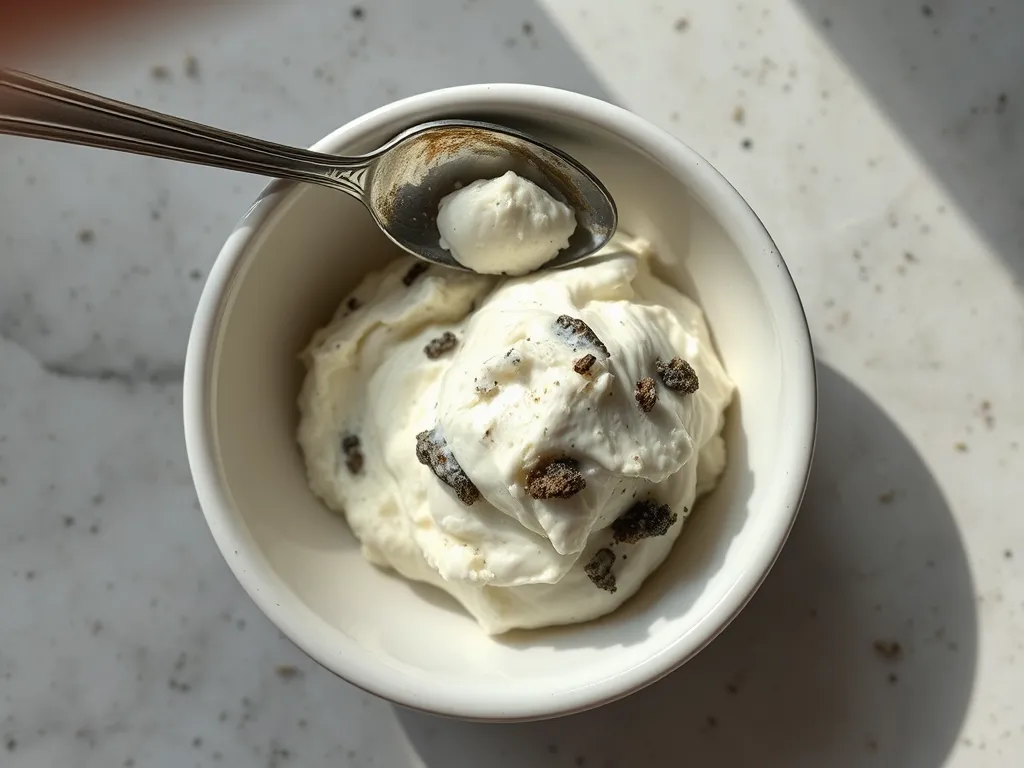
- Visible mold (white, green, or black)
- Pink, gray, or orange discoloration
- Slimy or tacky surface texture
- Strong sour or rotten odor
- Discard entire container
- Do not consume
- Clean storage area where it was kept
Day 12 (Discard Now)
12 days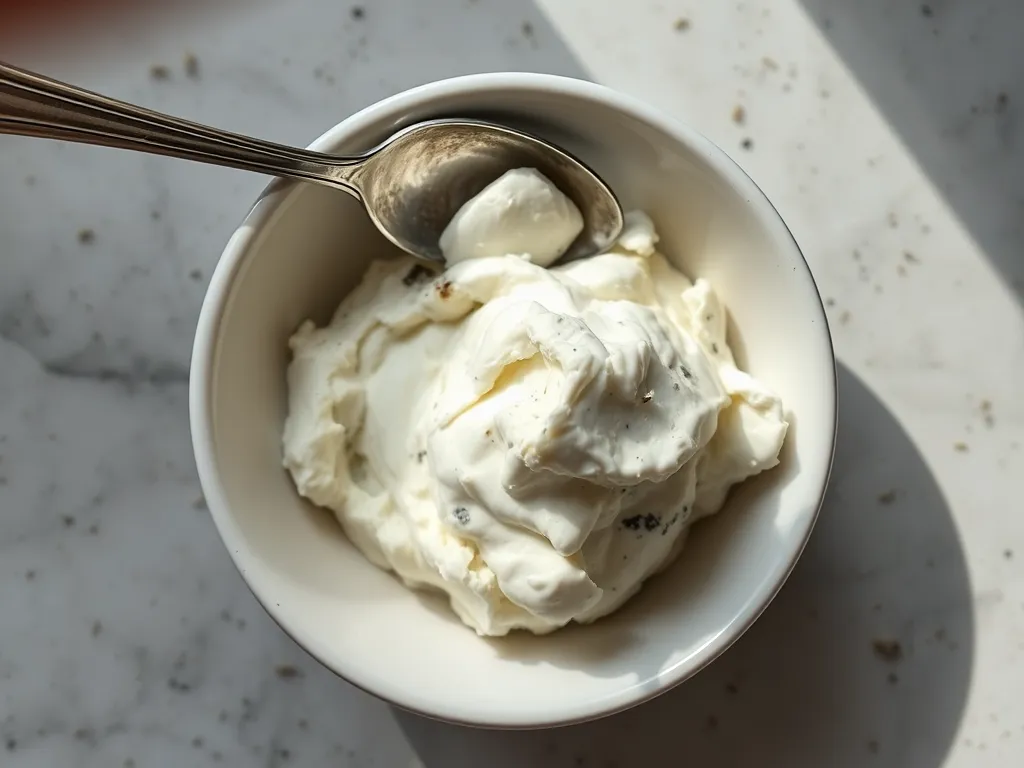
- Heavy discoloration or dark spots
- Spreading mold colonies
- Curds appearing collapsed or watery
- Sharp, unpleasant, or pungent odor
- Discard immediately
- Do not scrape off mold
- Replace with fresh ricotta
Common questions
How long does ricotta stay fresh in the refrigerator?
Ricotta generally lasts 1–2 weeks when stored in an airtight container in the refrigerator. Quality and safety decrease more quickly once the seal is broken.
What are the signs of spoiled ricotta?
Look for pink, gray, or fuzzy mold, a slimy surface texture, or a sour, yeasty, or pungent odor. If any of these are present, discard the cheese.
Is it safe to eat ricotta with liquid on top?
Yes, if the liquid is clear whey and the cheese smells fresh and looks white. However, if the liquid is cloudy or accompanied by a sour smell, toss it.
Can I scrape mold off soft cheeses like ricotta?
No. Because ricotta is soft and moist, mold roots can penetrate deep into the cheese where you cannot see them. Discard the entire container if mold appears.
Does freezing affect ricotta texture?
Freezing ricotta can cause it to become grainy or crumbly once thawed. It is best used in cooked recipes like lasagna rather than for fresh spreads after freezing.

Ricotta is a high-moisture cheese that moves quickly from fresh to spoiled. Trust your nose: if the scent is anything other than clean and milky, toss it.