
How Long Does Cream Cheese Last on the Counter?
Storage Guidelines and Safety Windows for Cream Cheese
Cream cheese left on the counter is safe for about 2 hours; when stored in the refrigerator, it lasts 1–2 weeks.
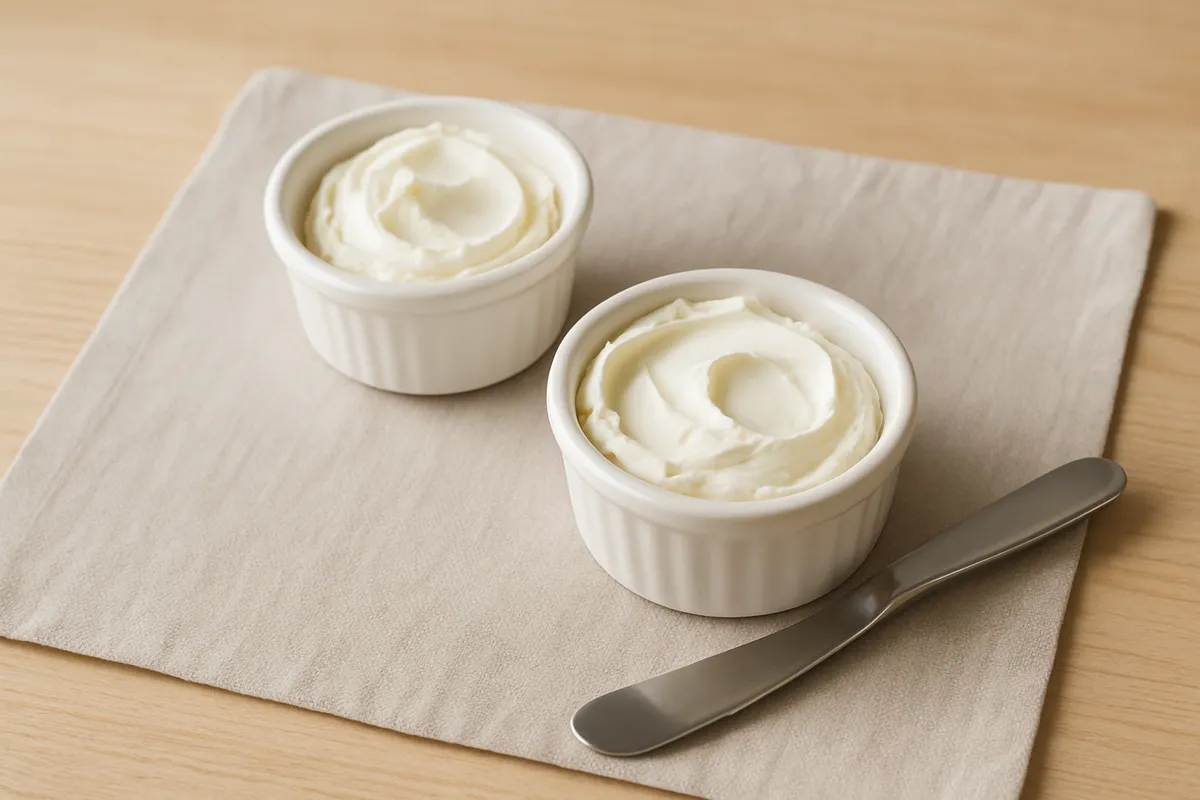
Cream cheese is a high-moisture dairy product that enters the food-safety danger zone quickly once removed from refrigeration. Whether you are preparing a bagel spread or baking a cheesecake, room temperature exposure must be limited. Following the USDA's two-hour rule is critical here, as bacterial growth accelerates rapidly after this window. Once opened, cream cheese remains high-quality for 1–2 weeks if kept in a sealed container within the fridge. This guide details the transition from peak freshness to spoilage, helping you identify exactly when the product is safe to eat and when it must be discarded.
Heads up: shelf-life ranges are estimates based on home storage. We make no guarantee of accuracy. When unsure, throw it out.
The full timeline
Hour 0–2 (Peak Fresh)
0–2 hours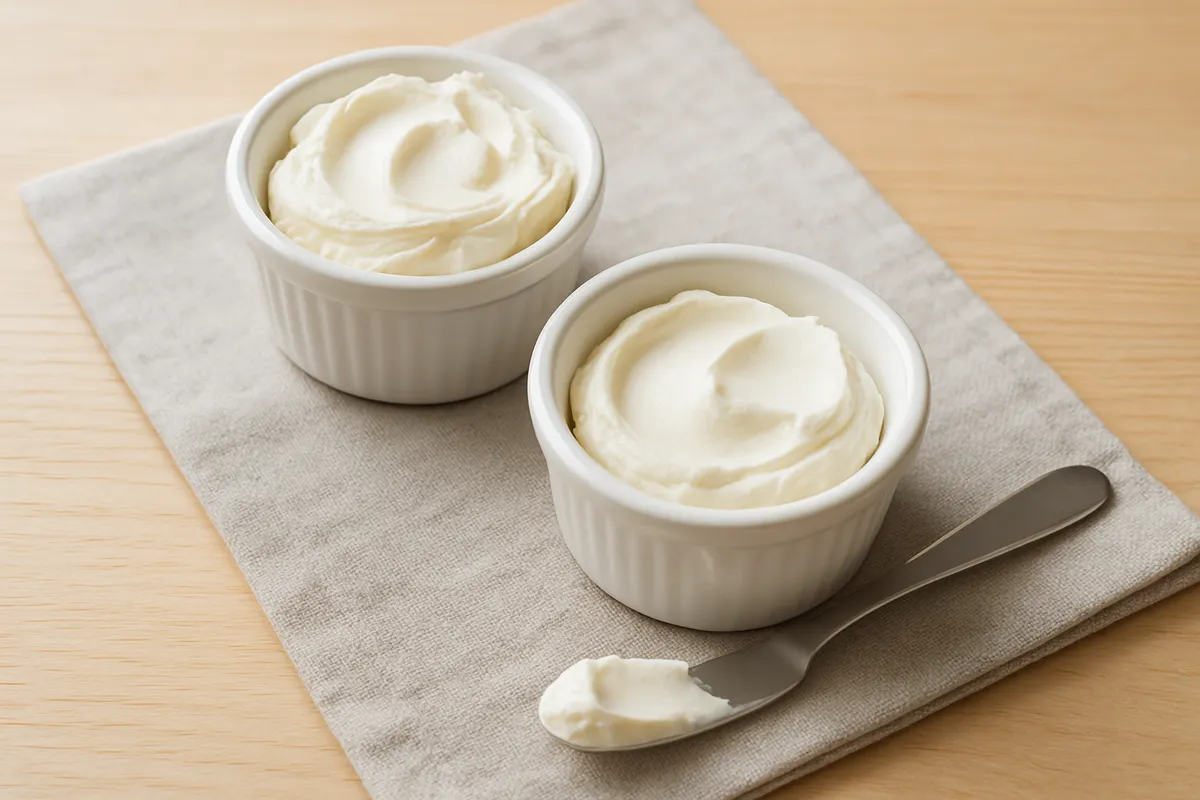
- Bright white or pale ivory color
- Smooth, dense consistency without separation
- Clean, mildly tangy aroma
- Glossy, intact surface texture
- Use immediately as a spread or dip
- Incorporate into recipes right away
- Return to the refrigerator if not consumed within the hour
Hour 2–4 (Warming Up)
2–4 hours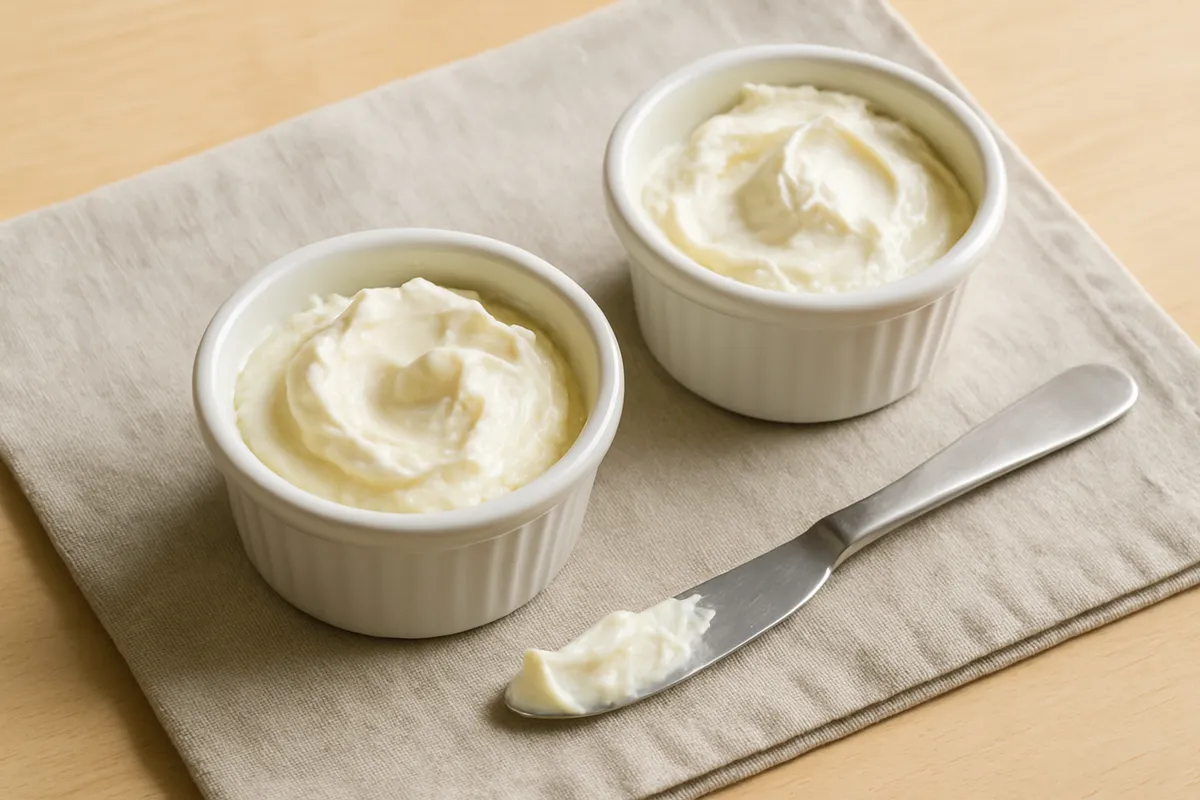
- Texture softens and may appear greasy
- Small beads of whey pooling at the edges
- Scent remains clean but slightly more sour
- Increased surface sheen
- Refrigerate immediately if total room temperature time is under two hours
- Discard if the exact time out of the fridge is unknown
- Avoid serving to high-risk individuals, including children and the elderly
Hour 4–8 (Risky Territory)
4–8 hours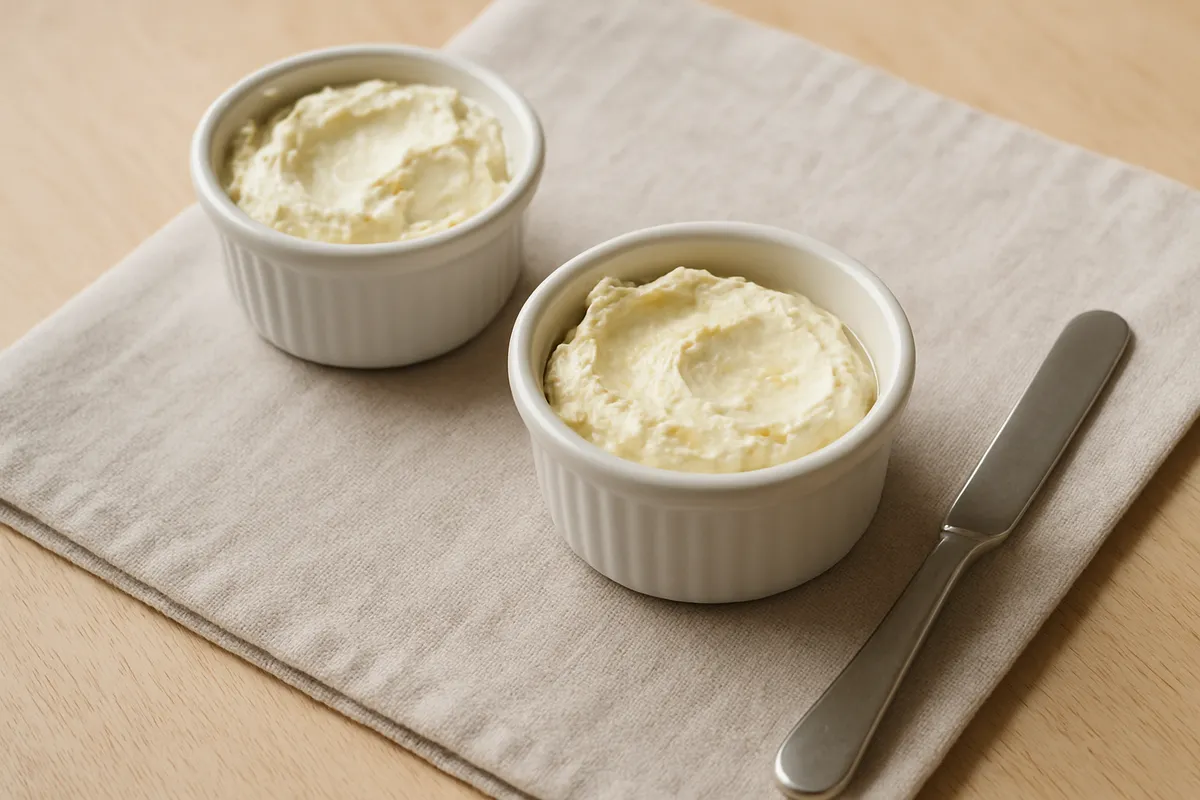
- Visible watery whey separation around the perimeter
- Loose texture that no longer holds its shape
- Pronounced sour or off-dairy odor
- Faint yellowing appearing at the edges
- Discard the product immediately
- Do not attempt to salvage by refrigerating
Week 1–2 (Refrigerator Prime)
1–2 weeks refrigerated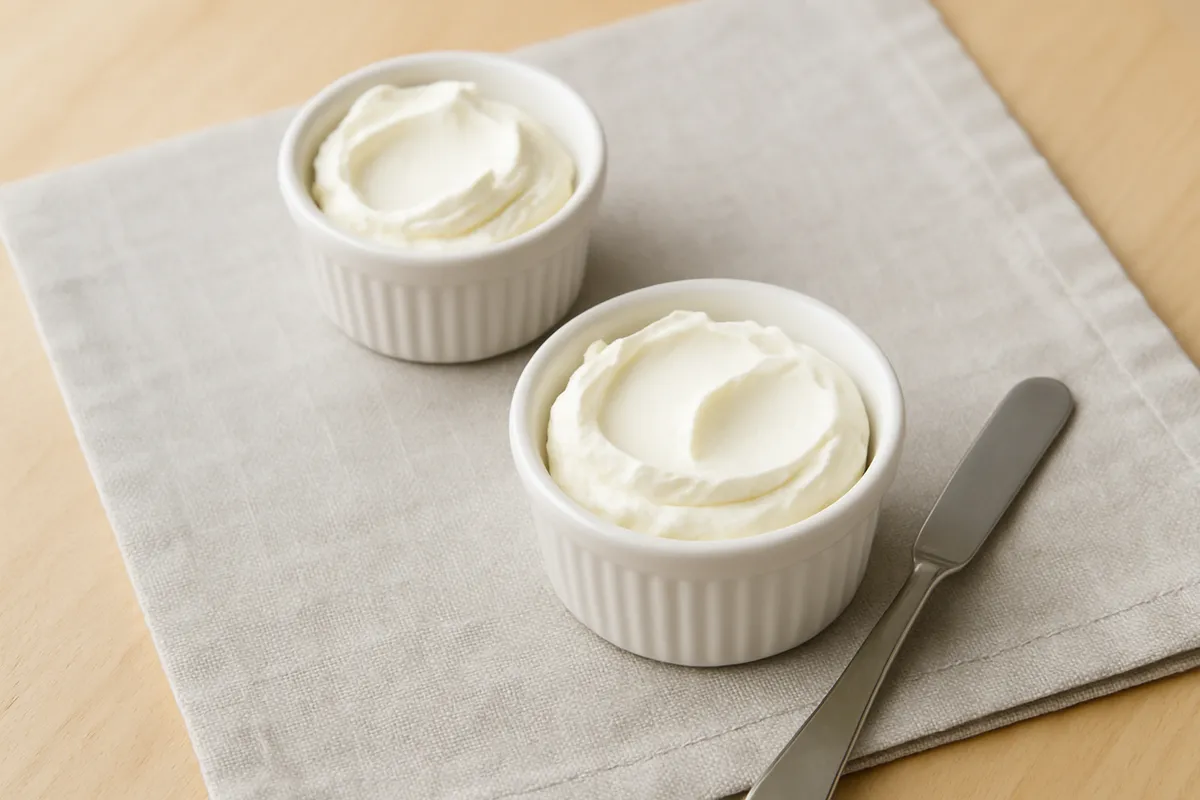
- Firm, smooth texture (standard for cold storage)
- Clean, tangy scent without rancid notes
- No visible mold or surface discoloration
- Minor whey separation at the top
- Store tightly sealed in original or airtight packaging
- Consume within two weeks of opening
- Stir in separated whey before use
Week 3 (Past Prime)
3+ weeks refrigerated after opening
- Pink, green, or blue-grey mold spots on the surface or edges
- Strong rancid smell distinct from natural tanginess
- Chalky, grainy, or slimy texture
- Yellowish or greyish discoloration throughout
- Discard the entire container
- Avoid scraping off mold to save the remaining cheese
Common questions
How long can cream cheese stay on the counter?
Cream cheese is safe on the counter for up to 2 hours. After this period, it enters the bacterial danger zone and should be thrown away to avoid foodborne illness.
What is the best way to store opened cream cheese?
Keep opened cream cheese in its original tub or an airtight container in the refrigerator. It will remain fresh for 1–2 weeks.
Is it safe to eat the liquid on top of cream cheese?
Yes, the liquid is whey, a natural dairy byproduct. You can stir it back into the cheese. However, discard the product if the liquid smells sour or the cheese has been open for more than two weeks.
Can you freeze cream cheese?
Yes, cream cheese can be frozen for up to 2 months in airtight packaging. Note that the texture becomes grainy upon thawing, making it better suited for baking (like cheesecake) than as a spread.
How do I tell if refrigerated cream cheese has gone bad?
Check for any colored mold spots, a slimy or chalky consistency, or a rancid smell. If any of these are present, discard the entire container immediately.
Can I use cream cheese that sat out for 3 hours if it smells okay?
No. Harmful bacteria often grow without producing a noticeable odor. Because it has exceeded the 2-hour safety limit, it is no longer safe to eat.

Cream cheese is a short-term guest on your counter. Keep it refrigerated and sealed, and discard the entire tub at the first sign of mold—no trimming or tasting required.