
How to Tell If Olive Oil Has Gone Bad
Rancid vs. fresh: sniff, taste, and storage cues that matter
Olive oil stored in the pantry stays good for 18–24 months unopened.
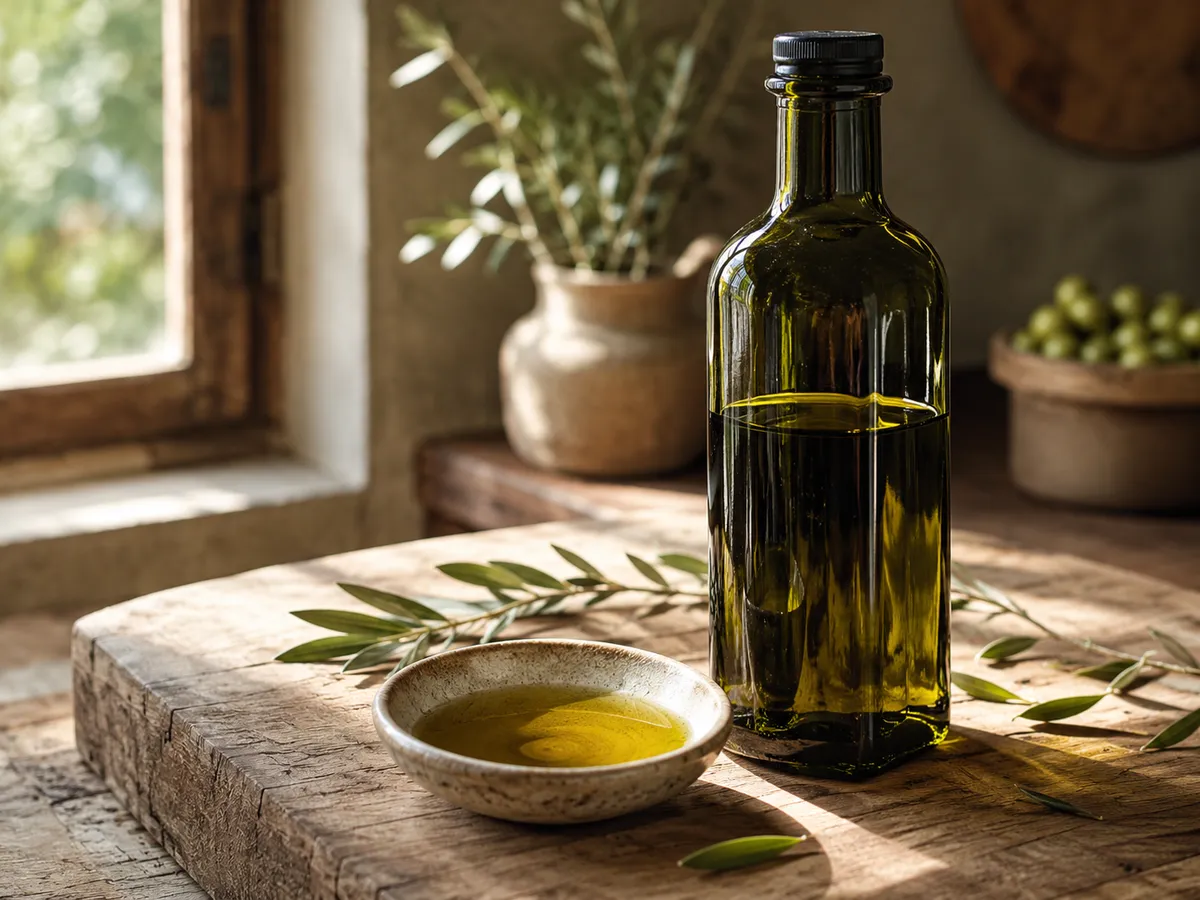
Olive oil doesn't spoil the way raw meat does, but it does go rancid — and rancid olive-oil is a flavor disaster that quietly ruins every dish it touches. The culprit is oxidation: exposure to light, heat, and air gradually breaks down the fatty acids, producing waxy, crayon-like off-notes. Knowing how to read the cues — color shift, smell, and taste — lets you catch the decline early and decide whether your bottle is still worth cooking with or ready for the recycling bin.
Heads up: shelf-life ranges are estimates based on home storage. We make no guarantee of accuracy. When unsure, throw it out.
The full timeline
Month 1–6 (Peak Fresh)
1–6 months after bottling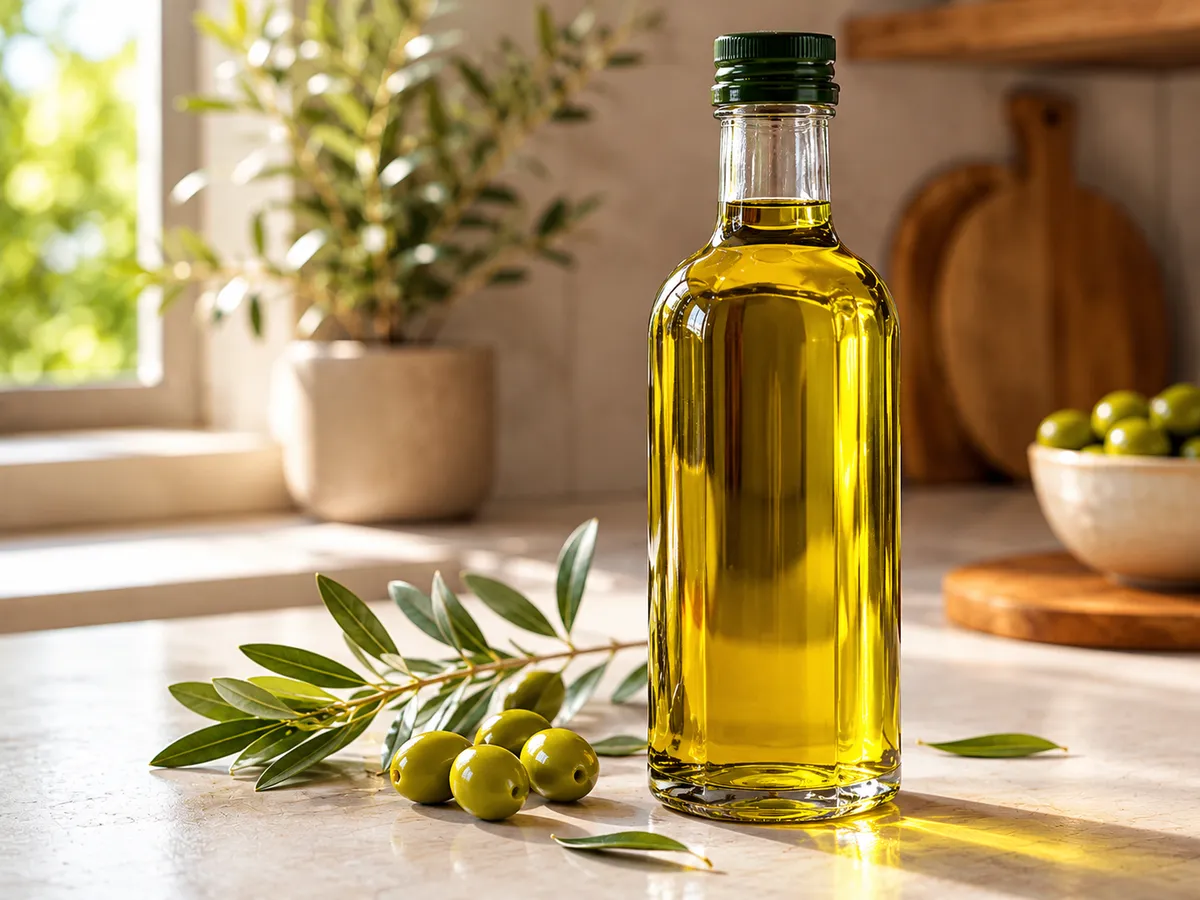
- Color is golden-green or bright gold depending on variety
- Aroma is grassy, fruity, or faintly peppery
- Taste has a clean finish with mild bitterness
- Pours smoothly with no cloudiness at room temperature
- Use for finishing dishes and dressings
- Store away from heat and direct light
- Keep cap tight after each pour
Month 7–12 (Still Good)
7–12 months after bottling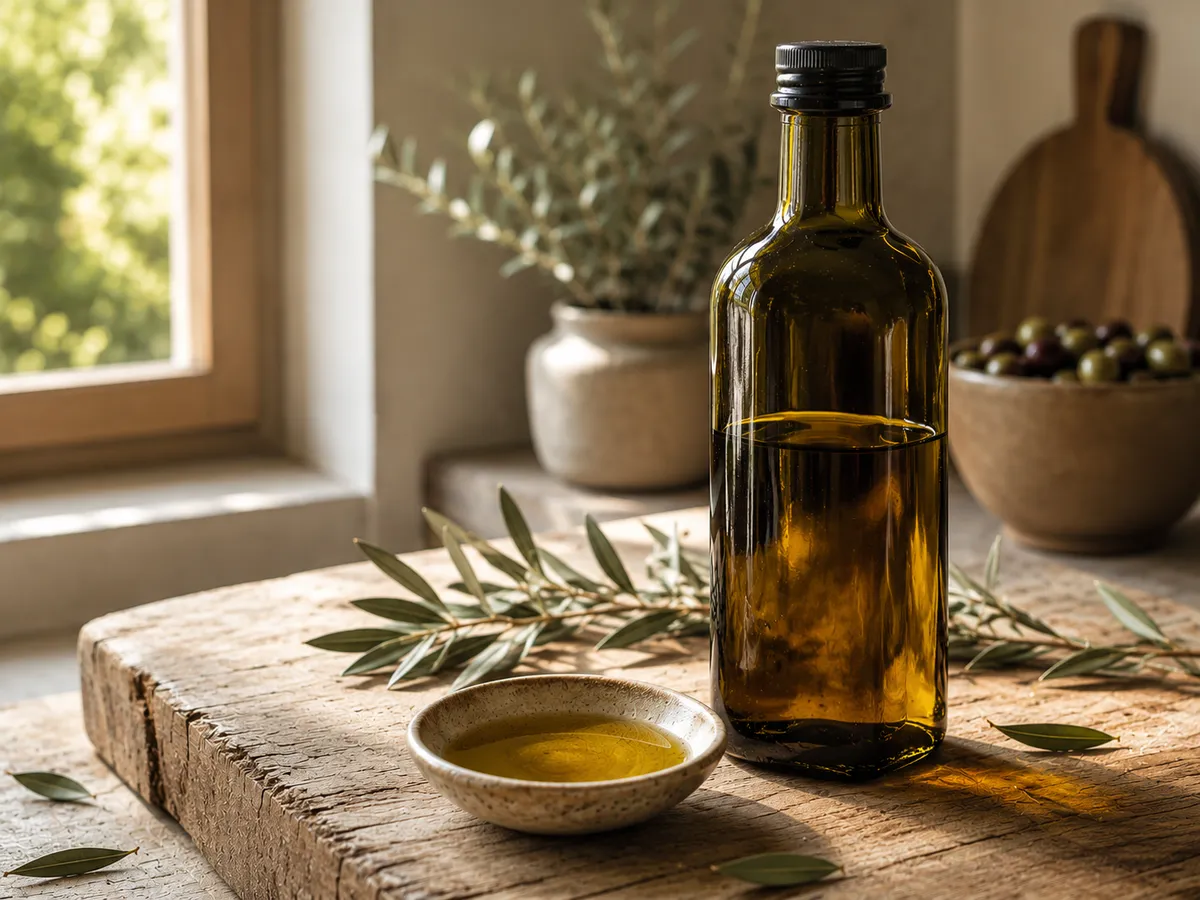
- Color may deepen slightly toward darker gold
- Grassy aroma is softer but still present
- Taste is clean with mild fruitiness
- No off-odors when sniffed directly from the bottle
- Use for sautéing and roasting
- Finish within the next few months for best flavor
- Transfer to a smaller bottle if more than half is gone
Month 13–18 (Fading Fast)
13–18 months after bottling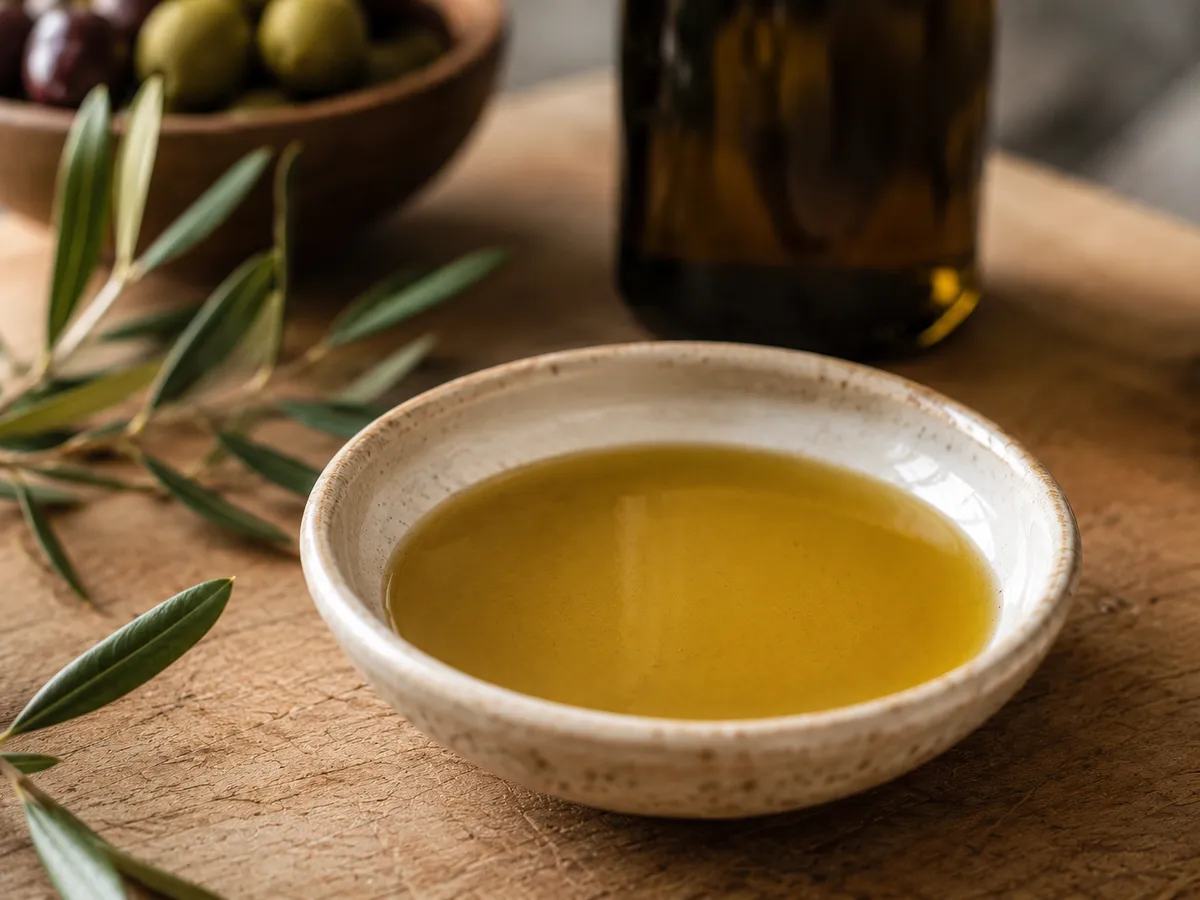
- Aroma is noticeably flatter or faintly musty
- Color may look dull or slightly murky
- Taste lacks the clean finish — mild waxy note possible
- May smell faintly of crayons or old nuts when warmed
- Use only for high-heat cooking, not finishing
- Do a sniff-and-taste check before each use
- Plan to replace the bottle soon
Month 19–24 (Borderline)
19–24 months after bottling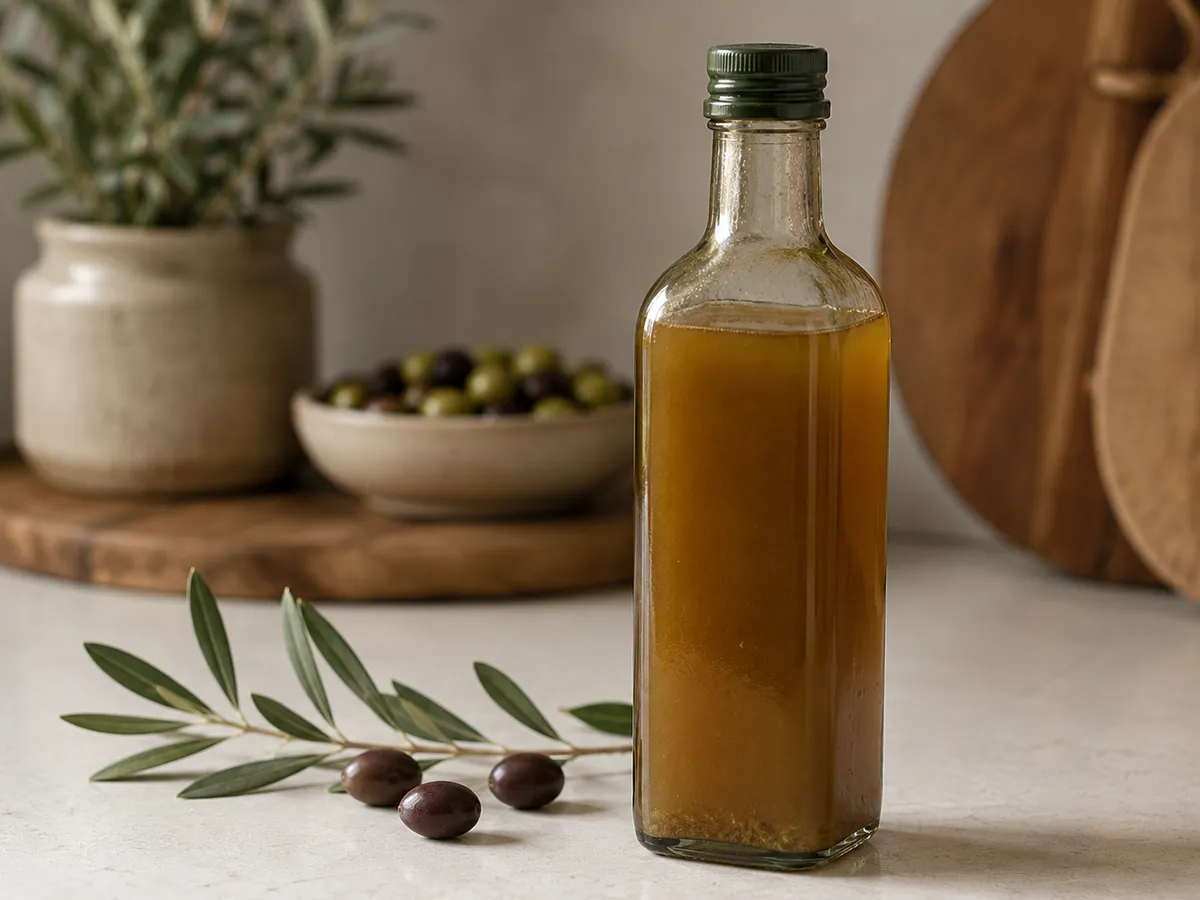
- Distinct waxy or crayon-like smell on opening
- Taste is noticeably stale or bitter in an unpleasant way
- Oil may appear cloudy or slightly thickened
- Grassy or fruity notes are completely gone
- Taste a small amount before using in any dish
- Toss if the waxy or rancid note is clear
- Use only for non-food purposes like seasoning cast iron if flavor is off
Month 25 (Gone Rancid)
25+ months after bottling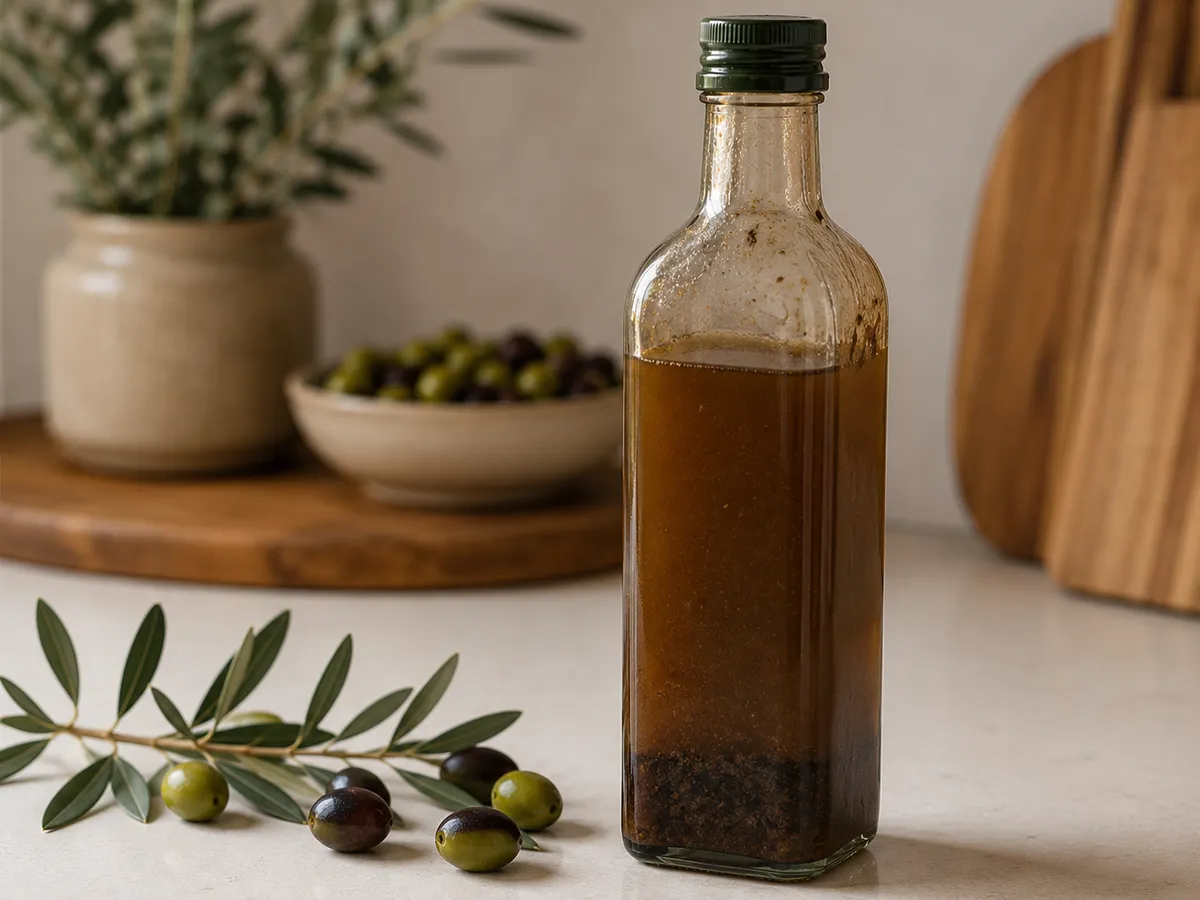
- Strong rancid odor — unmistakably waxy, putty-like, or sour
- Taste is harsh, acrid, or deeply bitter
- Oil may be visibly cloudy or have sediment throughout
- Any food cooked in it will taste off
- Toss the bottle
- Recycle the glass container
- Replace with a fresh bottle stored in a cool, dark spot
Common questions
Can rancid olive oil make you sick?
Rancid olive oil is not acutely toxic, but it contains oxidation byproducts that are best avoided. It will definitely ruin the flavor of your food. Sage's Verdict: toss it on principle — fresh oil is cheap insurance.
Why does my olive oil look cloudy in the fridge?
Cold temperatures cause the natural waxes and fats in olive oil to solidify, creating a cloudy or even semi-solid appearance. Let it return to room temperature and it will clear up. This is normal, not spoilage.
Does the harvest date matter more than the best-by date?
Yes. The harvest date tells you when the olives were pressed; best-by dates can be set far out by producers. For peak flavor, aim to use extra-virgin olive oil within 12–18 months of the harvest date printed on the label.
Is dark glass or tin better for storage?
Both are better than clear glass or plastic. Dark glass and tin block light, which is one of the primary drivers of oxidation. If your bottle is clear, keep it inside a cupboard or wrap it in foil.
Can I store olive oil near the stove?
It's common but not ideal. Heat accelerates oxidation and shortens shelf life significantly — the counter anchor is only 6 months versus 18–24 months in a cool pantry. Move it to a cabinet away from the burners.
Does extra-virgin olive oil last longer than regular?
Not necessarily longer — EVOO's higher polyphenol content can slow oxidation slightly, but once opened and exposed to air, both grades degrade at a similar pace. Storage conditions matter far more than grade.

Buy in a size you'll finish in 2–3 months, store in a cool dark cabinet, and sniff before you pour. Fresh olive oil is worth protecting.