
How Long Does Flour Last in the Pantry?
All-purpose, whole wheat, and specialty flours each age differently — here's what to watch for.
Flour lasts 6–8 months in the pantry when stored in an airtight container away from heat and moisture.
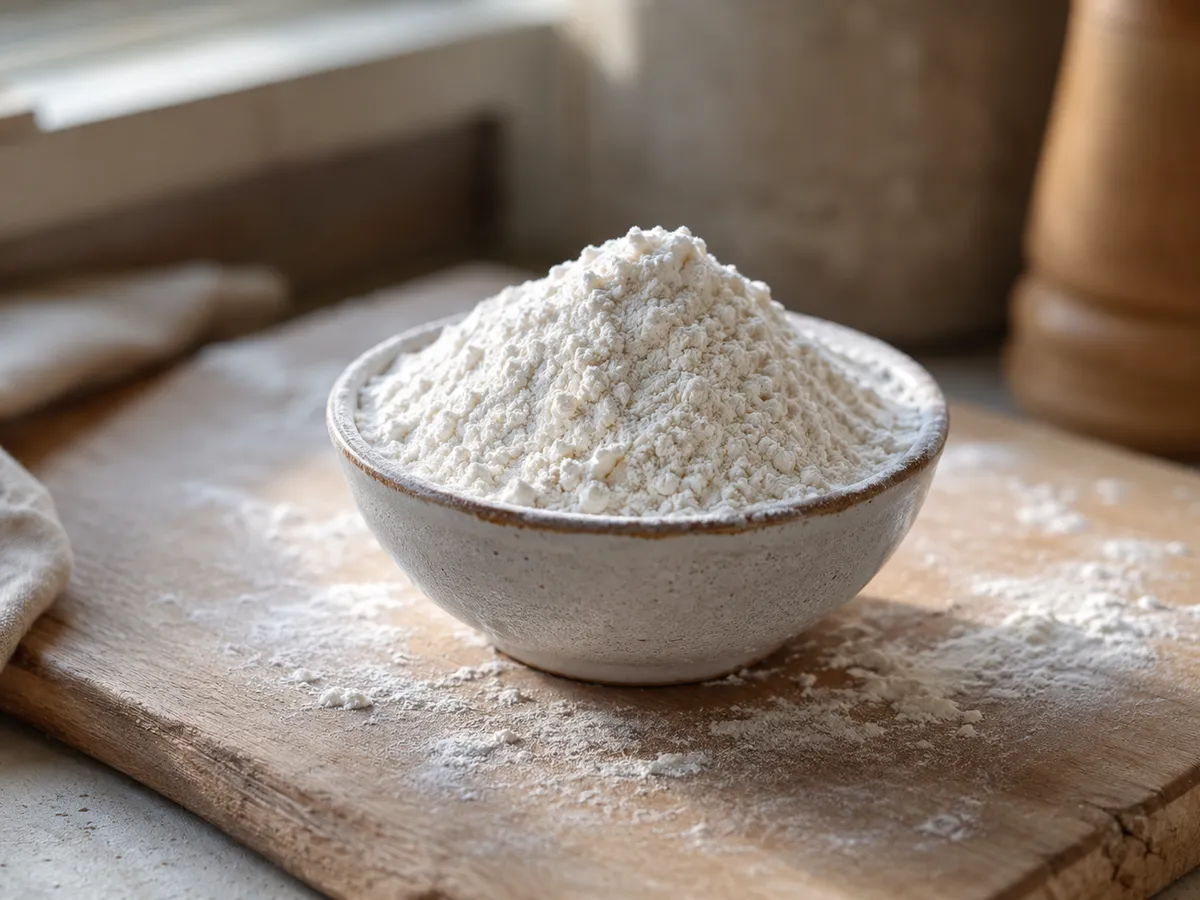
Flour is one of those pantry staples that seems like it should last forever — but it doesn't. All-purpose flour holds up reasonably well, staying fresh for 6–8 months in a cool, dry pantry. Whole wheat and other high-fat flours go rancid noticeably faster because their bran and germ oils oxidize. Moisture, heat, and light are flour's main enemies, and an open paper bag sitting near the stove is basically an invitation for staleness, clumping, or worse — pantry pests. Knowing the visual, textural, and smell cues at each stage helps you decide whether that bag in the back of the cupboard is still worth baking with.
Heads up: shelf-life ranges are estimates based on home storage. We make no guarantee of accuracy. When unsure, throw it out.
The full timeline
Month 1–2 (Peak Fresh)
1–2 months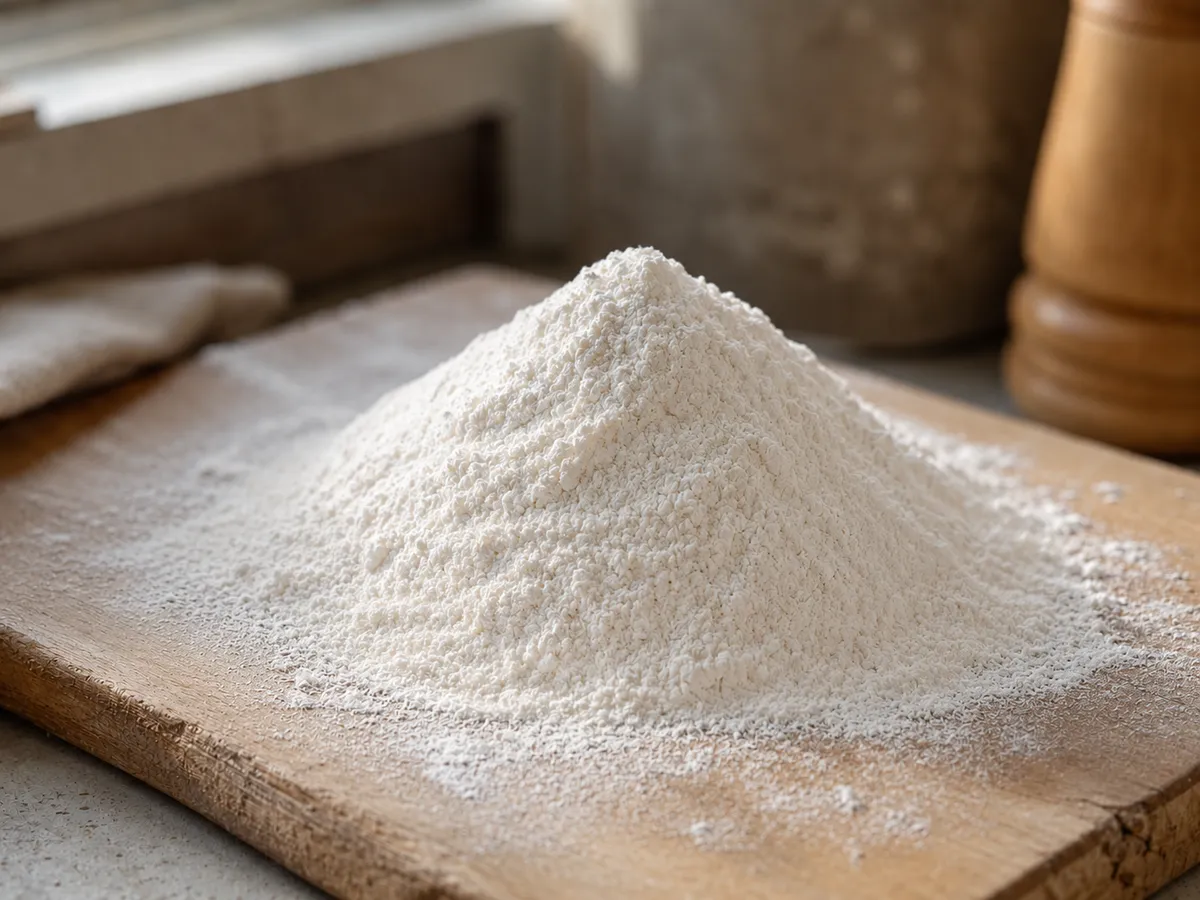
- Bright white or cream color with no grey or yellow tinge
- Neutral, faintly starchy scent — no off notes
- Fine, free-flowing powder with no clumps
- No visible insects or webbing
- Store in an airtight container in a cool, dry pantry
- Use freely for baking
Month 3–5 (Holding Steady)
3–5 months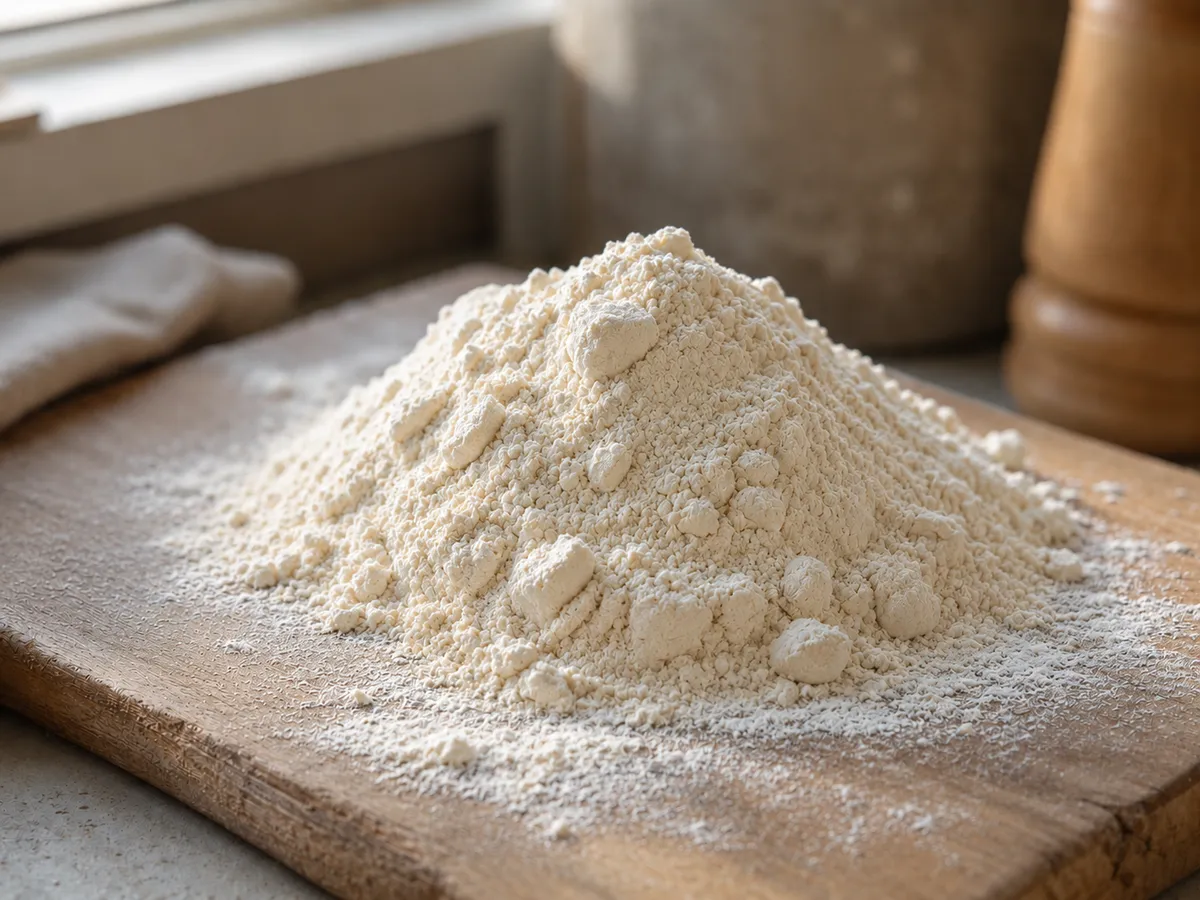
- Color still white to pale cream, no yellowing
- Scent remains neutral or very faintly starchy
- May have minor soft clumps that break apart easily with a fork
- No insect activity or musty odor
- Sift before use if minor clumping is present
- Continue storing in airtight container
- Transfer to freezer to extend life if not using soon
Month 6–8 (Use Or Lose)
6–8 months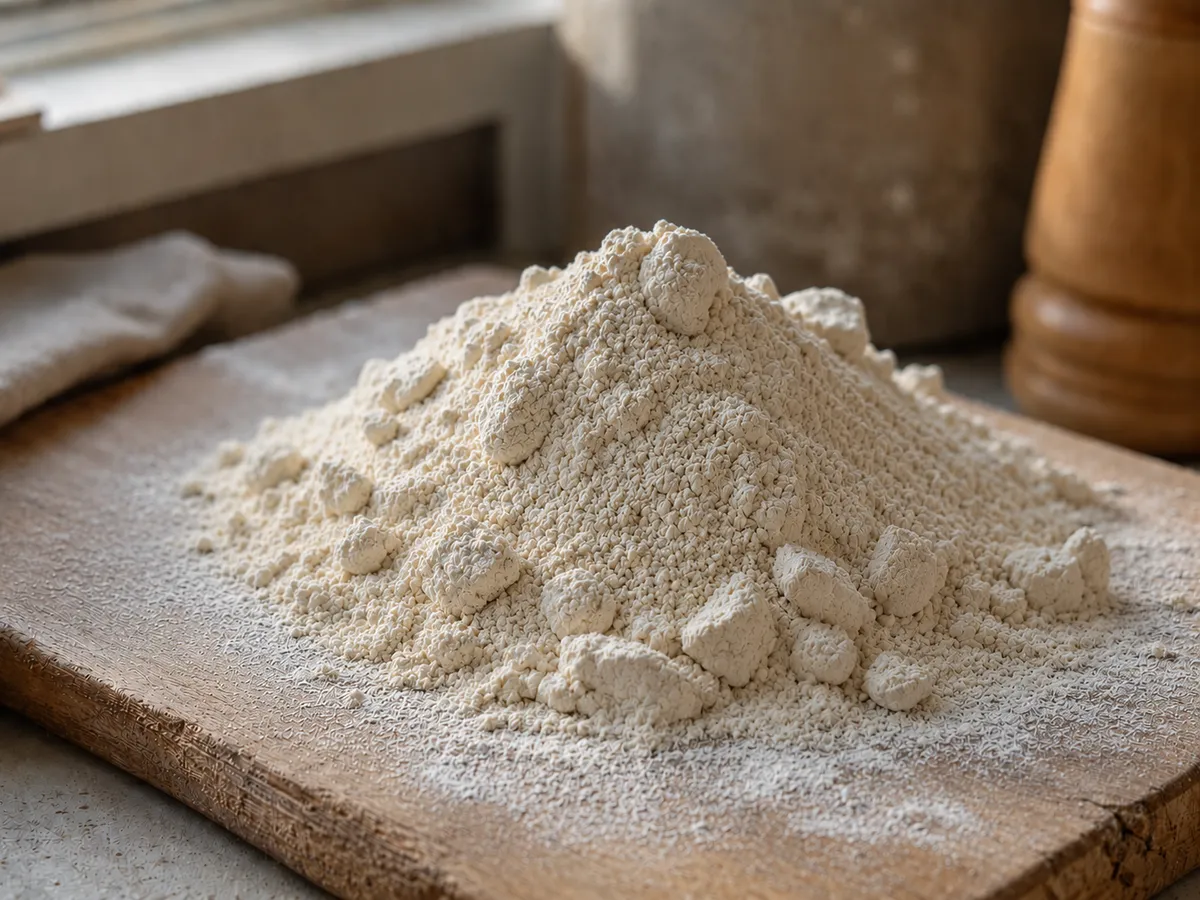
- Slight yellowish or greyish tint developing
- Faint stale or cardboard-like smell when sniffed closely
- Clumps are firmer and don't break apart as easily
- Baked goods may taste flat or slightly off
- Smell and inspect before using
- Use in strongly flavored recipes where subtle staleness won't show
- Discard if smell is noticeably rancid or sour
- Transfer remaining flour to freezer to halt further degradation
Month 9–12 (Past Prime)
9–12 months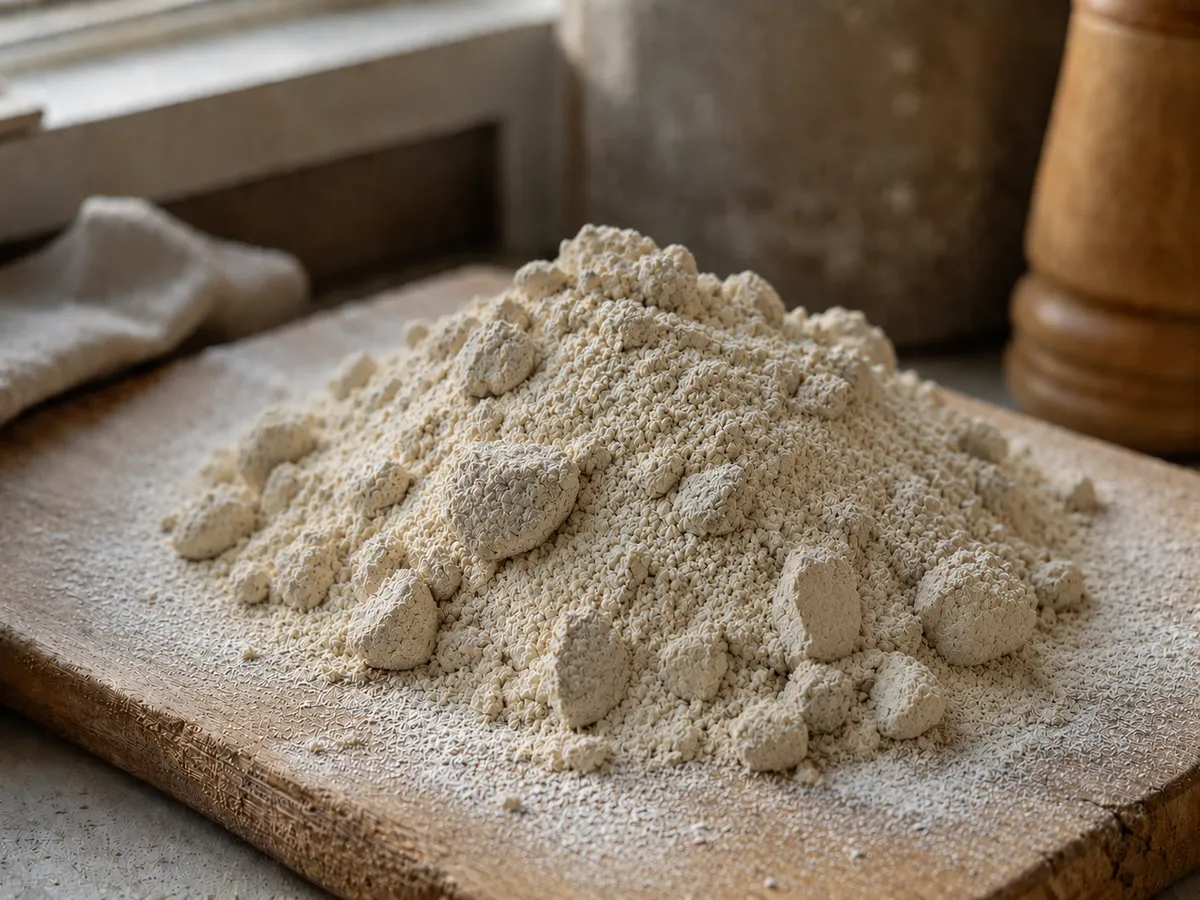
- Noticeable yellow, grey, or off-white coloration
- Distinct stale, musty, or crayon-like rancid odor
- Hard clumps that resist breaking
- Possible presence of tiny flour beetles or webbing if storage was imperfect
- Discard if rancid odor is present
- Discard if any insects or webbing are visible
- If smell is only mildly stale and no pests, use only in recipes where flavor is masked
Month 13 (Toss It)
13+ months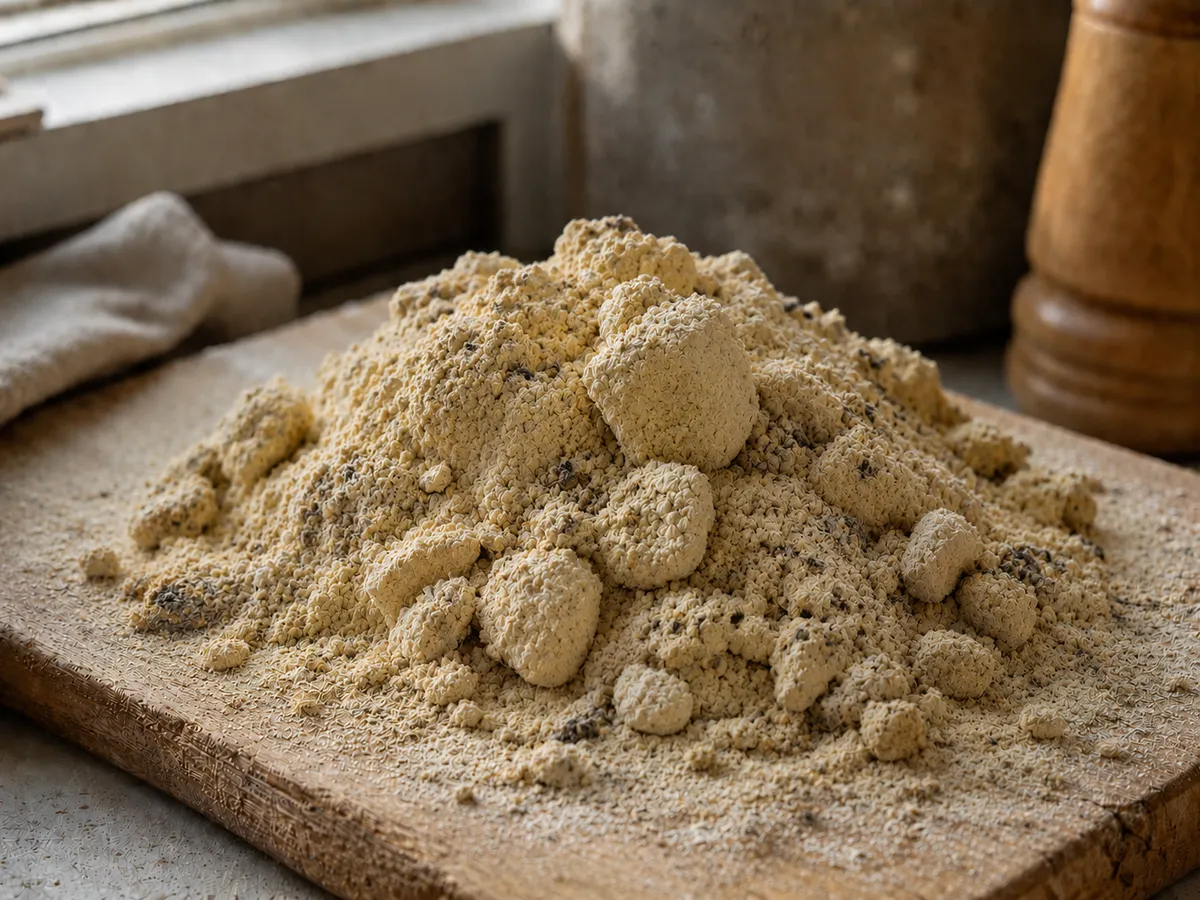
- Strong rancid, sour, or chemical odor
- Visible mold, dark spots, or significant discoloration
- Insect infestation — beetles, weevils, or webbing present
- Flour feels damp or has hardened into a solid mass
- Toss — seal in a bag before discarding to contain any pests
- Clean and dry the storage container thoroughly before refilling
Common questions
Does flour go bad in a way that makes you sick?
Flour rarely causes illness from spoilage alone — the main issue is rancidity, which tastes terrible but isn't toxic. The real food-safety risk with raw flour is E. coli contamination from grain, which is why raw dough should never be eaten regardless of flour age. Sage's Verdict: stale flour ruins your cookies; raw flour can make you sick — always bake it.
Does whole wheat flour expire faster than all-purpose?
Yes, significantly. Whole wheat flour retains the bran and germ, which contain oils that oxidize and go rancid. Expect 1–3 months at room temperature versus 6–8 months for all-purpose. Refrigerating or freezing whole wheat flour extends it to 6–12 months.
Can I store flour in the freezer to make it last longer?
Absolutely. Sealed in an airtight freezer bag or container, all-purpose flour keeps up to 2 years frozen. Let it come to room temperature before measuring — cold flour can affect dough hydration. Whole wheat flour benefits most from freezer storage.
How do I know if flour has pantry pests?
Look for tiny dark beetles (flour beetles), small moths, or fine webbing in the flour. A sifting test helps — pour flour through a fine sieve and inspect what's left. If you find insects, discard the flour and inspect nearby pantry items. Seal infested flour in a bag before tossing.
Does an unopened bag of flour last longer than an opened one?
Modestly. An unopened paper bag limits some oxygen exposure, but paper is not airtight. Transferring flour to a sealed airtight container — opened or not — is more effective than relying on the original packaging.
What's the best container for storing flour long-term?
A hard-sided airtight container (glass, BPA-free plastic, or stainless steel) in a cool, dark pantry is ideal. Avoid storing near the stove or in direct sunlight. For long-term storage beyond 6 months, move to the refrigerator or freezer.

Flour is patient, but not immortal. Airtight container, cool shelf, and a quick sniff before baking — that's the whole playbook.