
How Long Do Nuts Last in the Pantry?
From fresh and crunchy to stale and rancid — here's how to read your nuts before you eat them.
Nuts last 1–4 months in the pantry, depending on the variety and how well they're sealed.
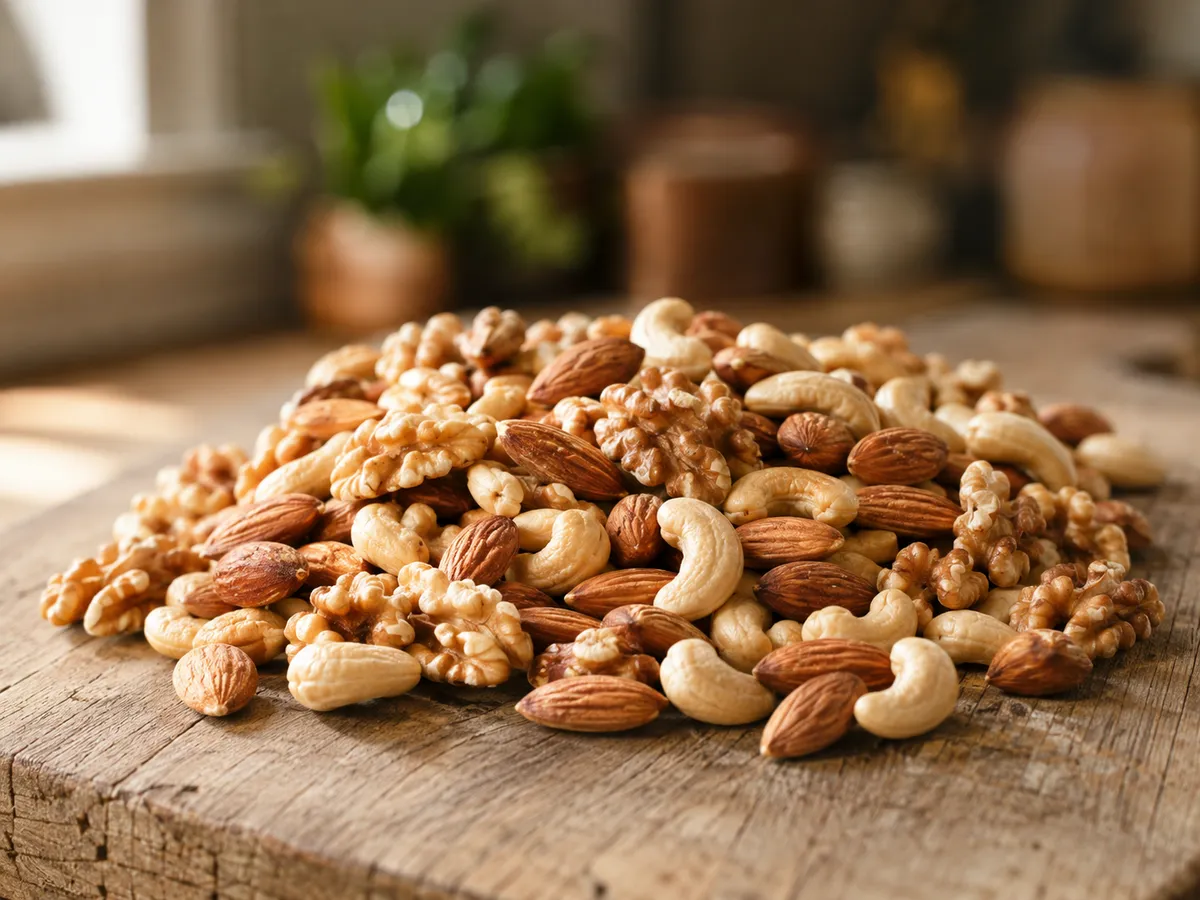
Nuts are a pantry staple that seem like they last forever — but they don't. The oils inside every almond, walnut, cashew, and pecan are prone to oxidation, and once that process kicks in, you get the unmistakable bitter, crayon-like smell of rancidity. Nuts stored in a cool, dark pantry in an airtight container can stay fresh for 1–4 months. Exposure to heat, light, or air shortens that window considerably. This guide walks through every stage of a nut's pantry life so you can tell peak crunch from a sad, stale handful — and know exactly when it's time to toss.
Heads up: shelf-life ranges are estimates based on home storage. We make no guarantee of accuracy. When unsure, throw it out.
The full timeline
Week 1–2 (Peak Fresh)
1–2 weeks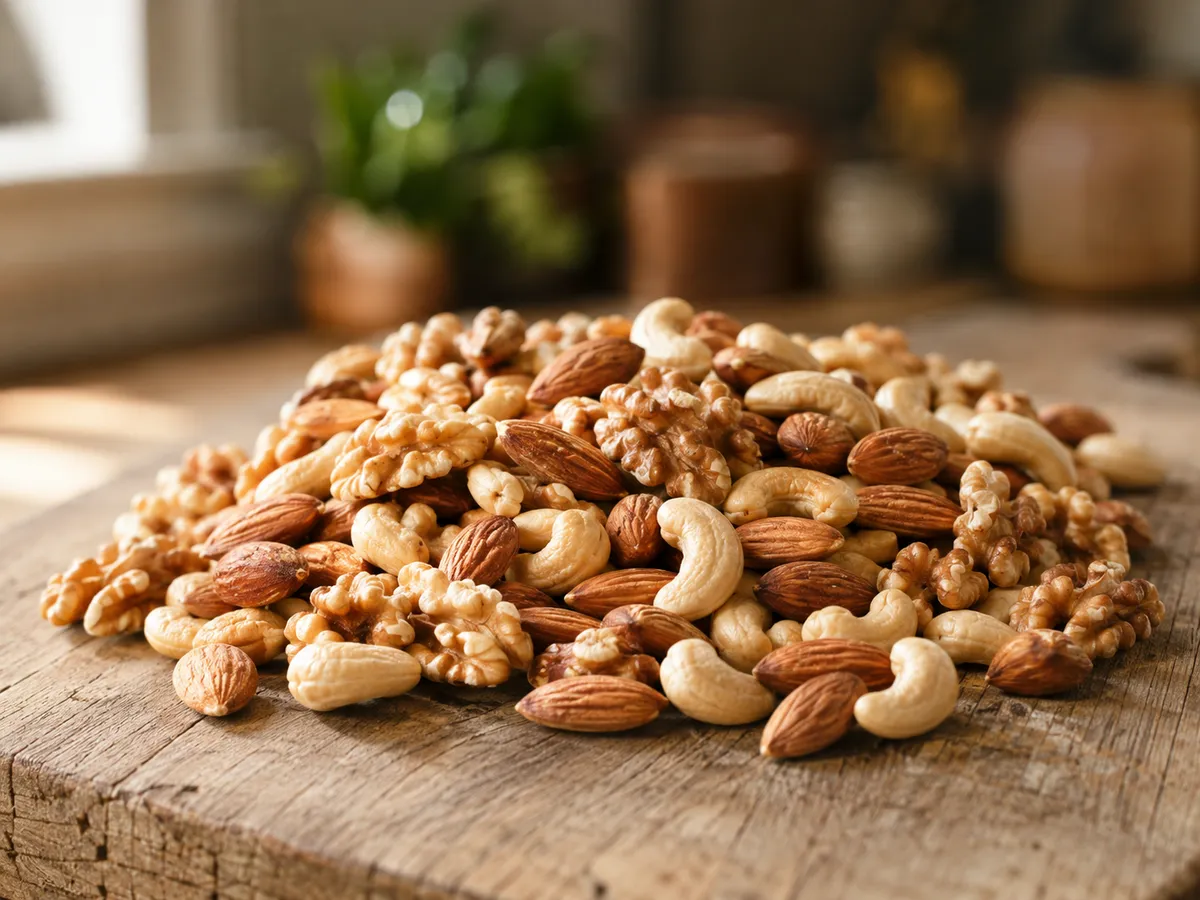
- Rich, nutty aroma with no off-notes
- Firm texture with a satisfying snap or crunch
- Natural color — no dark spots or oily sheen
- No clumping or moisture inside the bag
- Snack straight from the bag
- Use in baking or cooking
- Store in an airtight container in a cool, dark spot
Week 3–6 (Still Good)
3–6 weeks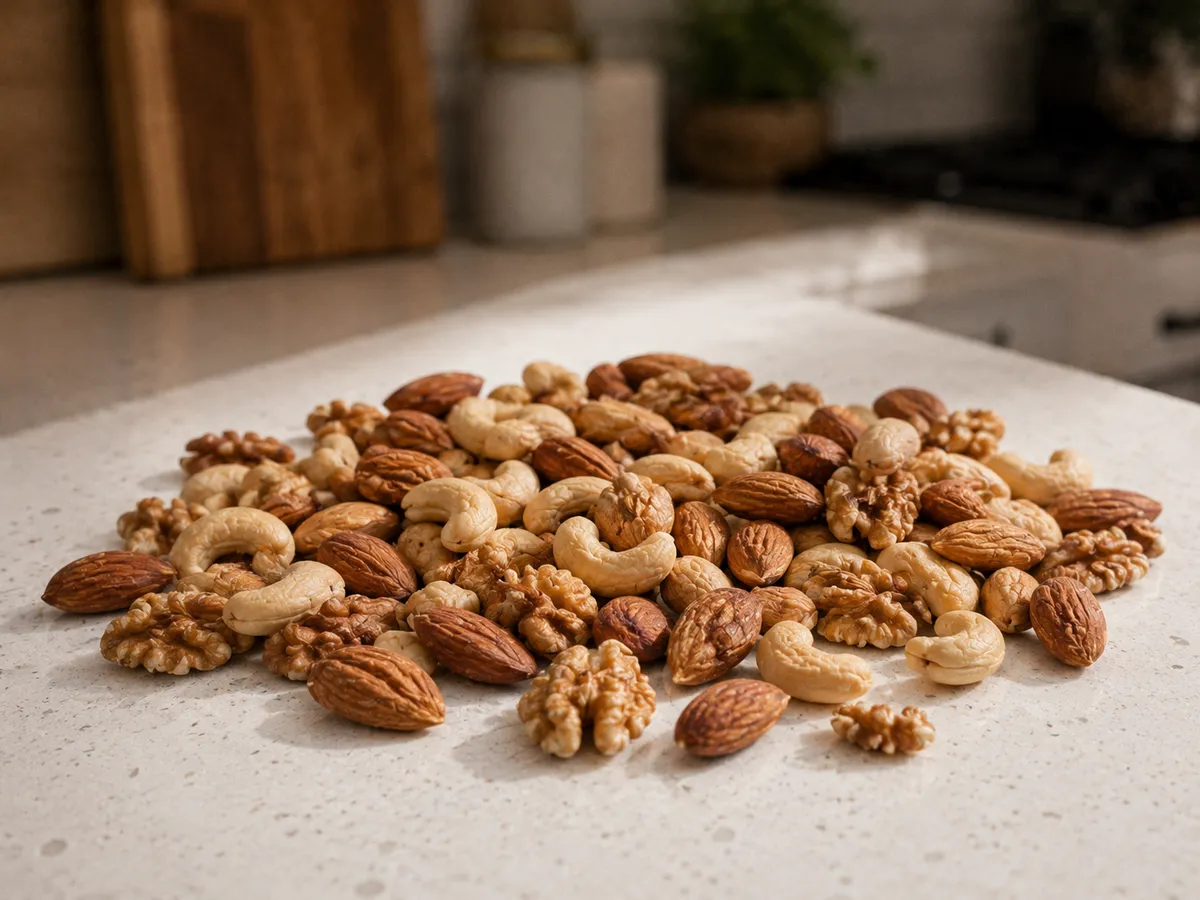
- Aroma still pleasant, perhaps slightly muted
- Texture remains firm with a good crunch
- Color consistent, no visible oil seeping through shells or surfaces
- No off-flavors when tasted
- Continue snacking or cooking
- Transfer to refrigerator to extend freshness
- Use in granola, trail mix, or baked goods
Month 2–3 (Fading Fast)
2–3 months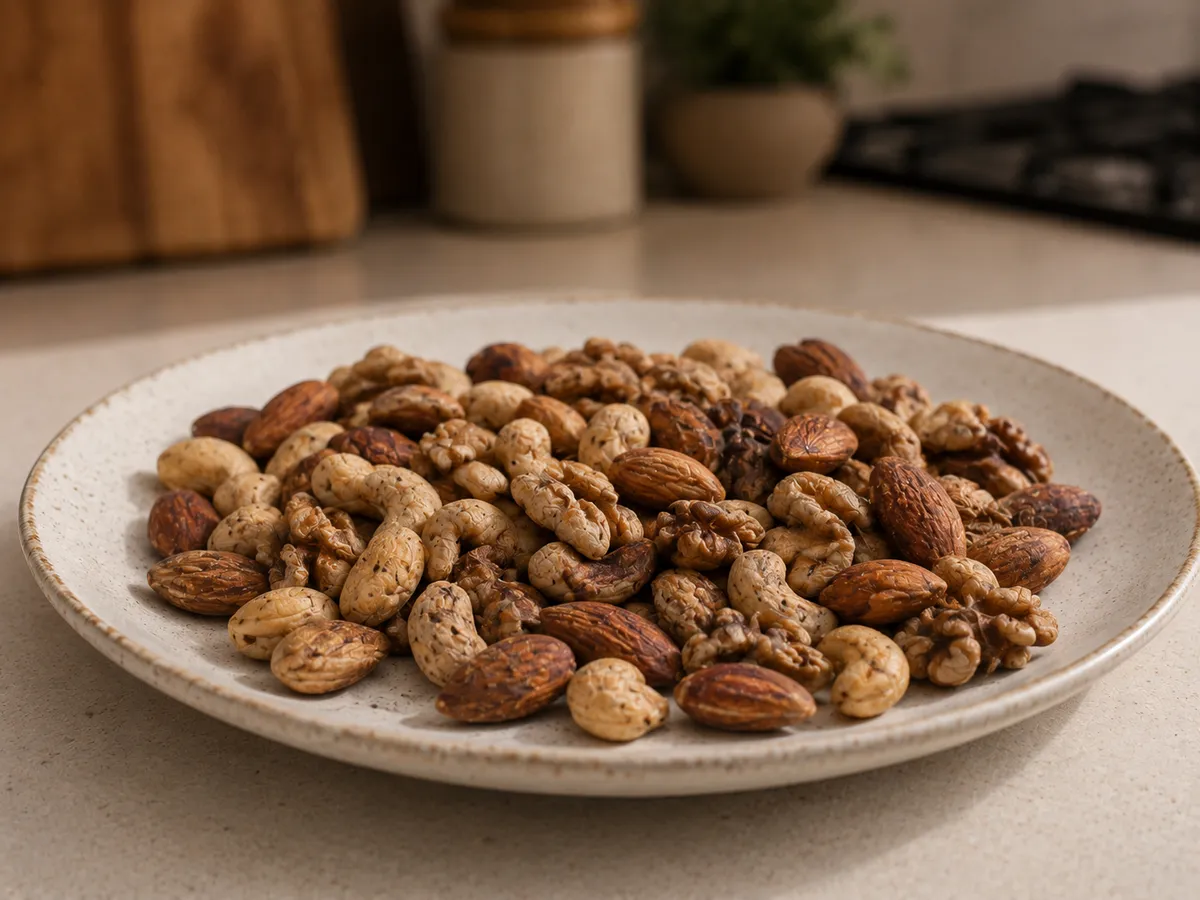
- Faint stale or cardboard-like smell when you open the container
- Texture softening slightly — less snap than before
- Possible slight darkening on nut surfaces
- Mild bitter or flat aftertaste on some pieces
- Taste-test before eating
- Toast in a dry pan to revive flavor
- Use in cooked dishes where subtle staleness won't matter
- Move remaining stock to the freezer to halt further decline
Month 4 (Rancid Risk)
4 months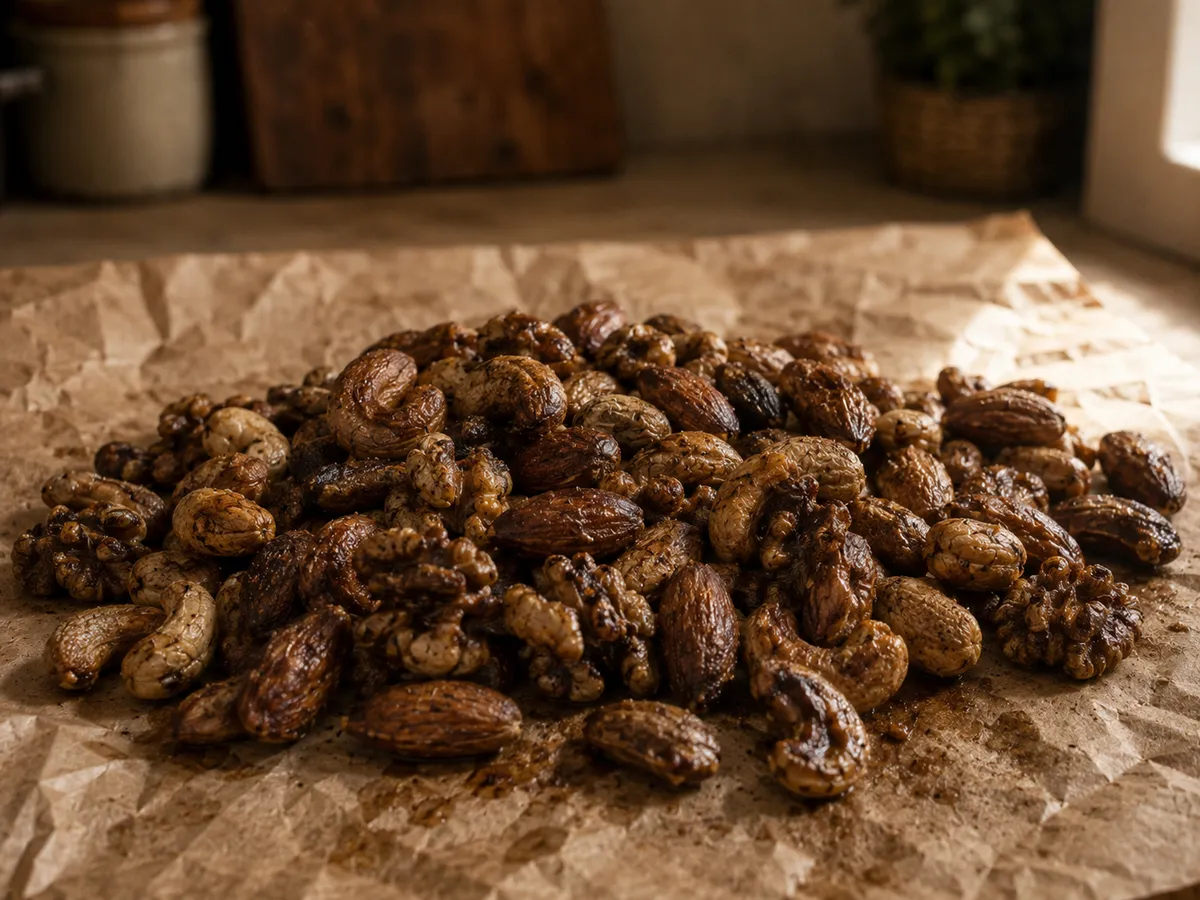
- Strong rancid, bitter, or crayon-like odor
- Greasy or oily surface texture on the nuts
- Noticeably soft, rubbery, or shriveled pieces
- Distinctly unpleasant bitter taste
- Toss the entire batch
- Do not attempt to toast or cook away rancidity — it doesn't work
Common questions
Do all nuts go rancid at the same rate?
No. High-fat nuts like walnuts and pine nuts go rancid fastest — sometimes within 1–2 months at room temperature. Lower-fat nuts like almonds and cashews hold up closer to 3–4 months. Sage's Verdict: buy smaller quantities of walnuts and pine nuts if you don't go through them quickly.
Can I eat rancid nuts — will they make me sick?
Rancid nuts are unlikely to cause acute food poisoning, but the oxidized fats (free radicals) they contain are harmful with regular consumption and linked to cellular stress. They also taste terrible. Toss them.
Does refrigerating or freezing nuts help?
Significantly. Refrigerating nuts extends shelf life to 6–12 months; freezing can push it to 1–2 years. Use airtight containers either way to prevent the nuts from absorbing fridge or freezer odors.
How can I tell if nuts are rancid without tasting them?
The smell test is the most reliable cue. Fresh nuts smell nutty and mild. Rancid nuts smell bitter, sharp, or like old crayons or paint. If the smell makes you hesitate, trust that instinct.
Do roasted nuts last longer than raw nuts?
Counterintuitively, no. Roasting activates the oils and can actually accelerate oxidation. Roasted nuts often go stale faster than raw ones, especially if stored in an open container or in a warm spot.
What's the best container for pantry storage?
An airtight glass jar or resealable bag with as much air pressed out as possible. Keep it in a cool, dark cabinet away from the stove, oven, or any heat source. Light and heat are the main enemies of nut freshness.

Nuts are pantry gold — but only when stored right. Airtight, cool, and dark is the mantra. When in doubt, sniff first.