
How Long Do Hard Boiled Eggs Last in the Fridge?
Freshness Guide & Safety Timeline
Hard boiled eggs last up to 1 week refrigerated, whether peeled or unpeeled.
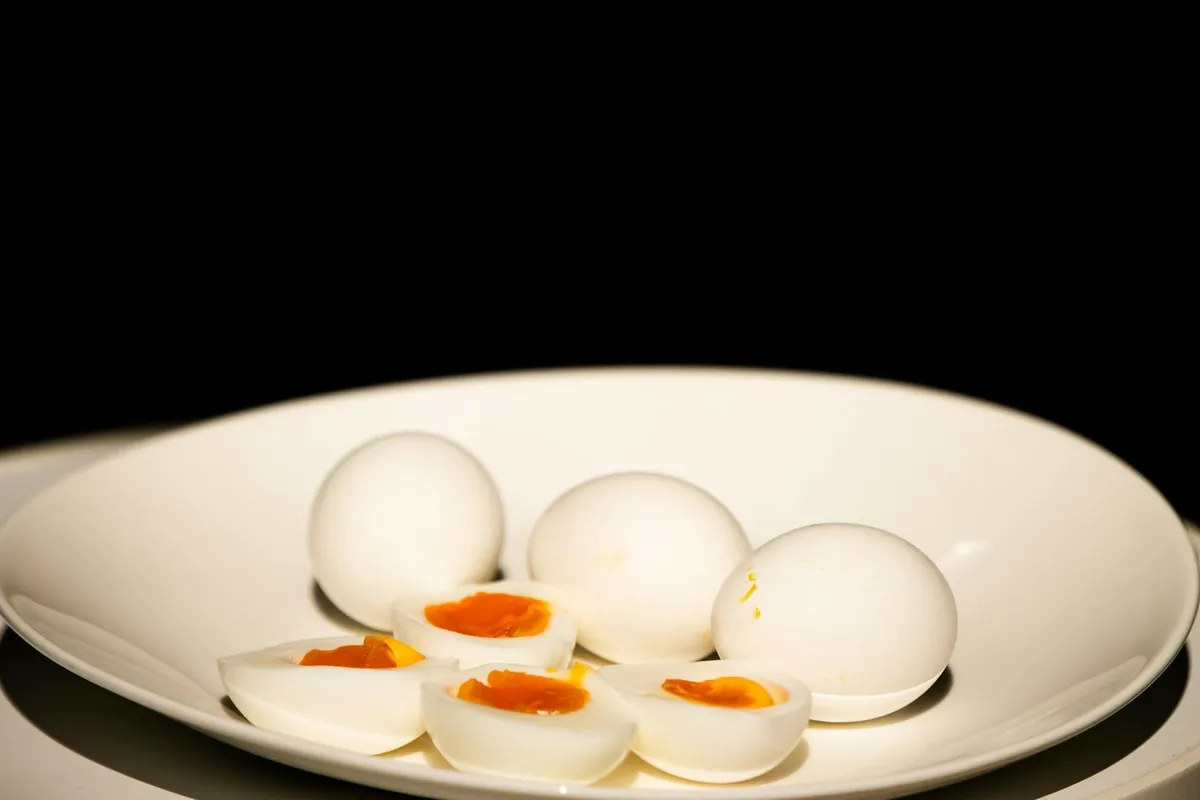
Hard boiled eggs are a convenient meal-prep staple, but they require careful storage. Unlike raw eggs, the boiling process removes the protective natural coating (the cuticle) from the shell, making them more susceptible to bacteria and absorbing refrigerator odors. To keep them safe, you must store them in a sealed container within the refrigerator. While they remain edible for several days, spoilage can be subtle—often appearing as a faint sulfurous scent or a slippery texture on peeled eggs. This guide provides a clear timeline from peak freshness to the point of disposal, helping you distinguish between normal cooking discoloration and actual spoilage.
Heads up: shelf-life ranges are estimates based on home storage. We make no guarantee of accuracy. When unsure, throw it out.
The full timeline
Day 1–2 (Peak Fresh)
1–2 days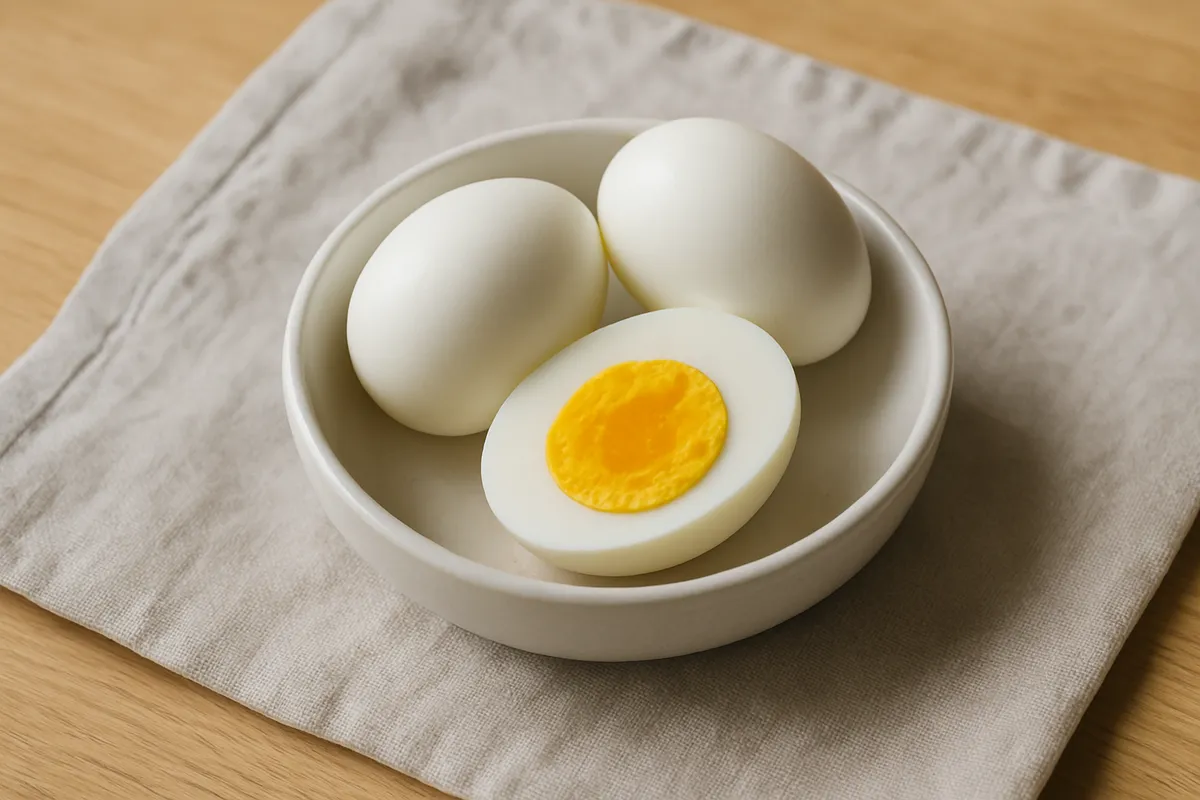
- Shell is clean, dry, and free of cracks
- White is firm and slightly glossy when peeled
- Yolk is bright golden-yellow with no grey ring
- Mild, neutral egg scent without any sulfur notes
- Eat as a snack or part of a meal
- Slice into salads or grain bowls
- Store unpeeled in the fridge to maximize freshness
Day 3–5 (Still Good)
3–5 days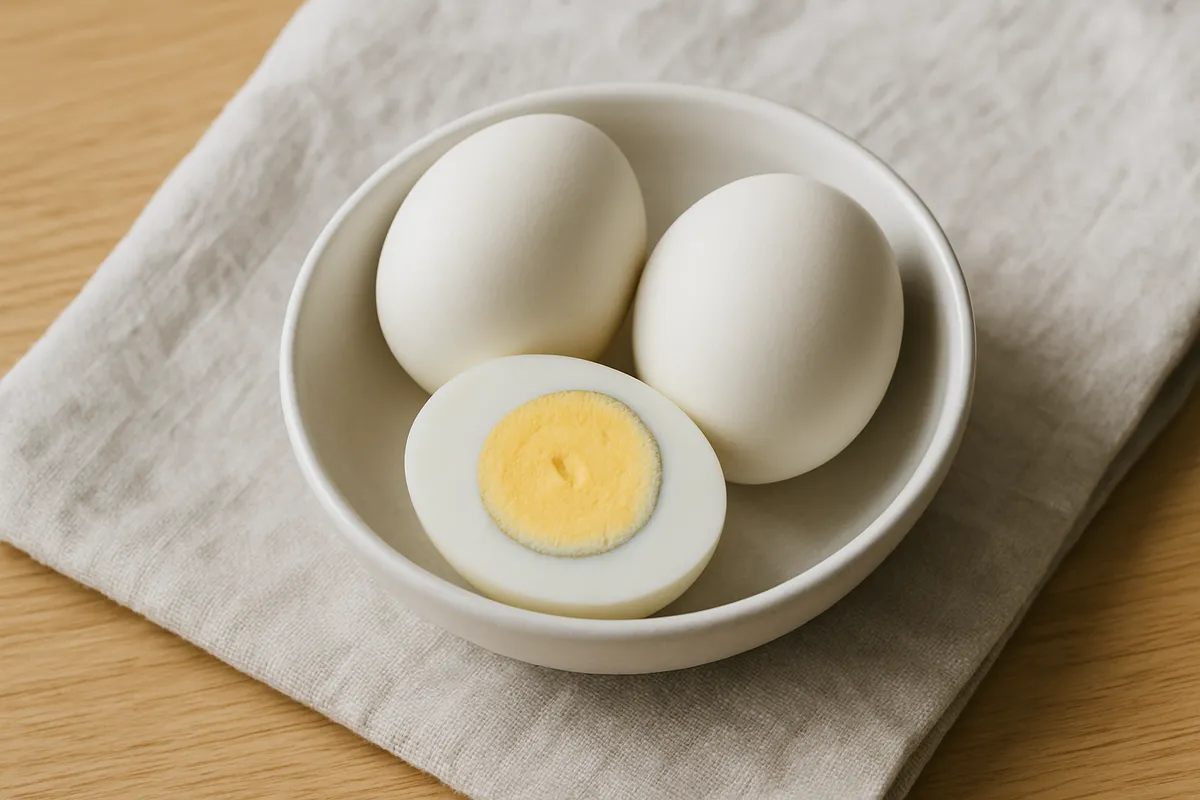
- Shell may show faint moisture spots but no cracks
- White is firm and slightly less glossy if peeled
- Yolk shows a very faint grey-green tinge at the outer edge (normal oxidation)
- Smell is neutral to mildly eggy, with no sourness
- Eat as-is
- Chop into egg salad or deviled eggs
- Keep unpeeled in the refrigerator until day 7
Day 6–7 (Use Today)
6–7 days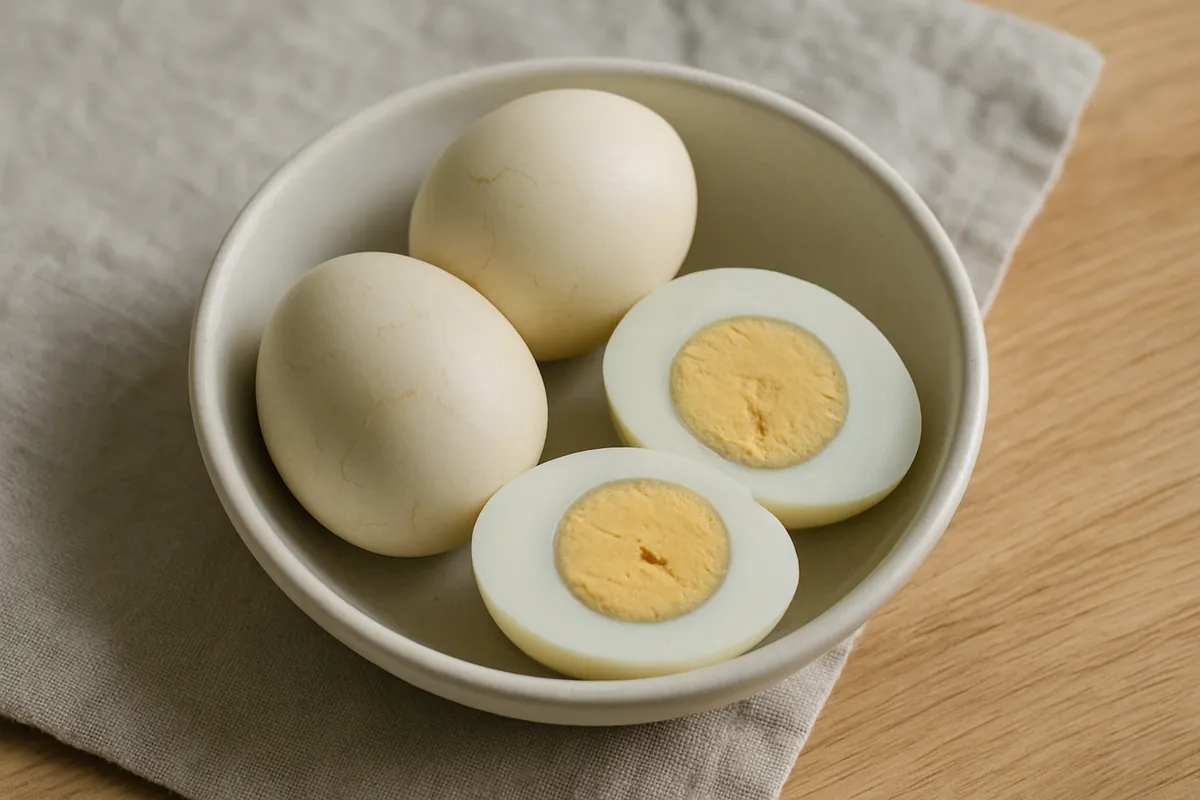
- Peeled surface feels slightly slippery or tacky
- Noticeable sulfur or rubbery odor when sniffed closely
- Yolk grey-green ring is more pronounced
- Shell has faint discoloration or small cracks
- Eat today if texture and scent remain acceptable
- Discard if any sliminess or sour odor is present
- Do not store beyond day 7
Day 8–10 (Past Safe)
8–10 days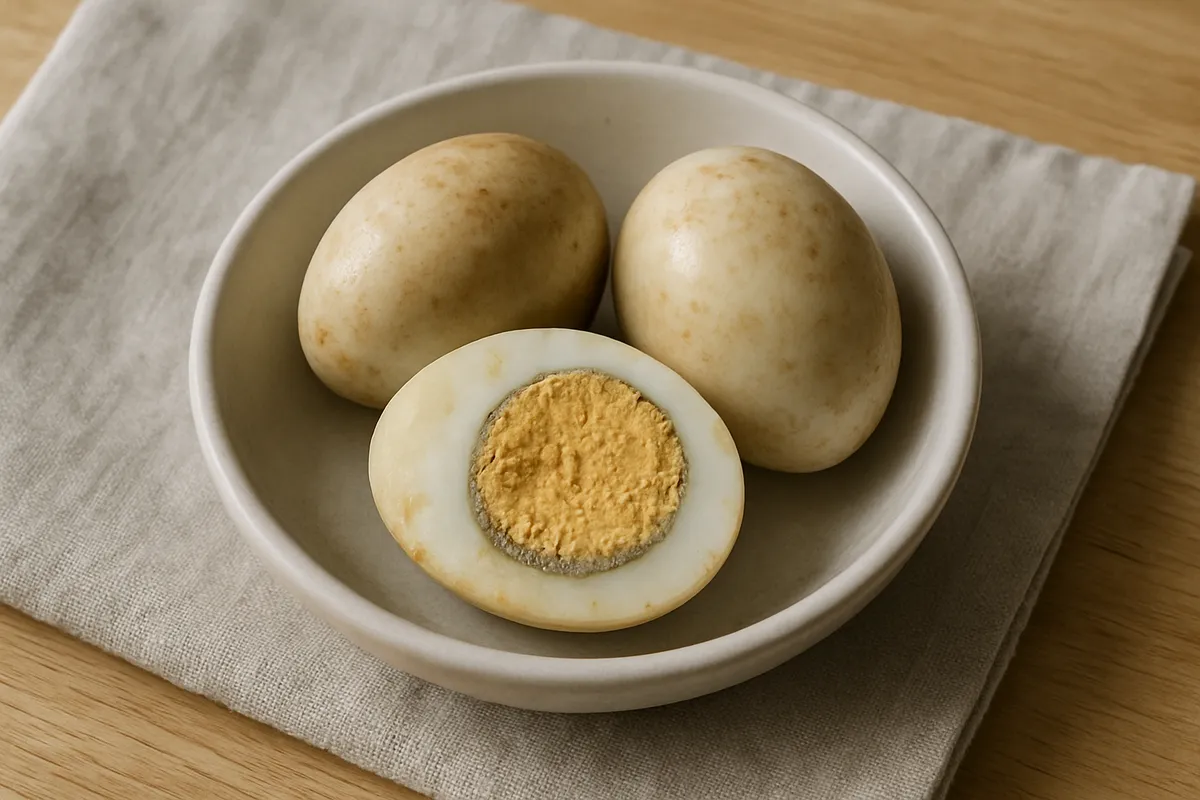
- Distinctly slimy or rubbery texture on the white
- Strong sulfur or sour smell even before peeling
- Shell appears discolored or shows soft spots
- Yolk surface is dry, crumbly, or off-color
- Discard immediately
- Do not attempt to taste-test
Common questions
How long can I keep hard boiled eggs in the refrigerator?
Hard boiled eggs last up to 1 week in the refrigerator, whether they are peeled or unpeeled. Store them in a sealed container to prevent odor absorption.
Does peeling an egg affect how long it lasts?
Peeling does not change the 1-week maximum shelf life, but peeled eggs can dry out or absorb fridge odors more quickly if left uncovered.
Can I freeze hard boiled eggs?
Freezing whole hard boiled eggs is not recommended because the whites become rubbery and watery. You may freeze yolks alone for up to 3 months if stored in a single layer before bagging.
Is the green ring around the yolk safe to eat?
Yes, the green or grey ring is caused by iron sulfide during cooking and is completely safe to consume.
How long can hard boiled eggs stay at room temperature?
Per USDA guidelines, do not leave hard boiled eggs out for more than 2 hours. If the temperature is above 90°F, discard them after 1 hour.

Stick to the one-week rule: keep them refrigerated, unpeeled whenever possible, and always trust your nose over your appetite.