
How to Tell If Hummus Is Bad
How to Identify Fresh vs. Spoiled Hummus
Hummus lasts about 7 days at room temperature before spoilage signs usually show up.
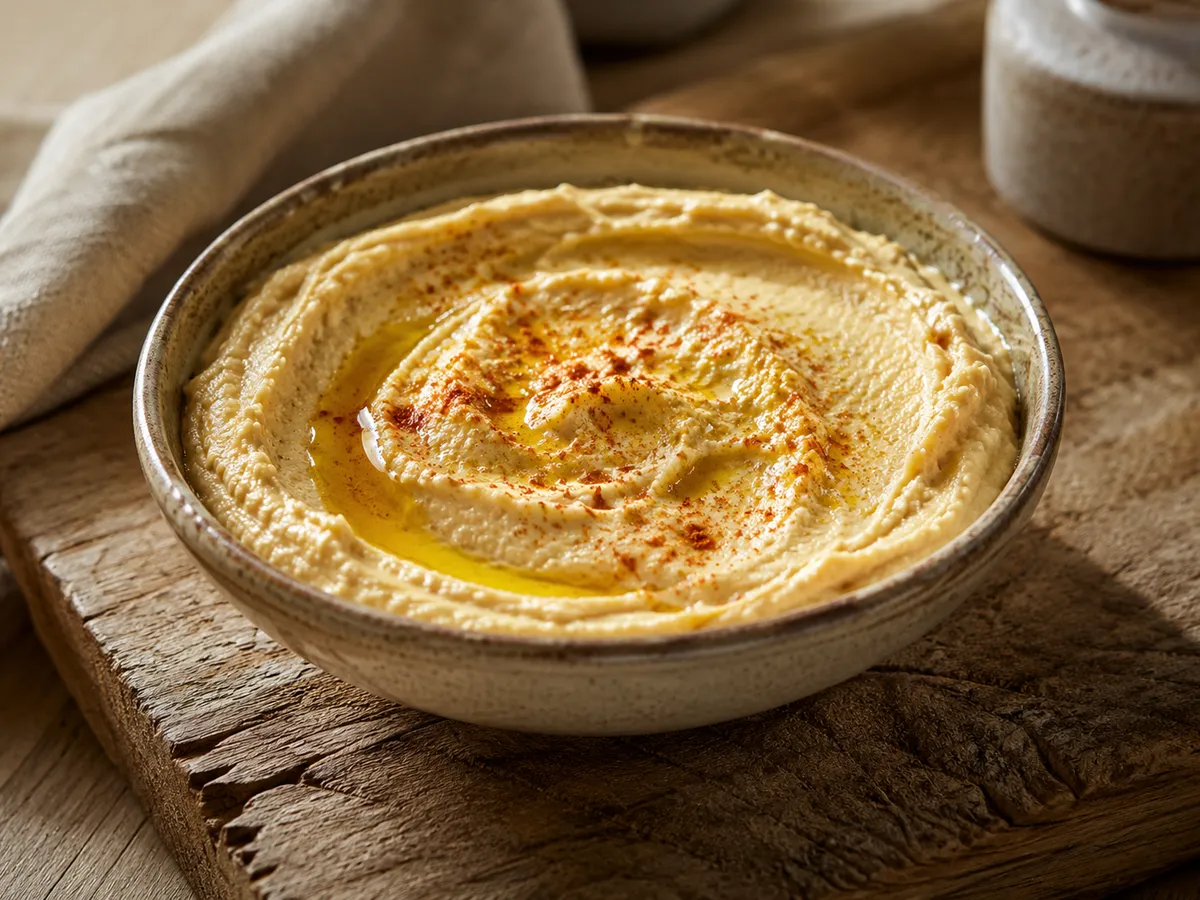
Hummus is a moisture-rich dip, which means spoilage can occur quickly if left out. To ensure safety, you must monitor its texture, scent, and appearance closely. Fresh hummus should have a smooth, creamy consistency, a pale beige color, and a mild, nutty aroma. As it ages at room temperature, the signs of degradation become more obvious through sour odors, watery separation, or visible discoloration. Because hummus is a perishable food, understanding these visual and olfactory cues is essential for determining when it is safe to eat and when it must be discarded. This guide provides a timeline to help you navigate the transition from peak freshness to spoilage.
Heads up: shelf-life ranges are estimates based on home storage. We make no guarantee of accuracy. When unsure, throw it out.
The full timeline
Day 1 (Peak Fresh)
1 day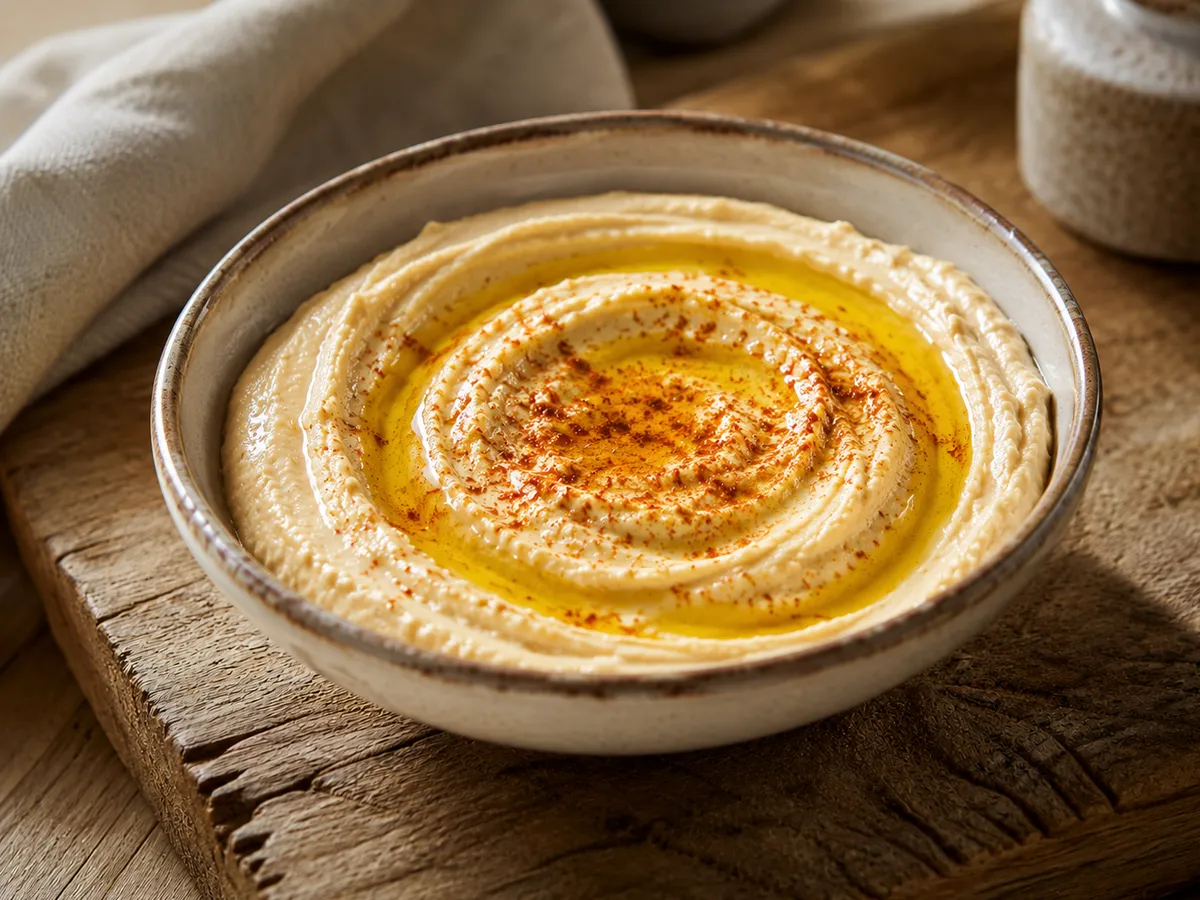
- Smooth and creamy texture
- Consistent pale beige color
- Fresh chickpea scent
- No liquid separation or pooling
- Continue consuming
- Refrigerate to extend life
Day 3–4 (Still Solid)
3–4 days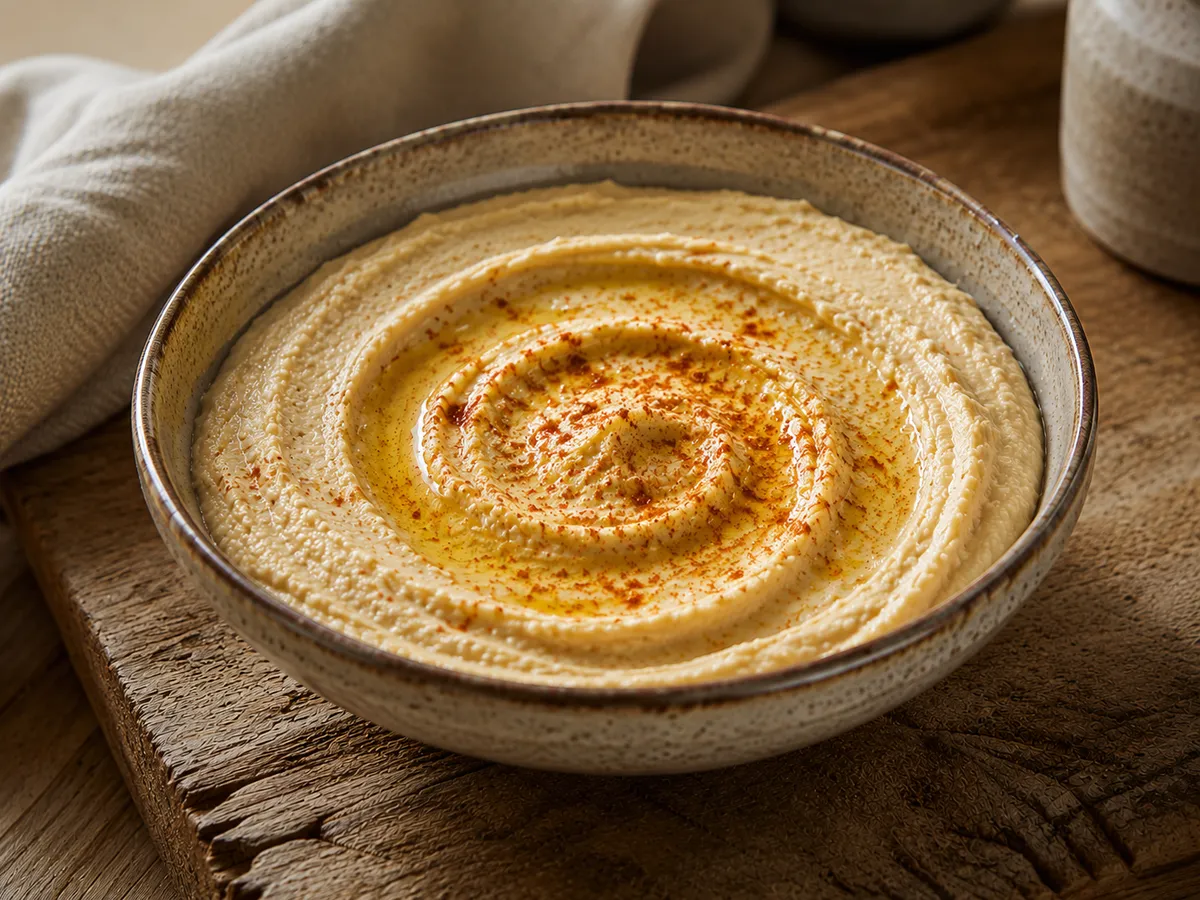
- Texture remains thick
- Slight drying around the edges
- Mild, nutty smell
- Color remains stable
- Stir well before eating
- Ensure it is kept chilled
Day 5–6 (Warning Signs)
5–6 days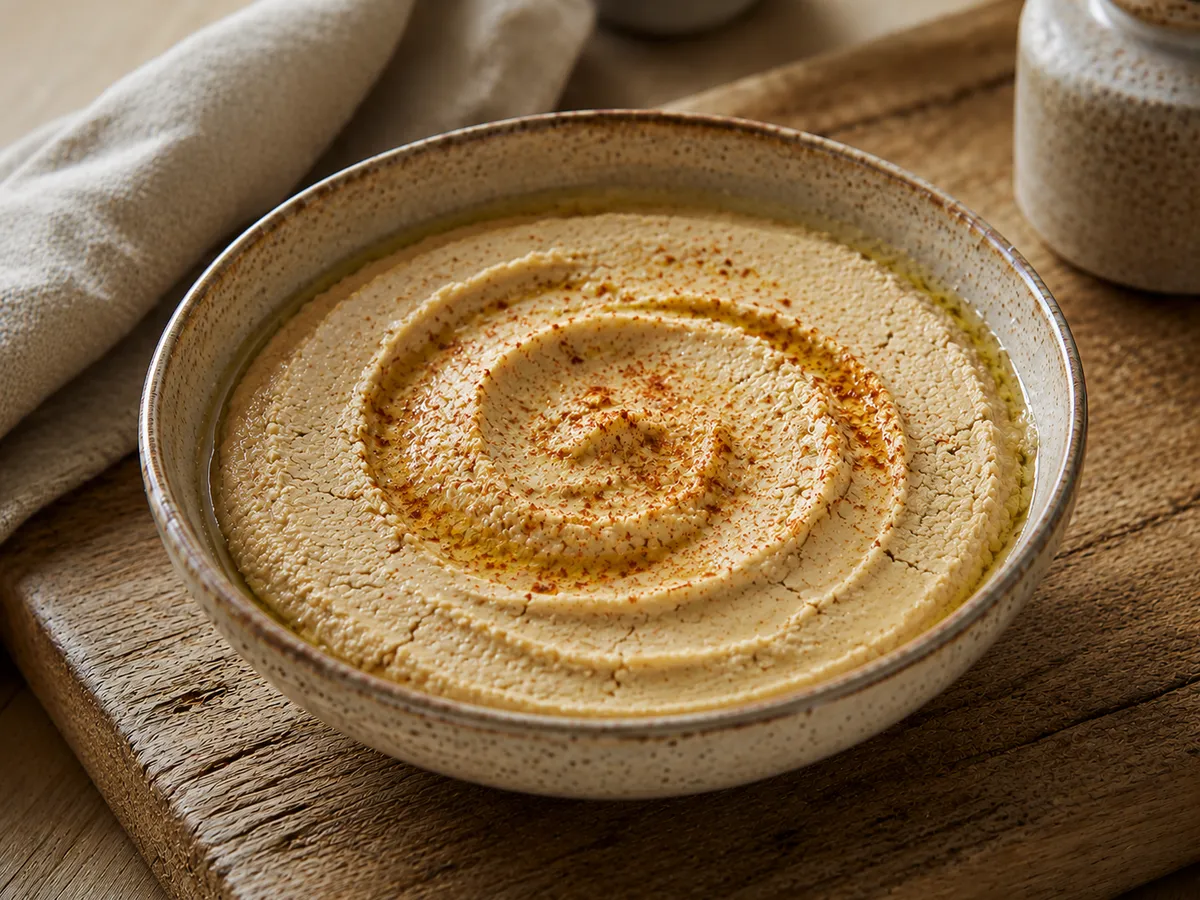
- Sour or tangy odor
- Watery liquid separation
- Dull or patchy surface appearance
- Slightly deepened color
- Discard immediately
- Do not taste
Day 7 (Unsafe)
7 days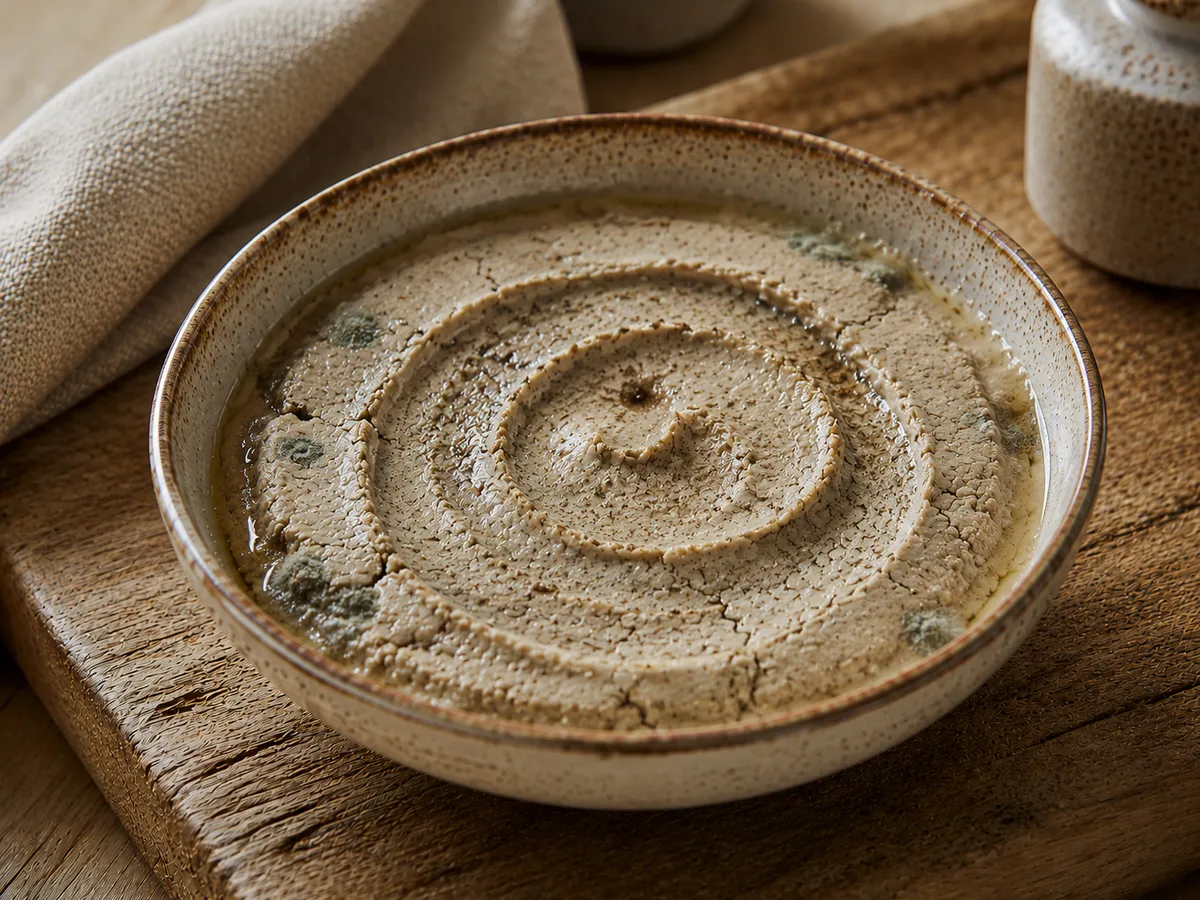
- Visible mold (white, gray, or green)
- Strong, unpleasant odor
- Surface discoloration
- Excessive liquid and spoilage signs
- Discard immediately
- Toss in the trash
Common questions
How can I tell if hummus has gone bad?
Look for dull or grayish color, watery liquid separation, fuzzy mold growth, or a sour smell. If any of these occur, discard the hummus.
Is it safe to eat hummus that smells okay but looks different?
No. Spoilage can manifest as changes in texture or color even if the scent hasn't fully changed yet. If it looks off, toss it.
Should I taste hummus to check for spoilage?
You should not taste hummus to test for freshness. Use your senses of sight and smell instead; if anything seems unusual, discard it immediately.
Is oil separation a sign that hummus is spoiled?
Not necessarily. A small amount of oil on top can be normal, but significant watery liquid or an off-smell indicates spoilage.

Hummus transitions quickly at room temperature: it starts smooth and mild, then becomes sour, separated, and unsafe. When you notice any unusual changes in smell or appearance, the safest action is to toss it.