
How to Tell If Frozen Shrimp Has Gone Bad
Spot the signs of spoilage before frozen shrimp reaches your plate.
Thawed frozen shrimp lasts 1–2 days refrigerated. In the freezer, it stays good for 3–6 months.
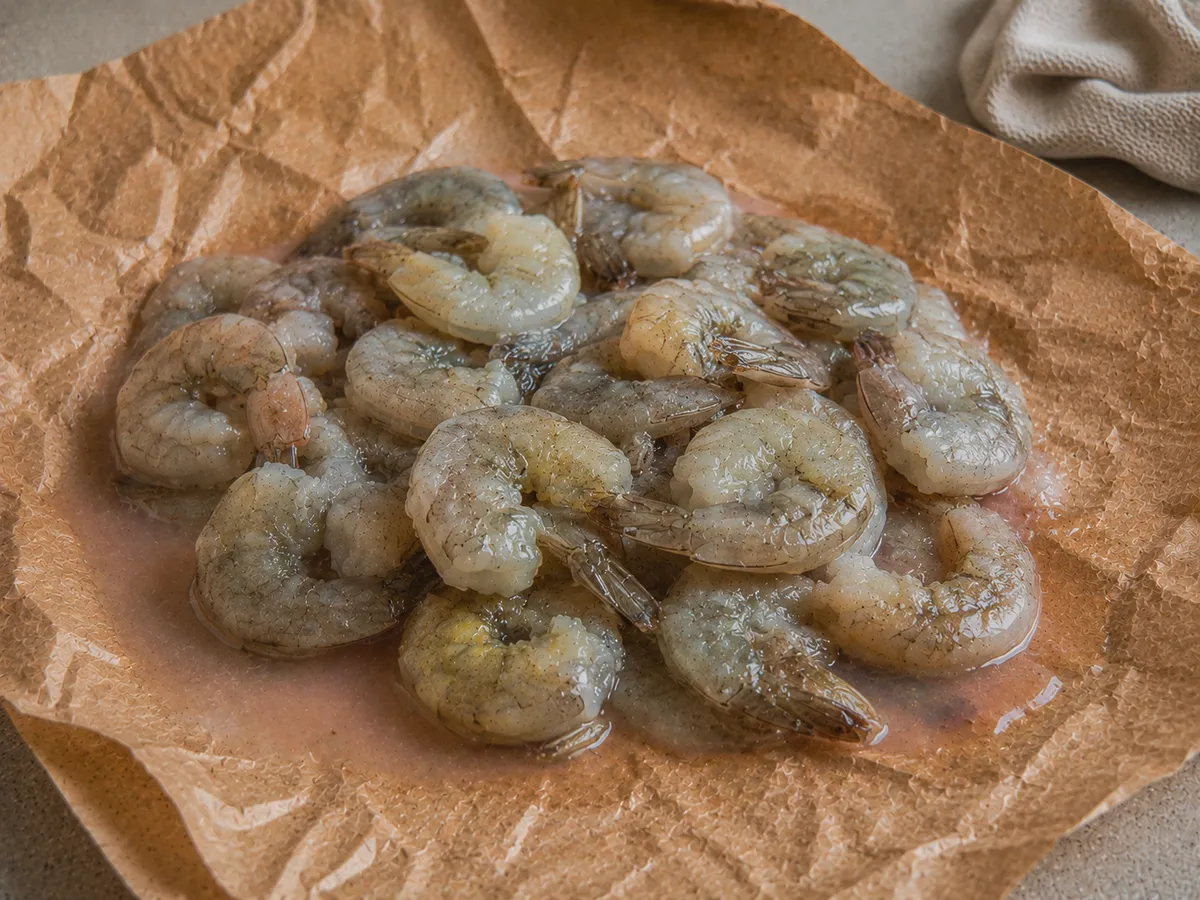
Frozen shrimp is a freezer staple that can save dinner on short notice — but it does have limits. Whether you're checking a bag that's been in the freezer for months or eyeing shrimp you thawed yesterday, knowing the spoilage cues for frozen-shrimp keeps your meals safe and your stomach happy. Ammonia-like odor, slimy texture, and heavy freezer burn are the main red flags to watch for. This guide walks through each stage of frozen shrimp's shelf life, from peak frozen condition all the way to the point where the only right answer is the trash can.
Heads up: shelf-life ranges are estimates based on home storage. We make no guarantee of accuracy. When unsure, throw it out.
The full timeline
Month 1–3 (Peak Frozen)
0–3 months frozen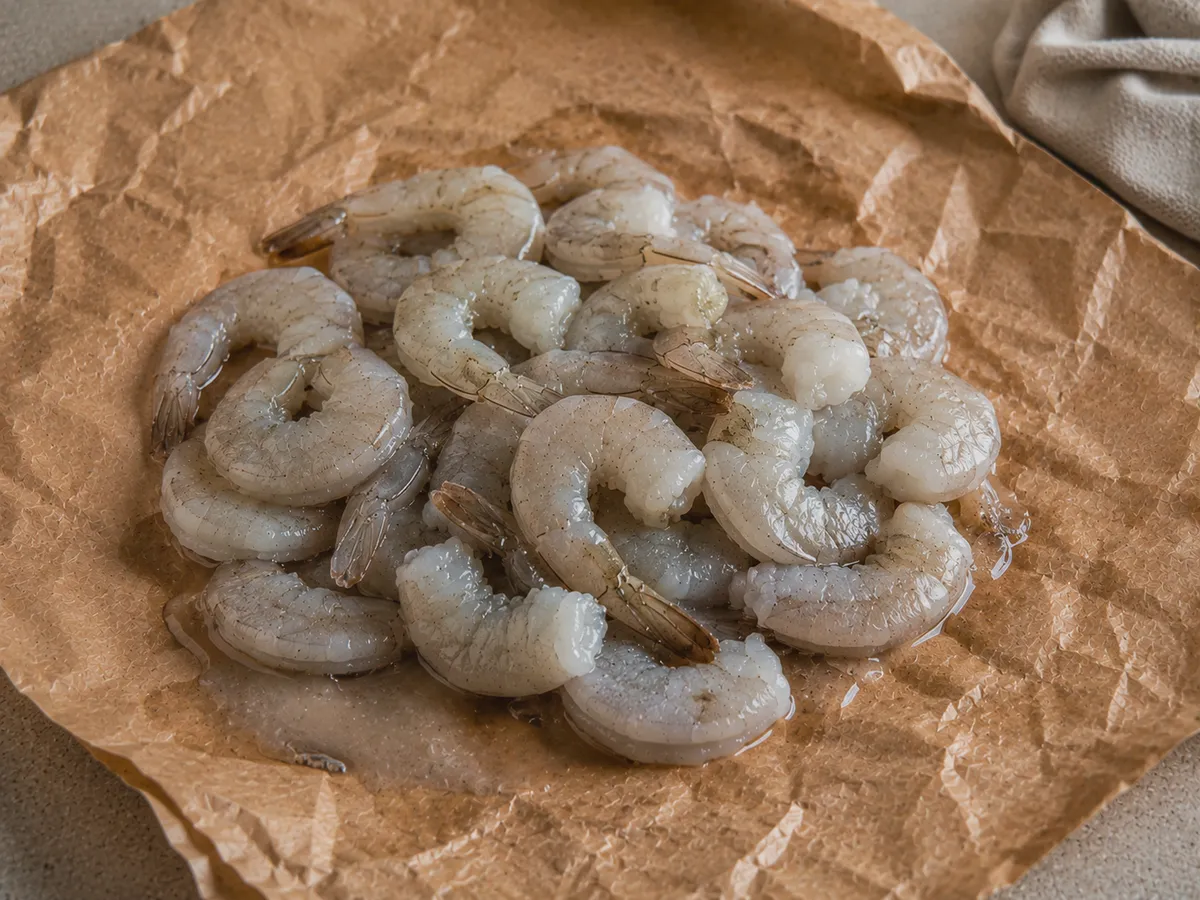
- Shrimp are individually frozen and free-flowing in the bag
- Shell or flesh is pale grey or translucent with no discoloration
- No off odor detectable even when bag is opened
- Minimal to no ice crystals on the shrimp surface
- Keep frozen until needed
- Thaw in refrigerator overnight before cooking
- Thaw under cold running water for quick use
Month 4–6 (Still Usable)
4–6 months frozen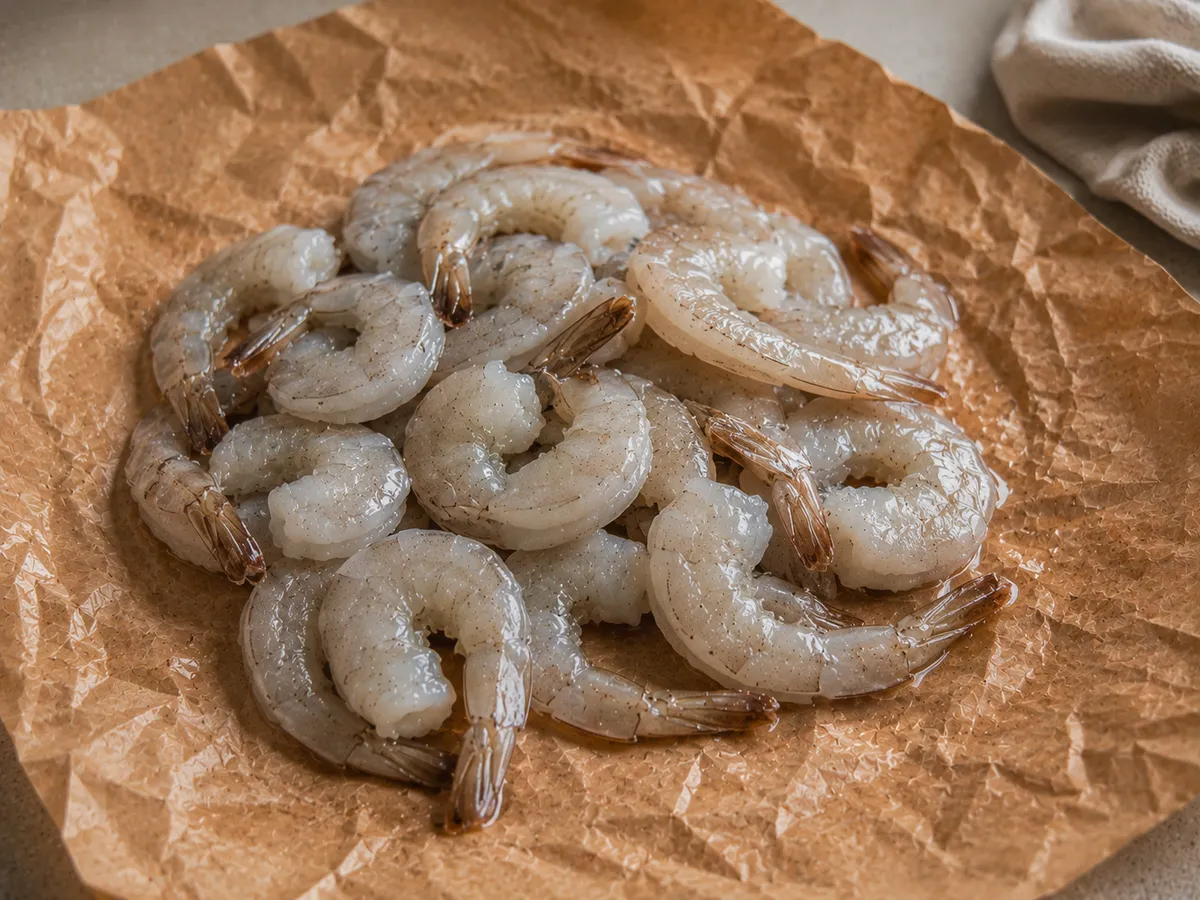
- Some ice crystals visible on shrimp surfaces
- Mild freezer odor when bag is opened, dissipates quickly
- Shrimp may be slightly clumped together
- Color remains pale grey or white with no dark spots
- Keep frozen and use soon
- Thaw and cook promptly — do not refreeze
- Use in soups, stir-fries, or dishes where texture matters less
Day 1–2 (Thawed And Ready)
1–2 days refrigerated post-thaw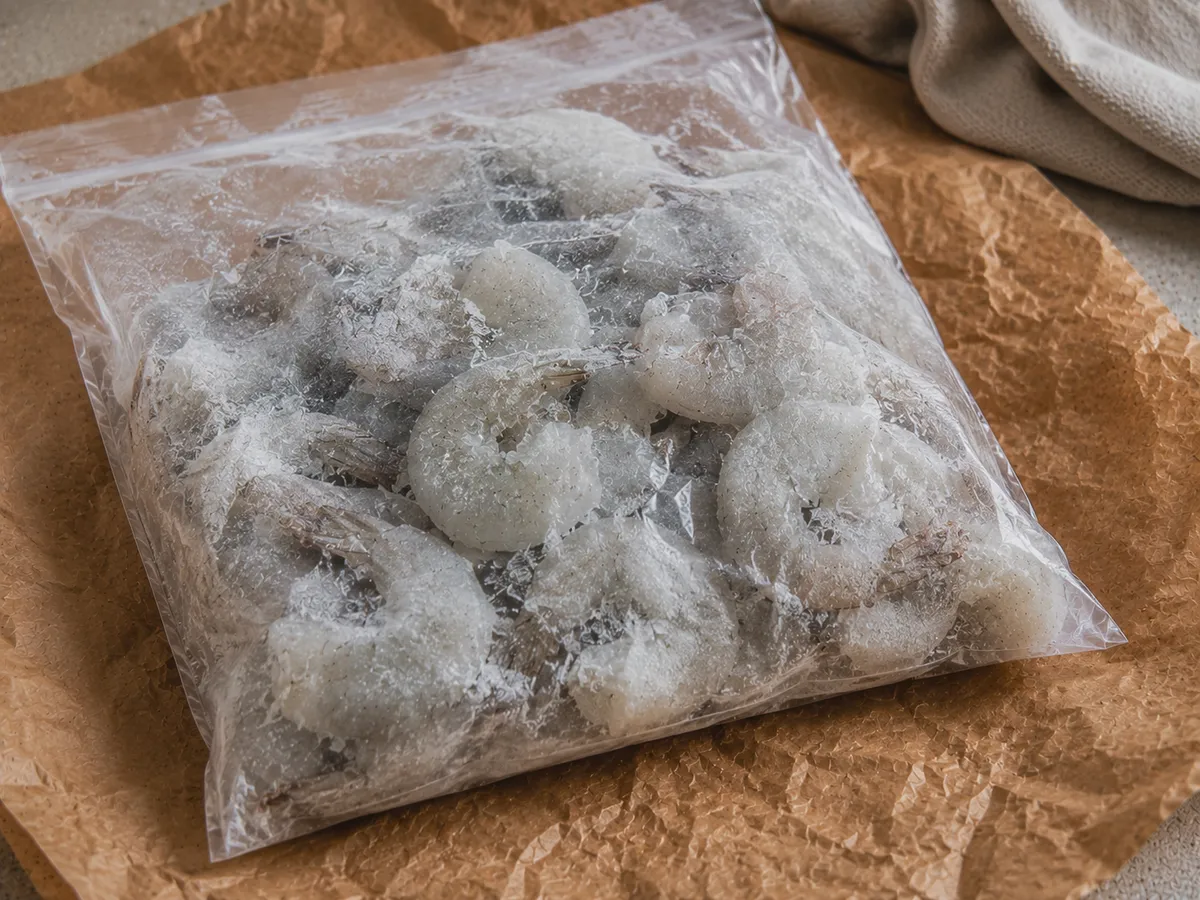
- Flesh is firm and springs back slightly when pressed
- Mild, clean ocean scent — not sharp or sour
- Surface is moist but not slimy
- Color is translucent grey-pink with no dark edges
- Cook immediately for best texture
- Store uncovered on a rack over a bowl in the fridge to keep dry
- Do not refreeze once fully thawed
Day 3 (Borderline)
3 days refrigerated post-thaw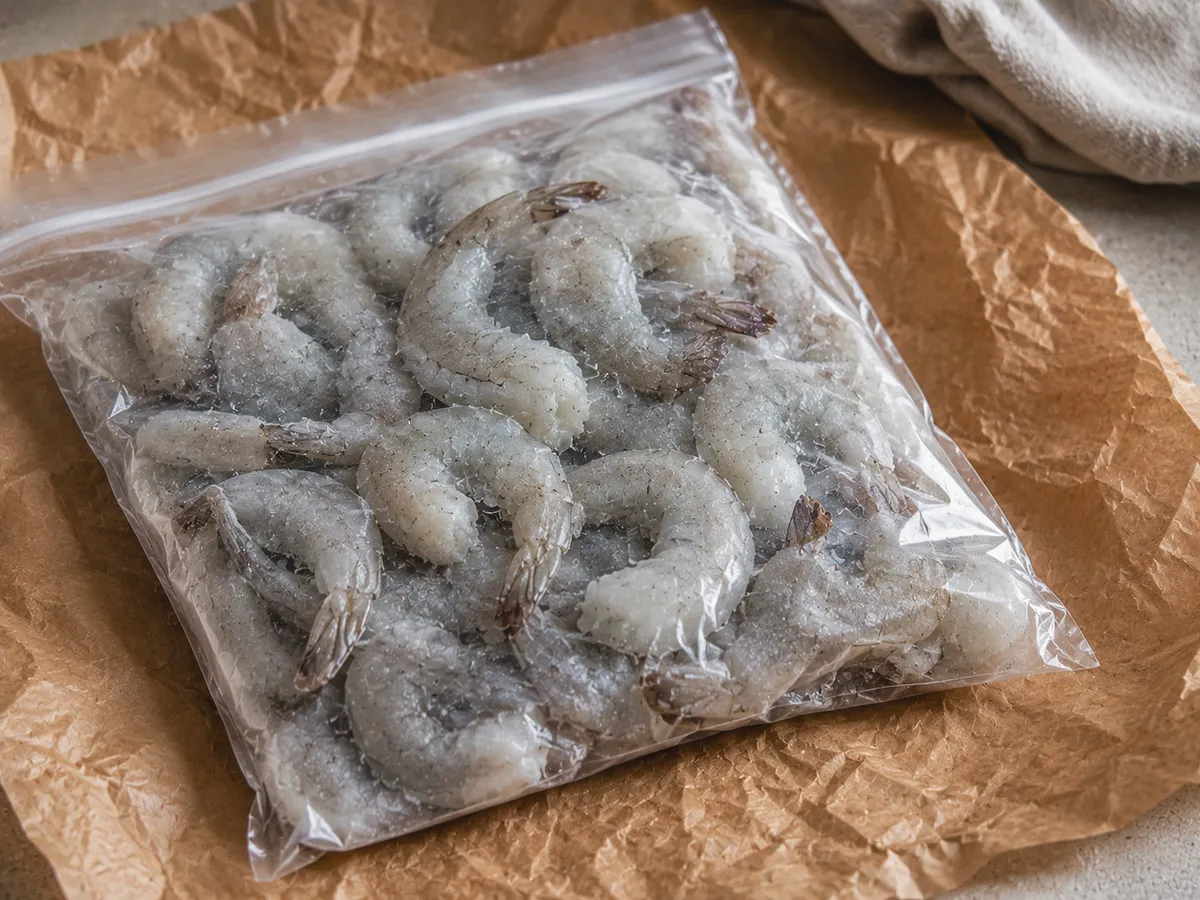
- Faint sour or fishy smell beginning to develop
- Surface feels slightly tacky or slick
- Flesh may look duller, less translucent
- Small amount of cloudy liquid pooling in the container
- Smell and texture test before proceeding
- Discard if any sliminess or sour odor is present
- Cook immediately if cues are borderline — do not delay further
Day 4 (Spoiled)
4+ days refrigerated post-thaw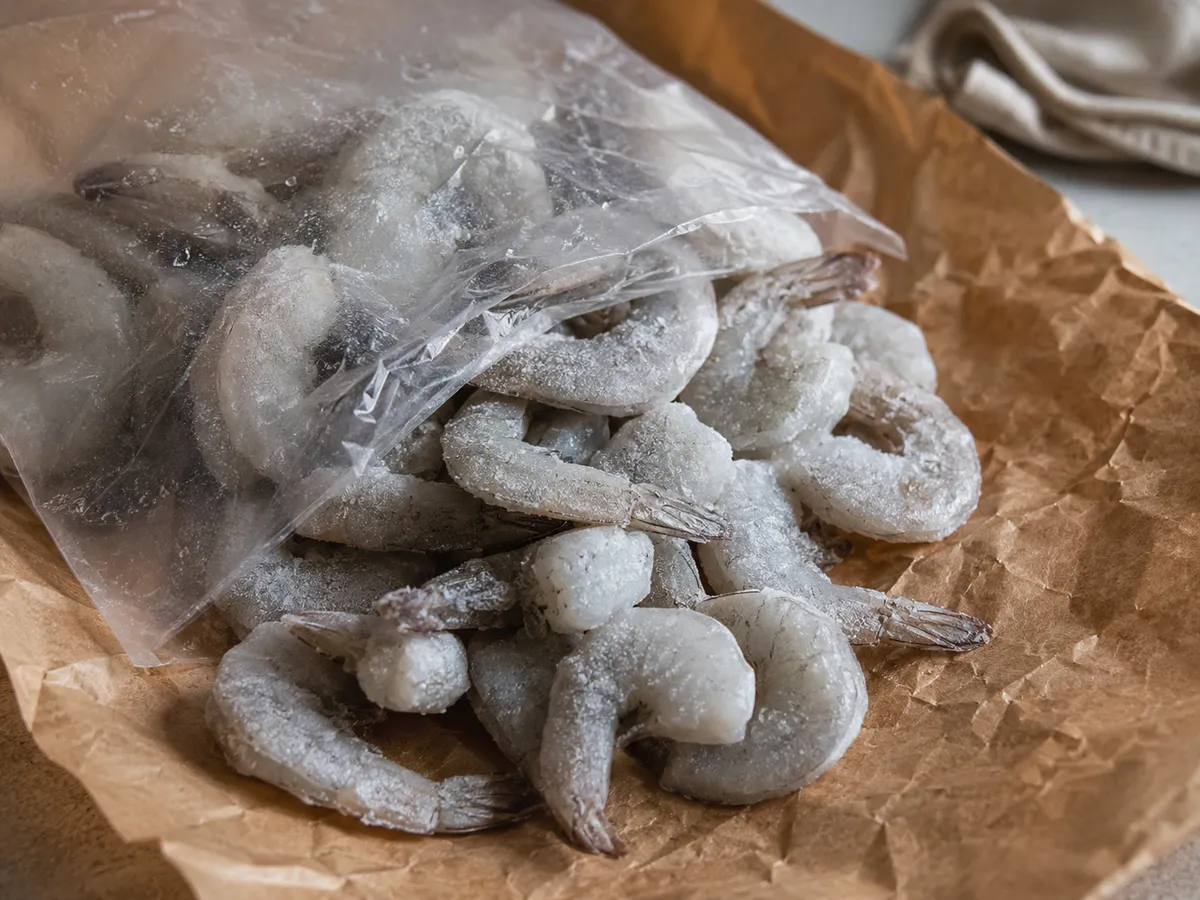
- Strong ammonia or sour smell — unmistakable
- Flesh is visibly slimy and does not spring back
- Discoloration: dark grey, black, or yellowish edges on flesh
- Cloudy or pink-tinted liquid pooled in container
- Toss immediately — do not taste or cook
- Seal in a bag before discarding to contain odor
- Clean and sanitize any surfaces or containers the shrimp touched
Common questions
Can I refreeze thawed frozen shrimp?
Only if it was thawed in the refrigerator and has been there fewer than 2 days. Refreezing degrades texture noticeably and is not recommended. Never refreeze shrimp thawed under running water or at room temperature.
What does bad shrimp smell like?
Spoiled shrimp smells sharply of ammonia or has a strong sour, rotten-fish odor. Fresh shrimp has a mild, clean ocean scent. If the smell makes you pull back, trust that reaction. Sage's Verdict: the nose knows — ammonia means toss.
Is heavy freezer burn on shrimp a safety issue?
Freezer burn is a quality issue, not a safety one. White, dried-out patches on the flesh mean moisture loss and tougher texture after cooking, but the shrimp is still safe to eat if it was properly frozen and shows no spoilage cues.
How long does frozen shrimp last in the freezer past the best-by date?
Best-by dates on frozen shrimp reflect peak quality, not safety. Shrimp stored continuously at 0°F (−18°C) can remain safe beyond that date, but USDA guidance caps best quality at 3–6 months. Beyond 6 months, texture and flavor decline significantly.
Can I thaw frozen shrimp at room temperature?
No. Room-temperature thawing puts shrimp in the bacterial danger zone (40–140°F) for too long. Use the refrigerator overnight or a sealed bag submerged in cold running water for 15–20 minutes. Cook immediately after the cold-water method.
Why does my frozen shrimp have black spots on the shell?
Black spots on the shell (melanosis) are an enzymatic reaction, not bacterial spoilage, and are common in shell-on shrimp. They affect appearance but not safety or flavor. Black discoloration on the flesh itself, however, is a spoilage warning sign.

Frozen shrimp is forgiving in the freezer but strict once thawed. Keep it cold, cook it within 2 days of thawing, and let your nose make the final call.