
Is Whole Turkey Safe in the Freezer?
Safety and Quality Guide for Frozen Whole Turkey
Whole turkey lasts about 1 year in the freezer.
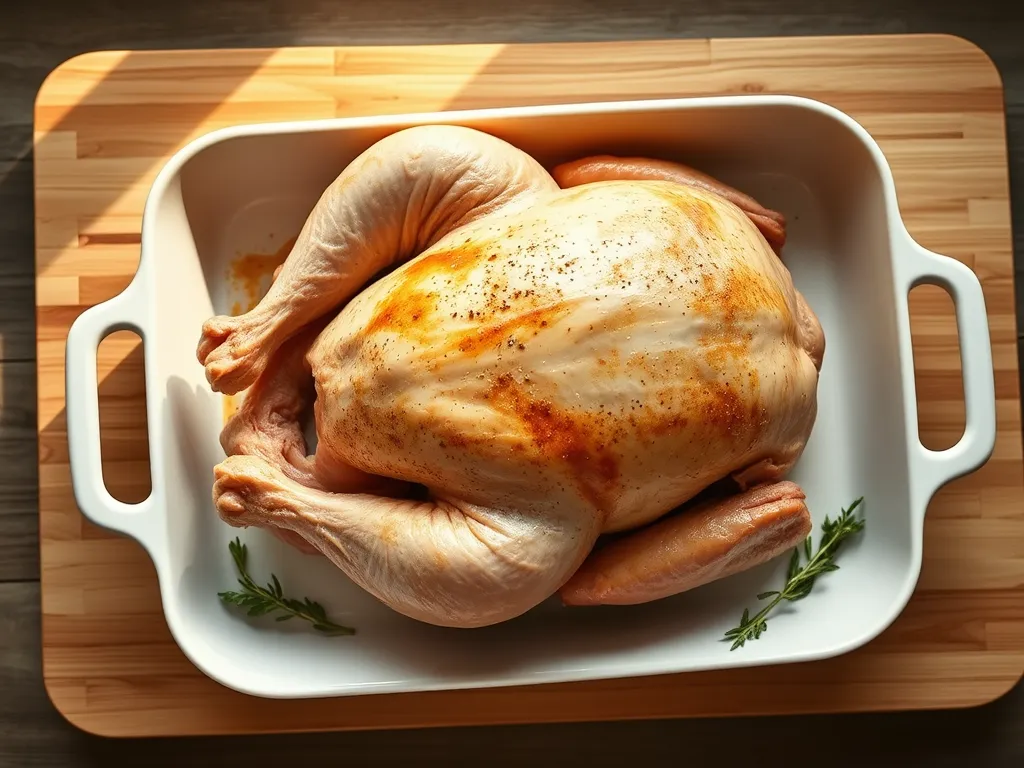
A whole turkey can remain safe to eat for a long duration if kept frozen solid at 0°F or below. However, food quality does not last forever. For the best flavor and texture, aim to use your turkey within one year of freezing. Beyond this window, you may notice freezer burn, dry patches, and a loss of moisture that can make the meat tough. This guide helps you distinguish between minor quality changes and actual safety risks. We focus on visual cues, texture changes, and critical rules regarding thawing and refreezing to ensure your holiday meal or weekly dinner is both delicious and safe.
Heads up: shelf-life ranges are estimates based on home storage. We make no guarantee of accuracy. When unsure, throw it out.
The full timeline
Day 0 (Peak Fresh)
0 days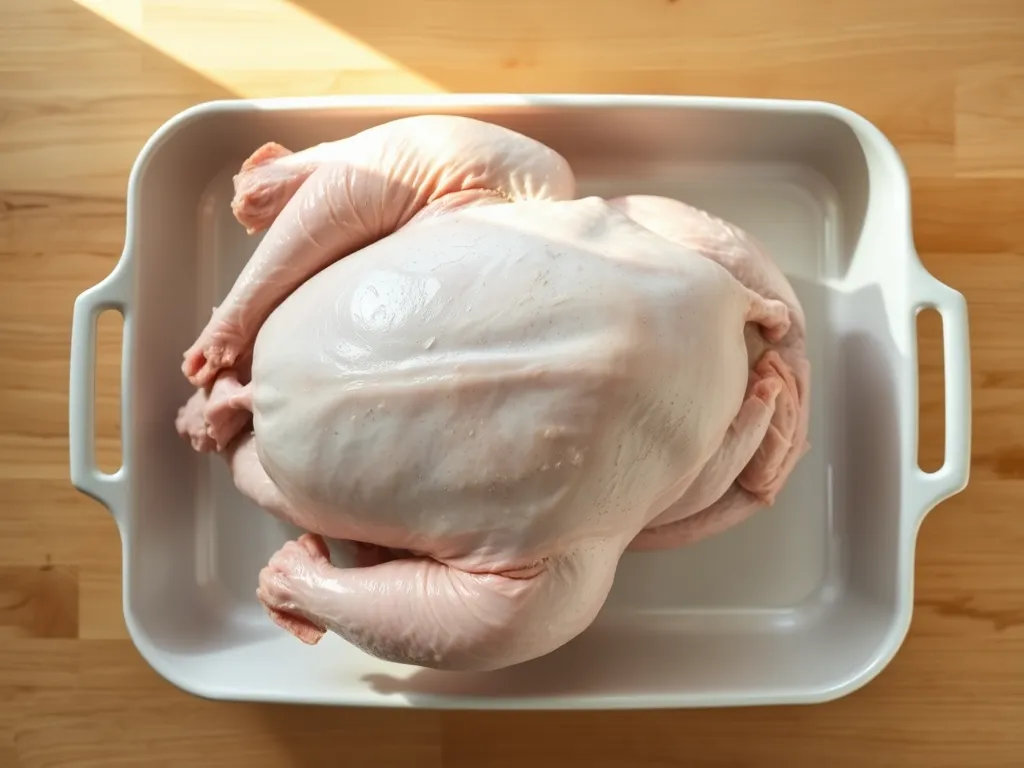
- Skin is taut and evenly colored
- Surface appears moist without being sticky
- No visible ice crystals or pale patches
- The bird maintains a plump, intact shape
- Keep frozen
- Use later
Week 3 (Good Quality)
3 weeks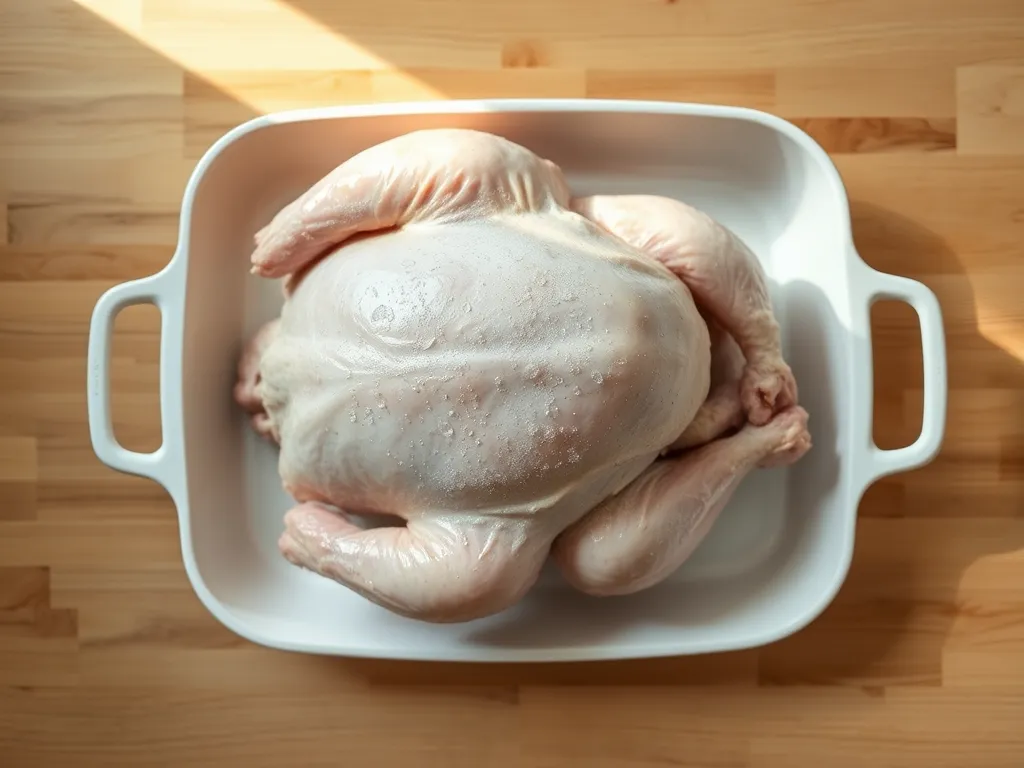
- Color remains consistent across the skin
- Small, negligible ice crystals may appear
- No signs of surface drying on exposed areas
- Texture appears firm and solid
- Keep frozen
- Rotate package
Month 6 (Quality Fade)
6 months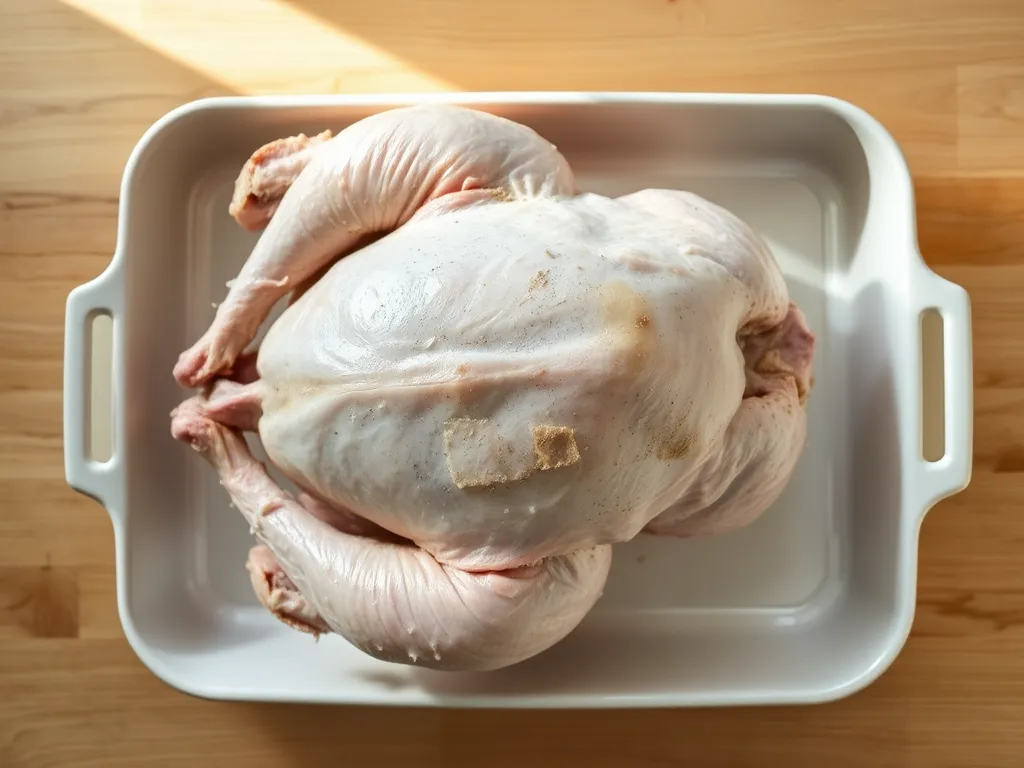
- Skin color begins to look dull
- Small dry patches may appear on the surface
- Ice crystals are visible on the skin
- Edges of the bird may look slightly dehydrated
- Use soon after thawing
- Check for freezer burn
Year 1 (Past Prime)
1 year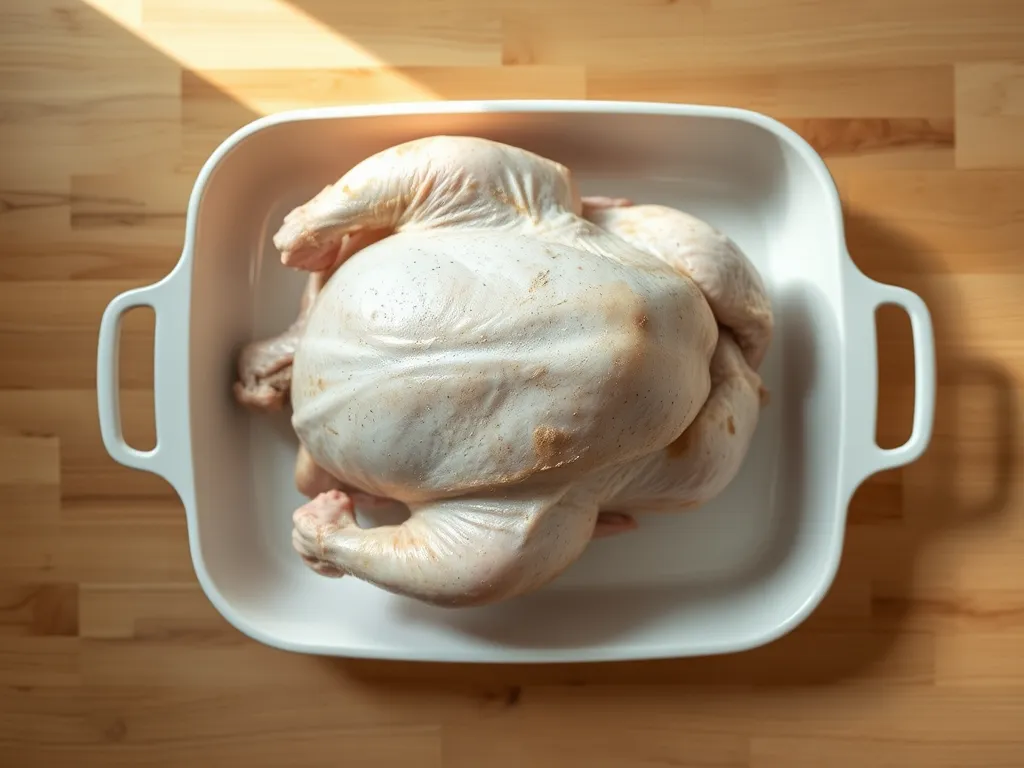
- Noticeable freezer burn patches are present
- Color appears faded or slightly grayish
- Texture looks noticeably drier
- Flavor may be less intense than fresh turkey
- Cook after thawing
- Discard if freezer burn is extensive
Year 2 (Toss It)
2 years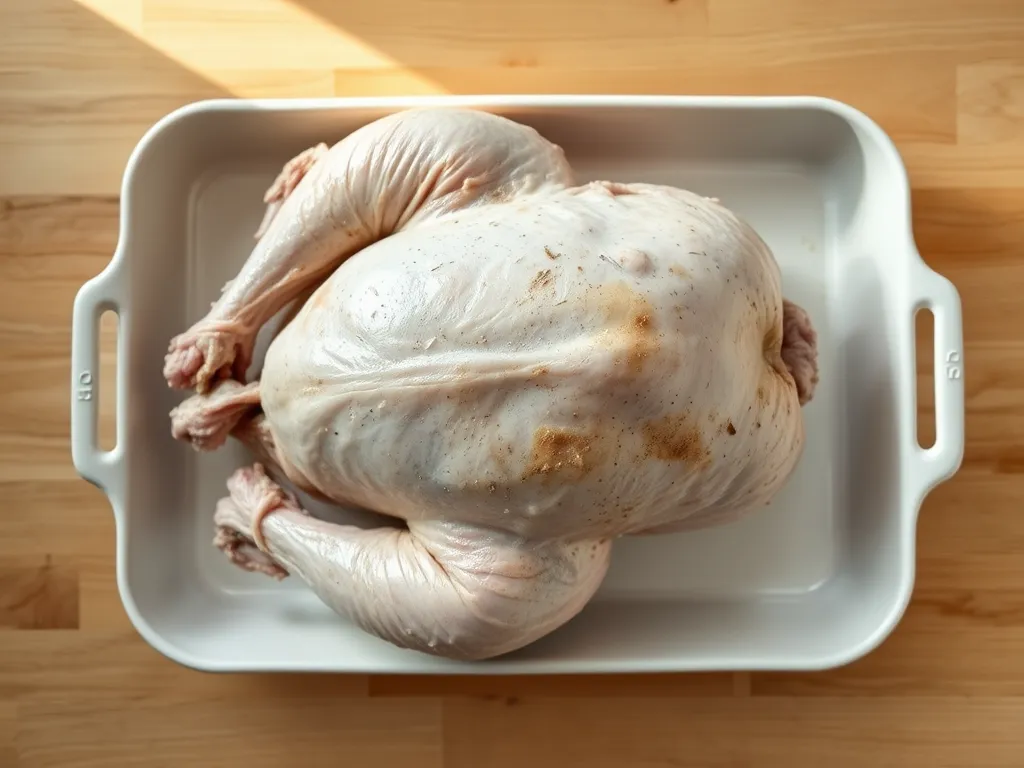
- Heavy freezer burn across much of the surface
- Large, leathery, or dry patches on the meat
- Grayish or uneven discoloration
- Evidence of package damage or previous thawing
- Toss
- Discard
Common questions
How long can whole turkey be kept in the freezer?
Whole turkey lasts about 1 year in the freezer for peak quality. While it may remain safe to eat if maintained at a constant 0°F, its texture and flavor will degrade significantly after one year.
Is it safe to eat whole turkey that has freezer burn?
Freezer burn is a quality issue, not a safety hazard. It causes dry, tough spots on the meat due to dehydration, but as long as the bird remained frozen solid, it is safe to consume.
Can I refreeze whole turkey after it has been thawed?
You may only refreeze a turkey if it was thawed safely in the refrigerator. If the turkey was thawed on a counter or at room temperature, discard it immediately to avoid bacterial growth.
What are the signs that a whole turkey has gone bad?
Discard the turkey if you notice a strong, unpleasant odor, a slimy or tacky texture after thawing, significant discoloration, or if the package was left at room temperature for an extended period.

Sage's Final Word: Treat your whole turkey like a marathon food—aim to use it within one year. Keep it wrapped tightly and frozen solid to maximize quality.