
How to Tell if White Cheddar is Still Fresh
How to tell if your white cheddar is still fresh
White cheddar stays fresh for 3–4 weeks when stored properly in the refrigerator.
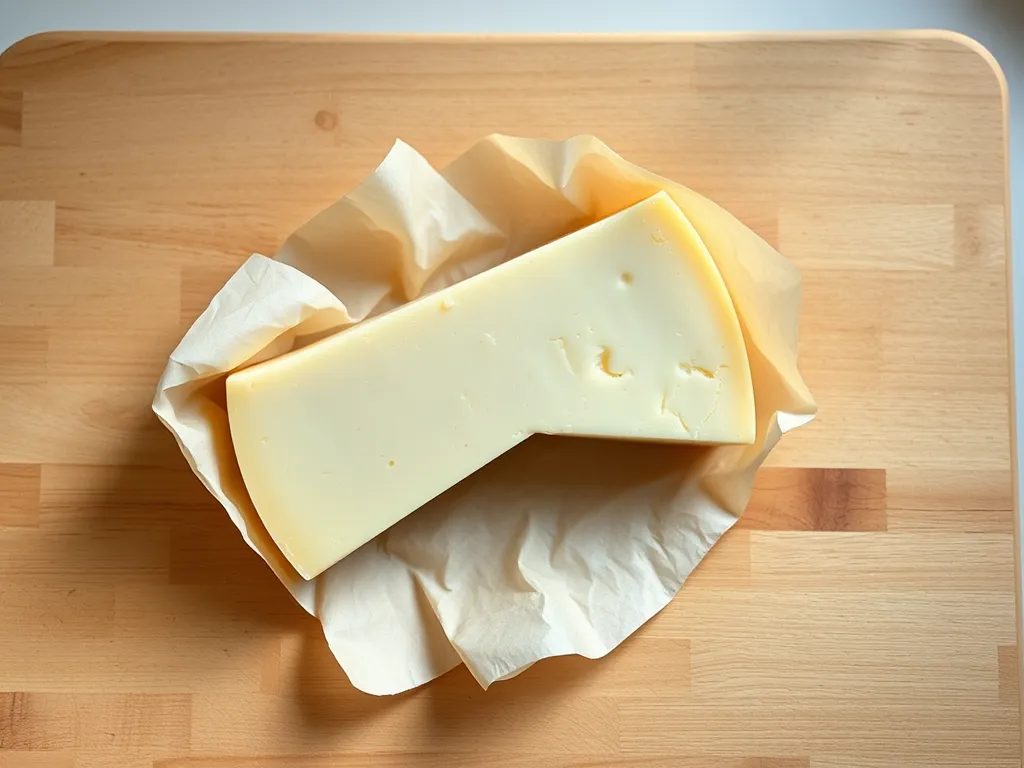
White cheddar is prized for its sharp profile and creamy texture. Because it is a hard cheese, it possesses a lower moisture content than soft varieties, allowing it to withstand refrigeration for several weeks. However, environmental factors like humidity and temperature can influence how quickly it develops off-flavors or mold. Knowing what to look for—from slight surface drying to the development of unwanted cultures—helps you determine exactly when that wedge is still perfect for a snack and when it's time to clear it from your fridge.
Heads up: shelf-life ranges are estimates based on home storage. We make no guarantee of accuracy. When unsure, throw it out.
The full timeline
Week 1 (Peak Fresh)
1 week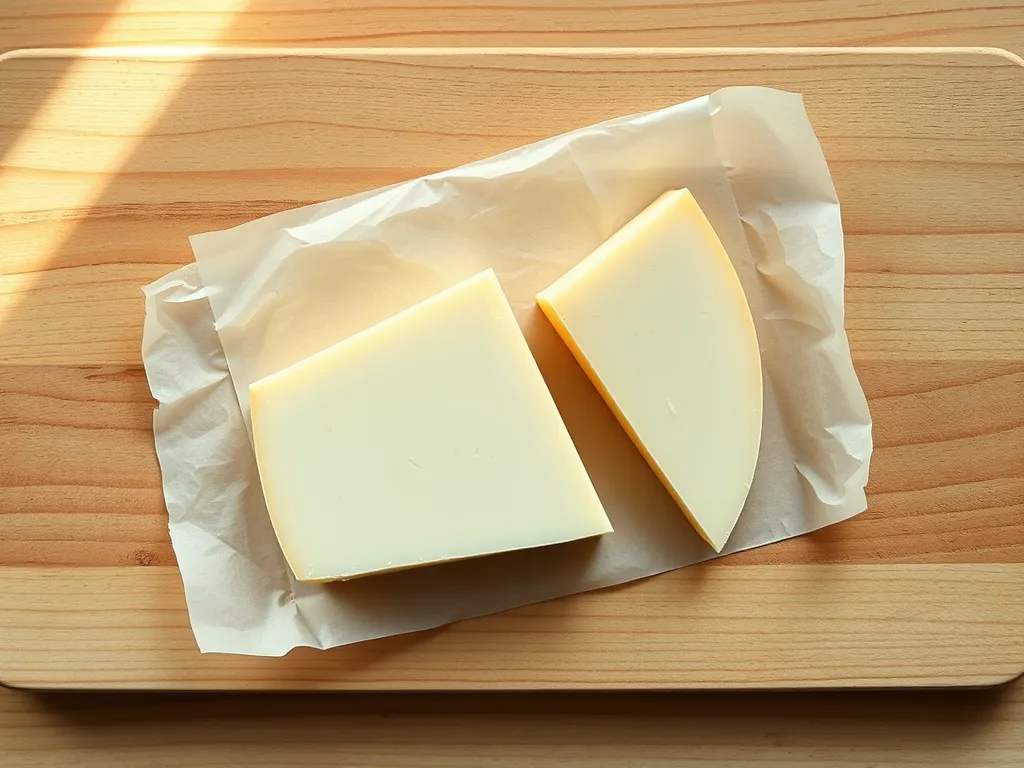
- Firm, consistent texture
- Pale ivory color
- Smooth, non-sticky surface
- Wrap tightly in parchment paper
- Store in a dedicated refrigerator drawer
Week 2 (Still Good)
14 days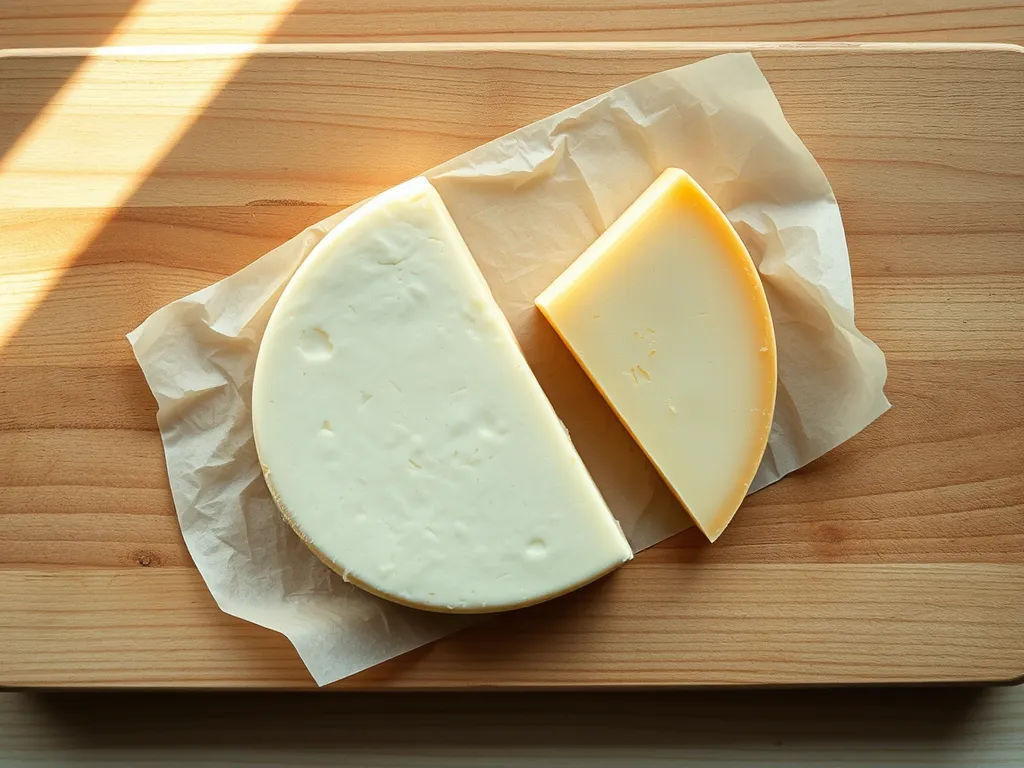
- Slightly drier exterior edges
- Consistent color throughout
- Mildly crumbly texture
- Trim away any dried edges
- Re-wrap in fresh parchment or wax paper
Week 3 (Caution)
21 days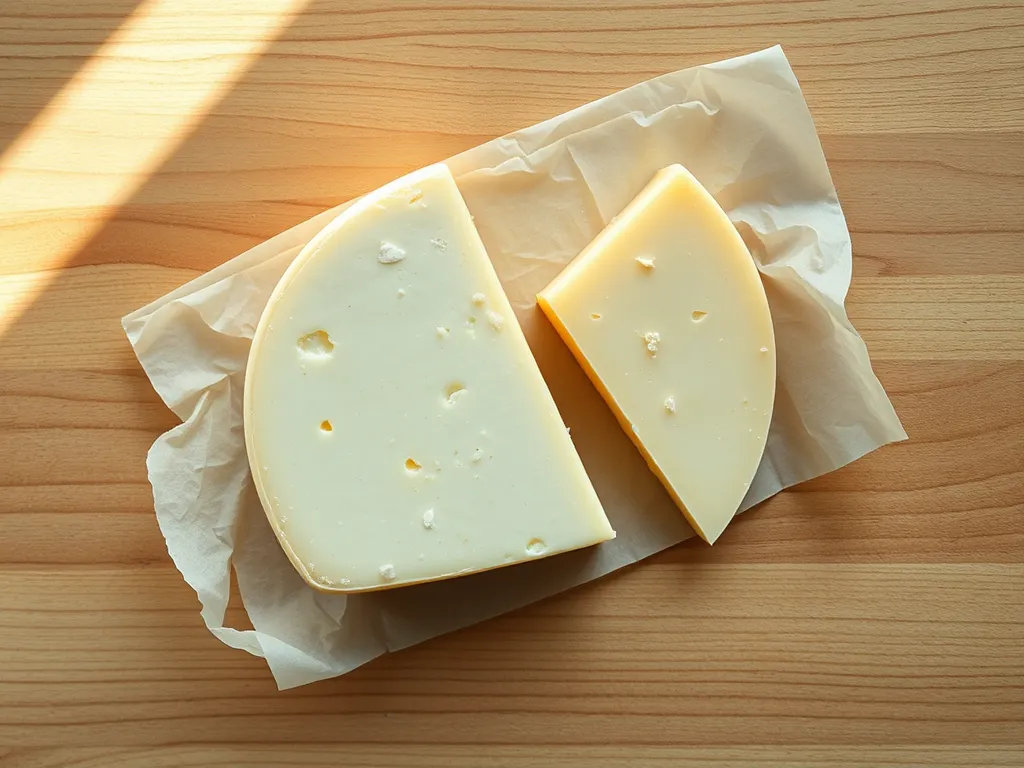
- Small, isolated white spots
- Slightly grainy texture
- Faintly sour aroma
- Trim 1 inch around visible mold
- Use immediately if trimming occurs
Week 4 (Unsafe)
28 days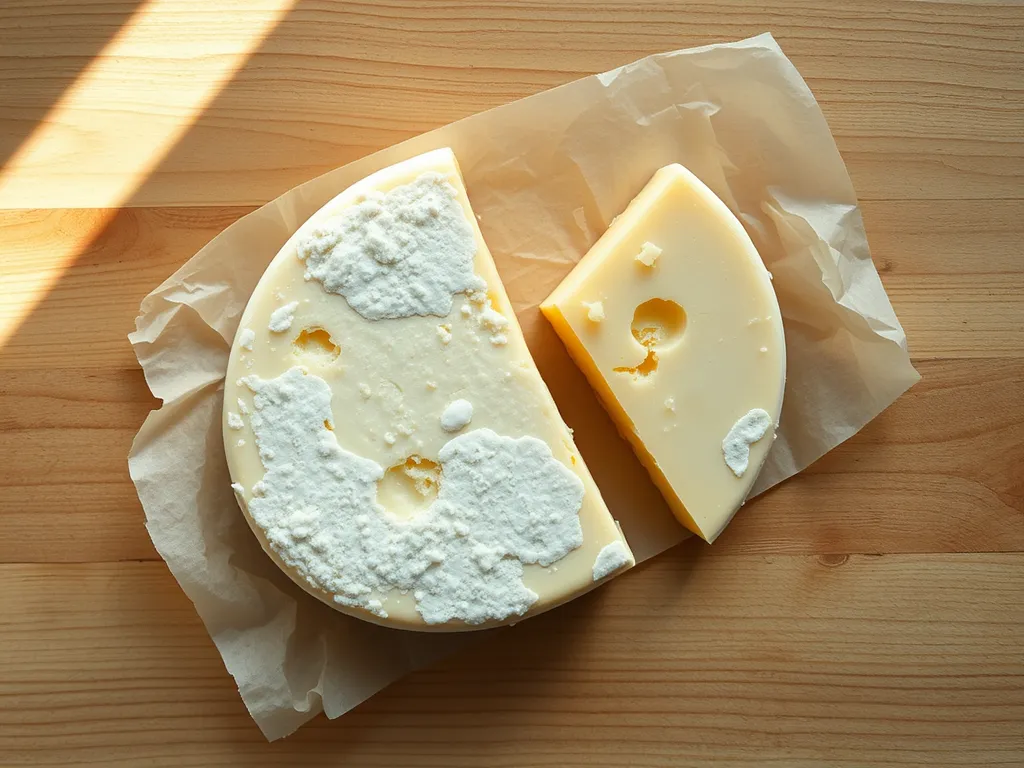
- Spreading mold colonies (green, black, or fuzzy)
- Slimy or slippery texture
- Strong pungent or ammonia-like odor
- Discard immediately
Common questions
How long does white cheddar stay fresh in the fridge?
White cheddar typically stays fresh for 3–4 weeks when stored properly in a refrigerator.
Can I eat white cheddar if it has mold on it?
For hard cheeses like white cheddar, you can safely cut away the mold and up to 1 inch of the surrounding area. If the mold is spreading or the texture feels slimy, discard the entire piece.
Is it better to freeze white cheddar?
You can freeze white cheddar, but freezing often alters the texture and moisture content. It is best used for melting in recipes rather than eating sliced after thawing.
Why does my white cheddar smell like ammonia?
A strong ammonia or sour smell indicates that the cheese is oxidizing or has significant bacterial growth, meaning it is past its prime.

Keep your white cheddar wrapped tightly and chilled to maintain that sharp kick for as long as possible!