
How Long Does Vegetable Shortening Last?
How long does vegetable shortening last in the pantry?
Vegetable shortening lasts 12–24 months when stored in a cool, dry pantry.
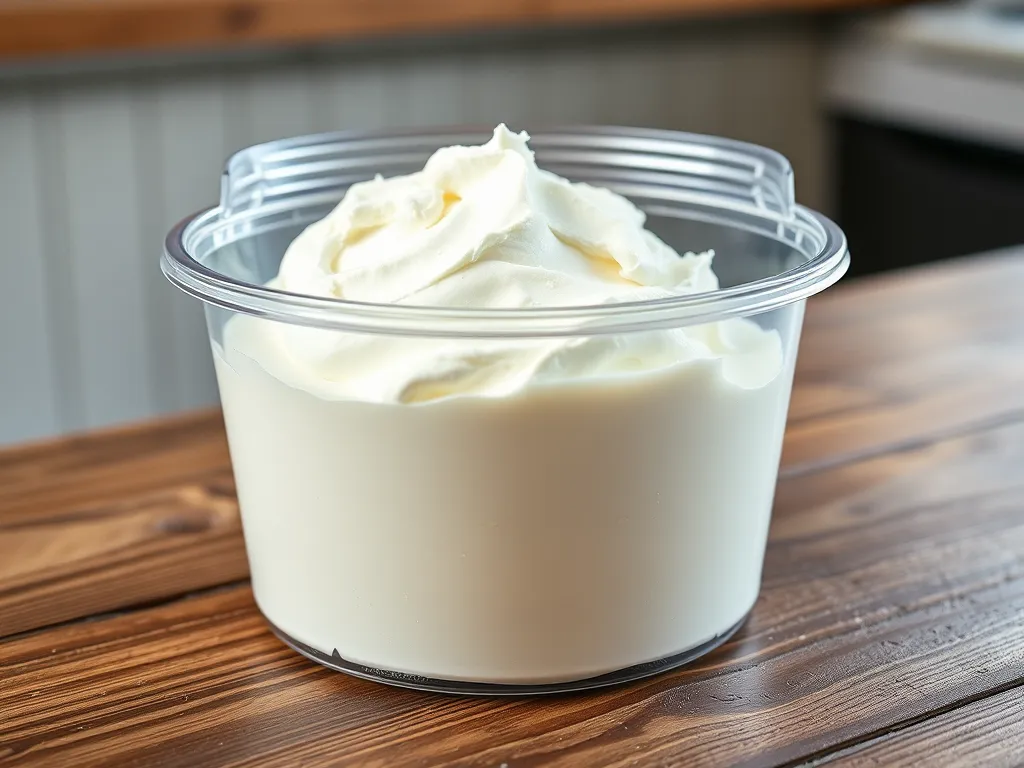
Vegetable shortening is a versatile staple in many kitchens due to its high melting point and ability to create flaky textures in pastries and biscuits. Unlike butter, it contains no water or milk solids, making it exceptionally stable for long-term storage. When kept in an airtight container away from direct sunlight and moisture, vegetable shortening maintains its consistency for a significant period. Because it is highly stable, it does not spoil quickly; however, environmental factors play a role in its longevity. Extreme heat can cause the fat to melt or become runny, potentially accelerating oxidation, while extreme cold may cause the texture to crystallize.
Heads up: shelf-life ranges are estimates based on home storage. We make no guarantee of accuracy. When unsure, throw it out.
The full timeline
Month 1–6 (Fresh Peak)
0–6 months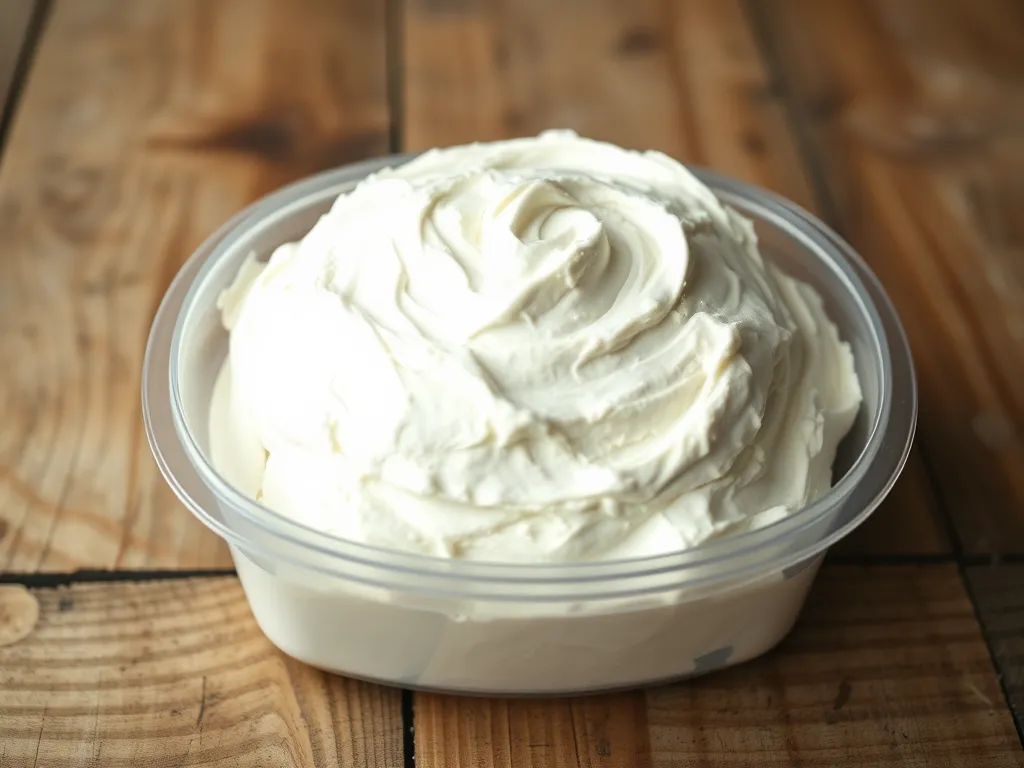
- Creamy white color
- Firm, smooth texture
- Neutral scent
- Ideal for all baking needs
- Store in original airtight container
Month 6–12 (Stable Shelf)
6–12 months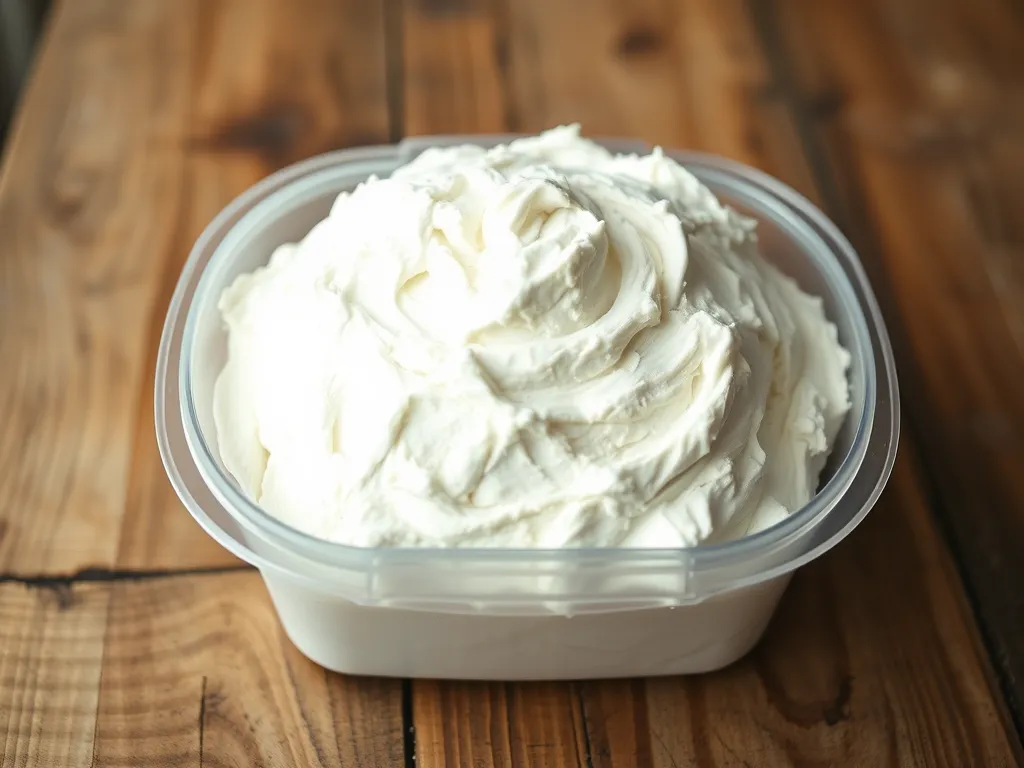
- Consistent color throughout
- Solid structure without melting
- No signs of oil separation
- Perfect for pastry and pie crusts
- Maintain airtight seal
Month 12–18 (Aging Period)
12–18 months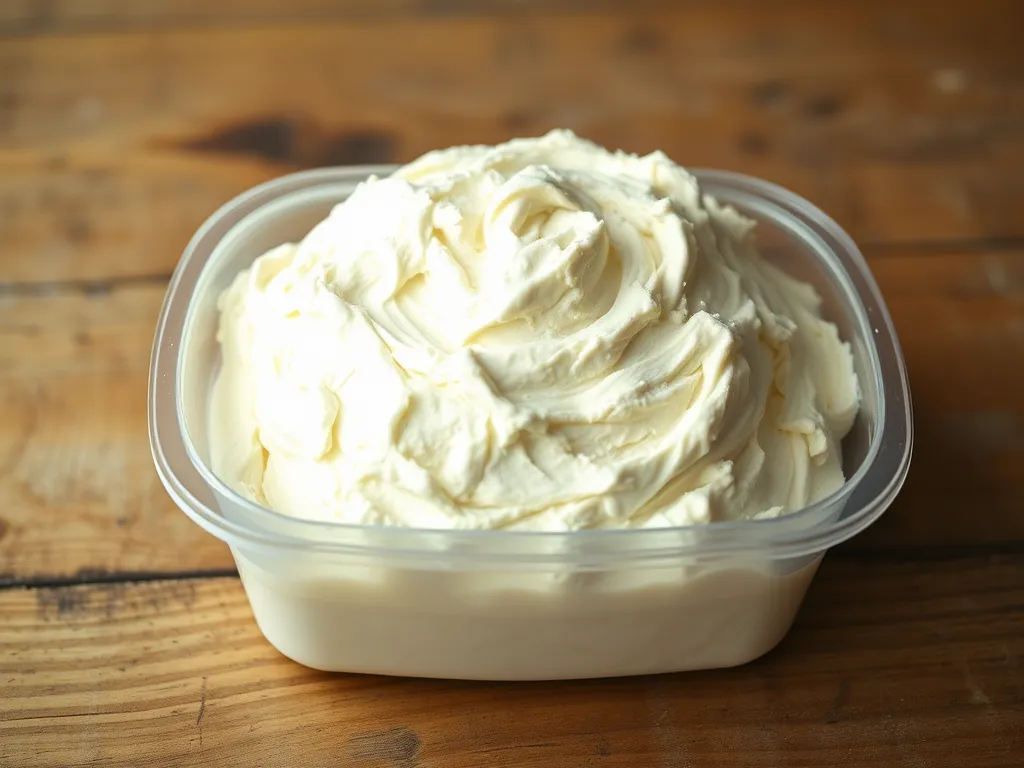
- Slight yellowing of the fat
- Grainy or sandy texture
- Thicker, denser consistency
- Check for any off-smells
- Suitable for cookies or heavy doughs
Month 18–24 (End of Life)
18–24 months
- Strong rancid or oily smell
- Darker yellow or brownish tint
- Oily liquid separation
- Discard immediately
Common questions
How long does vegetable shortening last?
Vegetable shortening typically lasts 12–24 months when stored in a cool, dry pantry environment.
Does vegetable shortening need to be refrigerated?
No, vegetable shortening is shelf-stable and does not require refrigeration. Storing it in a cool pantry helps maintain its freshness for up to two years.
Can I use vegetable shortening if it smells slightly off?
No. If the shortening has a sour or rancid smell, the fats have oxidized, which will negatively impact the flavor of your baked goods.
Does heat affect the shelf life of vegetable shortening?
Yes. Extreme heat can cause the shortening to melt and become runny, which may increase the rate of oxidation over time.
Can I freeze vegetable shortening?
Freezing is not recommended because it can alter the fat's texture, making it difficult to achieve the correct consistency for baking.

Keep your shortening in a cool, dry spot to ensure your cookies and biscuits stay perfectly flaky for up to two years!