
How to Tell if Vegetable Juice is Still Fresh
How to tell if your vegetable juice is still fresh and safe to drink.
Vegetable juice typically stays fresh in the refrigerator for 7–10 days.
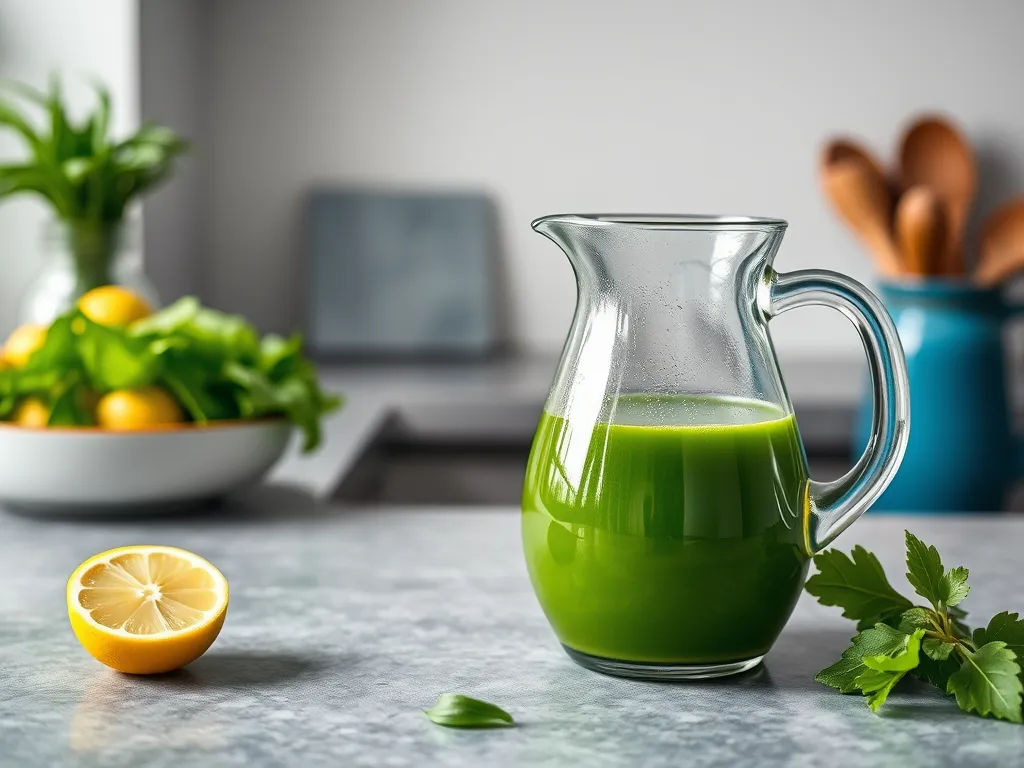
Freshly pressed or store-bought vegetable juice is a nutrient-dense way to start your morning, but its high moisture and nutrient content make it susceptible to rapid changes. Because many juices contain no preservatives, they can begin to ferment or develop bacterial growth much faster than standard beverages. When you notice a change in the liquid's consistency, color, or aroma, it is often a signal that enzymes and microorganisms have begun their work. Knowing exactly how long your juice remains peak-fresh helps you enjoy its full nutritional profile while ensuring every sip is safe for consumption. We break down the visual and sensory cues to help you decide when to keep sipping and when it is time to pour it out.
Heads up: shelf-life ranges are estimates based on home storage. We make no guarantee of accuracy. When unsure, throw it out.
The full timeline
Day 1 (Peak Fresh)
0–2 days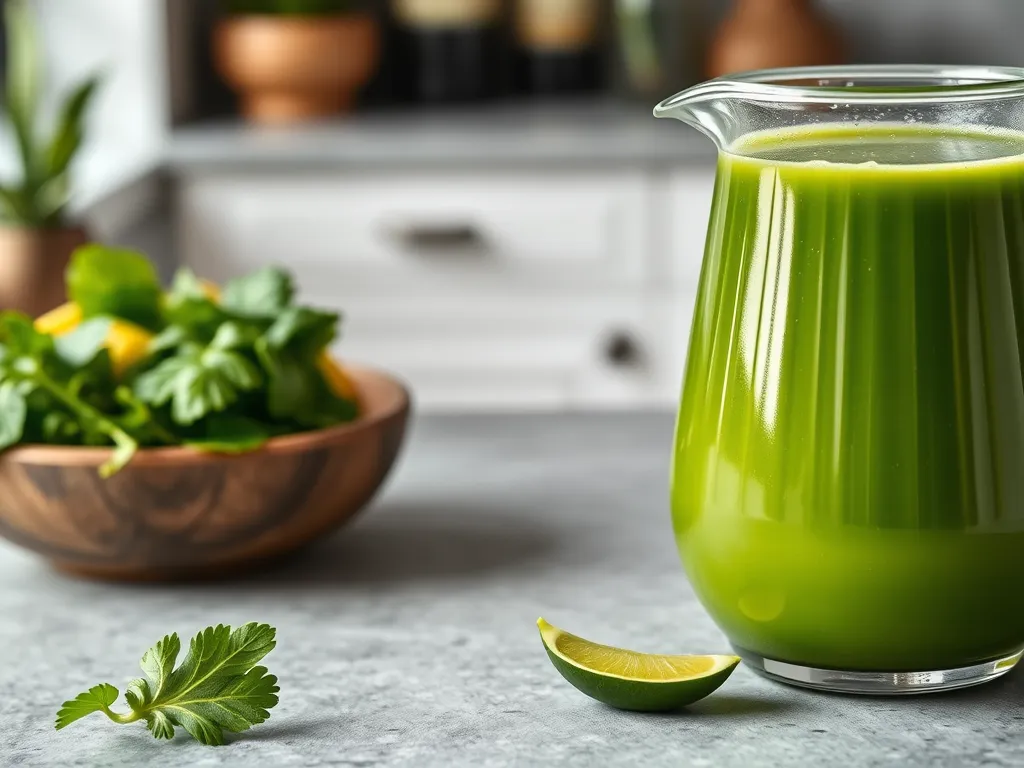
- Vibrant, bright color
- Smooth, consistent texture
- Fresh, earthy aroma
- Enjoy immediately
- Store in fridge
Day 3–5 (Slightly Aged)
3–5 days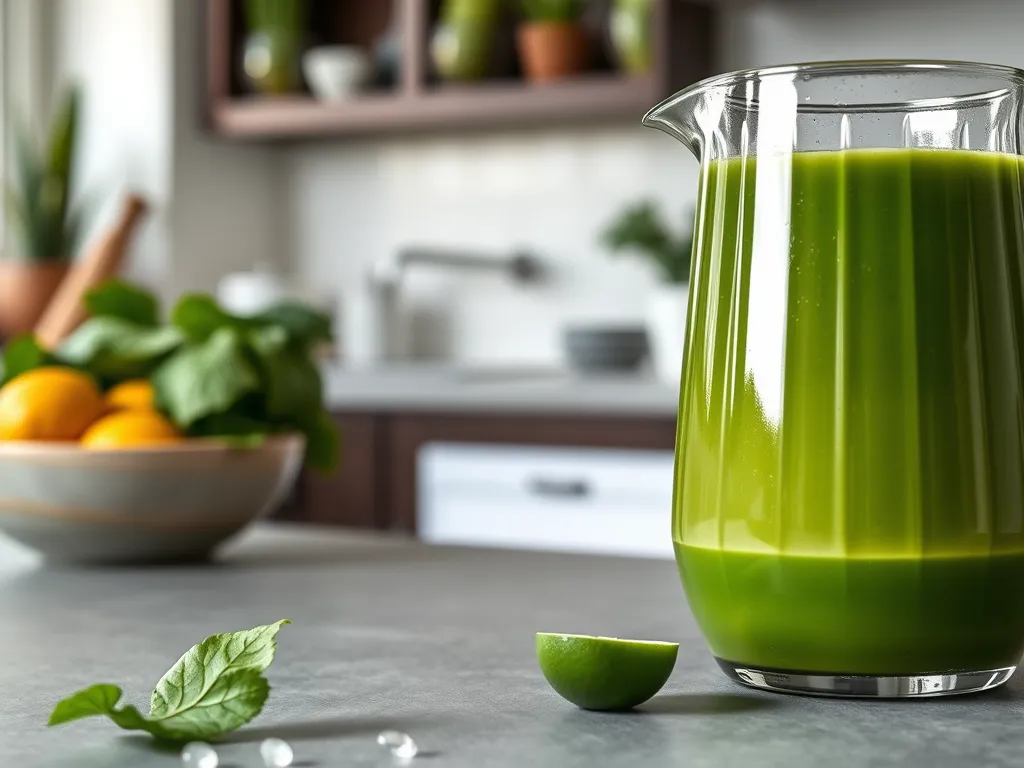
- Minor color dulling
- Slight natural separation
- Mild earthy scent
- Shake and drink
- Drink within 24 hours
Day 6–7 (Caution Zone)
6–7 days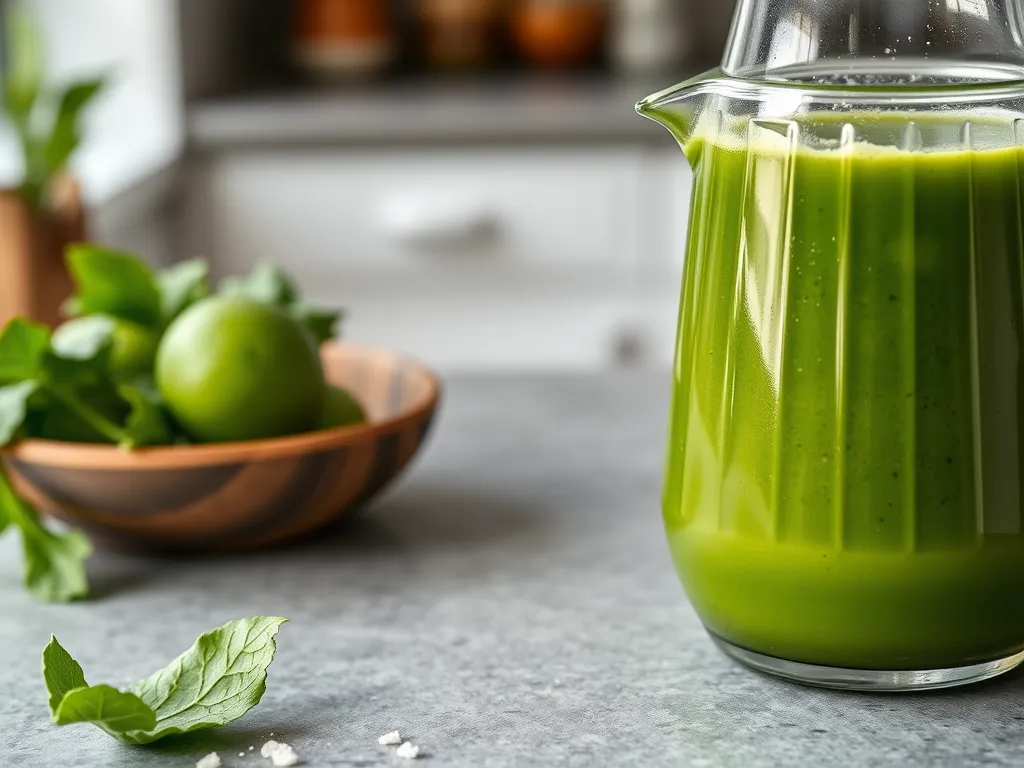
- Cloudy or murky appearance
- Faint sour smell
- Grainy texture
- Drink immediately if scent is neutral
- Discard if sour
Day 8 (Unsafe)
8+ days
- Foul or vinegary odor
- Frothy bubbles on surface
- Sticky residue around the rim
- Discard immediately
Common questions
How long can I keep vegetable juice in the refrigerator?
Vegetable juice typically stays fresh in the refrigerator for 7–10 days. To maintain quality, store it in a sealed container in the coldest part of your fridge.
Why does my vegetable juice separate?
Natural separation is common because fibers and liquids settle over time. A quick shake usually mixes the ingredients back together before drinking.
Can I freeze vegetable juice to make it last longer?
Yes, freezing can extend the life of your juice for several months. Note that texture may change slightly; thaw it completely before consuming.
Is a sour smell or taste safe in older juice?
No. A sour or vinegary smell indicates fermentation or bacterial growth. If the juice smells off, do not drink it.

Freshness is the key to flavor and nutrients in your juice. When in doubt about the safety of your greens, always err on the side of caution and toss it out!