
How to Tell if Tuna Steak Is Bad
How to Tell if Tuna Steak is Spoiled
Tuna steak lasts 2 hours at room temperature before it’s unsafe.
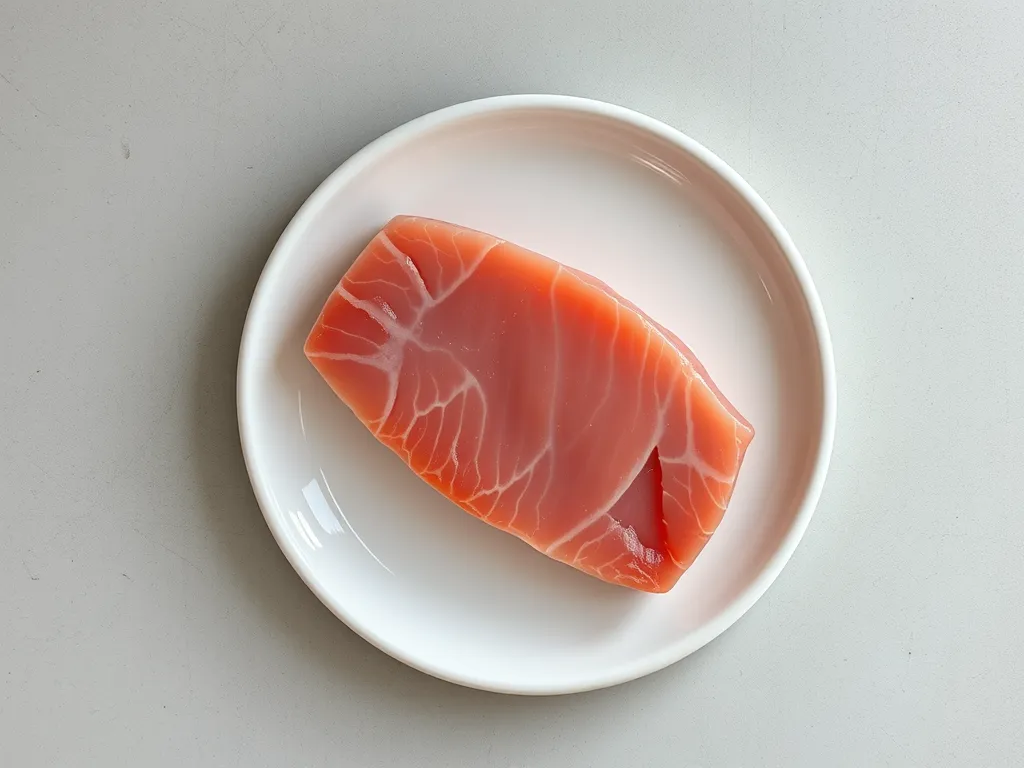
Tuna steak is a high-risk seafood, meaning the clock matters more than the smell test. At room temperature, it should be treated as unsafe after 2 hours; if the environment is particularly warm, this window shrinks even further. Fresh tuna steak should appear firm and moist with a clean scent. In contrast, spoiled tuna steak often turns dull, develops a slimy texture, or emits a strong fishy odor. Because seafood spoilage can happen rapidly, safety depends on strict temperature control. The most reliable approach is to keep the meat chilled until ready for preparation, cook it promptly, and discard it immediately if it has sat out past the 2-hour limit or shows any signs of degradation.
Heads up: shelf-life ranges are estimates based on home storage. We make no guarantee of accuracy. When unsure, throw it out.
The full timeline
Hour 0 (Fresh Cut)
0 hours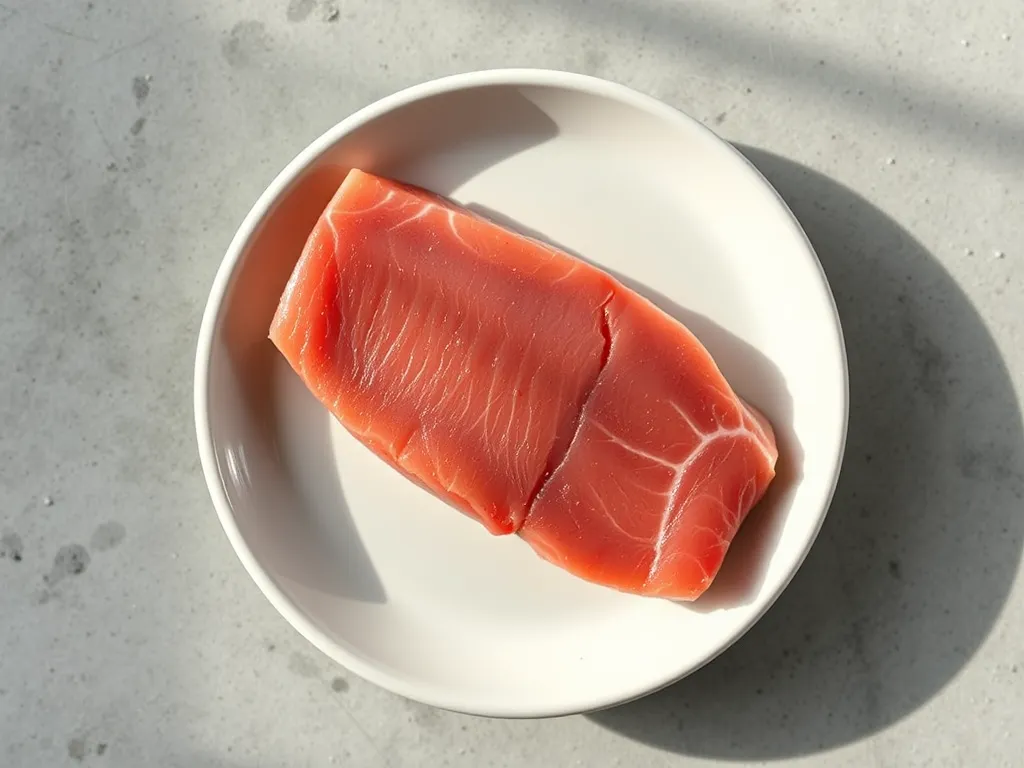
- Firm, springy texture
- Moist surface without slime
- Clean red-pink color
- Mild ocean scent
- Cook soon
- Keep chilled
Hour 1 (Warm Drift)
1 hour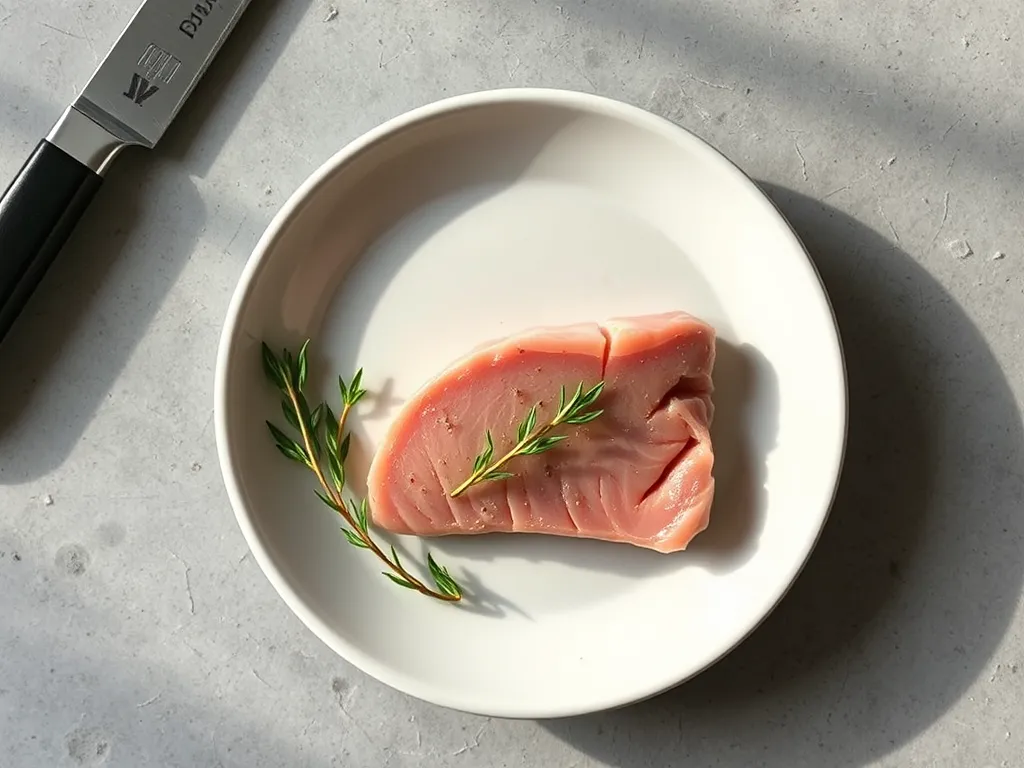
- Surface looks slightly less glossy
- Edges may begin to dry
- Odor remains mild and not sharp
- Texture is still mostly firm
- Cook now
- Refrigerate immediately
Hour 2 (Unsafe Line)
2 hours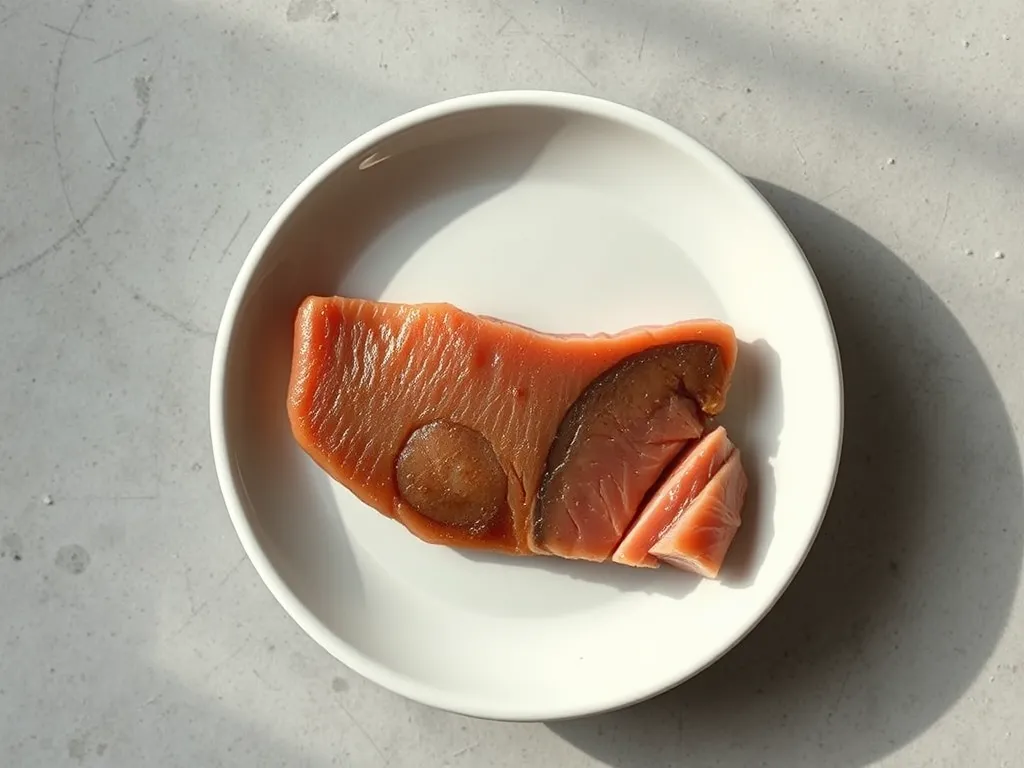
- Reached the 2-hour room-temperature limit
- May feel tacky or sticky to the touch
- Color may shift toward brown
- Any sour or strong fishy odor present
- Toss
- Discard
Hour 4 (Spoilage Signals)
4 hours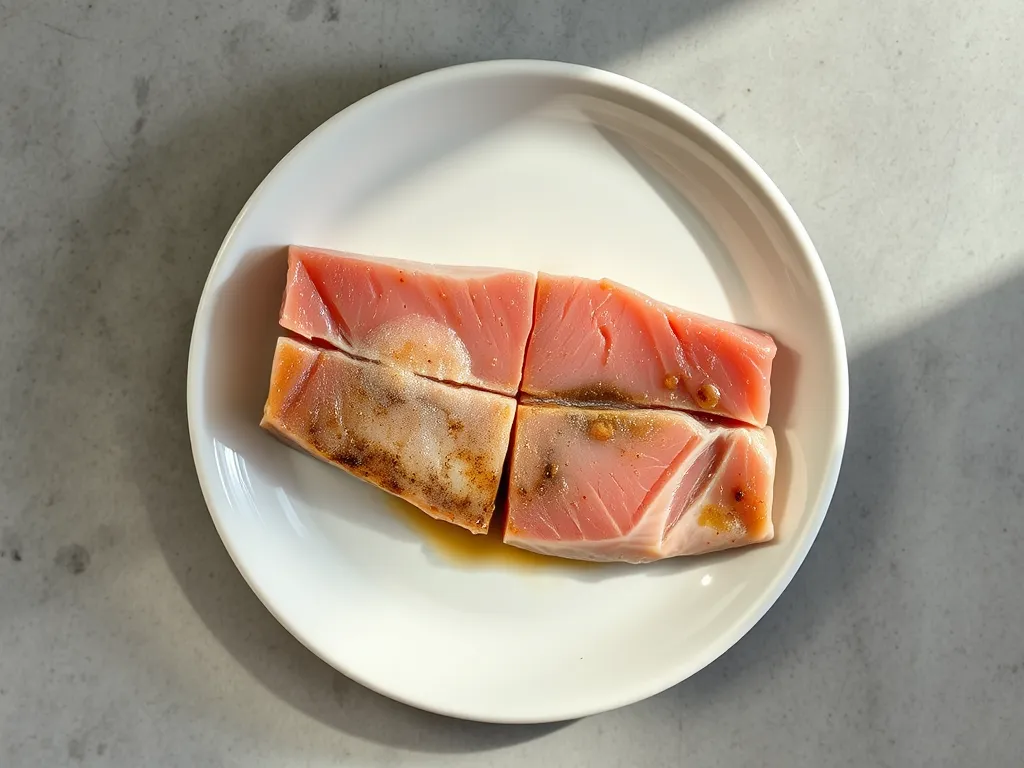
- Noticeable sour or ammonia-like odor
- Slimy or wet-tacky surface texture
- Patchy discoloration
- Soft, mushy spots
- Toss
- Discard
Common questions
Can tuna steak be eaten after sitting out overnight?
No. Overnight exposure far exceeds the safe window for tuna steak. Discard it if it has been at room temperature for more than 2 hours.
Does cooking unsafe tuna steak make it safe?
No. While heat may kill some bacteria, it cannot remove the toxins that can build up in spoiled seafood.
What is the best way to check tuna steak for spoilage?
Prioritize time first, then use your senses. If the fish is slimy, discolored, or has a strong odor, discard it immediately.
Why does tuna steak spoil so quickly at room temperature?
Because tuna steak is dense and moist, it provides an ideal environment for rapid bacterial growth once it warms up.

For tuna steak, time is the most critical clue. Keep it cold, cook it promptly, and if it has crossed the 2-hour mark at room temperature, toss it without second-guessing.