
Is Swordfish Safe to Keep on the Counter?
Understanding the 2-Hour Safety Window for Swordfish
Swordfish is safe on the counter for 2 hours, then it should be tossed.
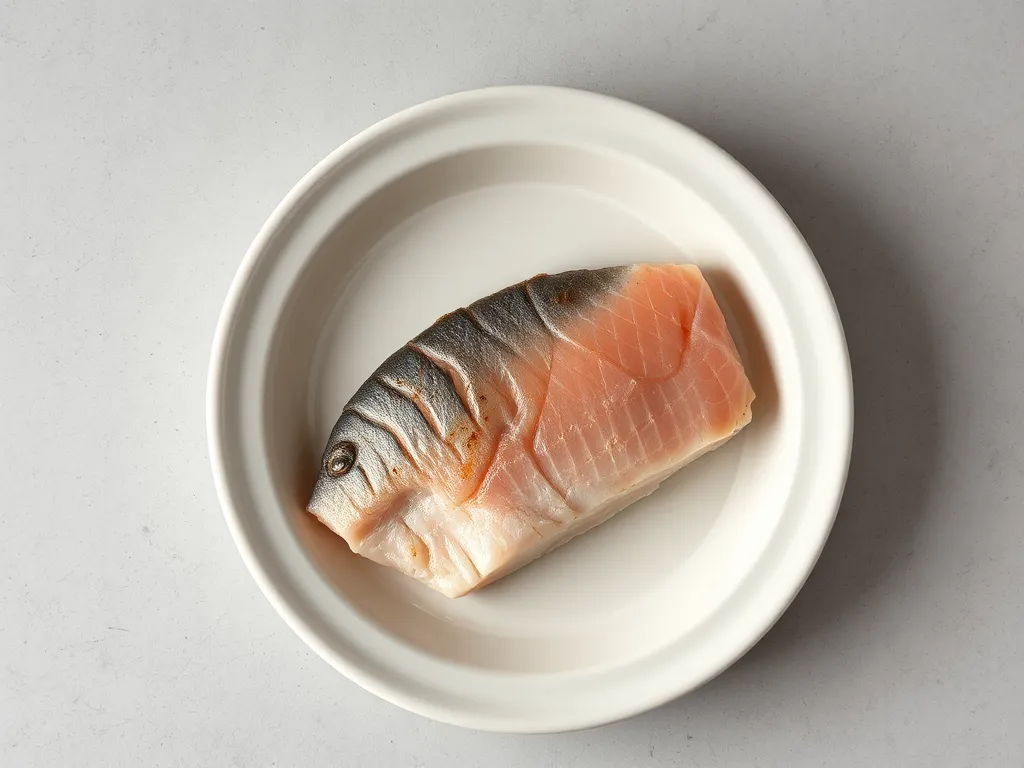
Swordfish is a safety-critical seafood where timing is more important than appearance. Because of its high protein and moisture content, raw swordfish should not sit at room temperature for more than 2 hours; if your kitchen is warm, this window decreases significantly. Once that time limit passes, harmful bacteria can multiply to dangerous levels, and cooking the fish will not make spoiled seafood safe to eat. This guide outlines the specific visual and olfactory cues that distinguish fresh swordfish from meat that has become hazardous. Knowing how to identify these signs—from texture changes to distinct odors—is essential for preventing foodborne illness. Prioritize safety by following strict storage rules rather than relying on a sniff test.
Heads up: shelf-life ranges are estimates based on home storage. We make no guarantee of accuracy. When unsure, throw it out.
The full timeline
Day 1 (Fresh Cut)
0–2 hours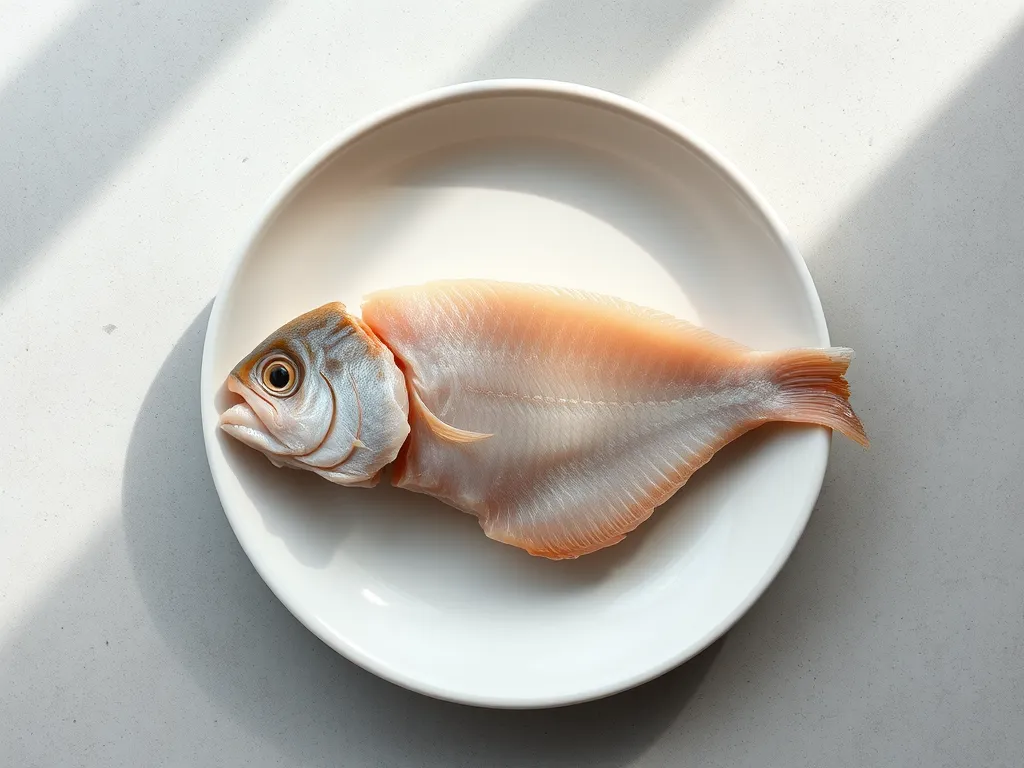
- Firm flesh with a moist sheen
- Clean ocean scent, not sour
- No dulling or sticky surface
- Color looks even and translucent
- Keep chilled
- Cook now
Day 2 (Past Limit)
after 2 hours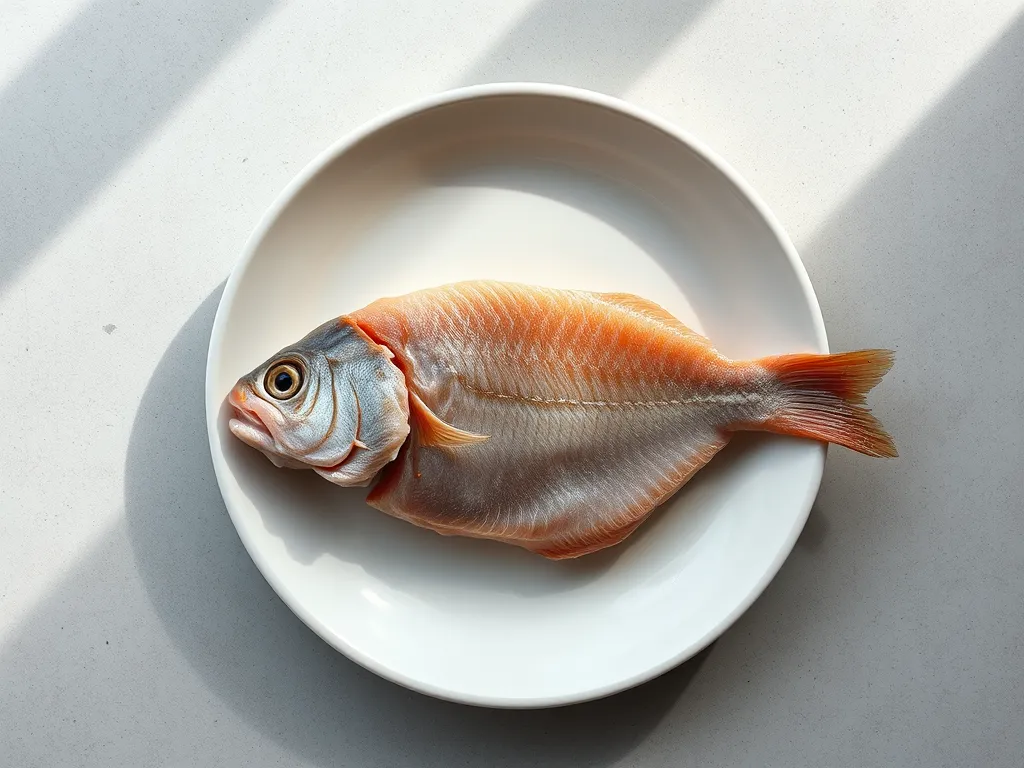
- Surface looks dry or tacky
- Odor turns sharp or sour
- Color dulls or grays at the edges
- Any slime means spoilage has started
- Toss
- Discard
Day 3 (Stale Look)
after 2 hours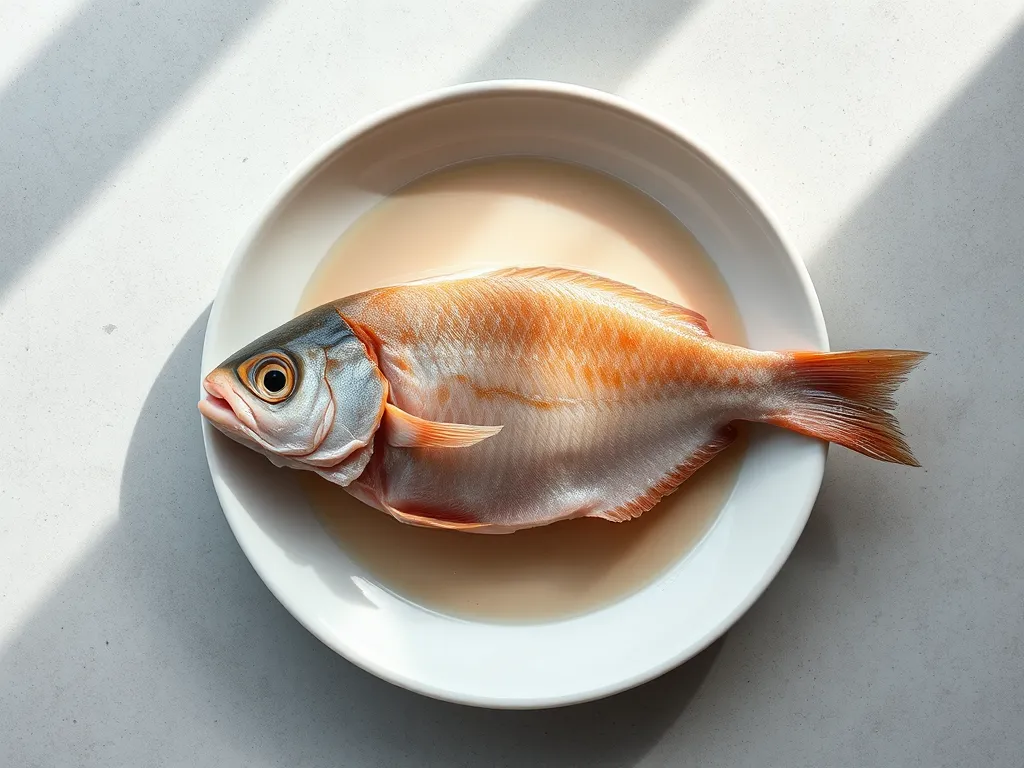
- Noticeable discoloration
- Wet patches or off liquid
- Texture looks soft and uneven
- Smell is unpleasant or fishy-sour
- Toss
- Discard
Day 4 (Spoilage Visible)
after 2 hours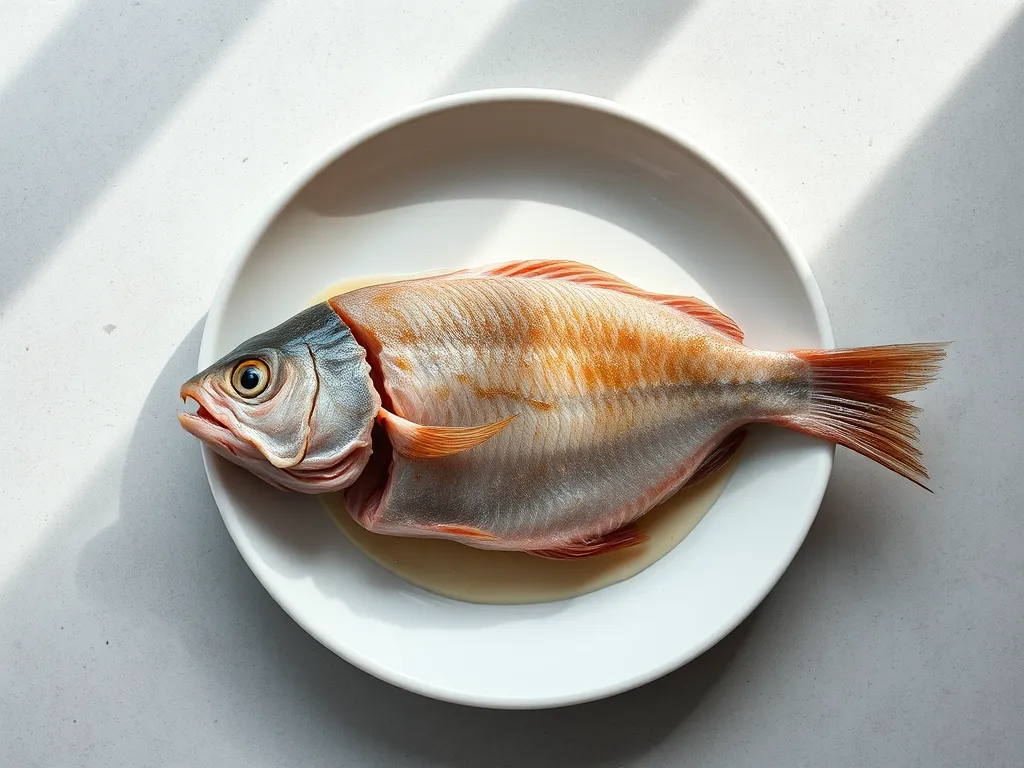
- Slimy surface
- Strong sour or ammonia-like odor
- Darkened patches spread across flesh
- Visible breakdown around the edges
- Toss
- Discard
Day 5 (Do Not Eat)
after 2 hours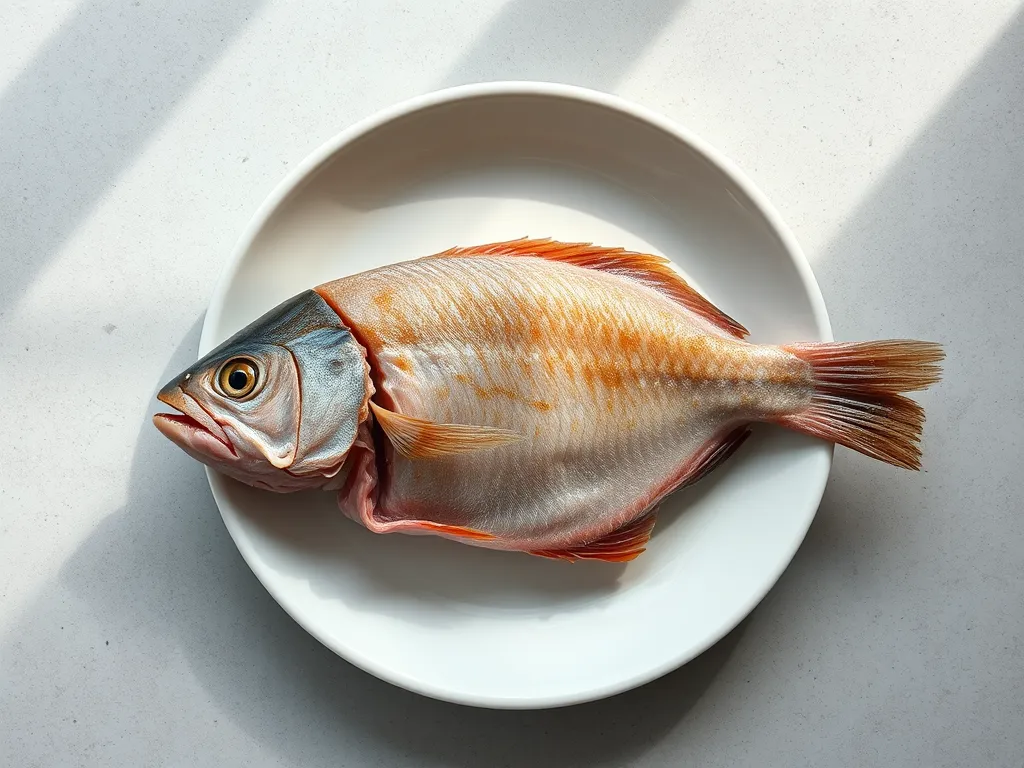
- Fuzzy mold or heavy surface growth
- Strong rotten odor
- Wet pooling and severe discoloration
- Flesh looks collapsed and unsafe
- Toss
- Discard
Common questions
Can swordfish sit out while I prep the rest of dinner?
Yes, but only briefly. Swordfish is safe on the counter for 2 hours; after this window, it should be tossed to ensure safety.
Does cooking swordfish after it sits out make it safe?
No. Cooking does not reliably make room-temperature swordfish safe once it has been left out past the 2-hour limit.
What if swordfish was left out overnight?
Toss it. Leaving swordfish at room temperature overnight puts it well past the safe window and makes it unsafe to consume.
How can I tell if swordfish is unsafe without tasting it?
Look for a sour odor, slime, dull gray color, soft texture, or any liquid buildup. Sage's Verdict: If it seems off in any of these ways, it goes in the trash.
Can I freeze swordfish to preserve it?
Yes, swordfish can be frozen. To maintain the best quality and texture, wrap it tightly in plastic wrap or place it in an airtight container before freezing.

Sage's Final Word: Swordfish belongs on the plate, not hanging out on the counter. Stick to the 2-hour rule, and when the fish looks or smells off, toss it.