
Is Roast Beef Safe to Eat After Freezing?
How to store and identify safe roast beef in the freezer
Roast beef stays safe for 2–3 months when stored in the freezer.
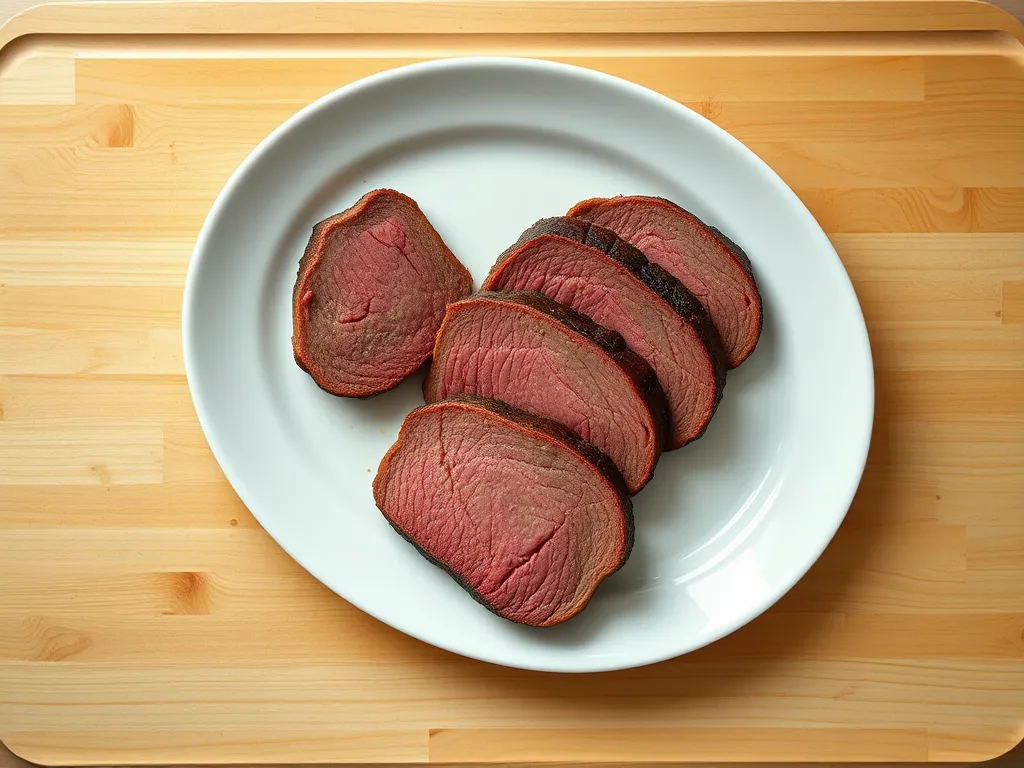
Freezing is an effective way to extend the life of leftover roast beef, but it is not a permanent solution. While freezing halts the growth of most bacteria, it does not reverse spoilage that occurred before the meat was frozen. To ensure safety, freeze your roast beef promptly while it is still fresh and thaw it slowly in the refrigerator. Once thawed, you must inspect the meat closely for signs of decay. If the beef exhibits a sour odor, develops a slimy texture, or shows visible mold, discard it immediately. Following these guidelines helps prevent foodborne illness and ensures you only consume high-quality protein.
Heads up: shelf-life ranges are estimates based on home storage. We make no guarantee of accuracy. When unsure, throw it out.
The full timeline
Day 1 (Peak Fresh)
0–1 day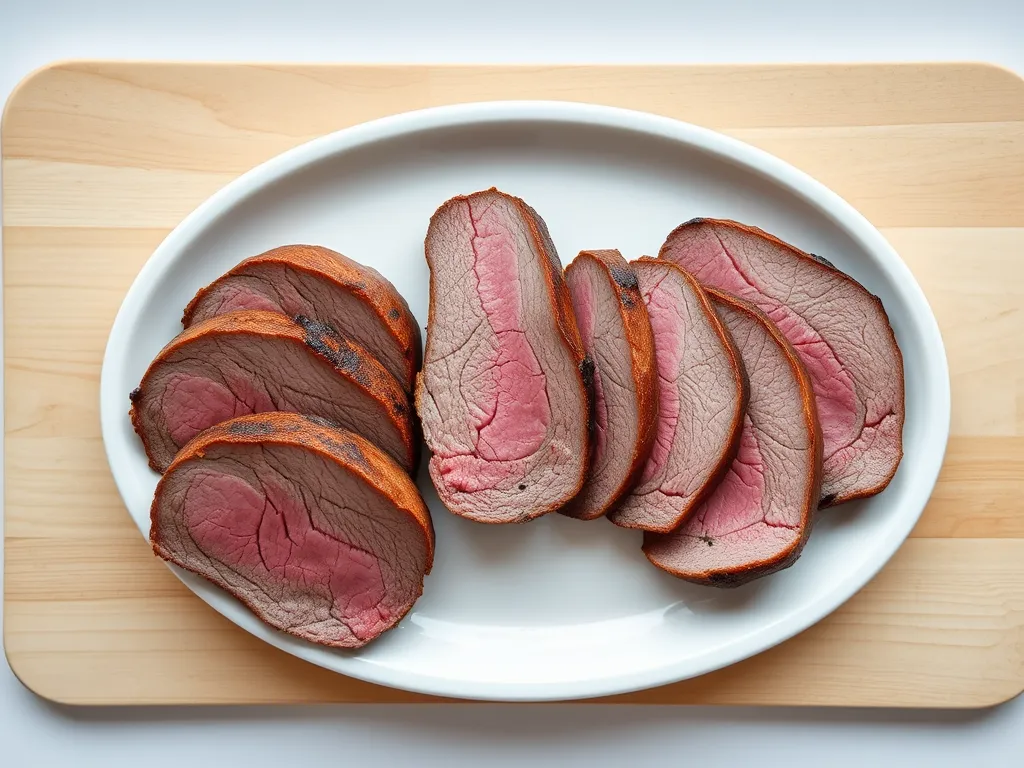
- Deep brown exterior with a moist, pinkish interior
- Surface appears glossy rather than wet or sticky
- Slices remain firm and hold their shape
- Freeze for long-term storage
- Refrigerate for immediate use
Day 2–30 (Frozen Grace)
2 days–1 month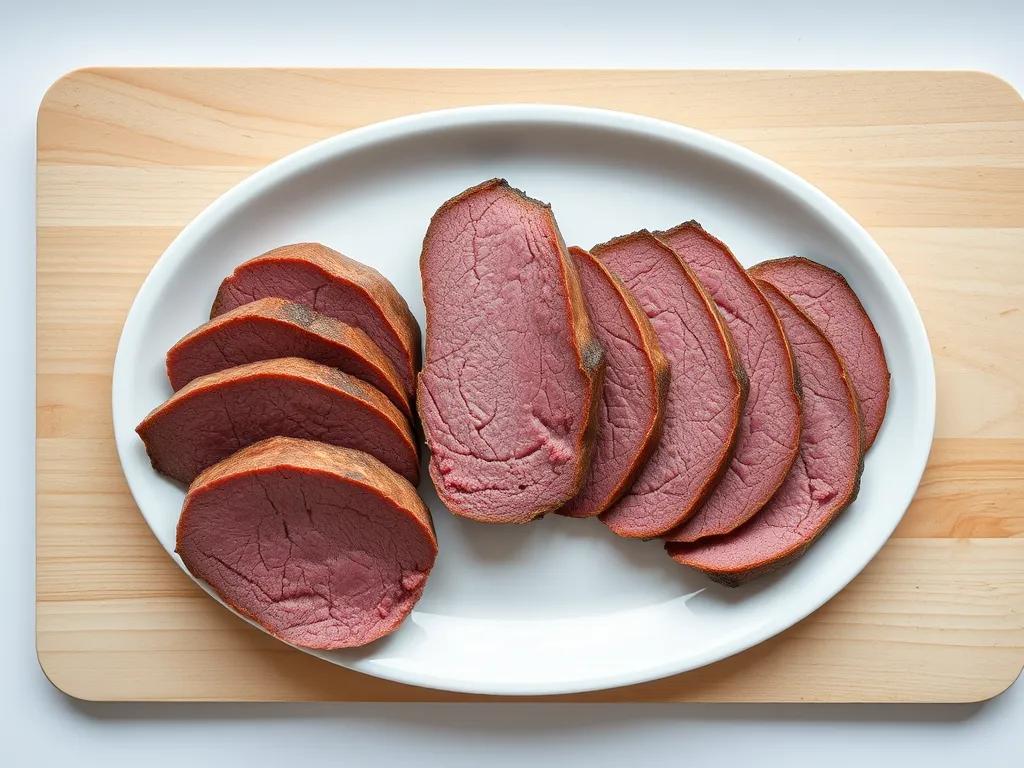
- Color remains stable throughout the frozen state
- Small ice crystals may form on the surface
- Slices stay firm and separated
- Maintain frozen temperature
- Use older stock first
Week 6 (Quality Slips)
6 weeks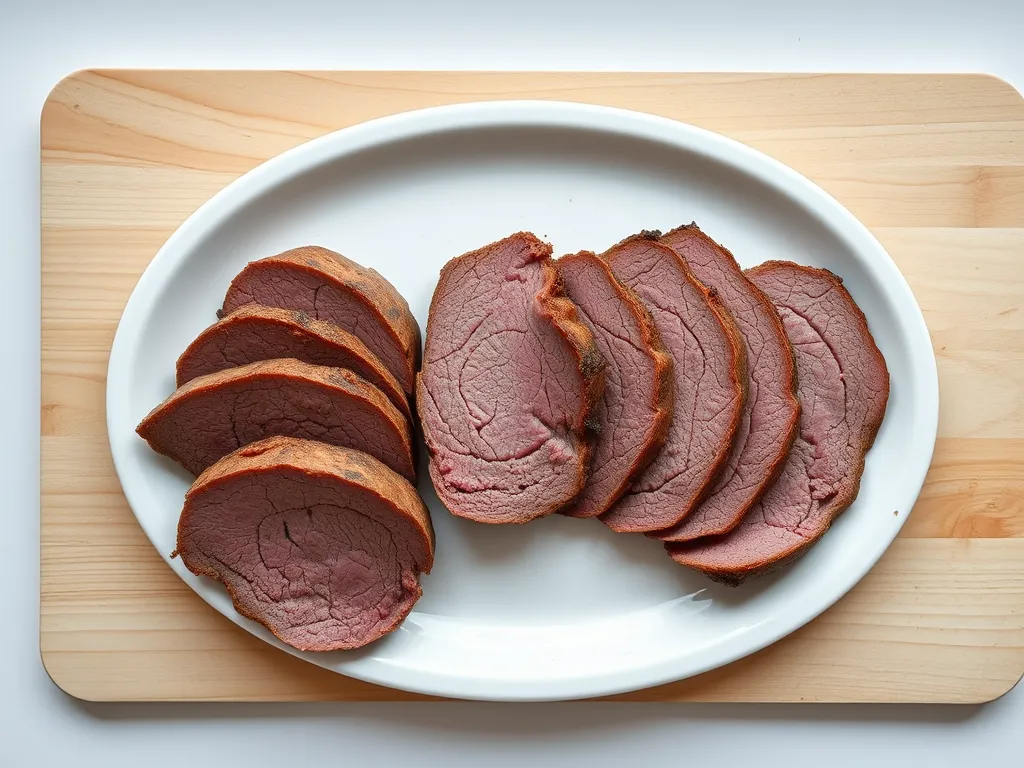
- Visible freezer burn on exposed edges
- Color appears dull with pale or grayish spots
- Texture feels drier and less supple
- Use as soon as possible
- Trim away dry edges after thawing
Month 2 (Edge Of Window)
2 months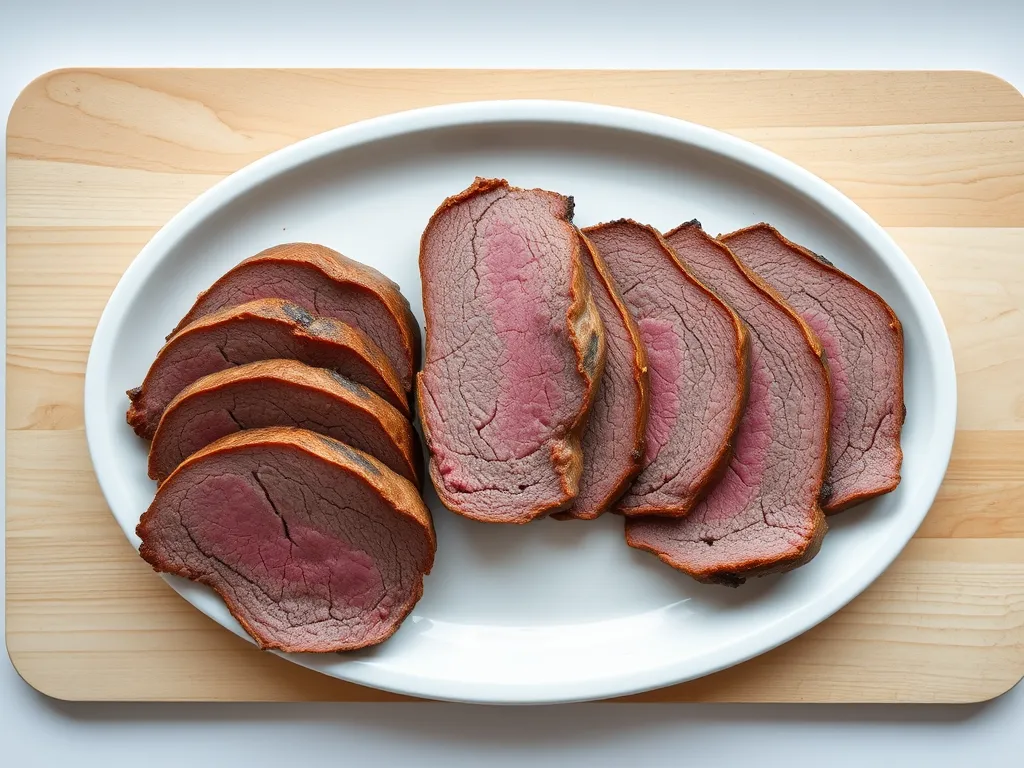
- Noticeable freezer burn on outer slices
- Meat feels tougher or leathery to the touch
- Aged gray-brown tones appear in spots
- Use promptly after thawing
- Discard if odor or slime is present
Month 3 (Toss It)
3 months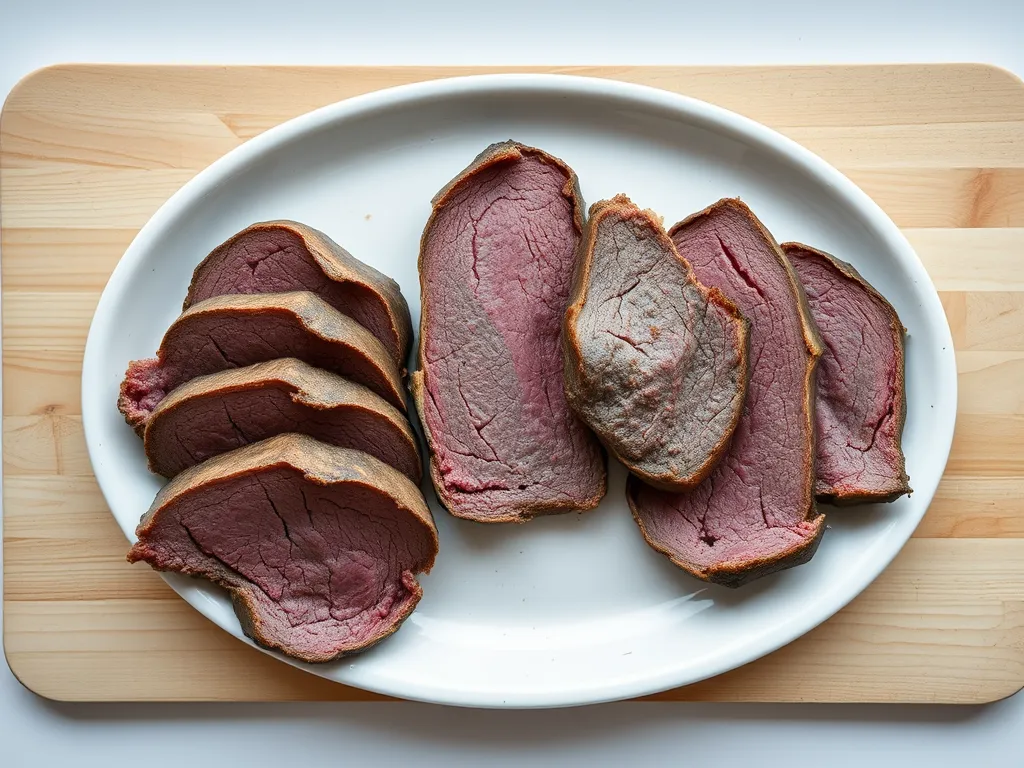
- Heavy freezer burn across most slices
- Strong, unpleasant odors upon thawing
- Slimy film, mold growth, or unusual discoloration
- Toss in the trash
- Discard immediately
Common questions
How long can roast beef be kept in the freezer?
Roast beef is safe to eat for 2–3 months in the freezer. Beyond this time, quality declines significantly due to freezer burn and changes in texture.
Is it safe to eat roast beef that smells off or feels slimy after thawing?
No. If thawed roast beef has a strange odor, a slimy texture, or visible mold, it must be discarded immediately to avoid foodborne illness.
What is the safest way to thaw roast beef?
The safest method is to thaw roast beef in the refrigerator. This prevents the meat from entering the 'danger zone' temperature range where bacteria multiply rapidly.
Can I freeze roast beef indefinitely if it stays frozen?
While freezing stops bacterial growth, it does not preserve quality forever. Additionally, if the meat was already contaminated before freezing, it remains unsafe to consume once thawed.

Sage’s Final Word: Roast beef is best used within 2–3 months of freezing. If you detect a sour smell, a slimy film, or see mold after thawing, discard it immediately.