
How to Tell If Ramen Is Still Good
How to Tell if Leftover Ramen is Still Safe to Eat
Ramen lasts about 3–4 days in the refrigerator before quality and safety drop.
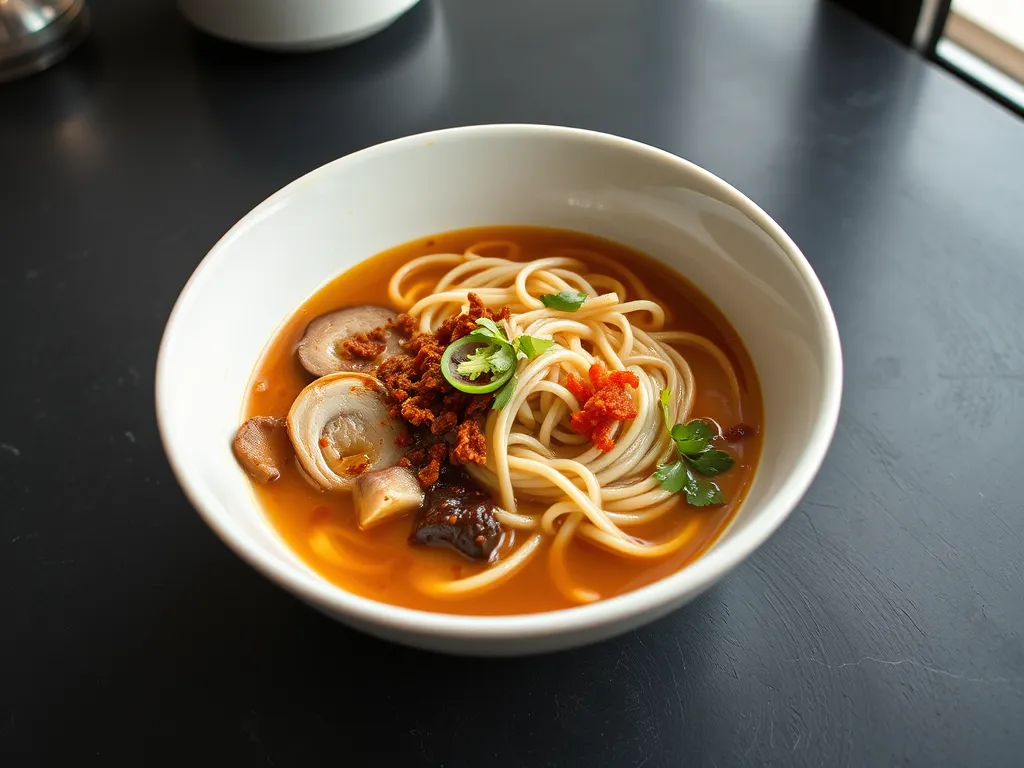
Leftover ramen can be deceptive, often appearing fine even as it begins to spoil. Because it contains a combination of starch-heavy noodles and nutrient-rich broth, it is susceptible to bacterial growth if kept too long. The safest window for refrigerated ramen is 3–4 days, but you must monitor specific sensory clues—smell, texture, and color—to determine safety. Brothy or creamy bases may degrade at different rates, but the refrigerator clock remains the primary guideline. This guide explains how to identify when your ramen is peak fresh, when it enters a caution zone, and exactly when it must be discarded to avoid foodborne illness.
Heads up: shelf-life ranges are estimates based on home storage. We make no guarantee of accuracy. When unsure, throw it out.
The full timeline
Day 1 (Peak Fresh)
0-1 day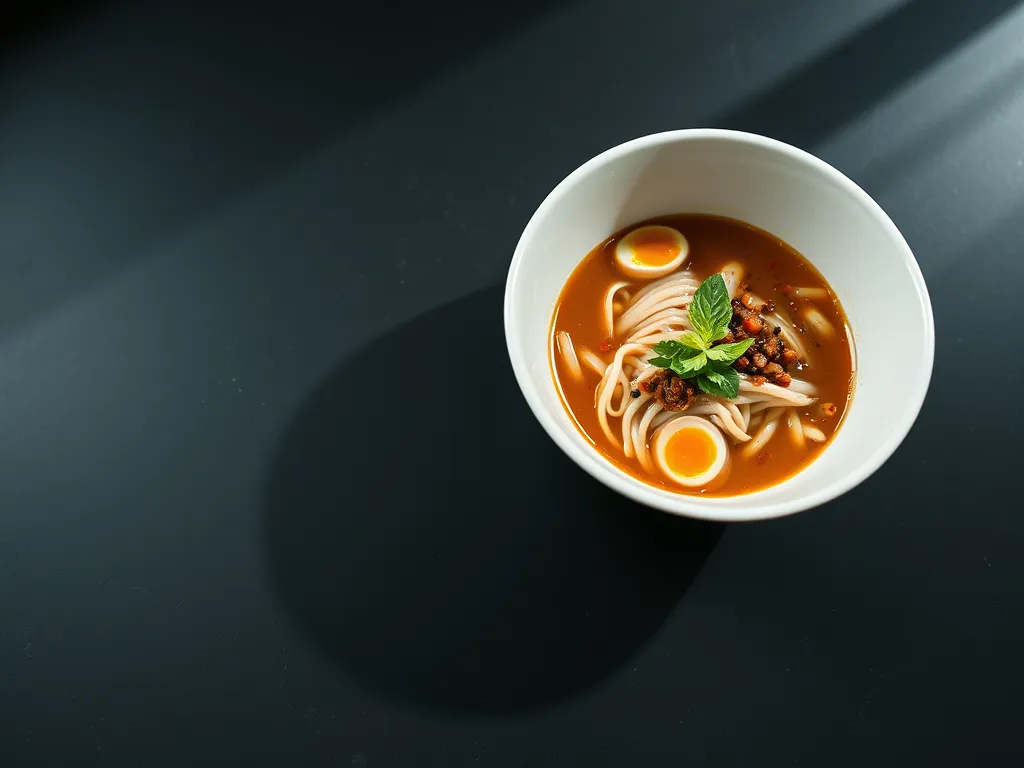
- Broth remains clear or consistently colored
- Noodles are springy and free of slime
- Toppings maintain a glossy, fresh appearance
- Eat immediately
- Store in airtight containers
- Freeze for long-term storage
Day 2 (Still Fine)
1-2 days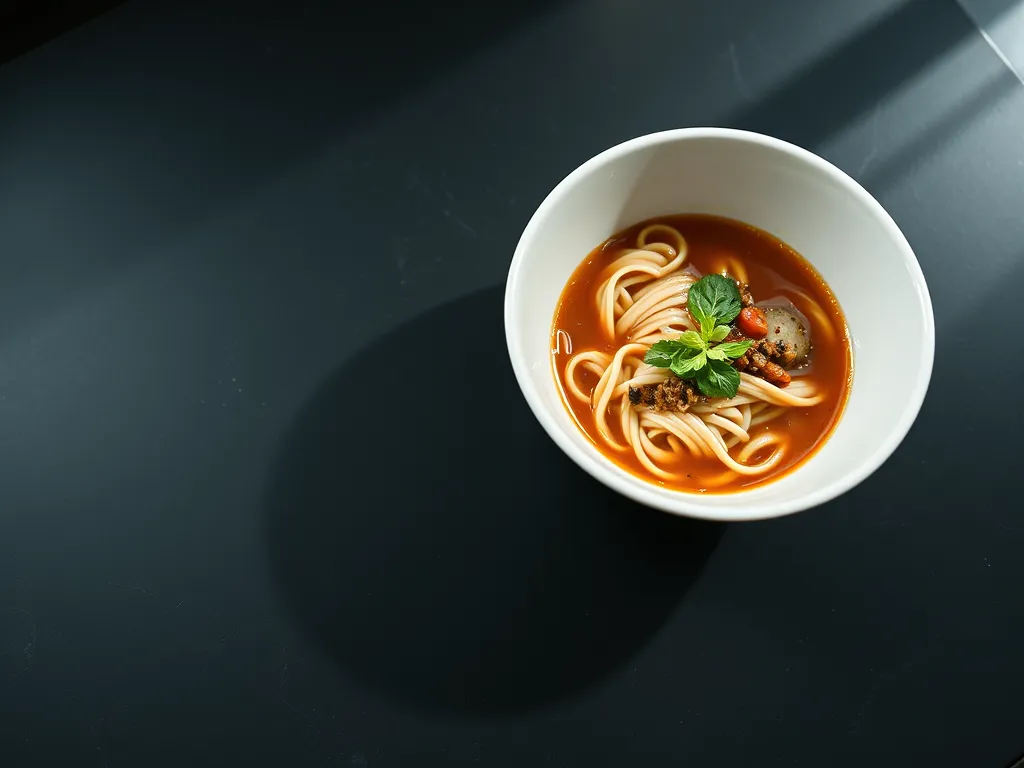
- Noodle texture is still firm and not sticky
- Broth may show slight thickening
- No sour, sharp, or stale odors
- Reheat thoroughly
- Verify scent before eating
- Keep refrigerated
Day 3 (Caution Signs)
3 days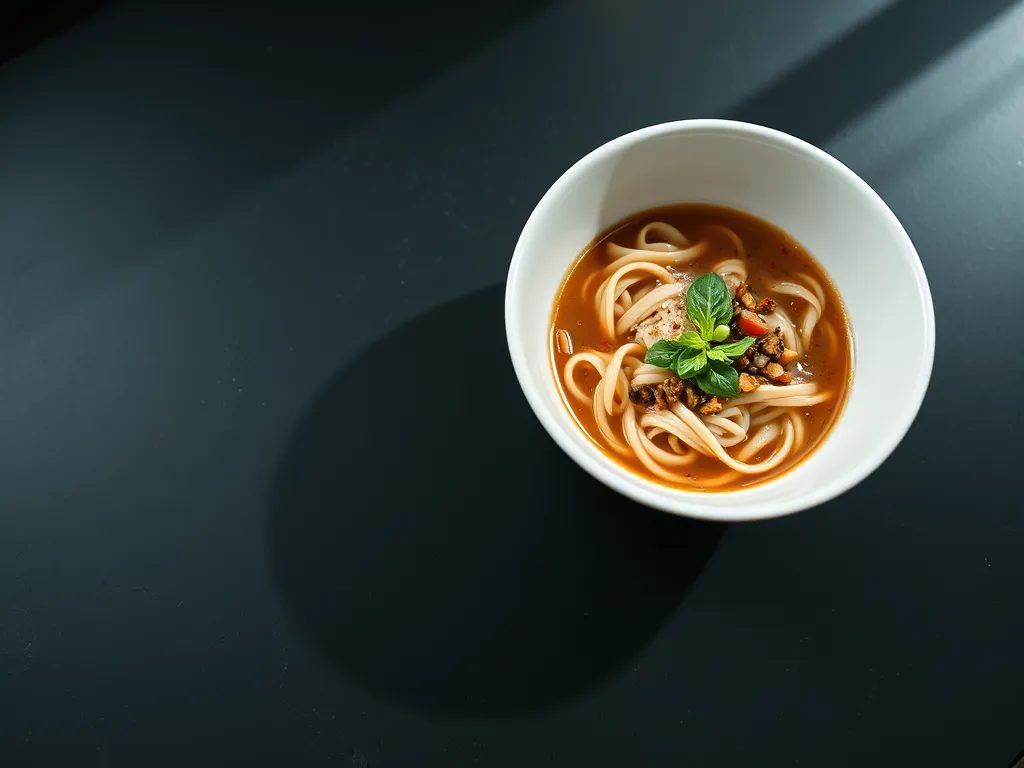
- Noodles appear swollen or overly soft
- The surface of the broth looks dull
- A mild sour or heavy scent is detectable
- Discard if smell has changed
- Avoid taste-testing for safety
- Toss if noodles feel slimy
Day 4 (Toss Zone)
4 days
- Strong sour, rancid, or funky odor
- Slimy noodle texture or greasy separation in broth
- Visible mold, bubbling, or unusual discoloration
- Discard immediately
- Do not attempt to reheat
- Toss in trash
Common questions
How long can I keep cooked ramen in the refrigerator?
Cooked ramen is safe to keep in the refrigerator for 3–4 days. After this period, the risk of bacterial growth increases and quality declines significantly.
Can I freeze leftover ramen to extend its shelf life?
Yes, you can freeze ramen, though freezing often alters the noodle texture, making them mushy or brittle upon thawing. For the best quality, consume it within the 3-4 day refrigerator window.
Do toppings like eggs or meat make ramen spoil faster?
Yes. Perishable additions such as pork, chicken, seafood, or soft-boiled eggs increase spoilage risks. When these are present, strictly adhere to the 3-4 day limit and check for off-smells.
Will reheating old ramen make it safe to eat?
No. Reheating kills some bacteria but cannot reverse spoilage or destroy heat-stable toxins. If ramen has been refrigerated longer than 4 days, it should be discarded regardless of temperature.
What are the primary signs that ramen has gone bad?
The most reliable indicators of spoiled ramen are a sour or funky smell, a slimy film on the noodles, and cloudy broth or visible mold.

Ramen safety depends on a short refrigerator window and clear sensory cues. A clean scent and normal texture indicate it is okay; a sour odor, slime, or mold means it must be tossed.