
How to Tell If Provolone Is Still Good
How to identify fresh vs. spoiled provolone
Provolone lasts about 6 months in the freezer.
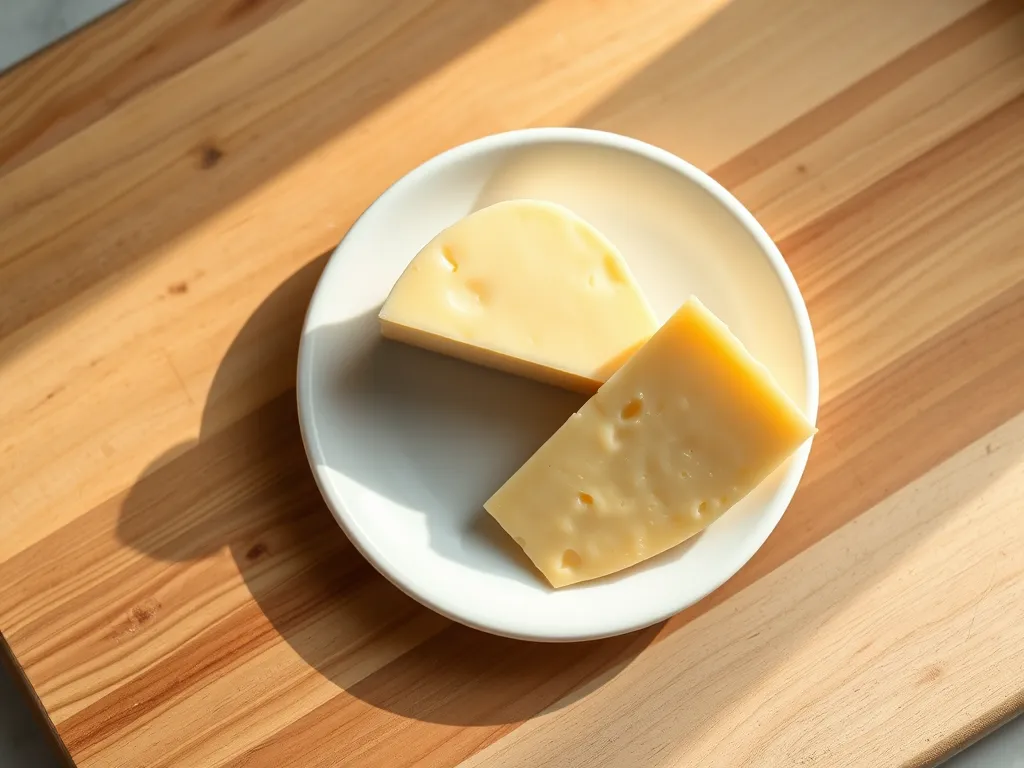
Determining if provolone is still safe to eat depends on its texture, smell, and appearance. As a semi-soft cheese, freezing can significantly extend its storage life, though it often alters the mouthfeel by making the cheese more crumbly. When checking for freshness, look for an even, pale ivory color and a smooth surface. A fresh aroma should be mild and buttery. If you encounter slimy textures, fuzzy mold growth, or a sharp, sour, or ammonia-like scent, the cheese has spoiled. This guide breaks down the visual and olfactory cues to help you distinguish between minor quality changes and actual spoilage so you can use your dairy safely.
Heads up: shelf-life ranges are estimates based on home storage. We make no guarantee of accuracy. When unsure, throw it out.
The full timeline
Day 0 (Peak Fresh)
fresh to 1 month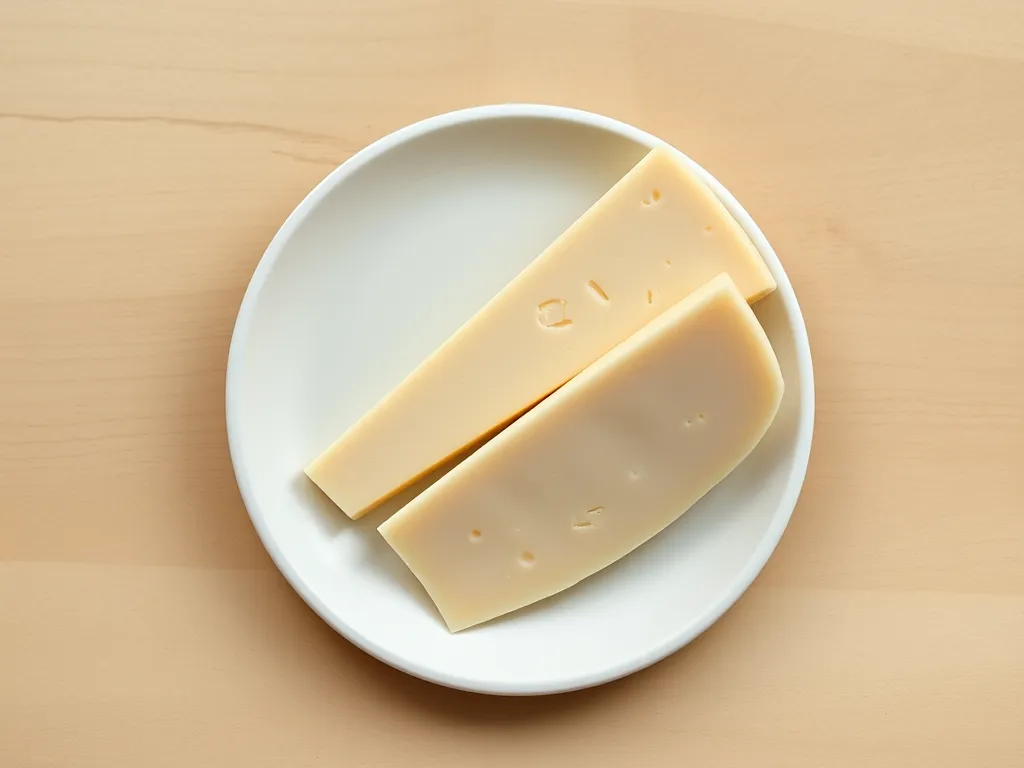
- Even, pale ivory color
- Smooth, dry surface without shine
- Mild, buttery, and clean aroma
- Freeze for long-term storage
- Use in sandwiches or snacks
- Slice for immediate use
Day 1–3 (Frosted Edge)
1–3 days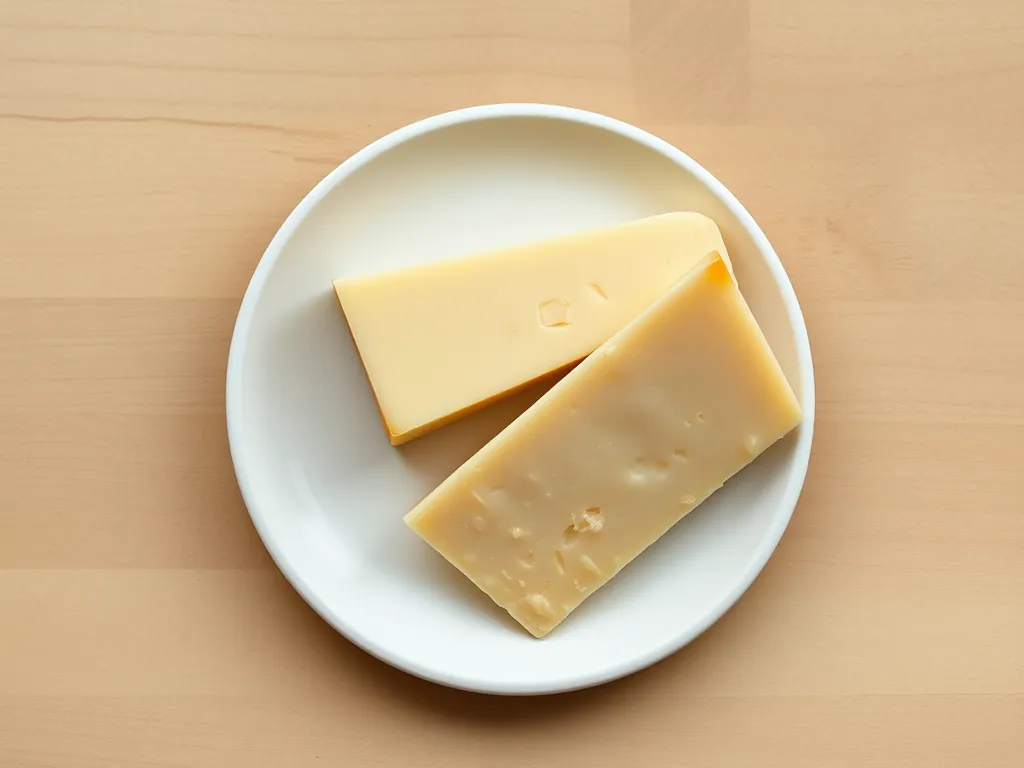
- Slight drying at the cut edges
- Consistent color throughout
- Firmer texture after thawing
- Use for immediate meals
- Grate into cooked recipes
- Rewrap tightly to prevent further drying
Day 4–7 (Quality Dip)
4–7 days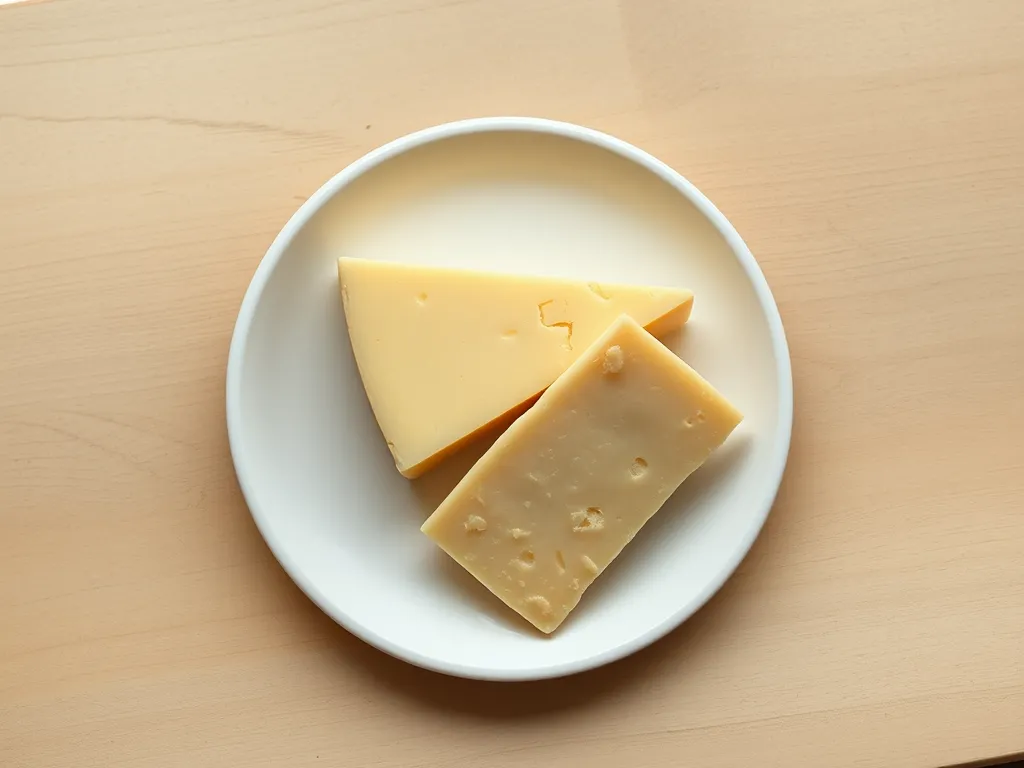
- Dull or chalky surface appearance
- Small cracks appearing on cut sides
- Noticeable drop in melt quality and flavor
- Use only in cooked dishes
- Trim away dry spots
- Discard if an odor develops
Day 8–14 (Spoilage Signs)
1–2 weeks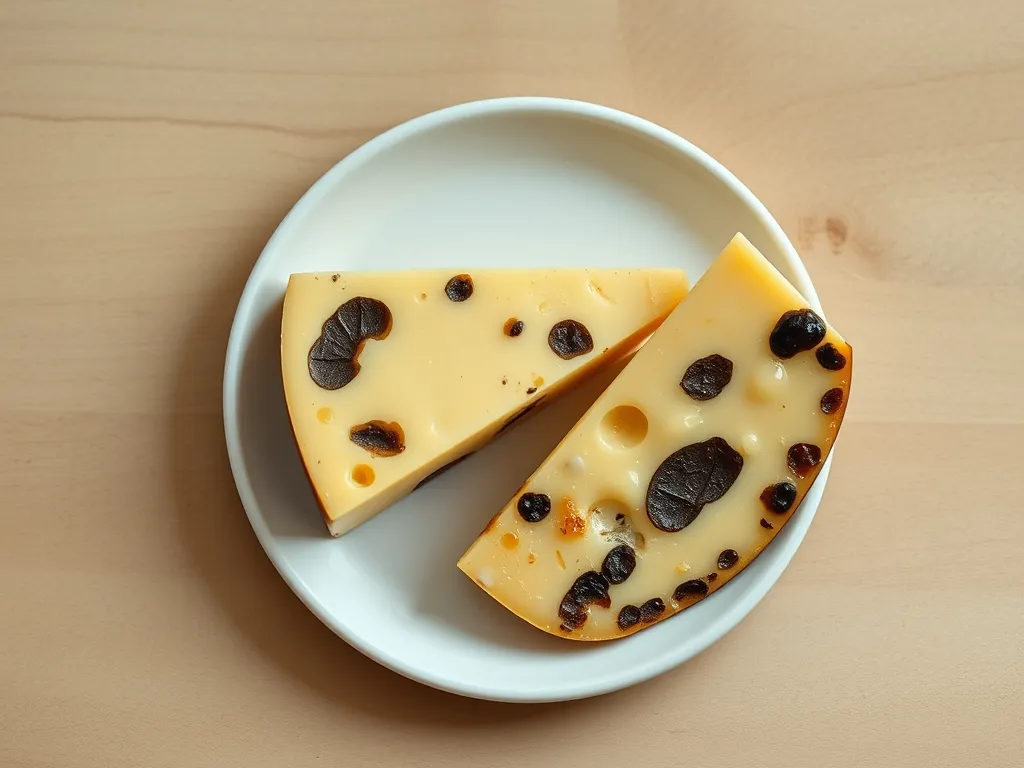
- Visible fuzzy mold or colored patches
- Slimy or sticky surface texture
- Sharp, sour, bitter, or ammonia-like smell
- Toss the entire piece
- Discard immediately
- Do not taste-test
Common questions
How long can I keep provolone in the freezer?
Provolone lasts about 6 months in the freezer. While it remains safe to eat for this duration, the texture may become more crumbly due to ice crystal formation.
Can frozen provolone still be used after thawing?
Yes, provided it shows no signs of mold or slime and maintains a normal smell. Because freezing changes its structure, it is best used for melting or grating rather than slicing.
Why does my provolone feel crumbly after thawing?
Freezing causes water to turn into ice crystals, which break down the cheese's internal structure. This results in a firmer, drier, and more crumbly texture, but it is a quality change rather than a safety issue.
Can I cut mold off provolone?
No. Because provolone is a semi-soft cheese, mold roots can penetrate deep into the interior where they are not visible. If mold appears, discard the entire portion.

Provolone is easy to judge: look for a clean smell and smooth surface; if you see mold, slime, or smell something sour, toss it.