
How to Tell if Your Polenta is Still Good
Pantry Storage Guide & Spoilage Indicators
Polenta can be stored in a pantry for 1–2 years when kept in an airtight container.
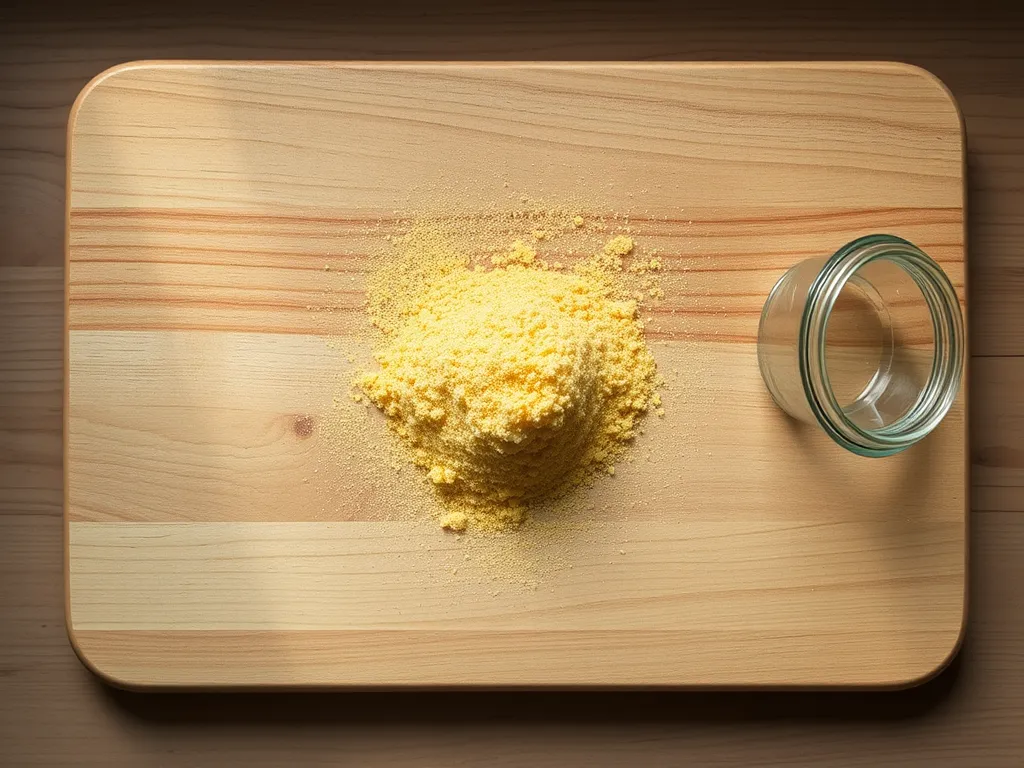
Polenta is a versatile cornmeal staple used in everything from creamy porridge to crispy fried cakes. Because it is a dry, coarsely ground grain, it has a long shelf life if managed correctly. To maintain its quality, you must protect it from the two primary enemies of pantry goods: moisture and pests. Environmental humidity can cause clumping or mold, while improper sealing may allow pantry insects to enter. By monitoring changes in aroma, texture, and color, you can ensure your polenta remains safe and flavorful for cooking. Proper storage in a cool, dark place is the most effective way to preserve its natural corn flavor.
Heads up: shelf-life ranges are estimates based on home storage. We make no guarantee of accuracy. When unsure, throw it out.
The full timeline
Month 1 (Peak Fresh)
0–3 months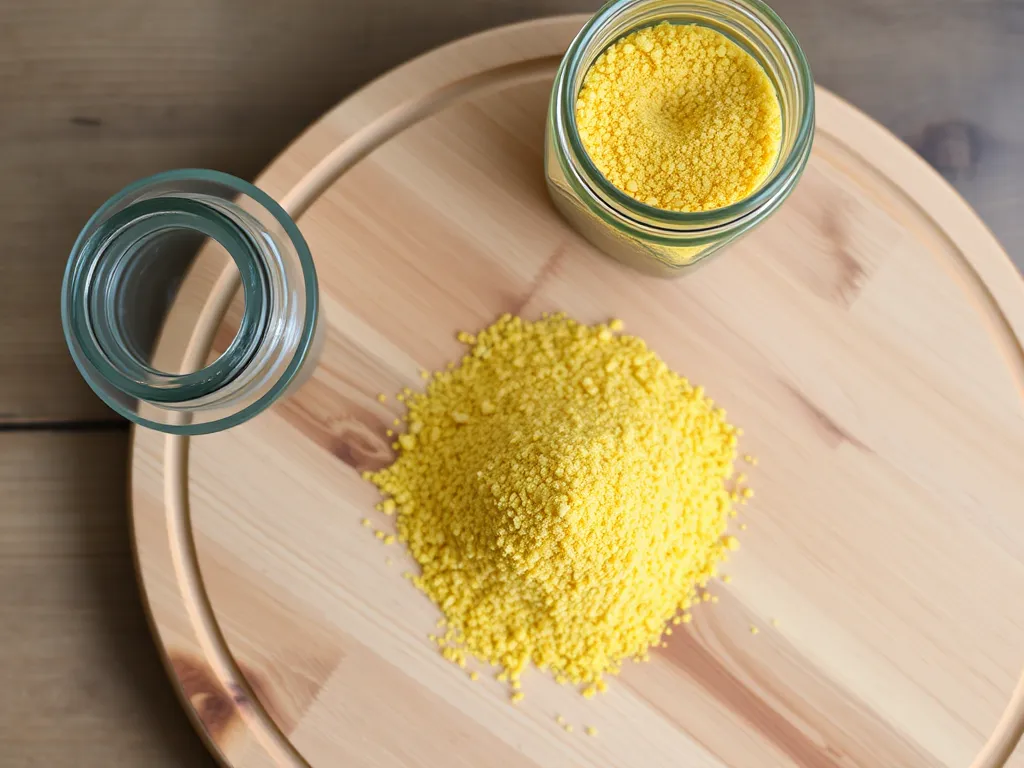
- Bright yellow color
- Dry, granular texture
- Fresh corn aroma
- Store in an airtight container
- Use for cooking
Month 12 (Stable Storage)
6–12 months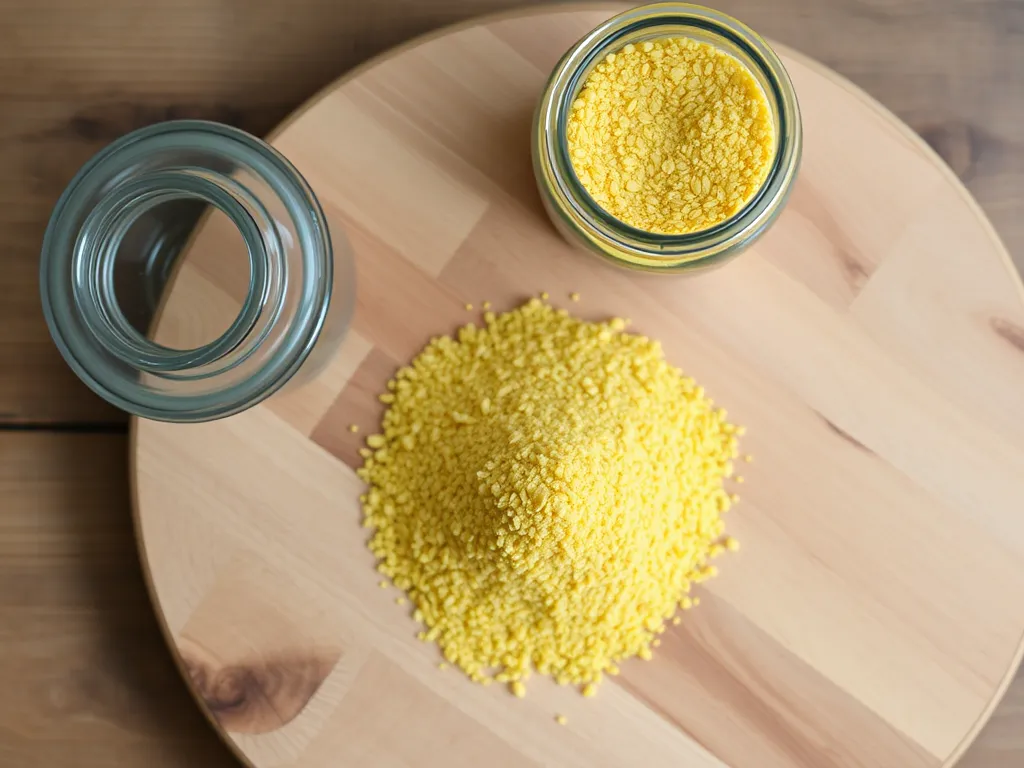
- Consistent color
- Dry texture
- Mild corn scent
- Maintain airtight seal
- Use for cooking
Month 18 (Signs of Age)
12–18 months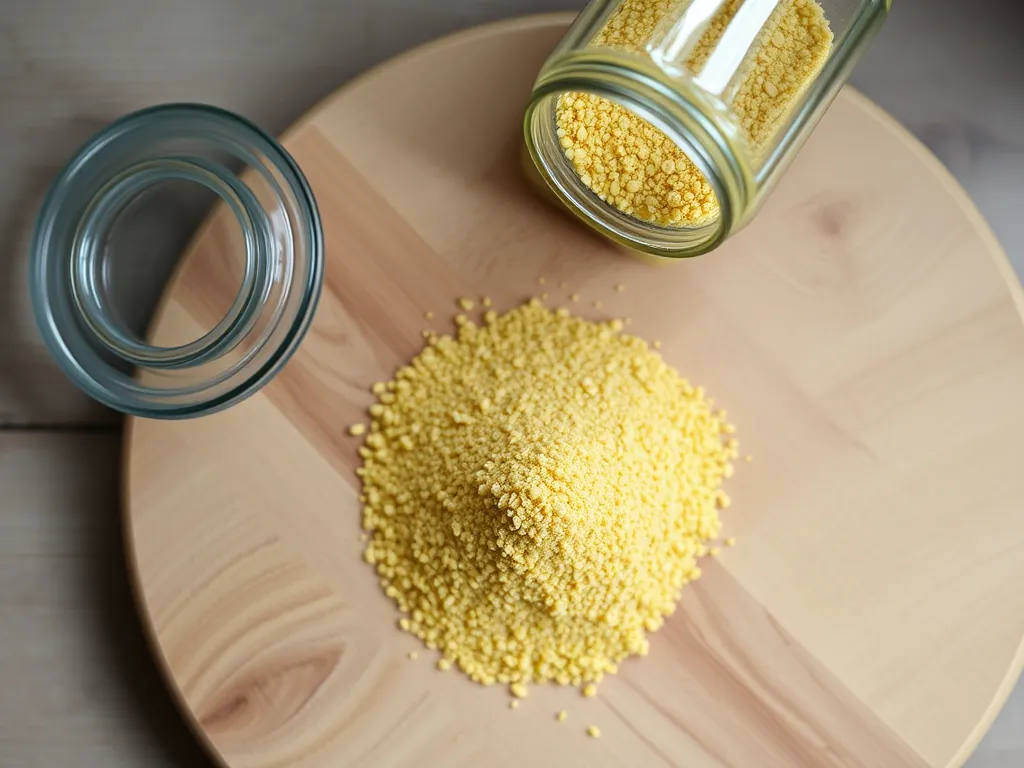
- Dull color
- Small clumps forming
- Faint musty odor
- Check for mold growth
- Use promptly
Month 24 (Past Prime)
18–24 months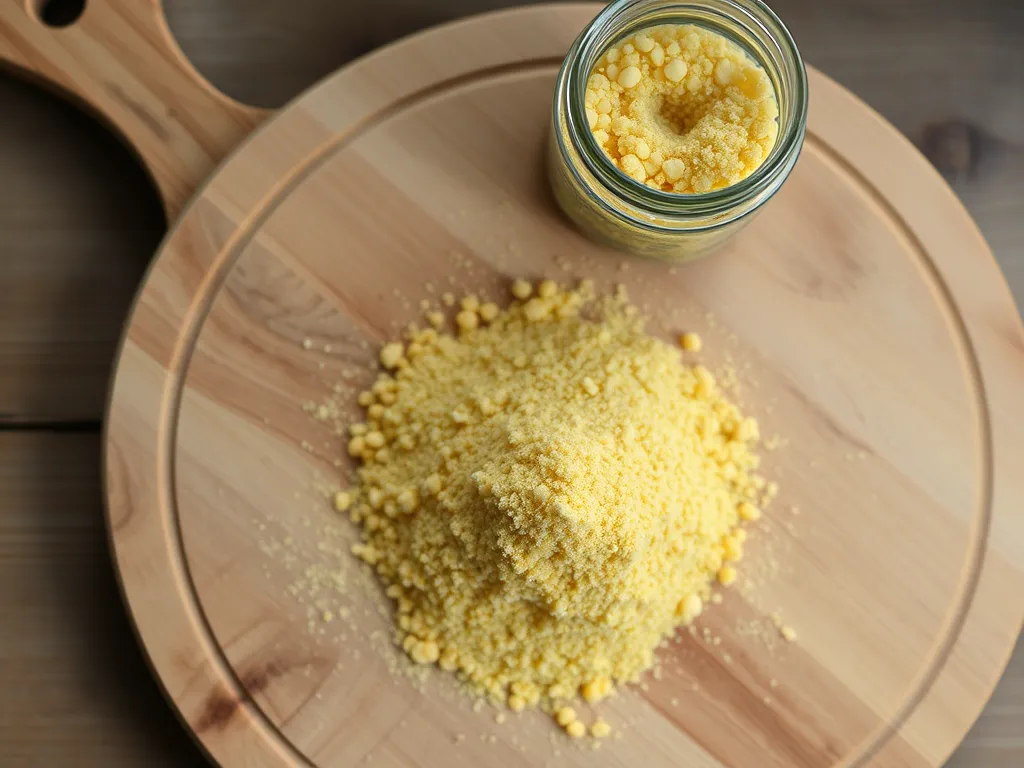
- Visible mold spots
- Heavy clumping
- Strong musty or sour smell
- Discard immediately
- Toss in the trash
Common questions
How long can I store polenta?
Polenta lasts 1–2 years in a pantry if kept in an airtight container.
Does polenta need to be refrigerated?
No, polenta is shelf-stable. For maximum freshness, store it in a cool, dry pantry inside a sealed container.
Can I freeze polenta?
Yes, freezing preserves polenta for long periods, though the texture may change slightly upon thawing.
How do I tell if my polenta has mold?
Look for fuzzy white, green, or black spots on the surface or within clumps. If you see any fuzz, discard it immediately.
Is it safe to use polenta with small clumps?
Small clumps usually indicate moisture exposure. If there is no mold and no off-smell, it is safe to cook, though the texture may be less smooth.

Keep your polenta in a sealed container to keep those corn grains happy and dry for as long as possible!