
How Long Do Oranges Last in the Refrigerator?
How to identify fresh, aging, and spoiled oranges
Oranges last about 3–4 weeks in the refrigerator.
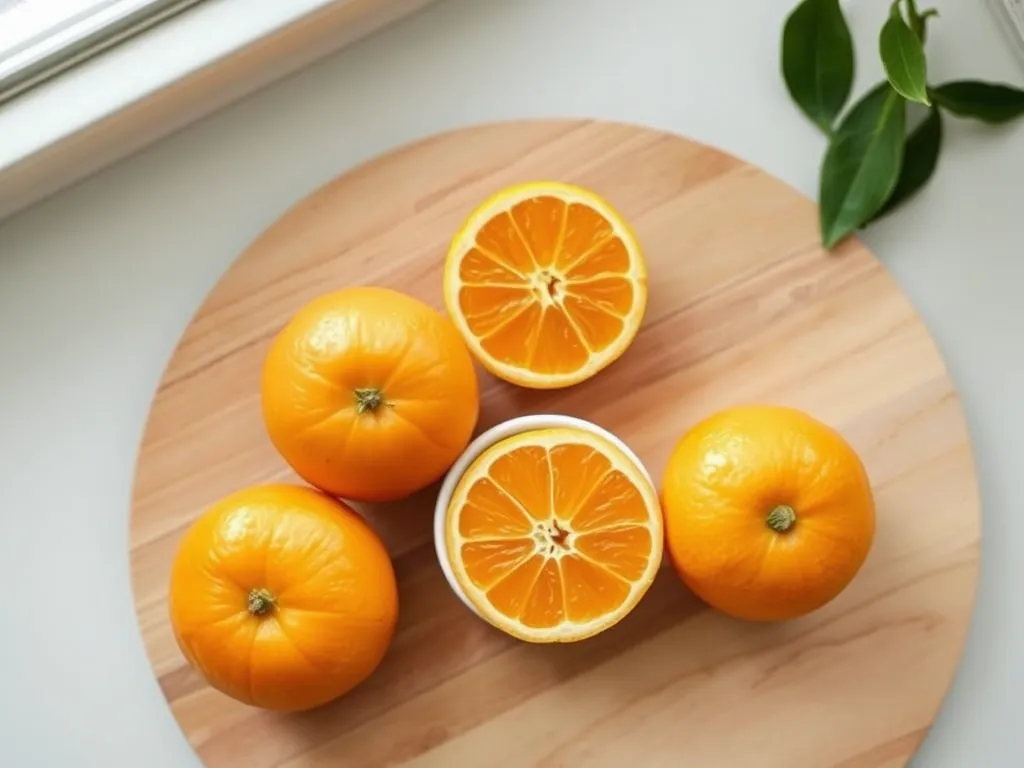
Oranges maintain their best texture and flavor for several weeks when stored in the refrigerator, provided the peel remains dry and intact. While whole oranges are resilient, you should watch for soft spots, mold growth, leaking juice, or a fermented odor, all of which indicate the fruit has passed its peak eating quality. This guide helps you distinguish between fresh, aging, and spoiled oranges using visual, tactile, and olfactory cues. Note that this timeline applies to whole oranges kept in cold storage; once an orange is cut, its shelf life decreases significantly. To ensure safety and quality, evaluate your fruit by combining sight, smell, and touch rather than relying on a single indicator.
Heads up: shelf-life ranges are estimates based on home storage. We make no guarantee of accuracy. When unsure, throw it out.
The full timeline
Day 1 (Peak Fresh)
1 day
- Firm skin with a smooth matte sheen
- Bright orange color with minimal blemishes
- No wrinkling or soft patches
- Clean, lively citrus aroma
- Eat immediately
- Store in refrigerator
Day 7 (Still Snappy)
1 week
- Peel may look slightly less glossy
- Skin feels firm and heavy to the touch
- Minor cosmetic scuffs may appear
- Aroma remains fresh
- Eat
- Keep chilled
Day 14 (Getting Soft)
2 weeks
- Peel begins to loosen or pucker
- Surface shows slight drying or roughness
- One side feels softer than the rest
- Flavor may be less intense
- Eat soon
- Inspect closely
- Refrigerate
Day 21–28 (Spoiling)
3–4 weeks
- Soft spots or squishy areas
- Visible mold or white fuzz on the peel
- Leaking juice or sticky patches
- Sour, fermented, or musty odor
- Toss
- Discard
Common questions
How long do oranges stay fresh?
Oranges last about 3–4 weeks in the refrigerator. While they can sit on a counter for approximately one week, refrigeration is more effective at slowing down moisture loss and mold growth.
Can I store oranges in the freezer?
Yes, you can freeze oranges, but freezing alters their texture. They are best used frozen for juicing or baking rather than eating fresh.
What signs mean an orange should be tossed?
Discard any orange showing visible mold, a fermented or musty smell, slimy/leaking spots, or significant soft collapse. These are definitive signs of spoilage.
Can I eat an orange if the peel is wrinkled?
Yes, wrinkling usually indicates moisture loss rather than rot. If the fruit remains firm and smells normal, it is safe to eat, though it may be less juicy.
Is it safe to eat an orange with a small spot of mold?
No. It is safer to discard the entire fruit because mold can spread deep into soft produce beyond what is visible on the surface.

Sage's Final Word: For oranges, firmness, a clean smell, and an intact peel are your best indicators. Once you see mold, leaking juice, or deep soft spots, toss it.