
How Long Does Octopus Last in the Freezer?
Freezer Storage & Quality Guide
Octopus lasts 3–6 months in the freezer.
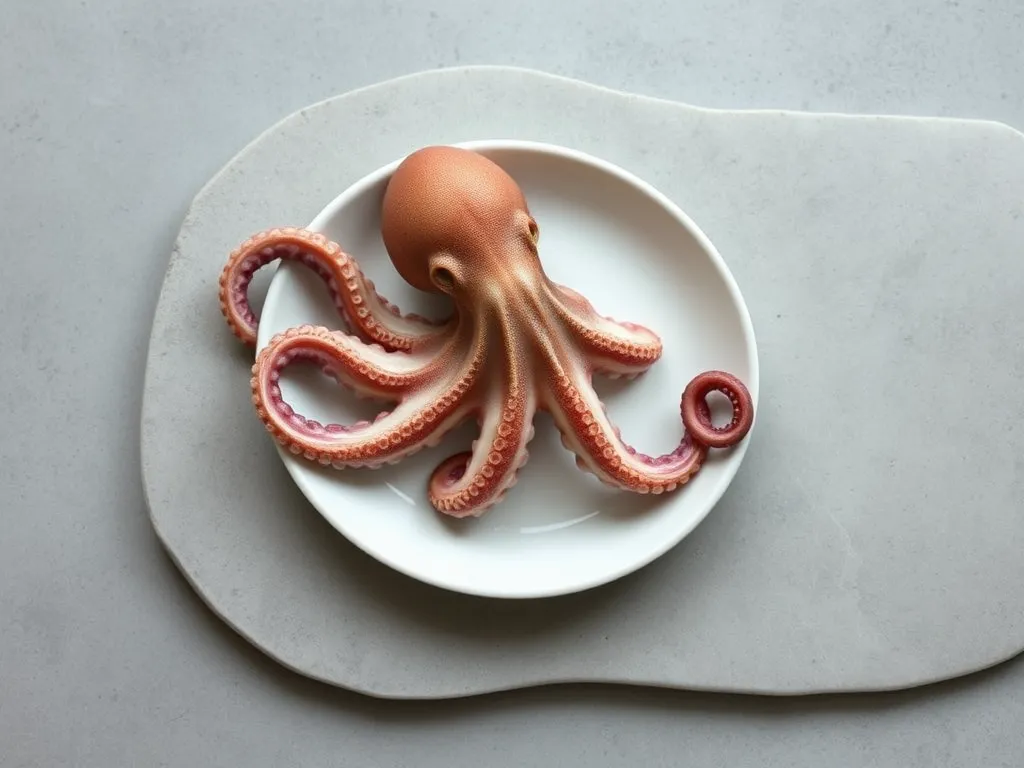
When stored properly, octopus remains safe to eat for several months in the freezer. However, seafood is highly sensitive to moisture loss and temperature fluctuations. To maintain the tender texture required for many recipes, freeze your octopus as soon as possible after purchase using airtight or vacuum-sealed packaging. While freezing stops bacterial growth, it does not prevent freezer burn or textural degradation. This guide outlines the timeline from peak freshness to the point where quality declines. Pay close attention to visual changes like chalky patches or discoloration, and always prioritize safety by discarding any octopus that exhibits a strong, unpleasant odor upon thawing.
Heads up: shelf-life ranges are estimates based on home storage. We make no guarantee of accuracy. When unsure, throw it out.
The full timeline
Day 1 (Peak Frozen)
day 1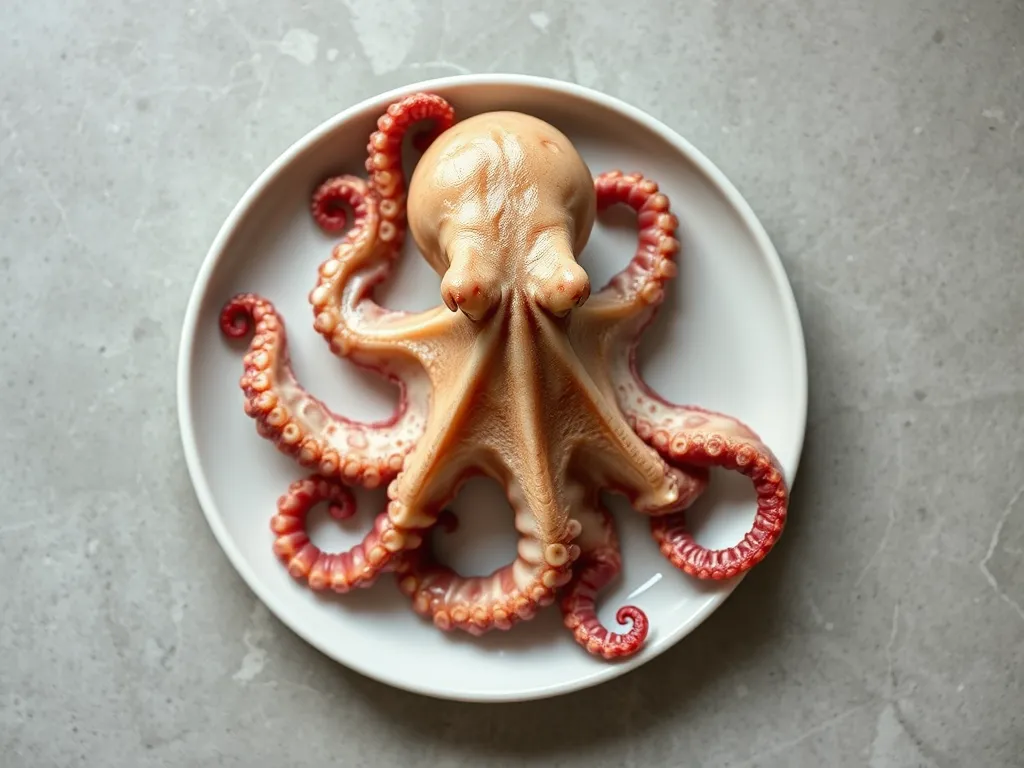
- Flesh appears firm, glossy, and moist
- Color is even and pale without dark spots
- No visible ice crystals on the surface
- Keep frozen
- Use immediately for planned meals
Month 3 (Good Quality)
3 months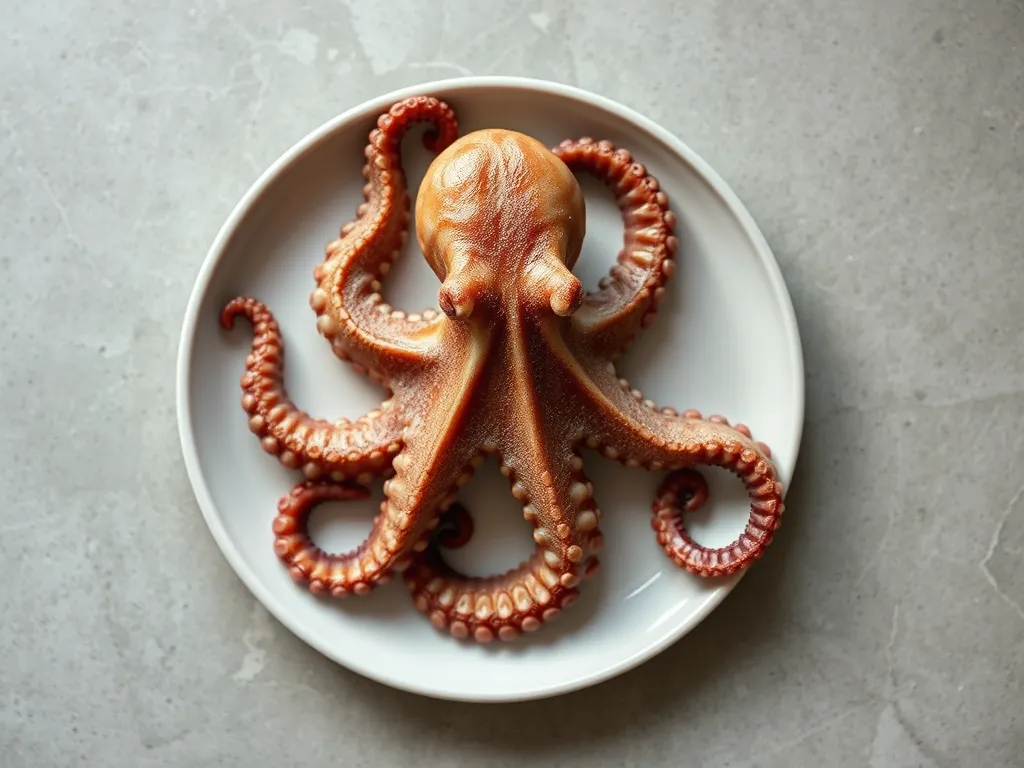
- Texture remains compact and firm
- Surface may show light frost buildup
- Color remains consistent with fresh state
- Cook soon for best results
- Continue frozen storage
Month 4–5 (Quality Slips)
4-5 months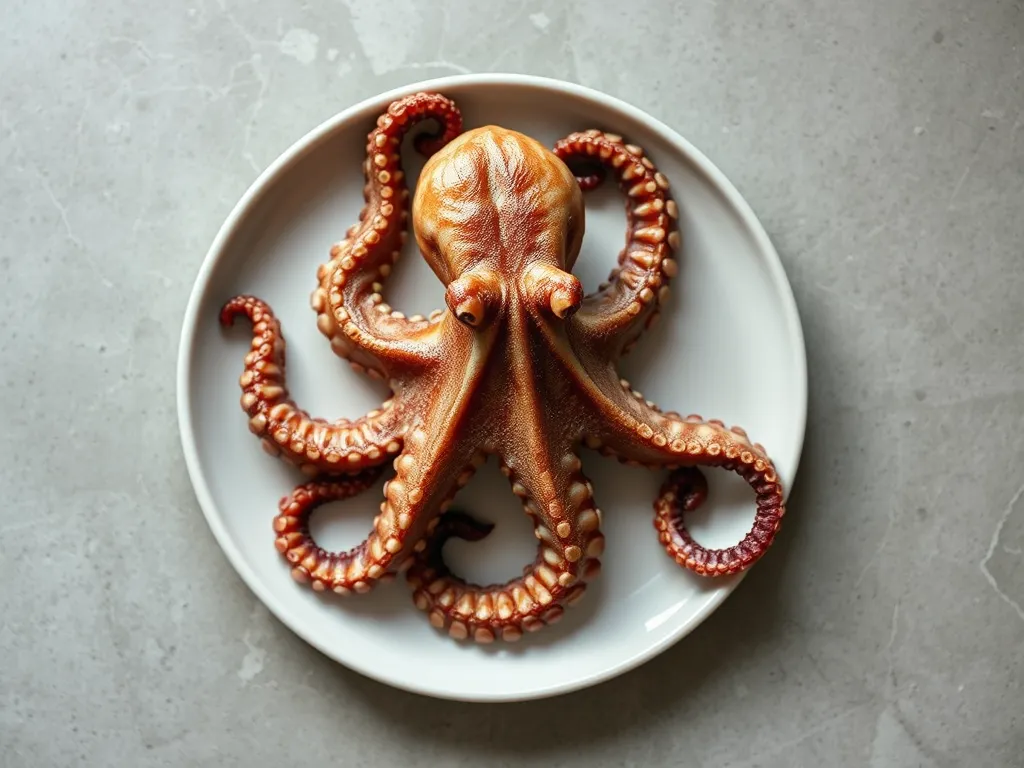
- Surface appears noticeably drier or shrunken
- Edges may look chalky or white
- Early signs of freezer burn appearing
- Cook promptly
- Trim away any dry or chalky spots
Month 6 (Toss If Off)
6 months
- Heavy dehydration and significant freezer burn
- Flesh shows gray, yellow, or dull discoloration
- Strong sour or sharp odor after thawing
- Discard immediately
- Toss to avoid spoilage
Common questions
How long can octopus be kept in the freezer?
Octopus is best used within 3–6 months of freezing. While it may remain safe beyond this window, the texture often becomes tough and rubbery due to freezer burn.
Is it safe to eat raw or undercooked octopus?
No, octopus should always be fully cooked before eating. Proper cooking is necessary to eliminate potential pathogens and ensure food safety.
Can you refreeze octopus after thawing?
You can only refreeze octopus if it was thawed safely in the refrigerator. However, repeated thawing and refreezing significantly degrades the texture and quality.
How do I know if my frozen octopus has freezer burn?
Freezer-burned octopus will look dry, faded, or have chalky white/gray patches. It may also feel leathery rather than firm.
What is the best way to store fresh octopus for long-term use?
For long-term storage, vacuum sealing is highly effective at preventing moisture loss. For short-term use (a few days), keep it in an airtight container in the refrigerator.

To enjoy high-quality octopus, aim to consume it within 3–6 months of freezing. Always check for off-odors or discoloration after thawing; if it smells sour, discard it.