
How to Tell If Nectarines Are Bad
How to check for freshness and spoilage
Nectarines last about 3–5 days at room temperature.
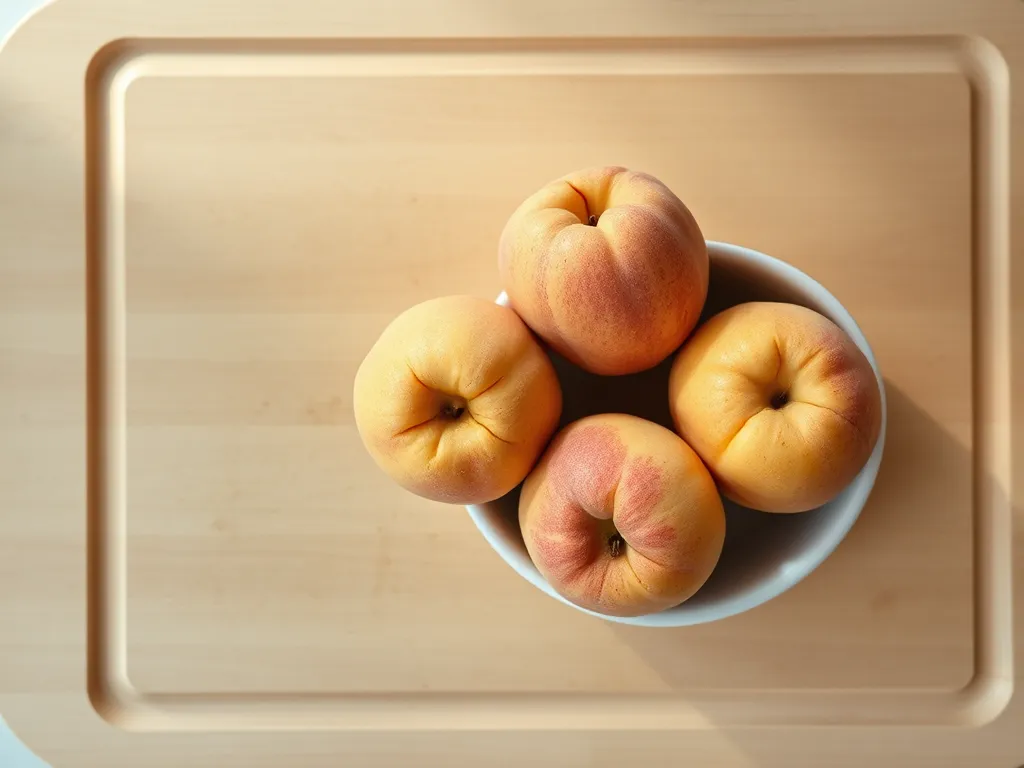
Determining if nectarines are still good depends on their scent, texture, and the condition of the skin near the stem. When kept at room temperature, nectarines typically transition from firm to a gentle yield over several days before quickly becoming overripe. A fresh nectarine should feature smooth skin, a bright color, and a pleasant, fruity aroma. You can test ripeness by applying light pressure to the shoulder; it should give slightly without feeling mushy or soft. Watch for red flags such as deep bruises, wrinkling, leaking juice, or fermented odors. If you notice mold, slimy patches, or collapsing spots, the fruit is no longer safe to eat. This guide focuses on nectarines kept on the counter, which is the standard method for ripening stone fruit before consumption.
Heads up: shelf-life ranges are estimates based on home storage. We make no guarantee of accuracy. When unsure, throw it out.
The full timeline
Day 1 (Peak Fresh)
1 day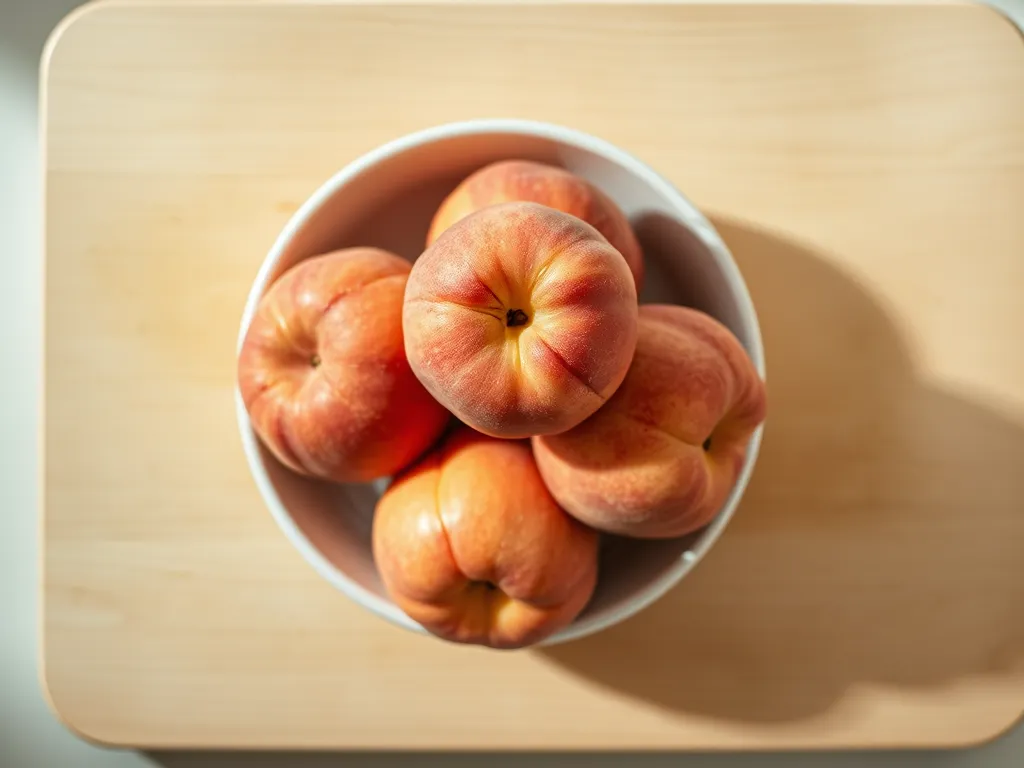
- Skin is smooth, taut, and bright
- Fruit feels firm with a slight give
- No visible wrinkles or soft spots
- No leaking juice or bruising
- Eat immediately
- Allow to ripen further
Day 2–3 (Ripening Sweet Spot)
2–3 days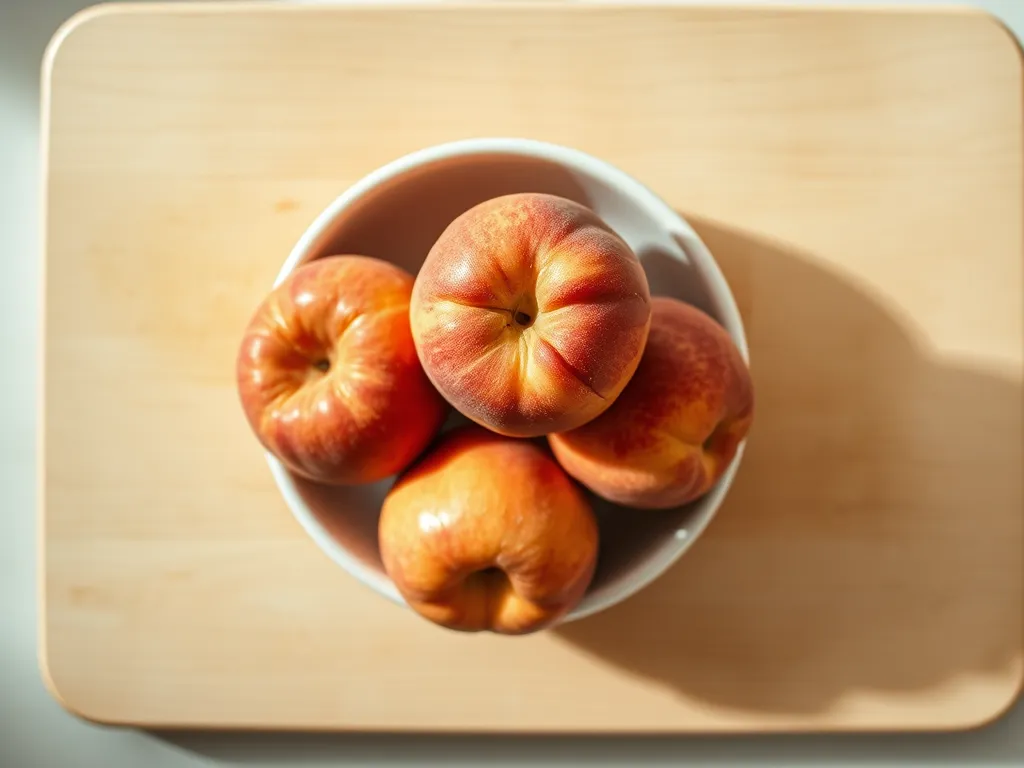
- Slight give near the stem end
- Stronger, fruity aroma
- Deepening color
- No wrinkling or wet patches
- Eat soon
- Move to refrigerator
Day 4 (Overripe Turn)
4 days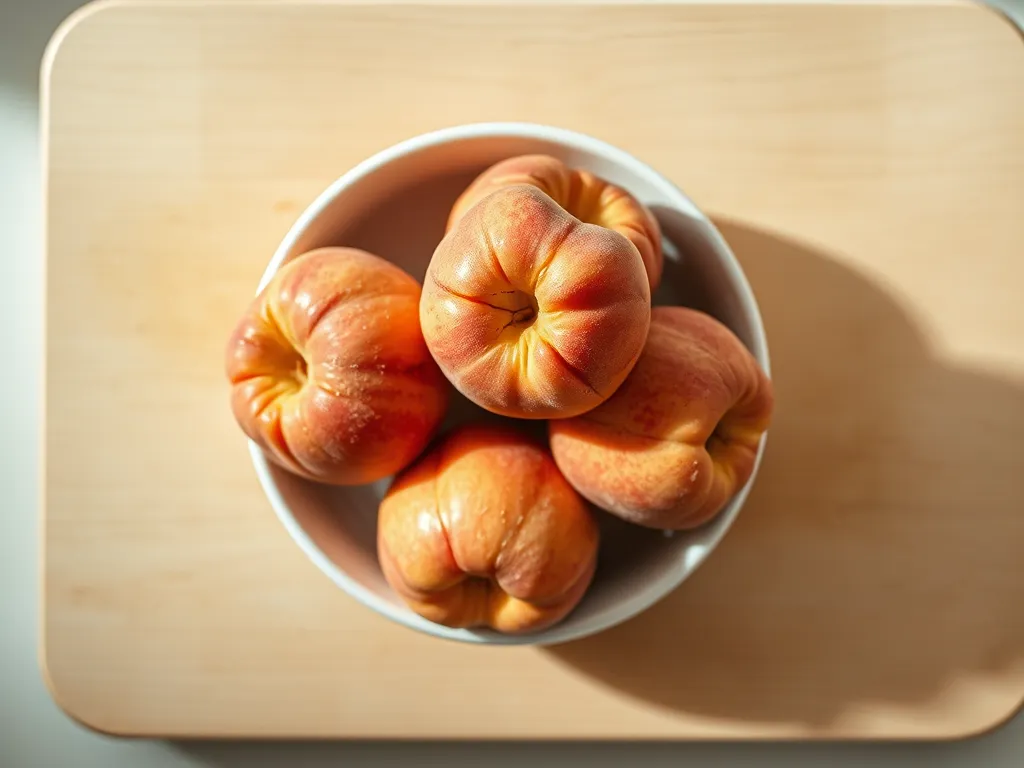
- Light wrinkling of the skin
- Appearance of soft spots
- Juice seeping from bruises
- Sweet or fermented scent
- Use in cooking or baking
- Discard if slimy
Day 5 (Spoiled Signals)
5 days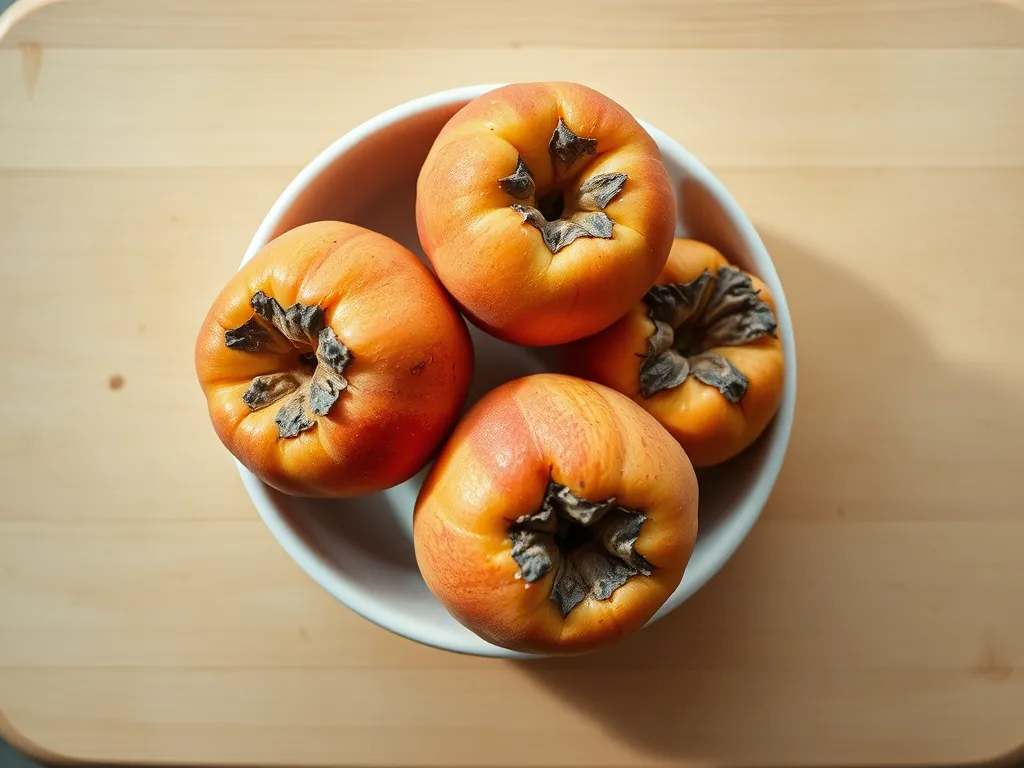
- Visible mold spots on the skin
- Surface feels wet or sticky
- Flesh collapses when pressed
- Sour or fermented odor
- Discard
- Toss out
Common questions
How long do nectarines last at room temperature?
Nectarines typically stay fresh on your counter for 3–5 days. After this period, they will soften significantly and may lose their texture.
Should I refrigerate my nectarines?
Yes, once nectarines reach your preferred ripeness, move them to the refrigerator. Chilling slows the ripening process and extends their usable life.
How can I tell if a nectarine is overripe?
Look for wrinkling skin, significant mushiness, leaking juice from bruises, or a fermented smell. While some softness is normal, heavy mushiness indicates spoilage.
Are bruised nectarines safe to eat?
A small bruise can be trimmed away if the rest of the fruit remains firm and smells fresh. If the bruised area is wet, spreading, or shows mold, discard the entire fruit.
Can I freeze nectarines for later use?
You can freeze them, but the texture will change significantly upon thawing. Frozen nectarines are best suited for smoothies, sauces, or desserts rather than fresh eating.

Sage’s Final Word: Smooth skin, a fruity scent, and a gentle give are signs of quality. Mold, slime, and sour odors are clear indicators to discard.