
Can You Still Eat Nachos?
Freezer Storage & Spoilage Guide
Nachos last about 1–2 months in the freezer.
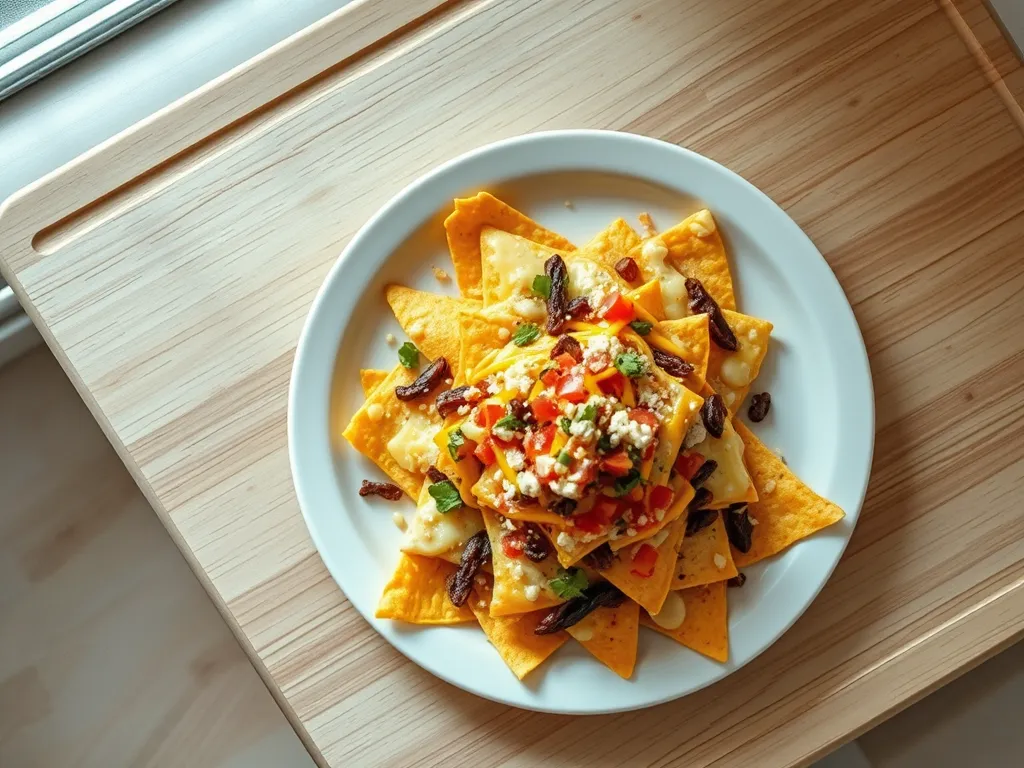
Nachos are a complex leftover because they combine dry, crunchy elements with moist toppings and fats. When stored in the freezer, the primary concern is not food safety, but the rapid degradation of texture. Moisture from toppings can migrate into the chips, causing them to become soggy, while freezing can cause cheese to become rubbery or oily upon thawing. This guide outlines how long nachos remain palatable in the freezer and provides specific visual cues to help you distinguish between a minor loss of crunch and actual spoilage. If your nachos were topped with highly perishable items like meat or sour cream before freezing, ensure they were cooled quickly to maintain safety standards.
Heads up: shelf-life ranges are estimates based on home storage. We make no guarantee of accuracy. When unsure, throw it out.
The full timeline
Day 1 (Peak Crunch)
freshly made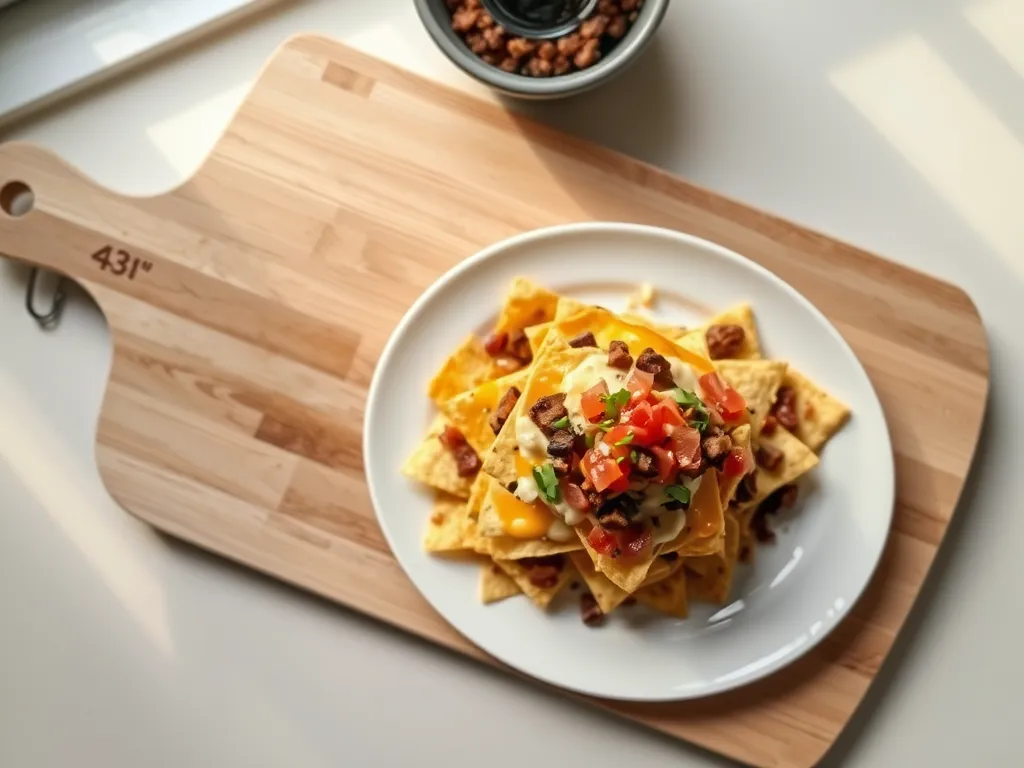
- Tortilla chips remain crisp at the edges
- Cheese is melted and glossy without excessive oil separation
- Toppings appear bright, distinct, and fresh
- Eat immediately
- Freeze promptly for later use
Day 2–3 (Softening Zone)
2–3 days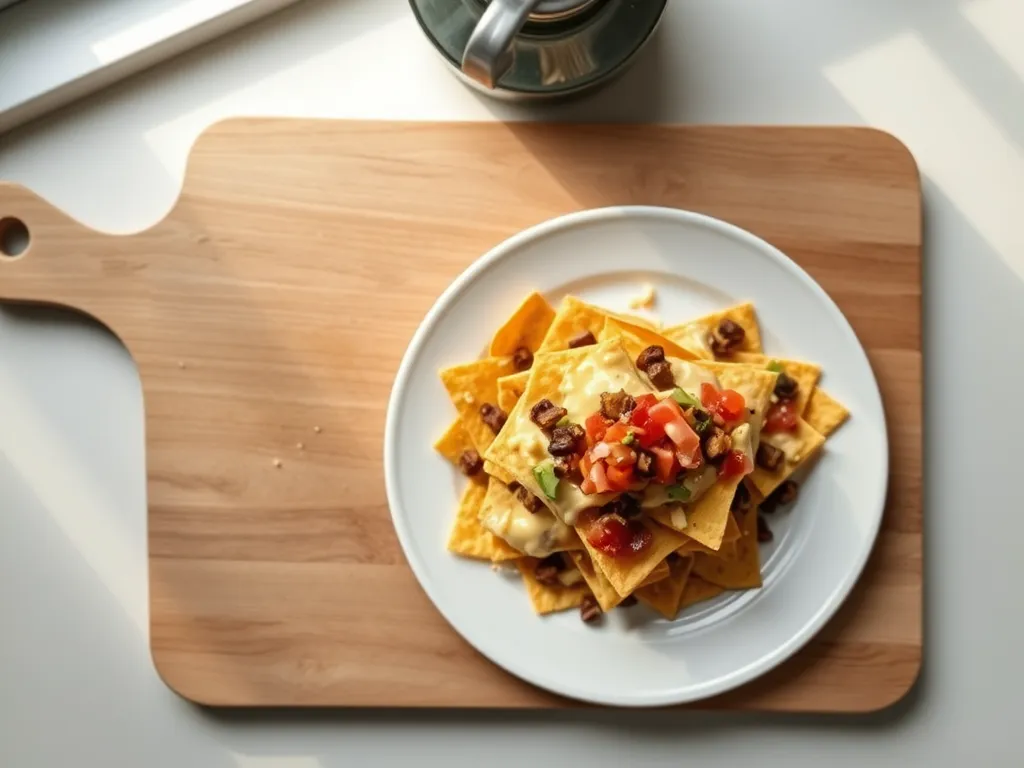
- Chips have lost their snap and feel slightly bent
- Cheese has firmed up or lost its sheen
- Toppings show slight signs of wilting
- Reheat and consume
- Freeze if not eating within 3 days
Day 4–7 (Quality Dip)
4–7 days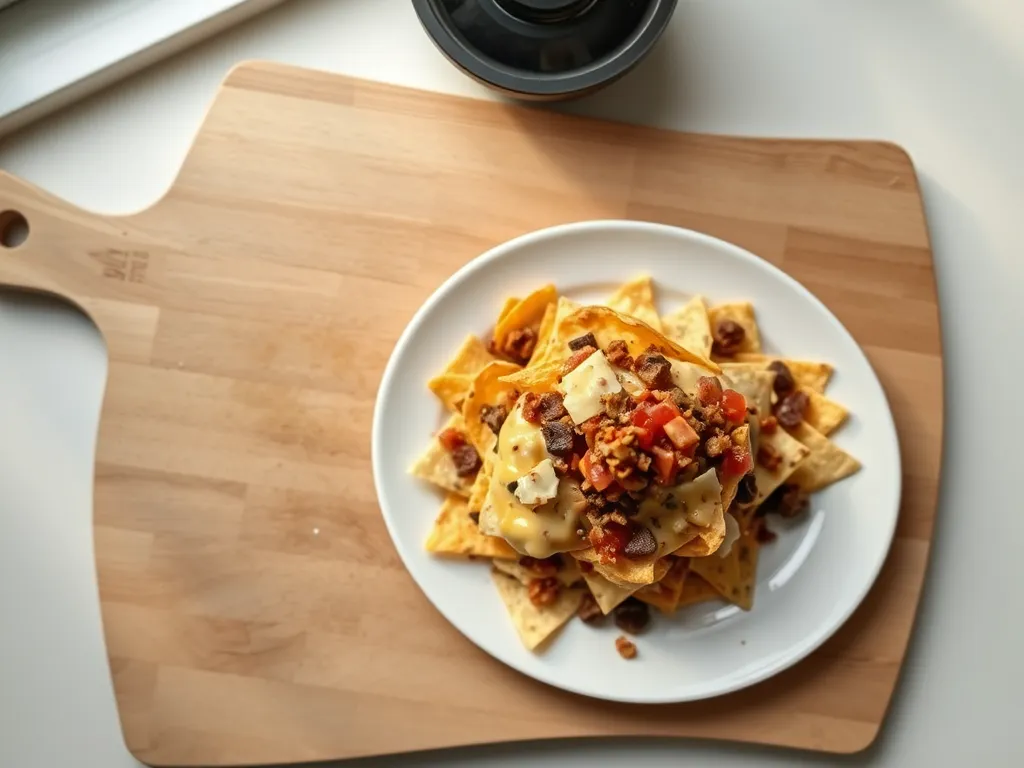
- Chips feel soggy or have collapsed under the weight of toppings
- Cheese looks dry, clumpy, or overly oily
- Moist ingredients look dull or watery
- Toss if texture is unappealing
- Eat only if smell and appearance are normal
Week 2 (Freezer Fade)
1–2 weeks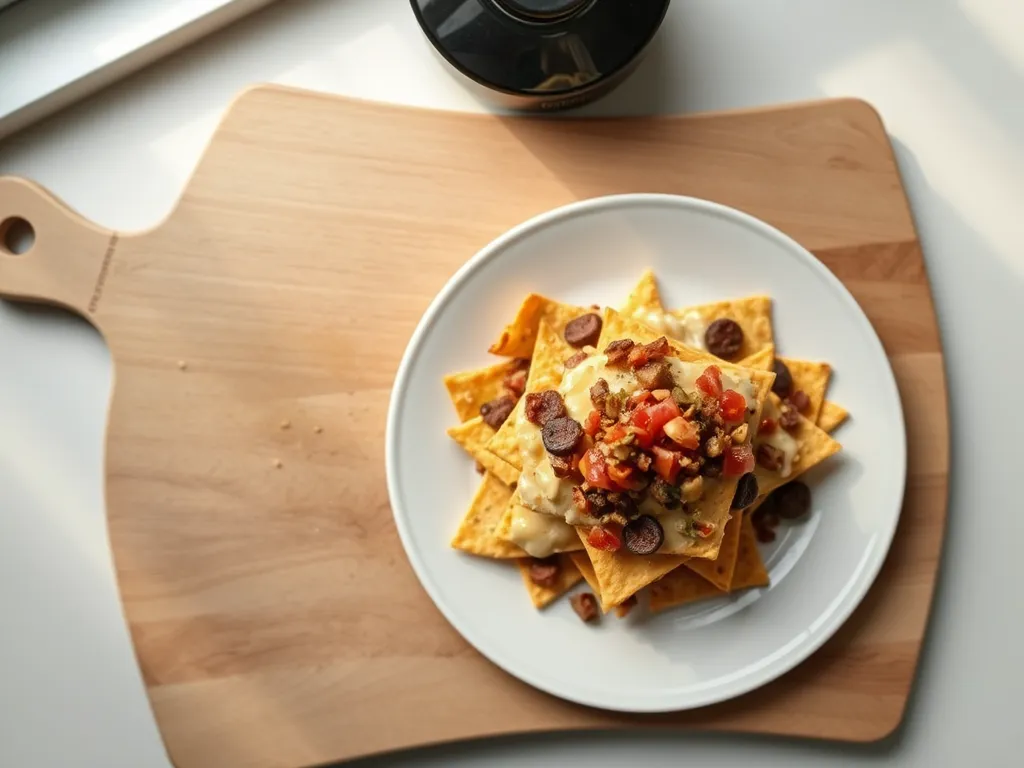
- Visible frost or ice crystals on the surface
- Cheese appears tough, hard, or dull
- Vegetable toppings look shriveled or dehydrated
- Use immediately
- Keep frozen for short-term use
Month 2 (Toss Time)
2 months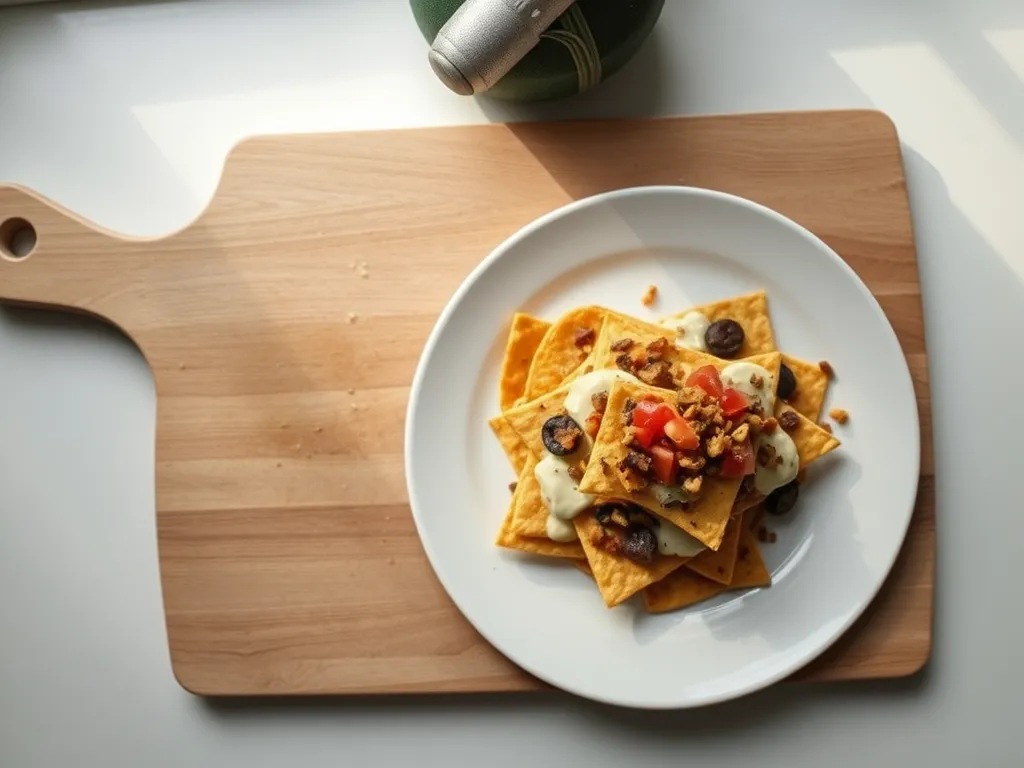
- Heavy freezer burn or large ice crystals present
- Colors appear faded, patchy, or unappetizing
- Texture is hard, dry, and lacks moisture
- Discard
- Toss out
Common questions
Can nachos be frozen to preserve them?
Yes, you can freeze nachos for 1–2 months. For the best results, wrap them tightly in airtight packaging immediately after they cool to prevent freezer burn.
How should I store leftover nachos to keep them fresh?
Store leftovers in an airtight container in the refrigerator for short-term use. If you cannot eat them within a few days, move them to the freezer.
What is the best way to reheat frozen nachos?
Avoid the microwave if you want to maintain crunch. Use an oven or air fryer to help crisp the chips and melt the cheese effectively.
Are soggy nachos unsafe to eat?
Sogginess is usually a texture issue rather than a safety risk. However, if you notice sour smells, mold, or slime, discard them immediately.

Judge your nachos by their smell and appearance first. If they have been kept frozen and look normal, they are good for up to 2 months; if they show signs of spoilage or heavy freezer burn, toss them.