
Can You Still Eat Mangoes?
How to tell if your mangoes are ripe, ready, or spoiled
Mangoes last 3–7 days at room temperature.
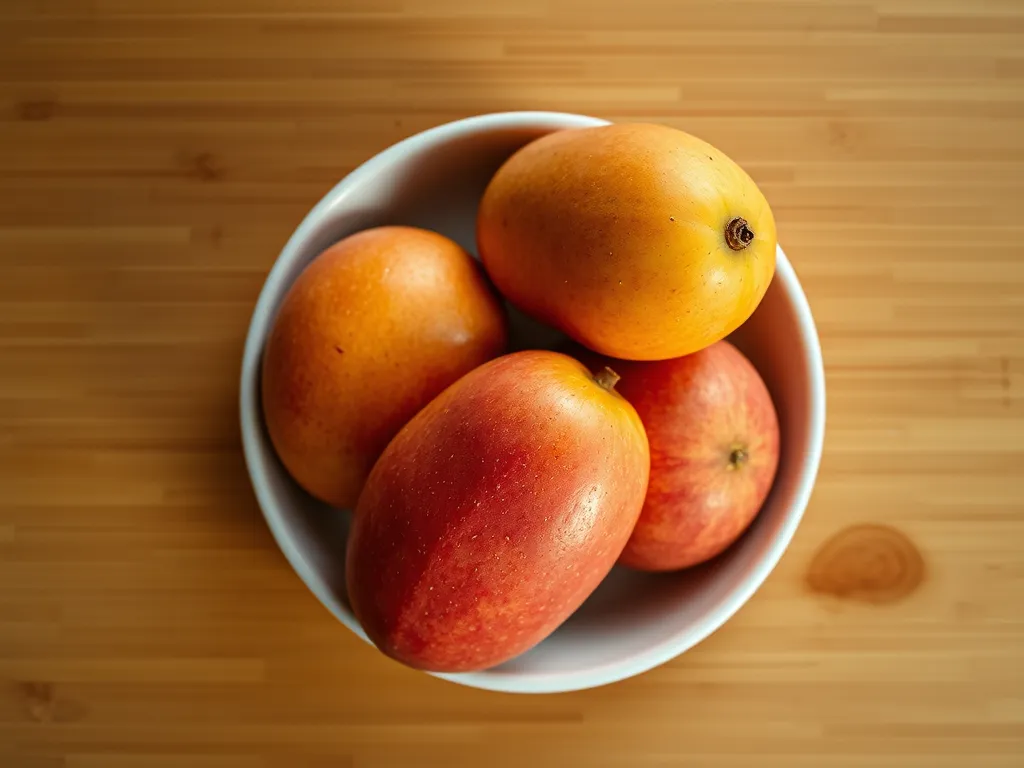
Mangoes can transition from rock-hard to overripe very quickly, making timing essential for the best flavor. When stored at pantry temperatures, they typically stay fresh for a short window before the skin wrinkles or the flesh becomes overly soft. This guide provides practical cues to help you identify peak ripeness, determine if an overripe mango is still safe to consume, and recognize the clear signs of spoilage. While minor blemishes are common in produce, keep a close watch for mold, leaking juice, or a fermented scent, as these indicate the fruit has gone bad. Understanding these stages helps you maximize your fruit's shelf life while ensuring food safety.
Heads up: shelf-life ranges are estimates based on home storage. We make no guarantee of accuracy. When unsure, throw it out.
The full timeline
Day 1 (Peak Ripe)
1 day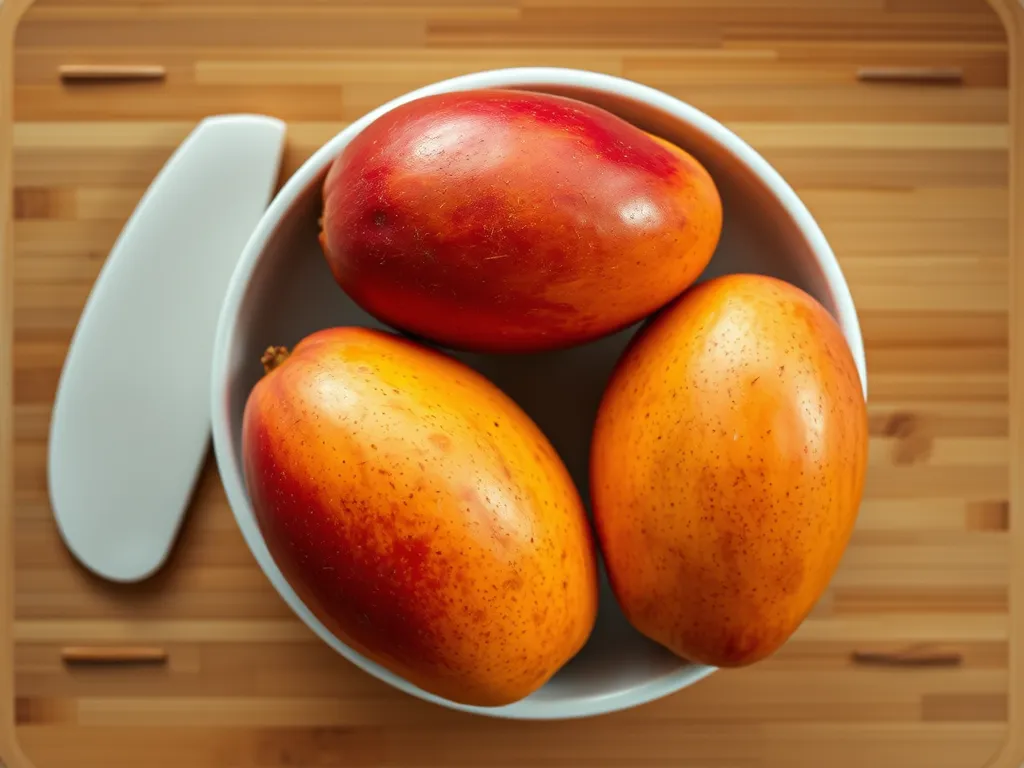
- Skin appears glossy with vibrant, rich color
- Flesh yields slightly to gentle pressure at the stem end
- No signs of wrinkling, leaking juice, or dark wet spots
- Eat immediately
- Store in a cool spot if not ready
Day 3 (Softening)
3 days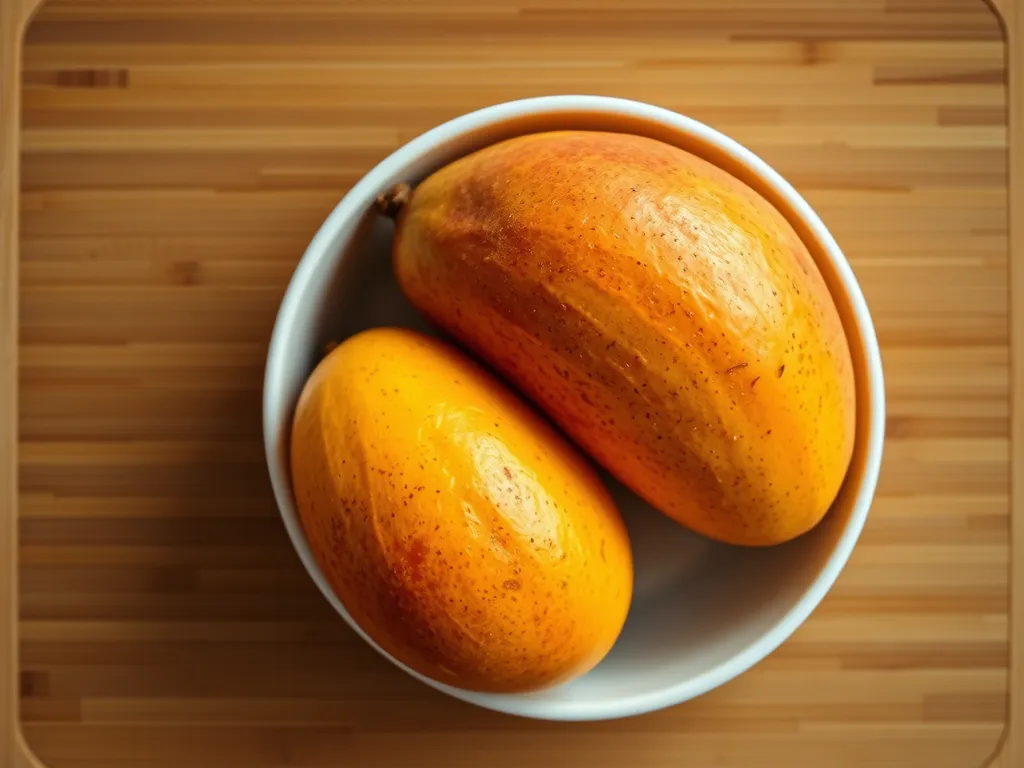
- Skin loses its gloss and looks slightly dull
- Fruit feels noticeably softer when squeezed
- Small freckles or light skin wrinkling may appear
- Eat today for maximum sweetness
- Move to the refrigerator to slow softening
Day 5 (Past Prime)
5 days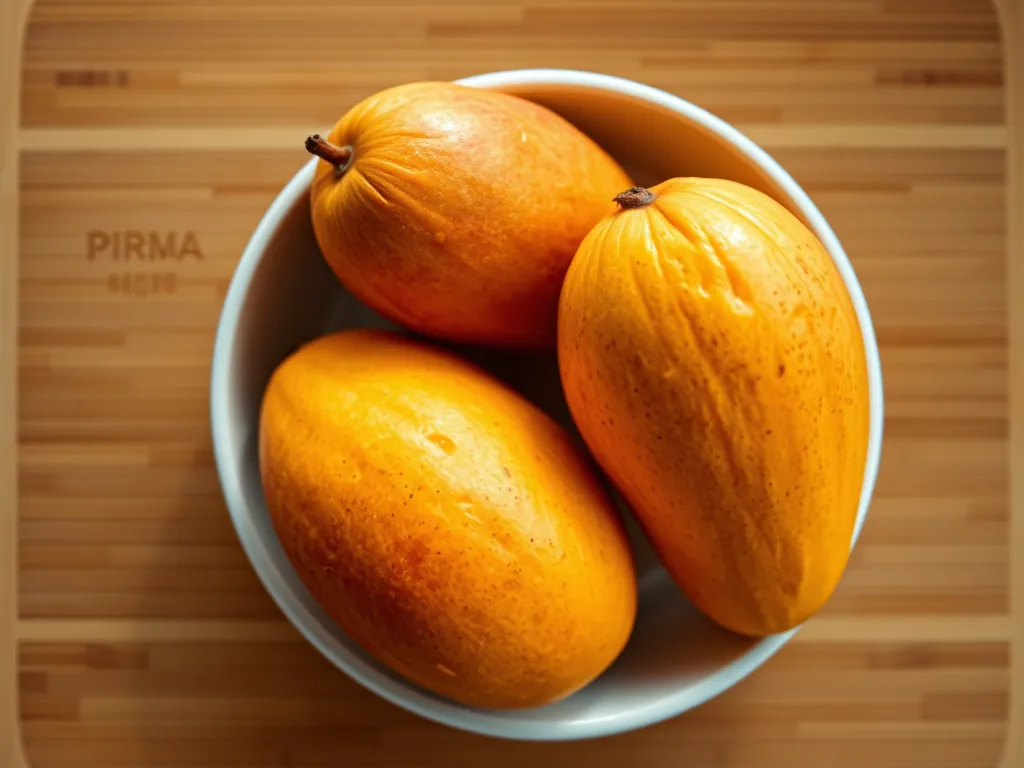
- Visible wrinkling on the skin surface
- Flesh feels very soft, mushy, or slightly stringy
- A strong, overly ripe aroma is present
- Blend into smoothies or sauces
- Slice away any bruised areas
- Discard if a sour odor is detected
Day 7 (Spoiled Signs)
7 days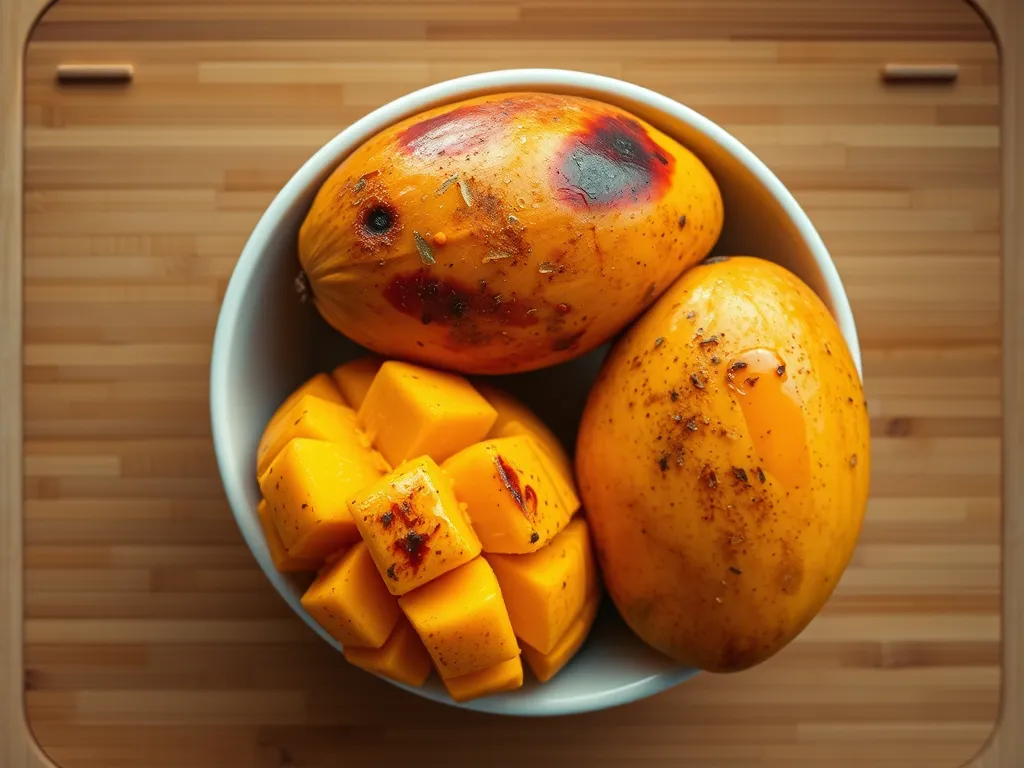
- Visible mold or fuzzy growth on the skin or flesh
- Juice is leaking from the fruit or it appears collapsed
- Smell is distinctly sour, boozy, or fermented
- Discard immediately
- Toss in the compost
Common questions
How long do mangoes last at room temperature?
Mangoes typically stay fresh for 3–7 days when kept on the counter. Their lifespan depends heavily on their initial ripeness level.
Should I refrigerate my mangoes?
Keep unripe mangoes at room temperature until they soften slightly at the stem. Once they reach your preferred ripeness, move them to the fridge to extend their life.
Can I eat a mango that is slightly wrinkled?
Yes, light wrinkling usually means the fruit is overripe rather than spoiled. If it smells sweet and has no mold or leaks, it is safe to eat.
How do I know if a mango has gone bad?
A spoiled mango will have a sour, alcoholic, or fermented smell. Look for visible mold, slimy texture, or leaking juice as signs to discard the fruit.

Mangoes ripen and decline quickly. Monitor their scent and firmness closely; if you see mold or smell fermentation, it is time to toss them.