
Can You Still Eat Lobster Tail After It Sits Out?
Safety and Spoilage Guide
Lobster tail lasts 2 hours at room temperature; after this window, it should be discarded.
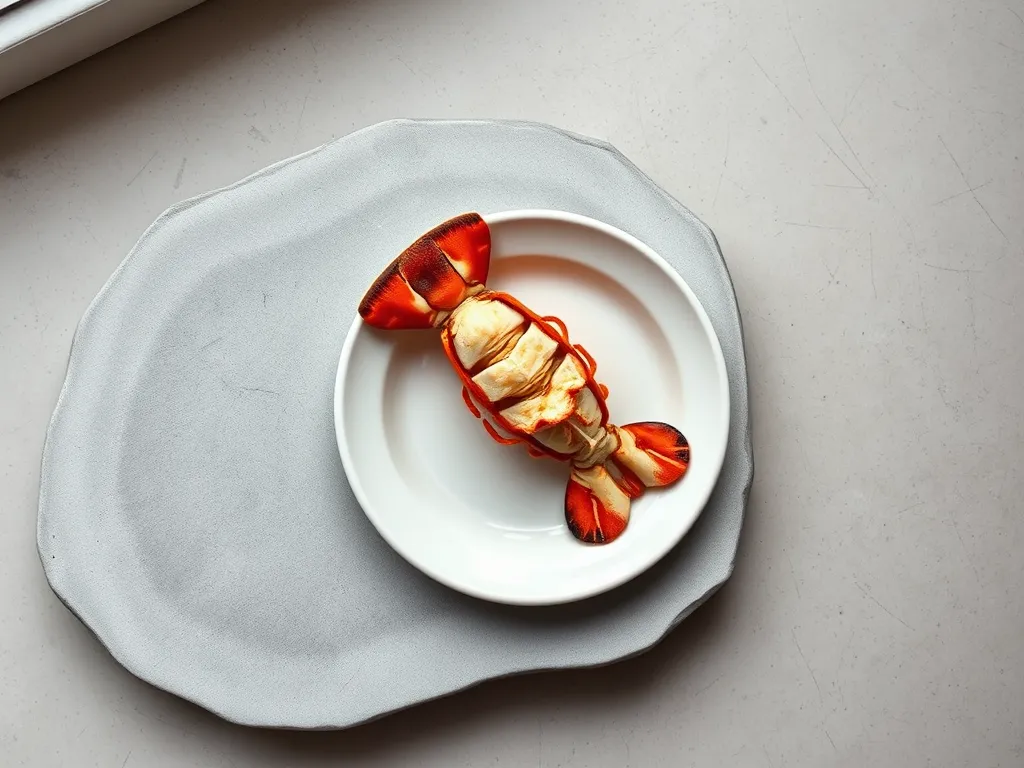
Lobster tail is a highly perishable seafood that requires strict temperature control to remain safe for consumption. Because it is a high-risk protein, time spent sitting at room temperature is the most critical factor in determining its safety. Once lobster tail has been left out beyond the two-hour mark, the risk of bacterial growth increases significantly. This guide focuses on identifying visible spoilage cues and texture changes that indicate when the meat is no longer safe to eat. Because seafood safety is non-negotiable, these indicators are meant to help you decide when to discard the product rather than how to salvage it. Always prioritize keeping lobster tail chilled until the moment of preparation.
Heads up: shelf-life ranges are estimates based on home storage. We make no guarantee of accuracy. When unsure, throw it out.
The full timeline
Day 1 (Peak Fresh)
0–2 hours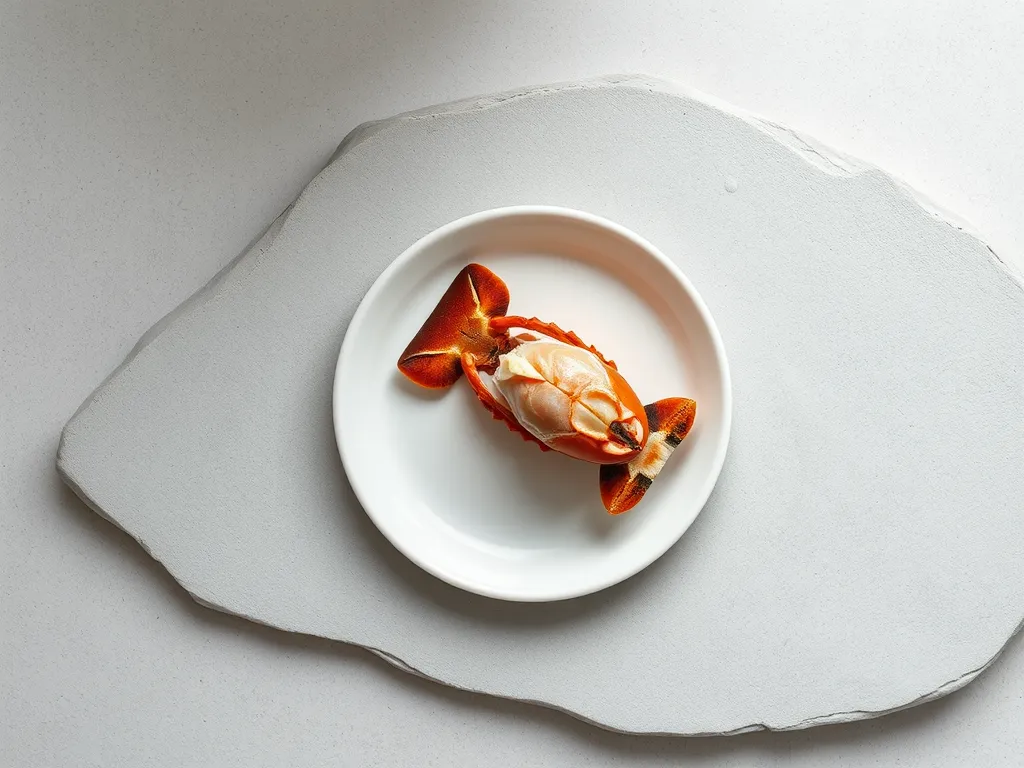
- Meat appears pearly, translucent, and moist
- Shell is bright and free of dull patches
- Surface feels clean rather than tacky or slippery
- Serve immediately
- Keep refrigerated
- Cook right away
Day 1 (Still Okay)
2 hours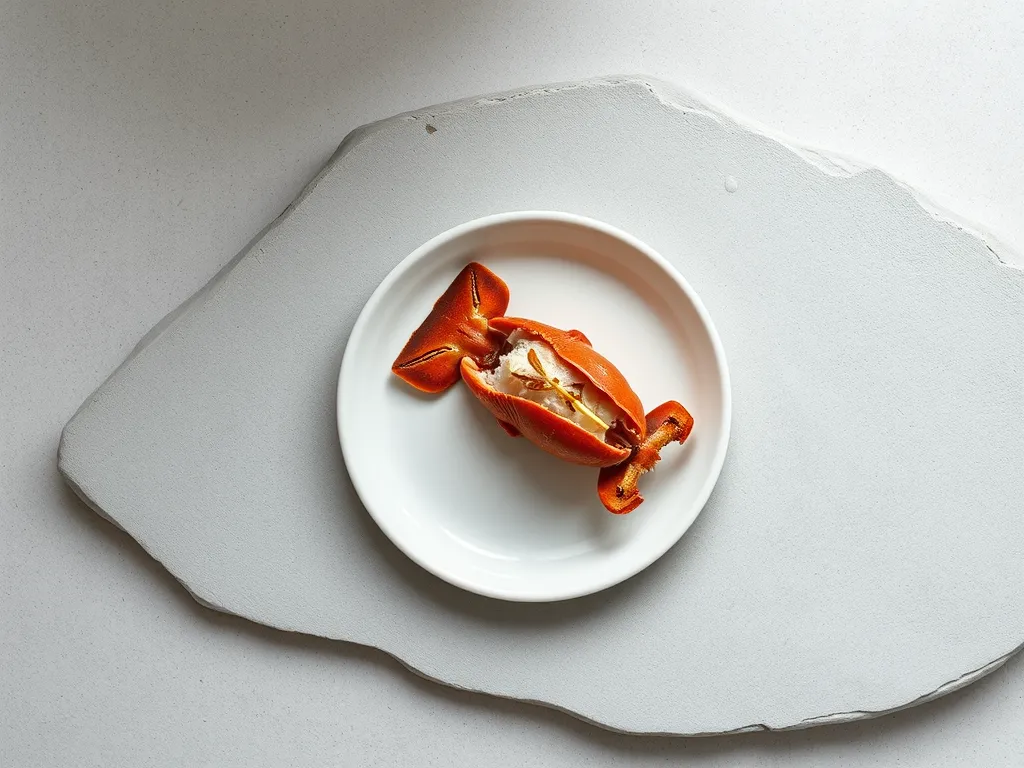
- Meat loses its natural glossiness
- Edges of the meat appear slightly dry
- Any hint of a sour or overly fishy odor
- Discard
- Do not serve
Day 1 (Off-Cue Stage)
2–4 hours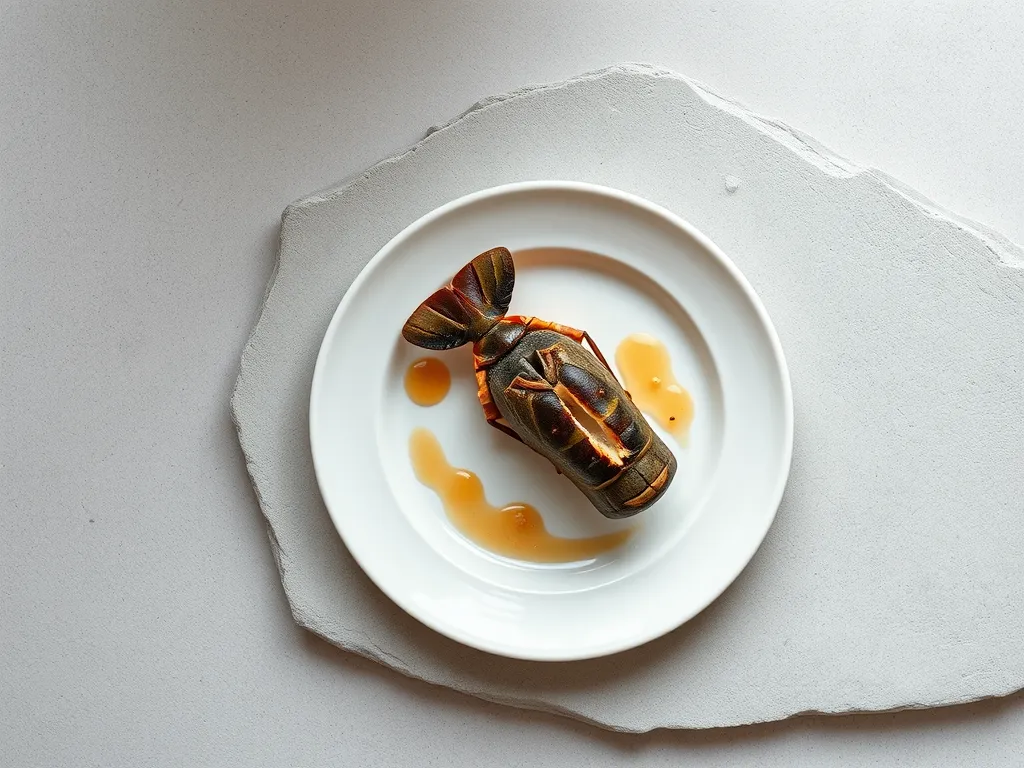
- Surface feels sticky or tacky to the touch
- Color shifts from pearly to a dull gray
- Liquid begins to pool around the meat
- Discard immediately
- Do not taste
- Do not reheat
Day 1 (Spoilage Signs)
4–6 hours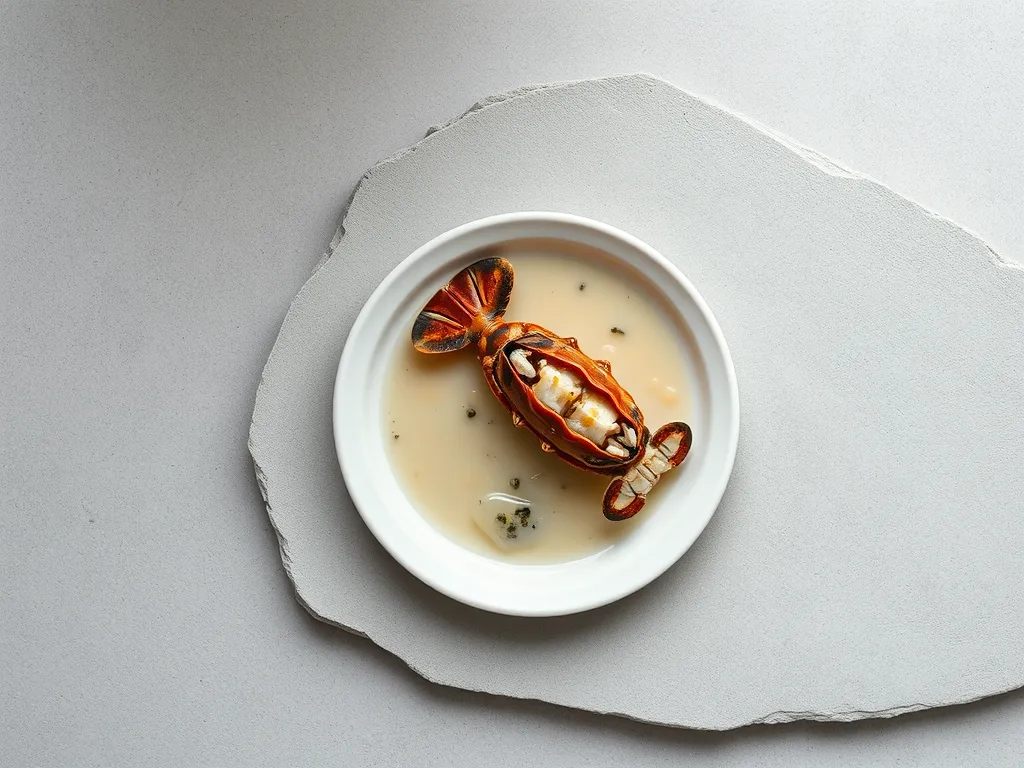
- Discoloration becomes widespread across the meat
- Texture feels soft, mushy, or excessively wet
- Strong ammonia-like or sour smells emerge
- Toss in trash
- Do not eat
Day 1 (Toss Zone)
6+ hours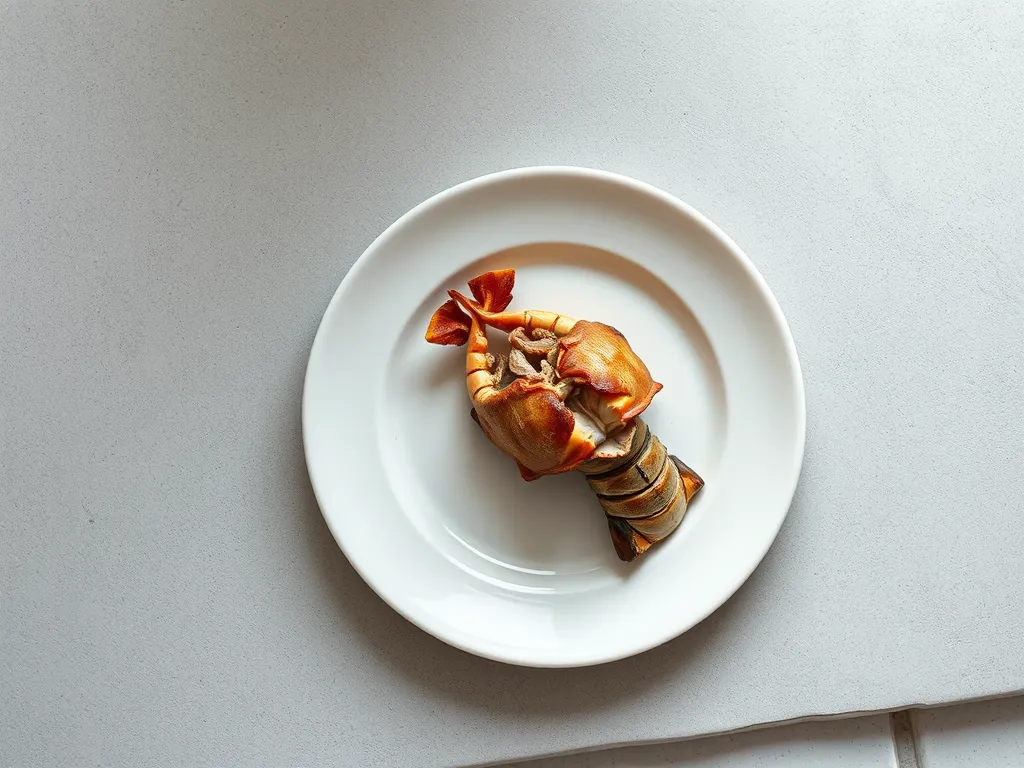
- Possible mold-like spots on the shell or meat
- Meat appears shriveled, slimy, or limp
- Odor is sharp, pungent, or rotten
- Discard
- Do not consume
Common questions
Can I eat lobster tail that has been left out overnight?
No. Lobster tail left at room temperature overnight is unsafe and should be discarded immediately.
Does cooking spoiled lobster tail make it safe to eat?
No. Reheating does not destroy the heat-stable toxins produced by bacteria in spoiled seafood.
How can I tell if my lobster tail has gone bad?
Look for a dull color, a sticky or slimy texture, and any sour or ammonia-like odors. If you notice these, discard the meat.
What is the best way to store lobster tail?
Keep lobster tail refrigerated or on ice until it is ready to be cooked or served to prevent bacterial growth.

Lobster tail is a high-risk seafood; once it has sat out for more than 2 hours, the safest action is to discard it.