
How Long Does Lactose Free Milk Last in the Freezer?
Freezer Storage and Quality Guide
Lactose free milk lasts about 2–3 months in the freezer.
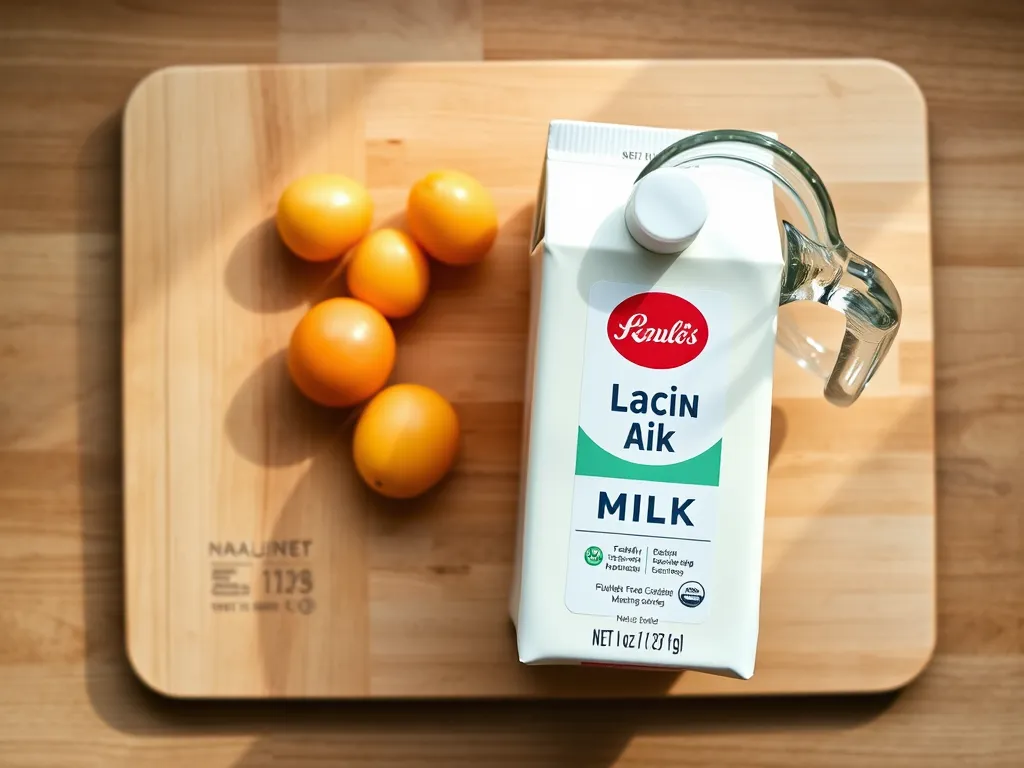
Lactose free milk freezes well for short-term storage, but thawing can change the texture because the water and fat may separate. For best results, freeze it before the expiration date on the carton, leave room for expansion to prevent leaks, and thaw it in the refrigerator rather than on the counter. A vigorous shake or whisk usually helps recombine the ingredients. This guide covers what fresh, frozen, and thawed lactose free milk should look like, plus the signs that mean it is past its best. Since milk is a dairy product, checking the smell and appearance after thawing is essential—especially if the carton was already opened prior to freezing.
Heads up: shelf-life ranges are estimates based on home storage. We make no guarantee of accuracy. When unsure, throw it out.
The full timeline
Day 1 (Peak Fresh)
0 days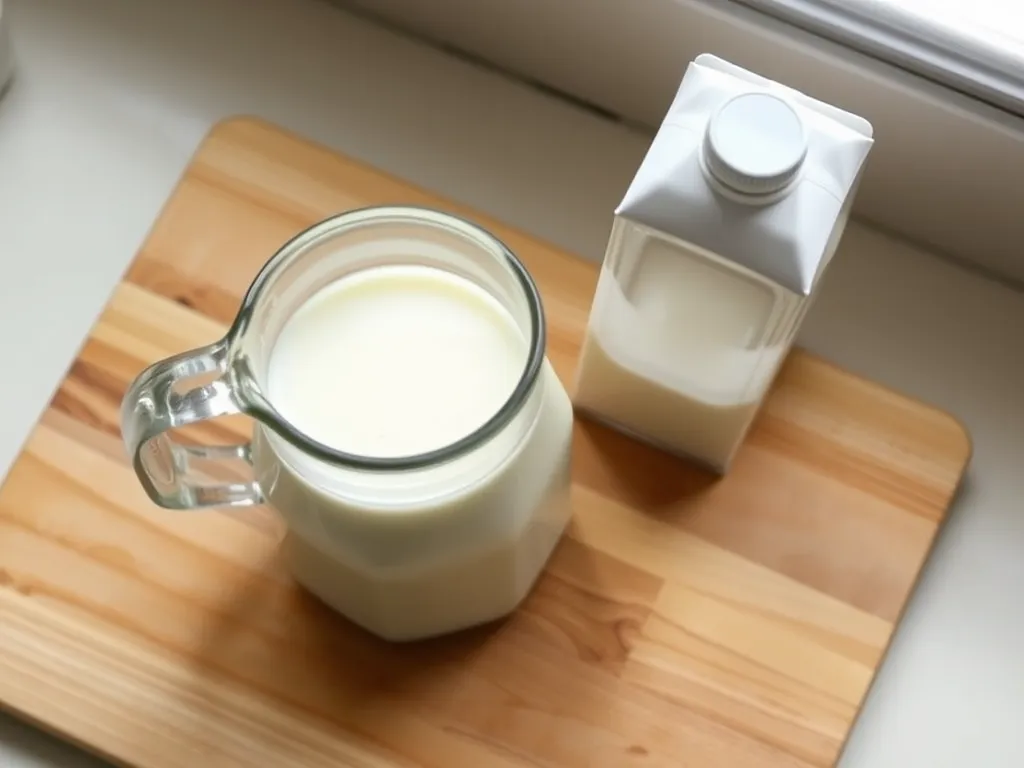
- Smooth, opaque white color
- No signs of curdling or separation
- Clean, even surface texture
- Fresh, clean dairy scent
- Freeze immediately for long-term use
- Keep chilled in the refrigerator
Week 4 (Still Good)
1 month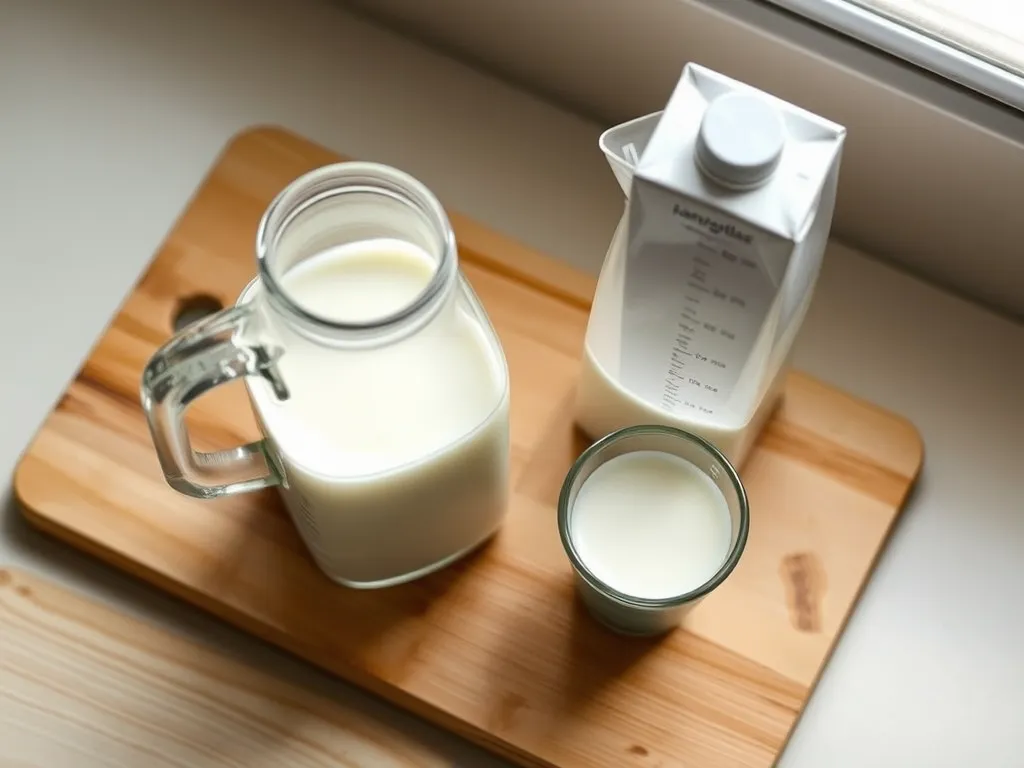
- Quality remains high
- Flavor may taste slightly flatter
- No sour odor detected
- Container remains tightly sealed
- Continue keeping it frozen
- Plan to use within the next week
Month 2 (Texture Shift)
2 months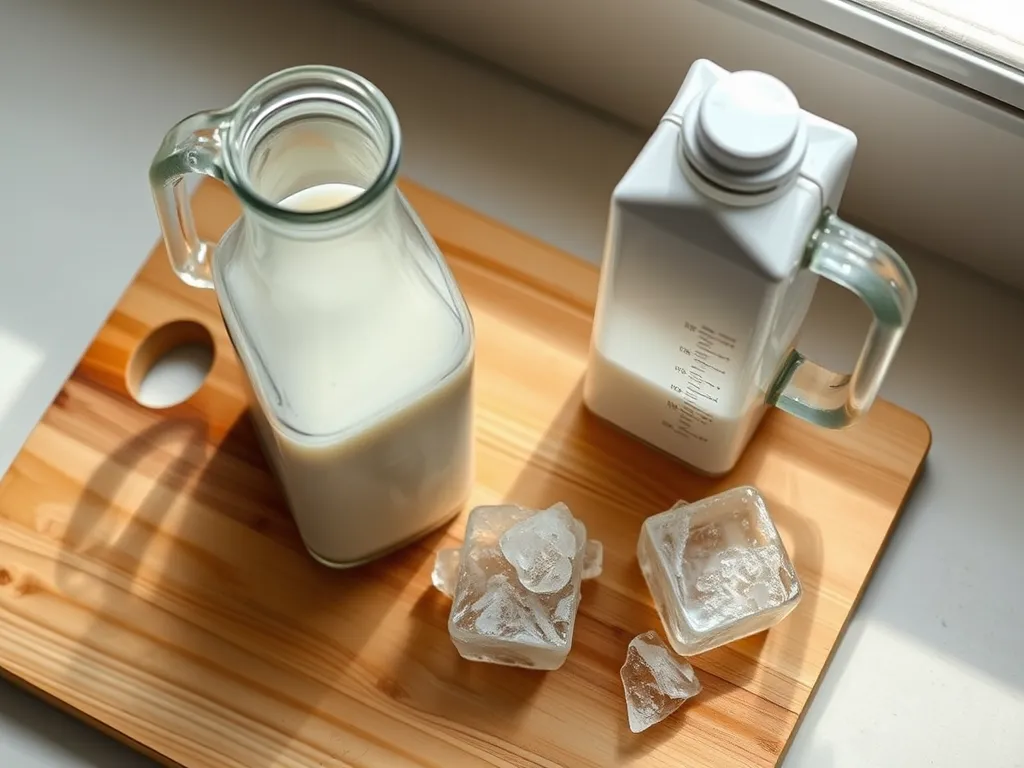
- Increased separation after thawing
- Grainy or watery consistency
- Dull flavor profile
- Requires vigorous shaking to mix
- Use after thorough shaking
- Do not freeze for longer than this
Month 3 (Use Or Move On)
2–3 months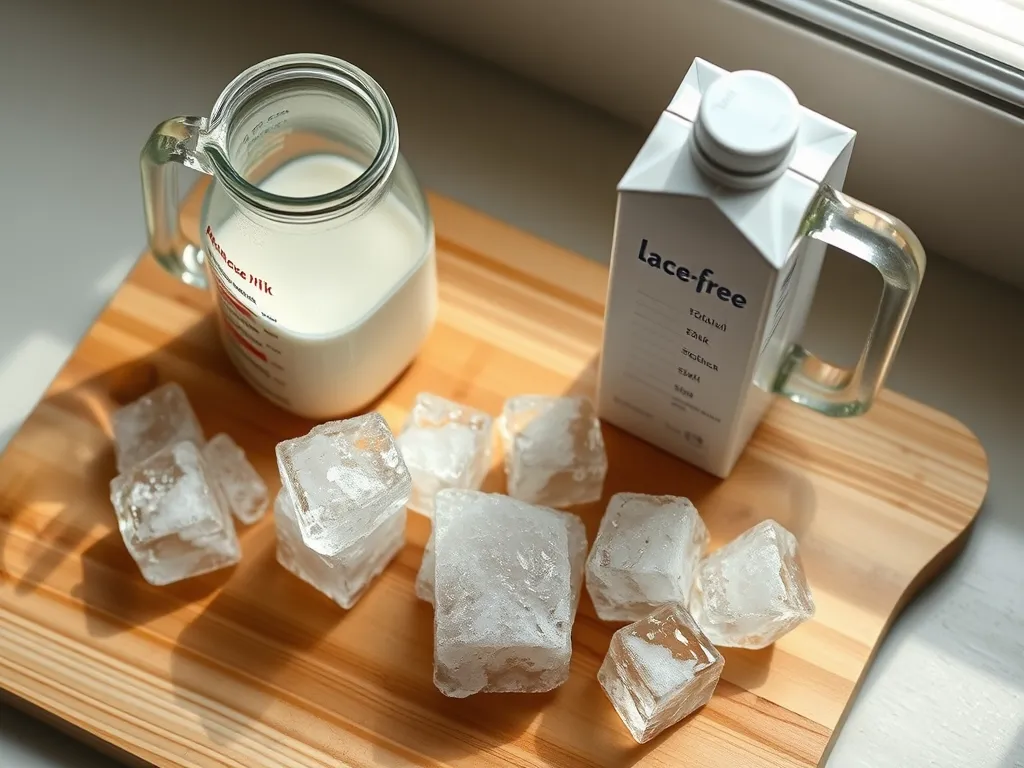
- Fading flavor quality
- Obvious separation of fats
- Thin or watery body when thawed
- Best used in cooking if scent is normal
- Use for baking or cooking
- Discard if any sourness is detected
Month 4 (Discard)
4 months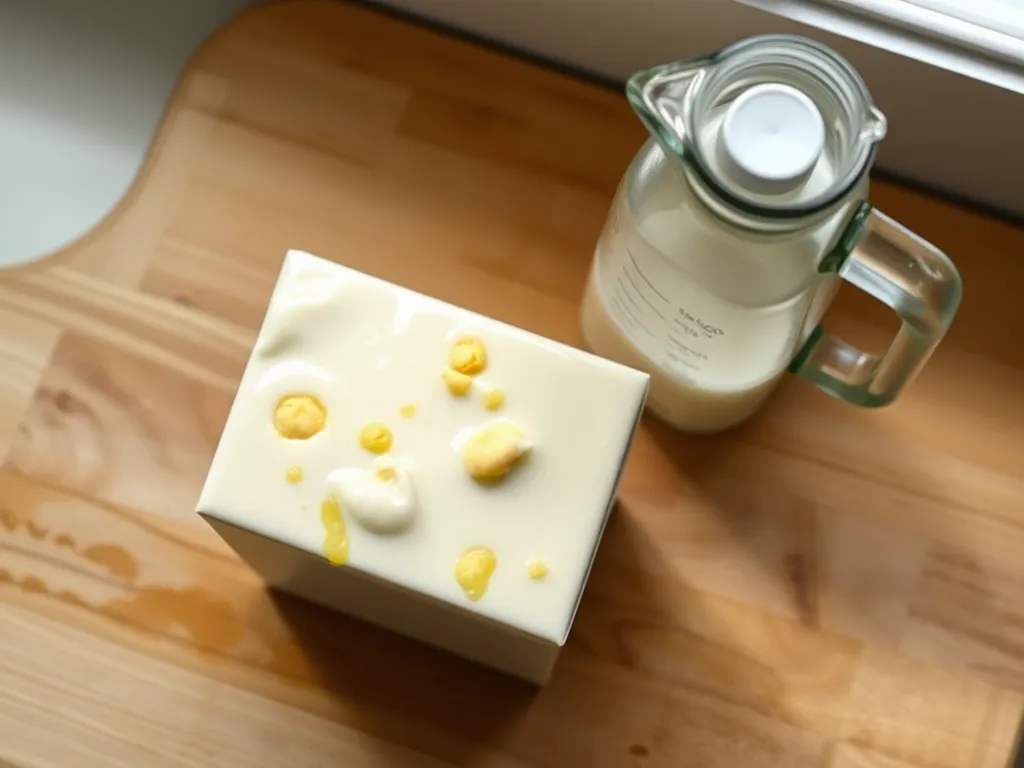
- Sour or stale odor
- Visible clumps or curd-like particles
- Yellowing or gray tint
- Off taste after thawing
- Toss immediately
- Discard to avoid spoilage
Common questions
How should lactose free milk be stored to keep it fresh?
Lactose free milk should be kept in the refrigerator after opening. For long-term storage, it can be frozen for 2–3 months.
Can I freeze lactose free milk and still use it later?
Yes, you can freeze lactose free milk for up to 2–3 months. While freezing may cause some separation of fats and water, it remains safe and usable if handled correctly.
How should I thaw frozen lactose free milk?
Thaw the milk in the refrigerator to maintain its texture and minimize separation. Once thawed, shake or whisk it well before pouring.
Why does my thawed lactose free milk look grainy?
Freezing can break the emulsion of the milk, causing fat and water to separate slightly. This is common; however, if you notice a sour smell or curdling, it is no longer safe.
Is frozen lactose free milk good for cereal?
You can use thawed lactose free milk in cereal if it smells and looks normal after shaking. Many people prefer using thawed milk in coffee or baking due to the slight texture change.

Lactose free milk is a decent freezer candidate: expect about 2–3 months of good quality, then check smell and texture closely after thawing.