
How to Tell if Ketchup Is Bad
How to identify spoilage and manage freezer storage
Ketchup lasts about 6 months in the freezer.
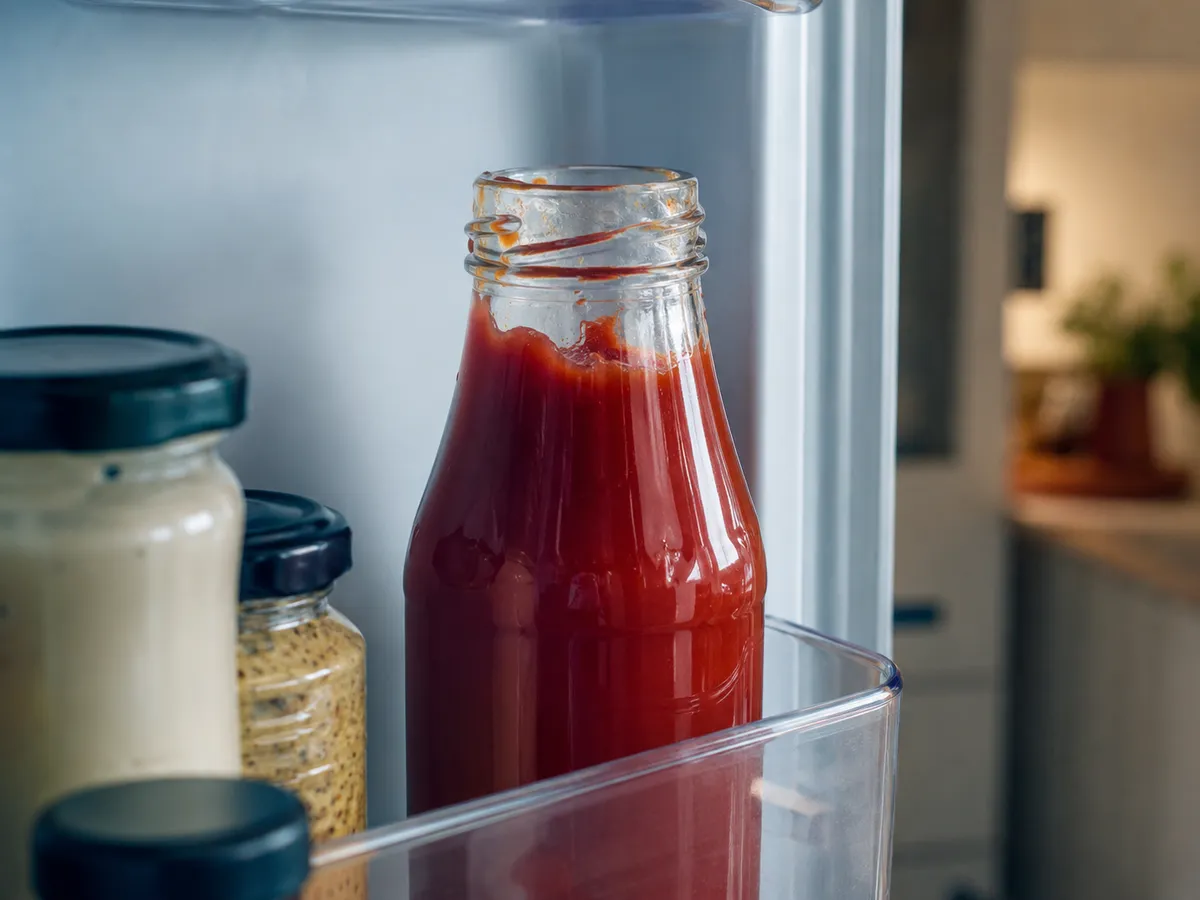
Ketchup is a low-risk condiment due to its high acidity, but it still undergoes quality changes over time. When stored in the freezer, the primary concern is often texture rather than safety; freezing can cause the sauce to become thicker or slightly separated once thawed. However, freezing does not make ketchup immortal. To ensure food safety, monitor for signs of spoilage such as mold growth, a fermented smell, unusual bubbling, or sharp color shifts. For the best eating experience, keep your ketchup tightly sealed and avoid repeated freeze-thaw cycles, which can degrade both flavor and consistency.
Heads up: shelf-life ranges are estimates based on home storage. We make no guarantee of accuracy. When unsure, throw it out.
The full timeline
Day 1 (Fresh Red Gloss)
fresh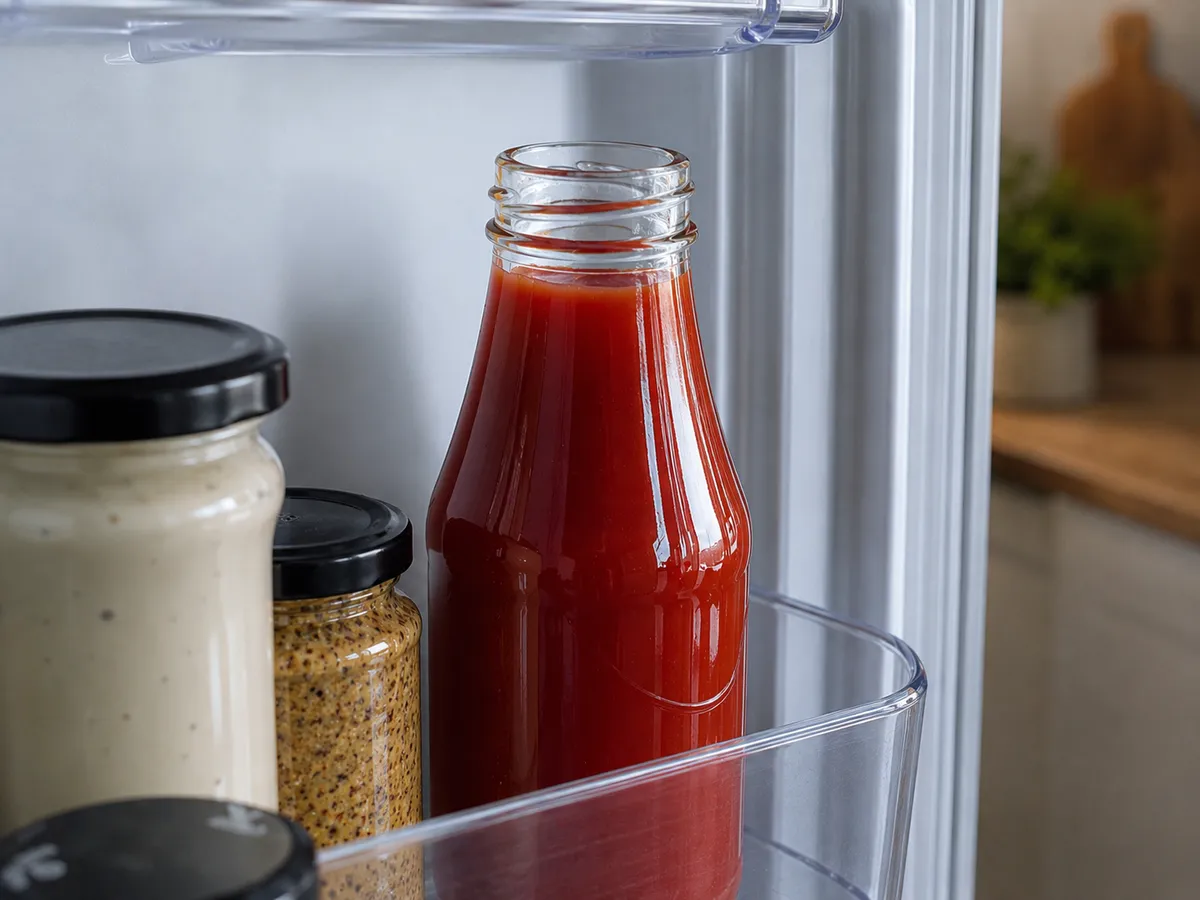
- Bright red color
- Smooth, glossy surface
- No liquid separation
- Clean tomato-vinegar aroma
- Use immediately
- Freeze for later use
Day 30 (Texture Drift)
about 1 month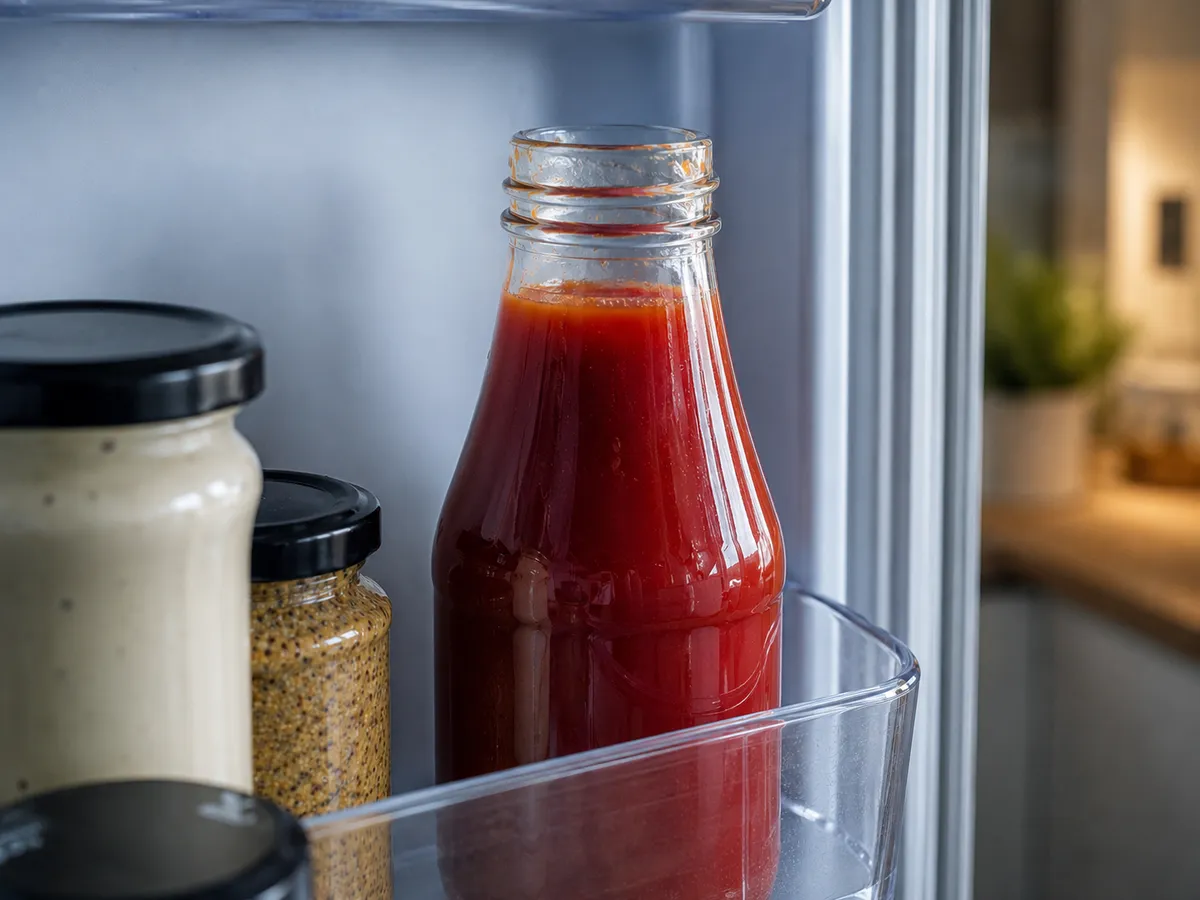
- Slight thickening of texture
- Minor liquid separation
- Duller color sheen
- Muted flavor profile
- Stir and continue using
- Freeze to preserve remaining quality
Day 90 (Flat And Gummy)
about 3 months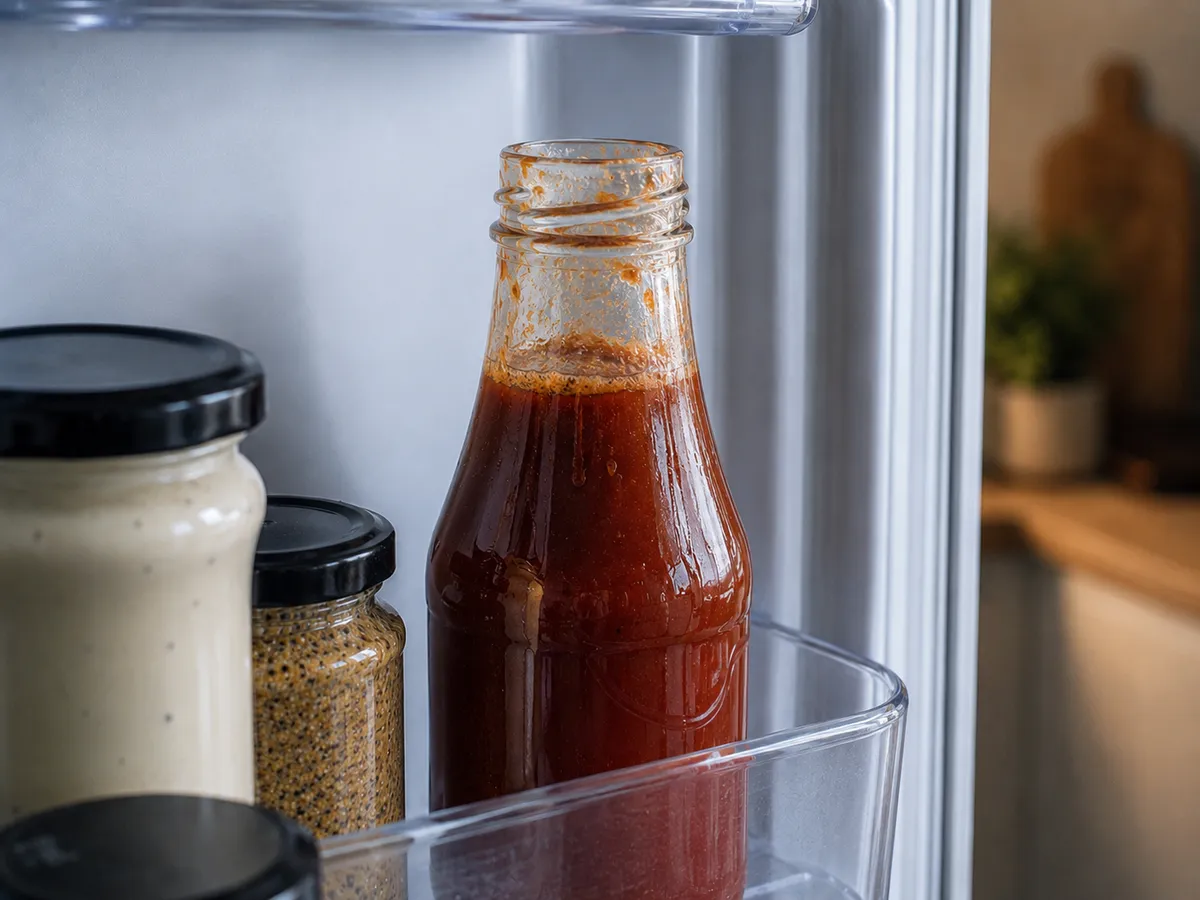
- Noticeable thickness or gumminess
- Muted or brownish color
- Small icy crystals after thawing
- Weak tomato aroma
- Use promptly
- Discard if an off-smell is present
Day 180 (Spoilage Signs)
about 6 months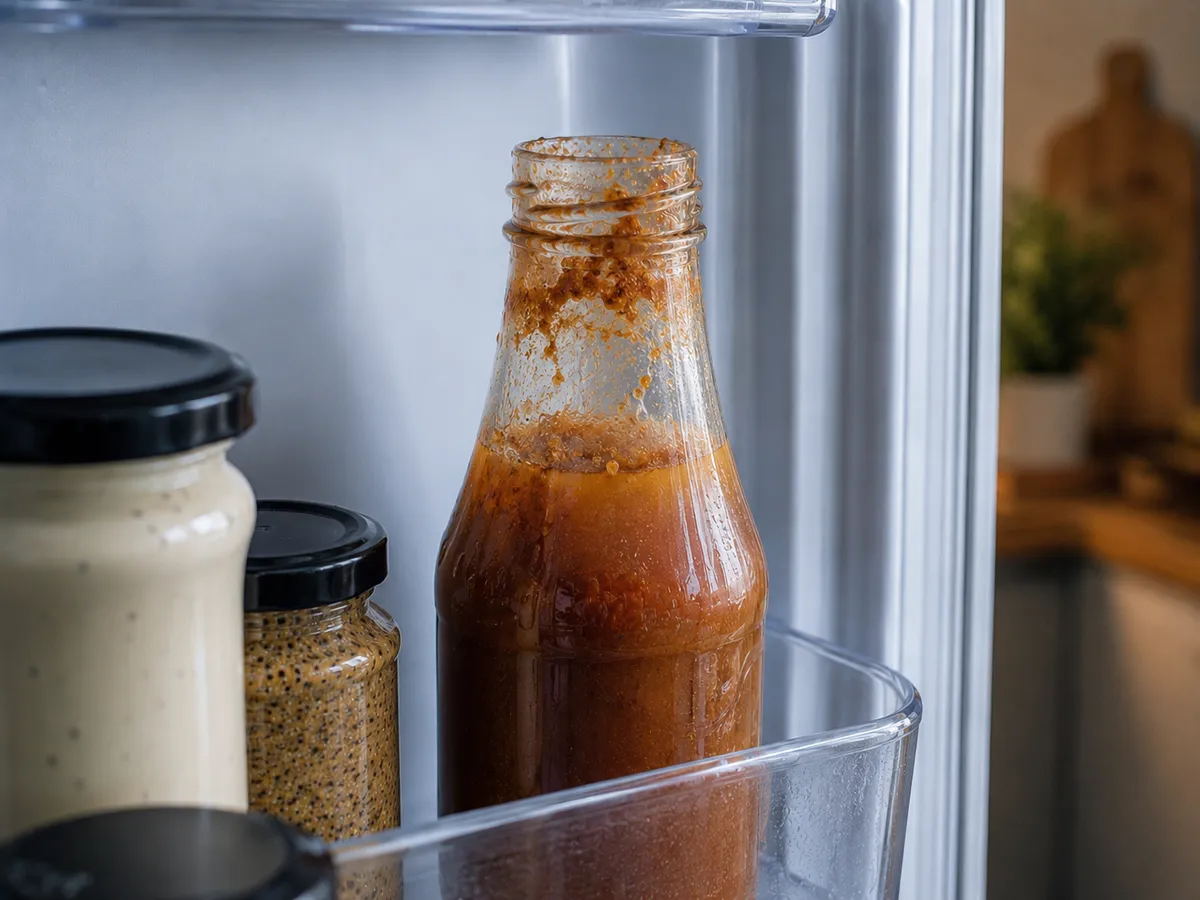
- Visible mold growth
- Bubbling or gas production
- Strong sour or fermented odor
- Watery discoloration
- Toss in the trash
- Discard immediately
Day 181 (Toss It)
after 6 months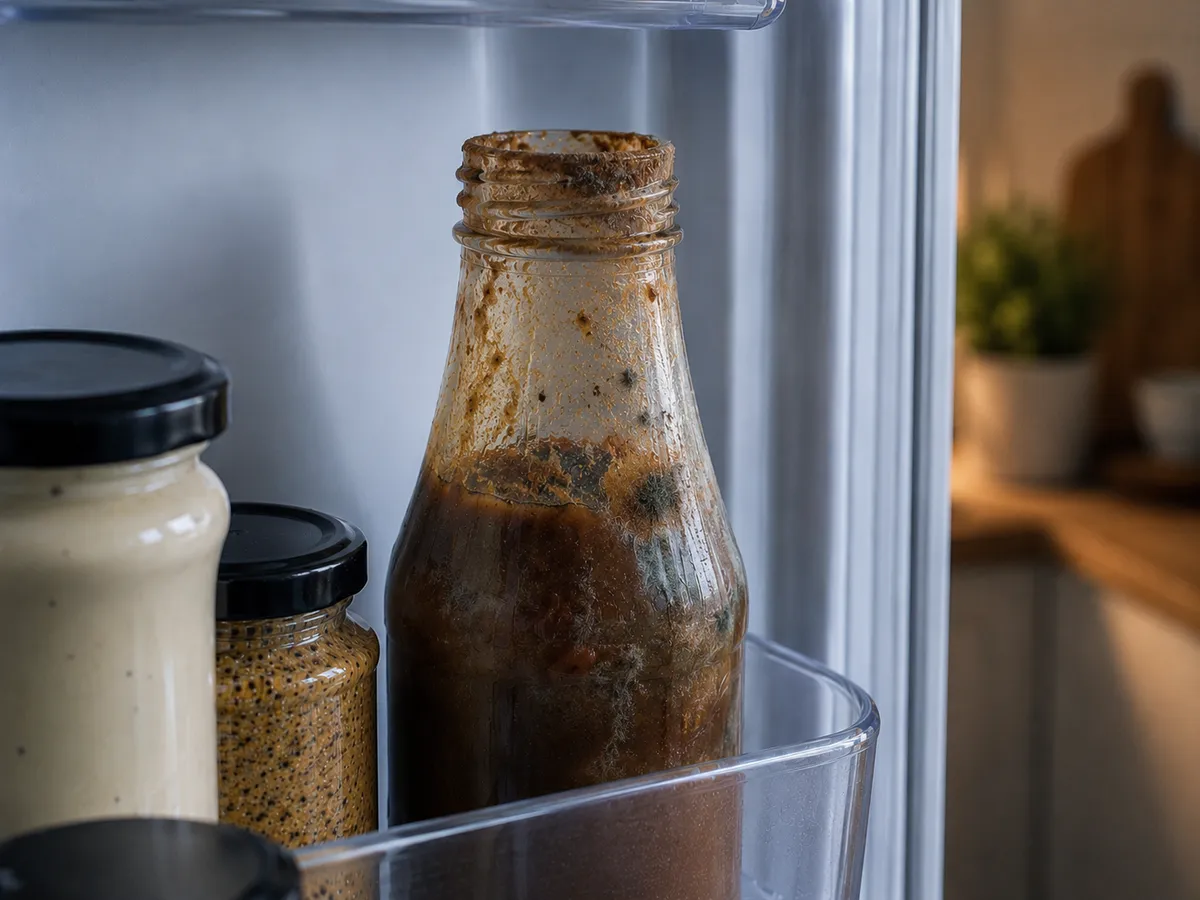
- Any presence of mold
- Fermented or yeasty smell after thawing
- Foaming or fizzing texture
- Bottle contamination
- Toss
- Discard
Common questions
Does ketchup need to be refrigerated?
Ketchup is shelf-stable until opened. Once the seal is broken, it should be stored in the refrigerator to maintain freshness and prevent spoilage.
Can I freeze ketchup to make it last longer?
Yes, freezing can extend its life to about 6 months. Note that the texture may become slightly thicker or grainy upon thawing.
How can I tell if my ketchup has gone bad?
Discard ketchup if you notice mold growth, bubbling/fizzing in the liquid, a sour or fermented odor, or significant discoloration.
What should I do if there is liquid on top of the ketchup?
Small amounts of separation are common. Stir the sauce; if it becomes uniform and the smell is normal, it is safe to use.

For ketchup, watch for the big red flags: mold, fizzing, sour odors, or bubbling. While quality often fades before safety in the freezer, respect the 6-month limit.