
Is Kefir Safe to Drink After Opening?
How long does kefir last and how can you tell if it is spoiled?
Kefir stays safe for about 1–2 weeks in the refrigerator after opening.
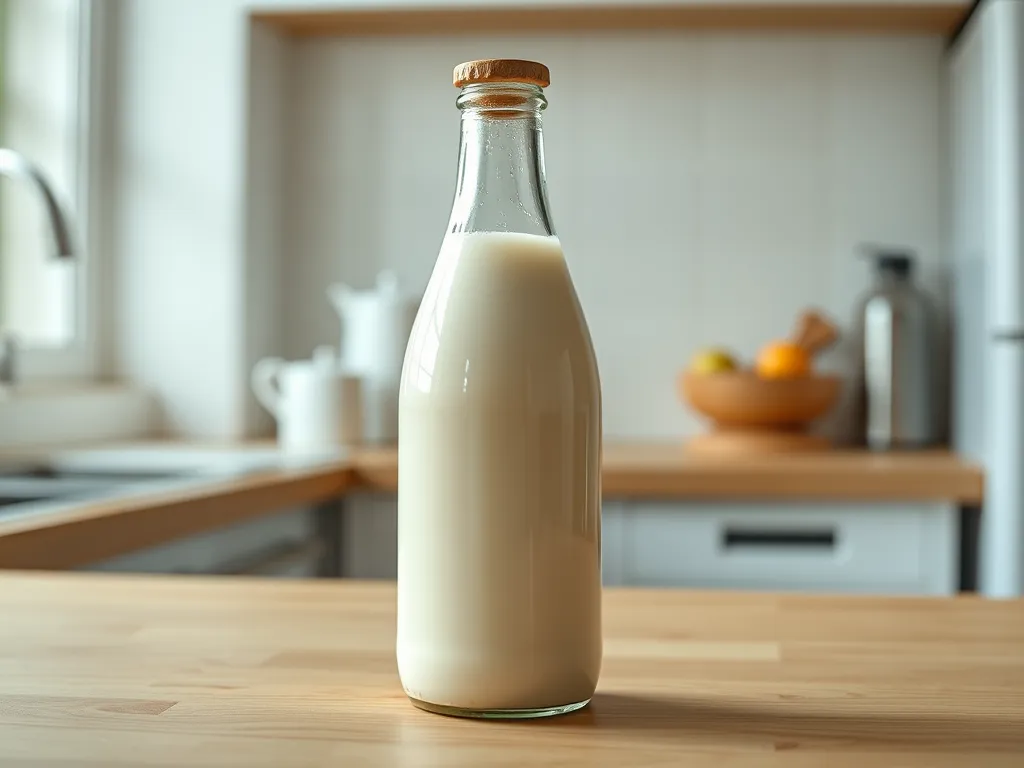
Kefir is a tangy, fermented dairy drink that typically remains stable in the refrigerator, but its characteristics change as it ages. Fresh kefir should have a pleasant, sour aroma, a smooth pour, and an even, creamy appearance without fuzz or gas pressure. As time passes, you may notice natural separation (whey pooling), thicker curds, or a sharper tartness. This guide focuses on refrigerated storage to help you distinguish between normal fermentation processes and actual spoilage. While minor changes in texture are common, pay close attention to any mold growth, off-putting odors, or swelling in the packaging before consuming.
Heads up: shelf-life ranges are estimates based on home storage. We make no guarantee of accuracy. When unsure, throw it out.
The full timeline
Day 1 (Peak Fresh)
1 day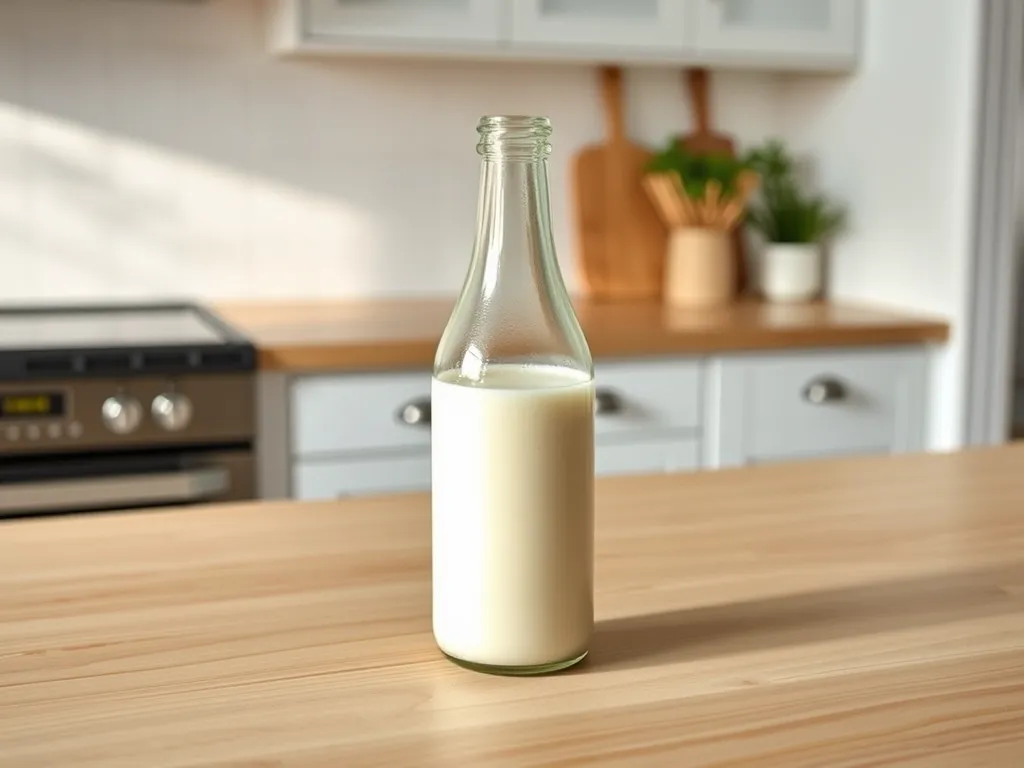
- Clean, tangy aroma
- Smooth and creamy texture
- Even pale color
- Minimal liquid separation
- Drink as is
- Use in smoothies
Day 4 (Still Good)
4 days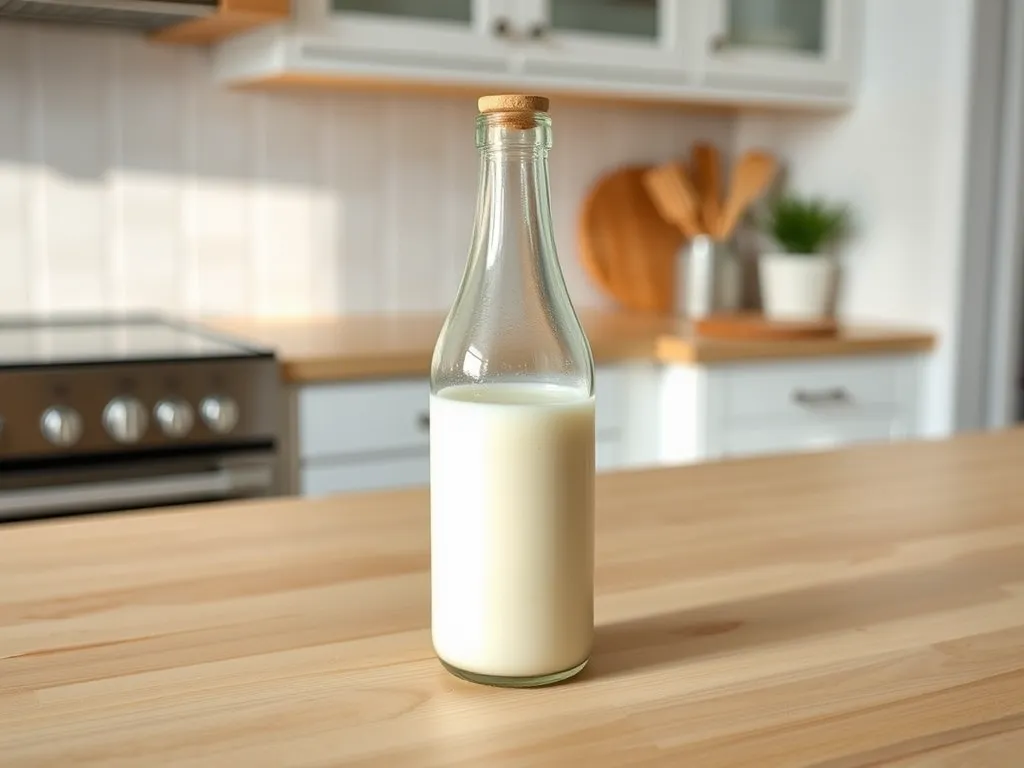
- Sharper aroma
- Visible liquid separation
- Smooth texture when shaken
- No discoloration
- Drink as is
- Use in salad dressings
Day 8 (Watch Closely)
8 days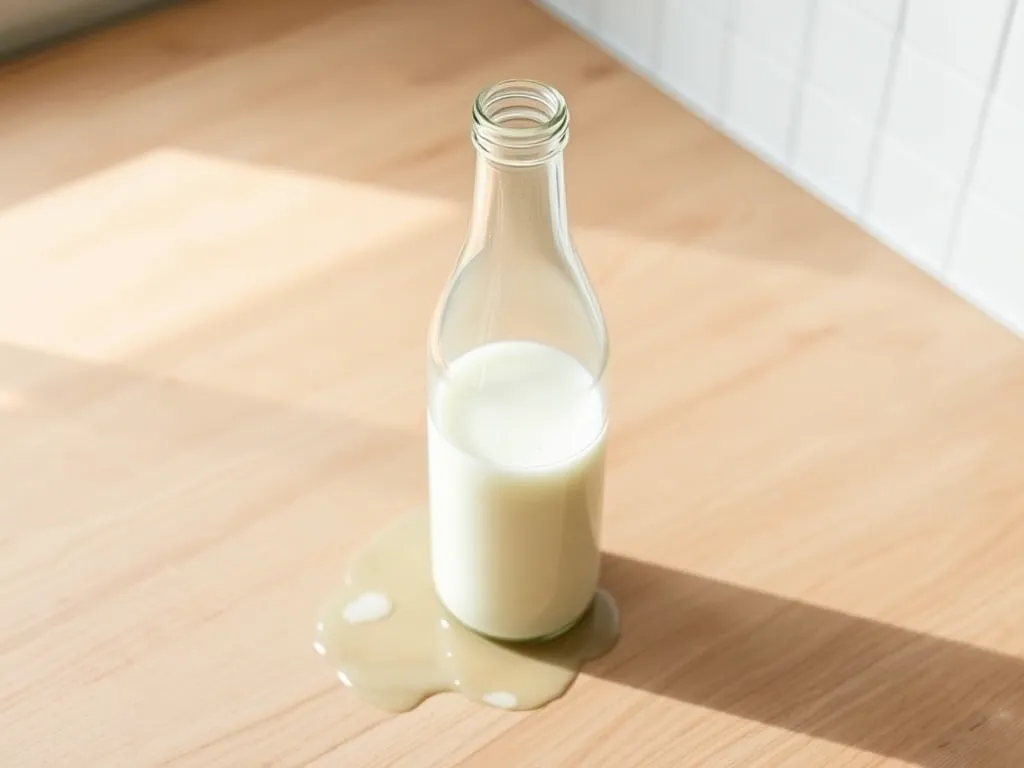
- Stronger sour odor
- Chunkier or clumpy texture
- Increased whey pooling
- Slight surface thickening
- Use only if appearance and scent are normal
- Discard if any signs of spoilage appear
Day 10–14 (Discard Zone)
10–14 days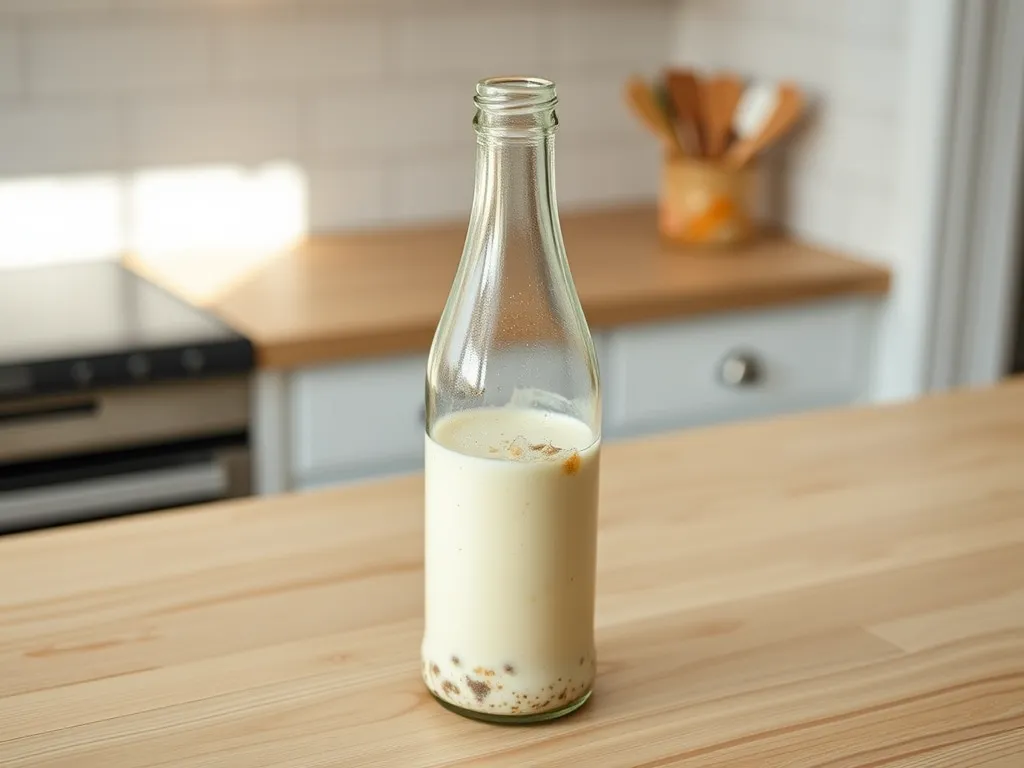
- Visible mold spots (fuzz)
- Yeasty or off-putting odor
- Gas pressure or bulging packaging
- Pink, green, or gray discoloration
- Toss immediately
- Discard
Common questions
How can you tell if kefir has gone bad?
Look for visible mold (fuzz), a swollen or bulging container, pink/gray discoloration, or an odor that smells harsh rather than tangy. While liquid separation is normal, any fuzz or odd colors means it should be discarded.
Is the liquid at the bottom of kefir a sign of spoilage?
No. Separation (whey) is a natural part of the fermentation process and not a sign of spoilage. If the texture becomes smooth again after shaking and the smell is normal, it is safe to drink.
Does opening a bottle of kefir shorten its life?
Yes. Opening the container exposes the liquid to air and environmental microbes. To maintain freshness, keep the lid tightly sealed in the refrigerator; it will typically stay safe for 1–2 weeks after opening.
Can I freeze kefir to make it last longer?
You can freeze kefir, but be aware that freezing often changes the texture, making it appear grainy or separated once thawed. If you freeze it, store it in an airtight container and thaw it in the refrigerator.
Can I cook spoiled kefir to make it safe?
No. Heat does not remove the harmful elements produced by spoilage or mold. If the kefir shows signs of being bad, discard it immediately rather than attempting to use it in cooking.

Kefir is best kept refrigerated and typically remains safe for 1–2 weeks after opening. If you encounter suspicious smells, colors, or textures, the safest move is to toss it.