
How Long Does Kamut Stay Fresh in the Pantry?
How to store Kamut for maximum freshness
Kamut stays fresh in a pantry for 4–5 years when stored in an airtight container.
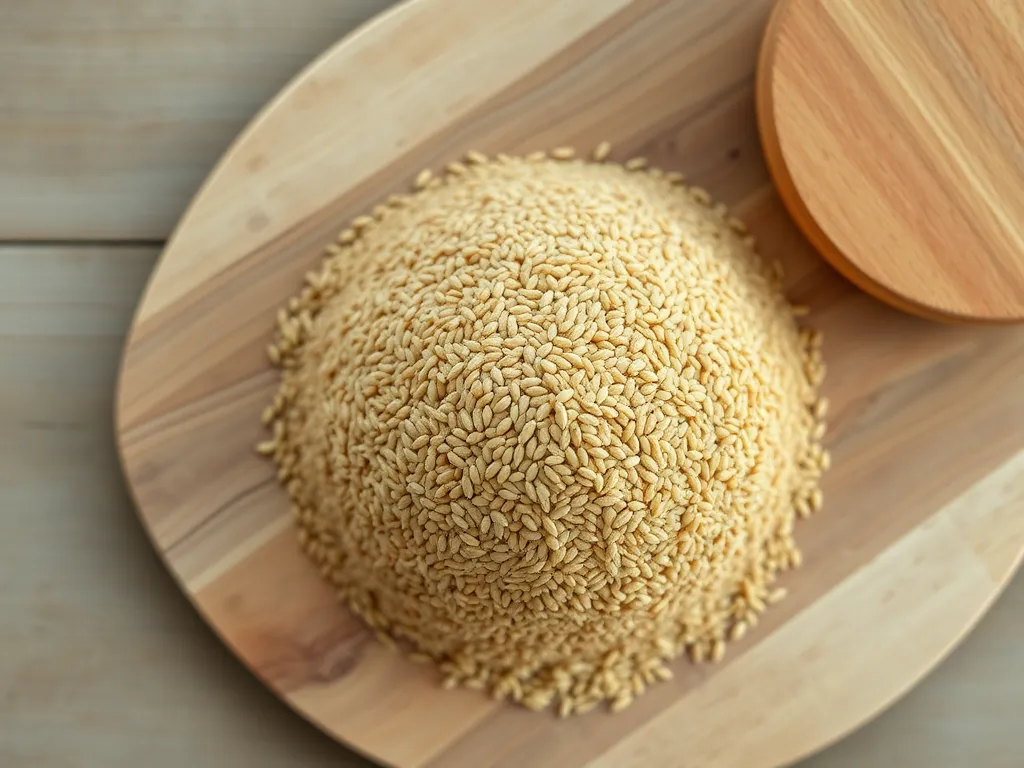
Kamut is an ancient variety of wheat known for its hearty texture and nutty flavor. Because it is a dry grain, it possesses a naturally long shelf life compared to fresh produce or prepared grains. When kept in a cool, dry, and dark environment, Kamut maintains its integrity well. However, factors like moisture, pests, and light can degrade the quality of the grain over time. Proper storage is essential to ensure that your pantry staple remains appetizing and free from unwanted critters. By following simple storage tips, you can enjoy this nutritious grain for years without it becoming stale or unpalatable.
Heads up: shelf-life ranges are estimates based on home storage. We make no guarantee of accuracy. When unsure, throw it out.
The full timeline
Year 1 (Peak Fresh)
up to 1 year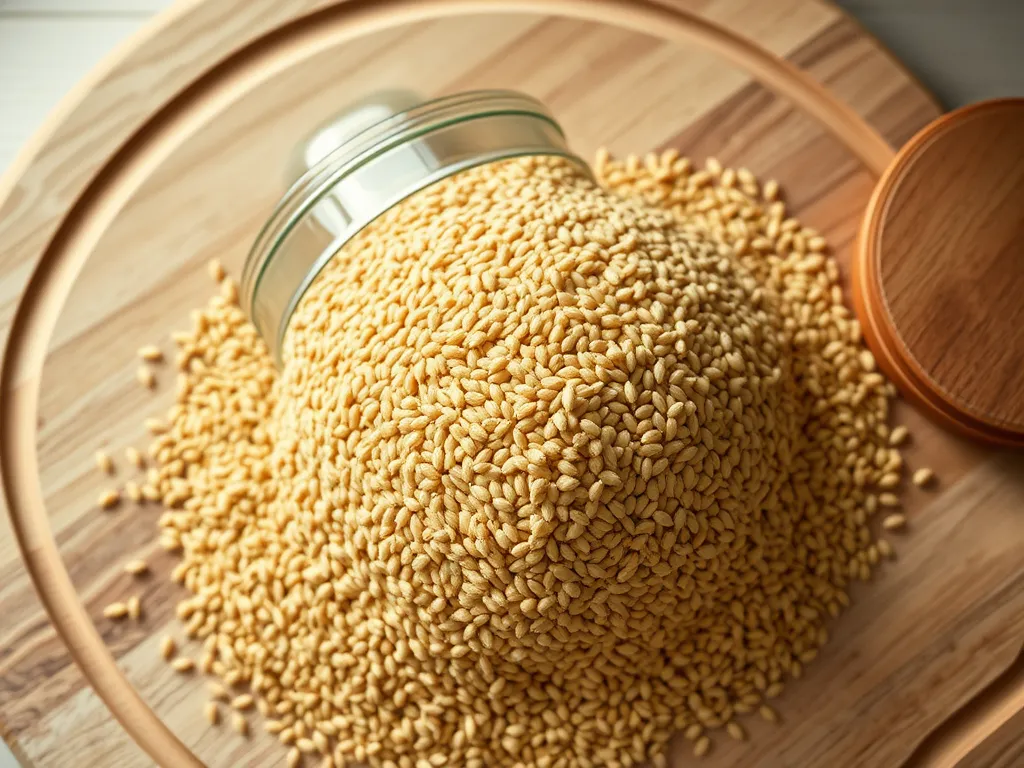
- Golden color
- Firm, hard texture
- Nutty aroma
- Store in an airtight container
- Keep in a cool, dark place
Year 2 (Still Good)
1–2 years
- Consistent color throughout
- Dry texture with no clumping
- No signs of pests
- Check for moisture regularly
- Ensure the seal remains tight
Year 3–4 (Past Prime)
3–4 years
- Faint musty smell
- Dull appearance
- Minor clumping of grains
- Use in baked goods or soups
- Store in a more airtight container
Year 5 (Toss)
5+ years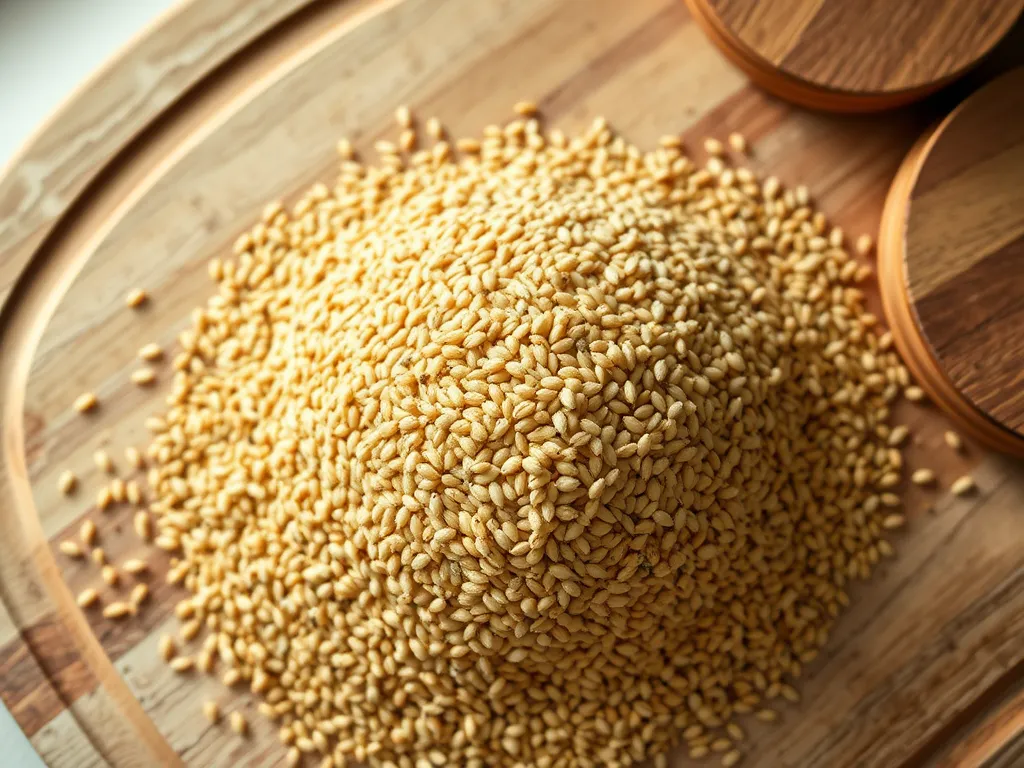
- Musty or sour odor
- Visible mold growth
- Presence of insects
- Toss immediately
- Discard the entire contents
Common questions
How long does Kamut stay fresh?
Kamut stays fresh in a pantry for 4–5 years when stored in an airtight container. This is the recommended method to maintain its quality over time.
What is the best way to store Kamut?
To maximize freshness, store your Kamut in an airtight container kept in a cool, dry location like a pantry. This protects the grains from moisture and air.
Can I freeze Kamut to extend its shelf life?
While you can freeze Kamut, it is not necessary for preservation since it remains fresh for up to 5 years in a properly sealed pantry container.
Does Kamut go rancid or develop an off-flavor?
Because it has low oil content compared to seeds, Kamut doesn't 'go rancid' quickly; however, it will begin to lose its flavor profile after about 3–4 years.
What does old Kamut smell like?
As the natural oils break down over several years, old Kamut may develop a musty, earthy, or slightly sour odor.

Keep your Kamut dry and sealed. It's a hardy grain that rewards patient storage with long-lasting goodness.