
How Long Do Kalamata Olives Last in the Fridge?
Storage Guide & Freshness Timeline
Kalamata olives last about 3–4 months when stored in the refrigerator.
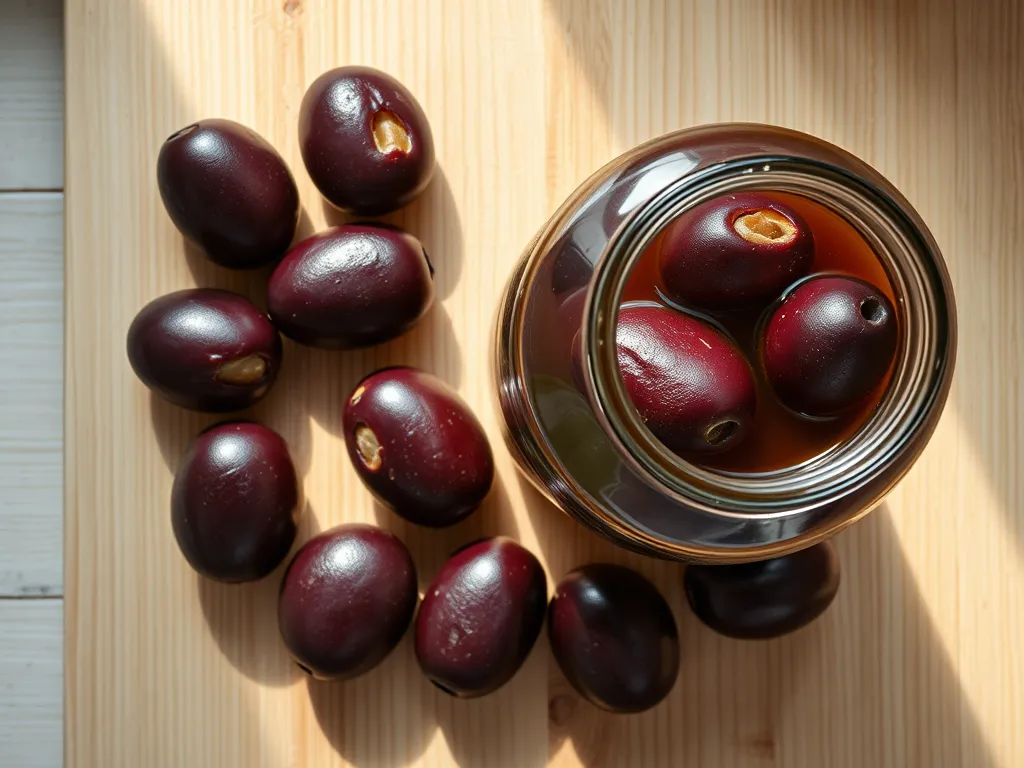
Kalamata olives are prized for their rich, fruity flavor and firm texture. Because they are typically packed in brine or oil to preserve them, they have a relatively long shelf life compared to fresh produce. However, once you open the container, exposure to air and moisture can begin to degrade their quality over time. Storing these briny gems in the refrigerator helps maintain their signature bite and prevents the oils from becoming rancid. Whether you are using them for a Greek salad or a savory garnish, understanding their timeline ensures every olive tastes like it was just harvested.
Heads up: shelf-life ranges are estimates based on home storage. We make no guarantee of accuracy. When unsure, throw it out.
The full timeline
Month 1 (Peak Fresh)
0–1 month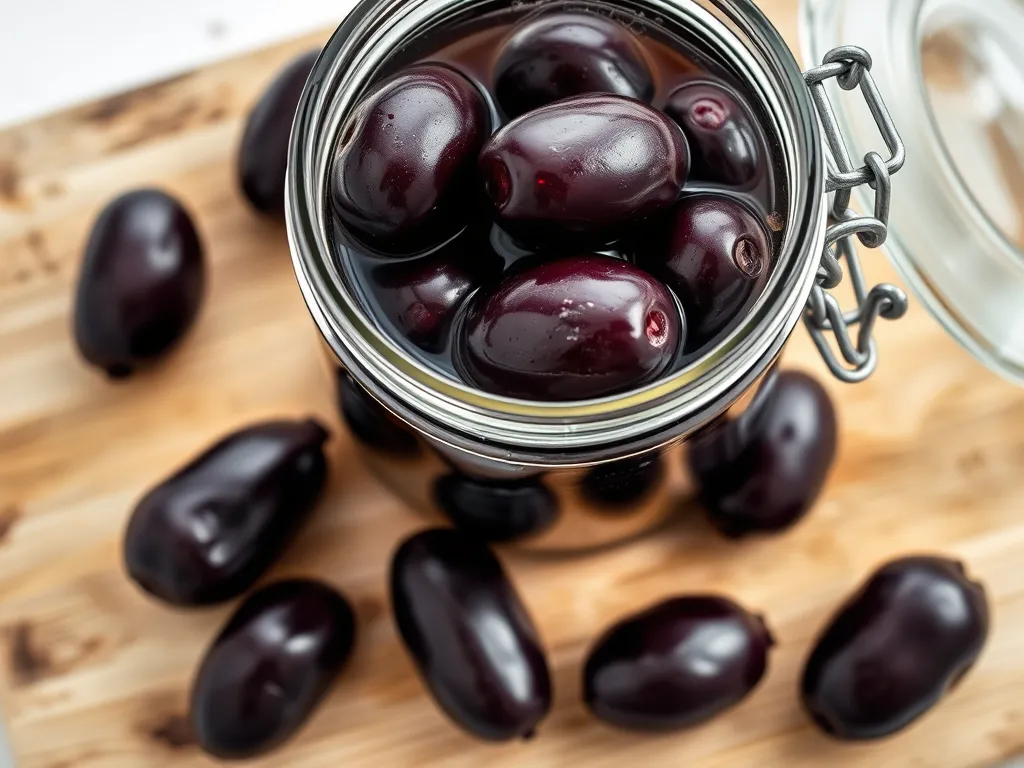
- firm, meaty texture
- deep purple or dark color
- clear liquid brine
- no visible film or surface residue
- Store in a sealed container in the refrigerator
- Ensure olives remain fully submerged in liquid
Month 2 (Stable Quality)
1–2 months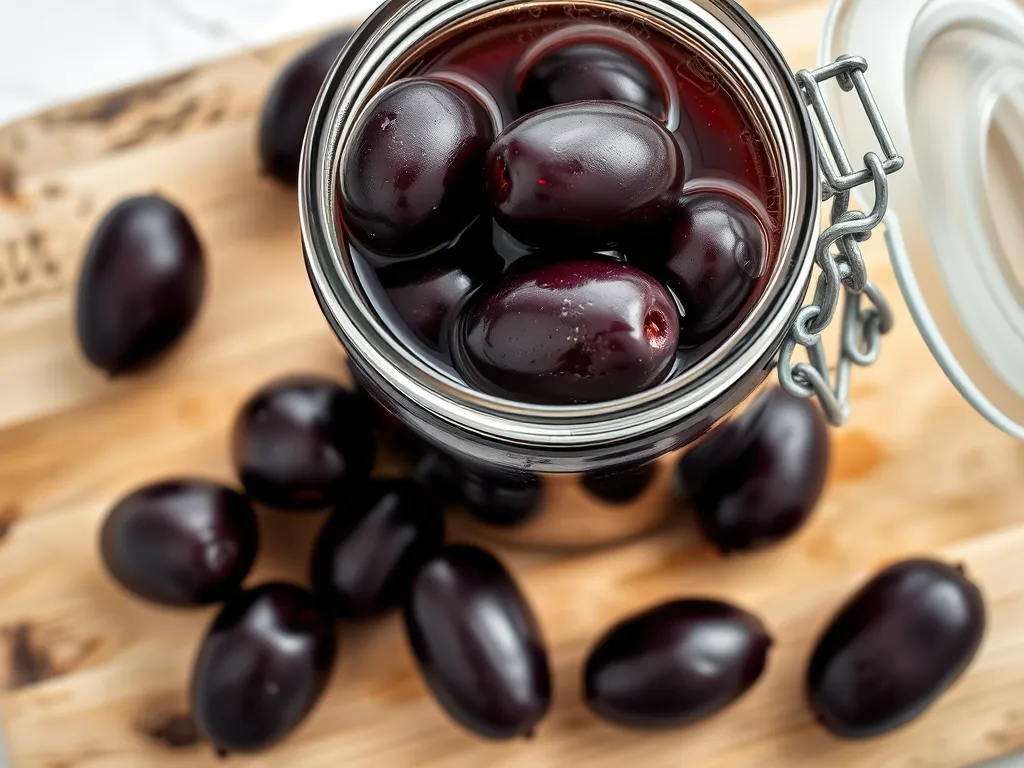
- consistent color throughout
- full, characteristic flavor
- no unusual odors
- Continue refrigeration
- Use within 2 months for optimal texture
Month 3 (Noticeable Aging)
2–3 months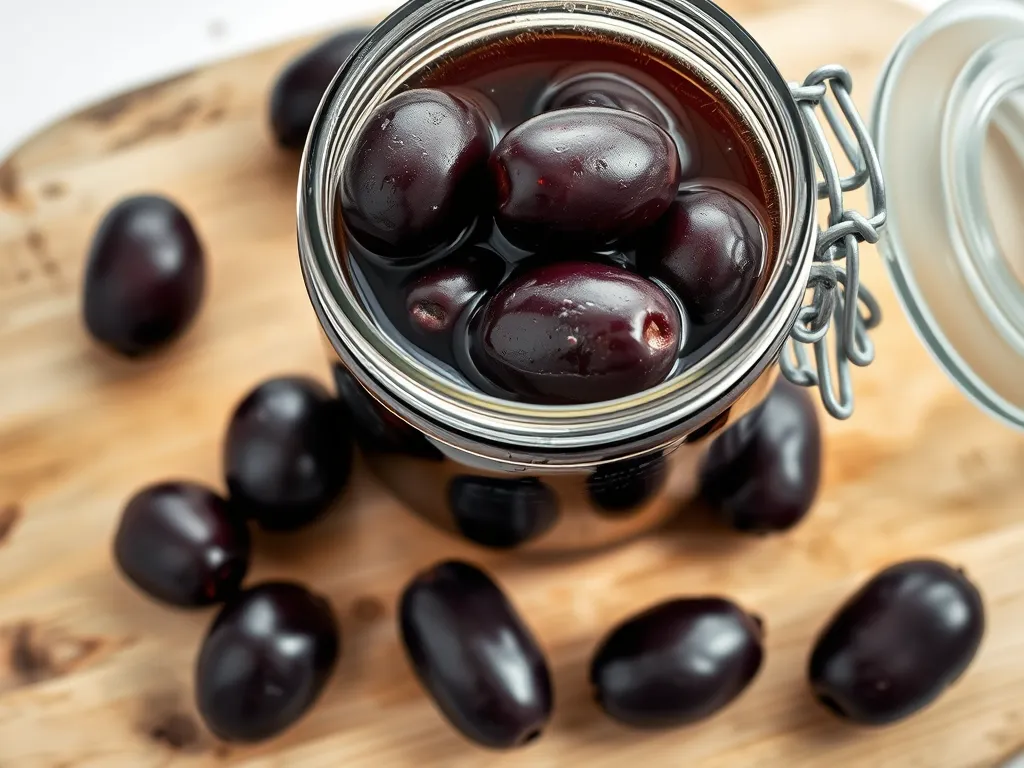
- softening or softening of texture
- cloudy appearance in the brine
- faint color changes
- Consume promptly
- Inspect for any off-smells before eating
Month 4 (Past Prime)
3–4 months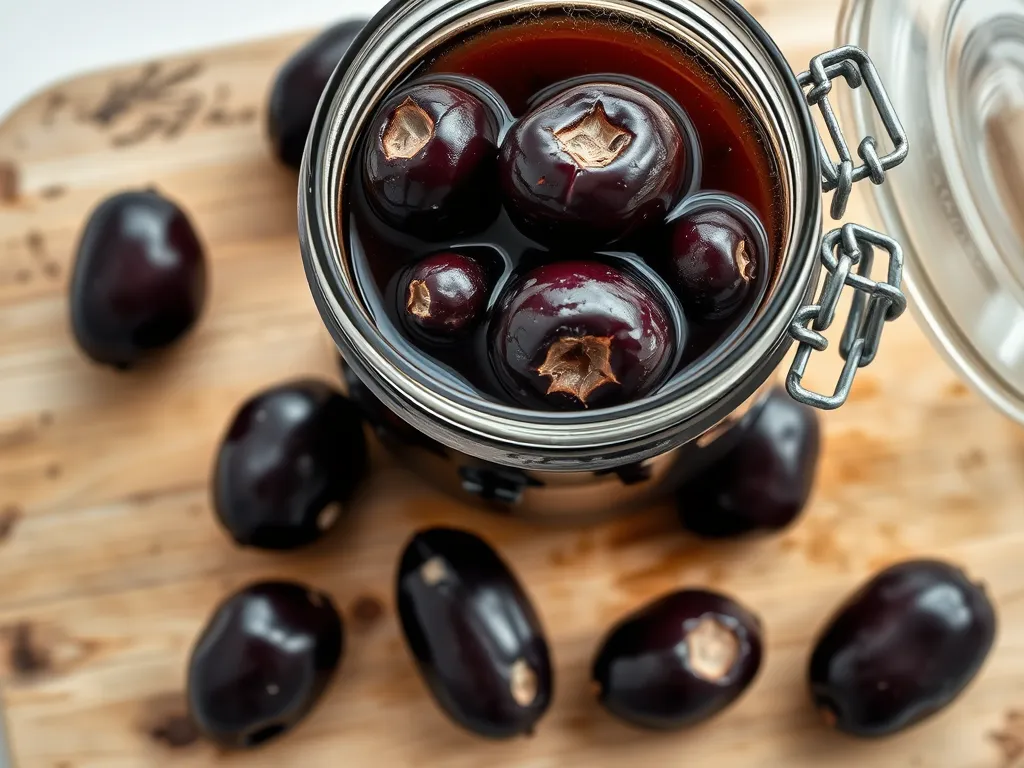
- mushy or slimy texture
- strong sour or fermented odor
- visible mold growth
- rancid smell from oil
- Discard immediately
- Toss out the entire container
Common questions
How long do kalamata olives stay fresh?
Kalamata olives typically last 3–4 months when kept in a sealed container in the refrigerator.
How should I store opened kalamata olives?
To maintain freshness, keep olives completely submerged in their original brine or oil and ensure the lid is tightly sealed to prevent air exposure.
Can I freeze kalamata olives?
Yes, but freezing may alter the texture, making them less firm upon thawing. If you freeze them, keep them submerged in liquid to avoid freezer burn.
Why is my olive brine cloudy?
Cloudy brine often indicates aging or exposure to air. While it may not always mean the olives are spoiled, it is a sign of declining quality and suggests they should be used quickly.

Keep those olives submerged to preserve their Mediterranean magic. If they start looking murky or feeling mushy, it is time for a fresh batch!