
Is Jam Safe To Eat After Refrigeration?
How to identify fresh and spoiled jam
Jam lasts about 1 year refrigerated.
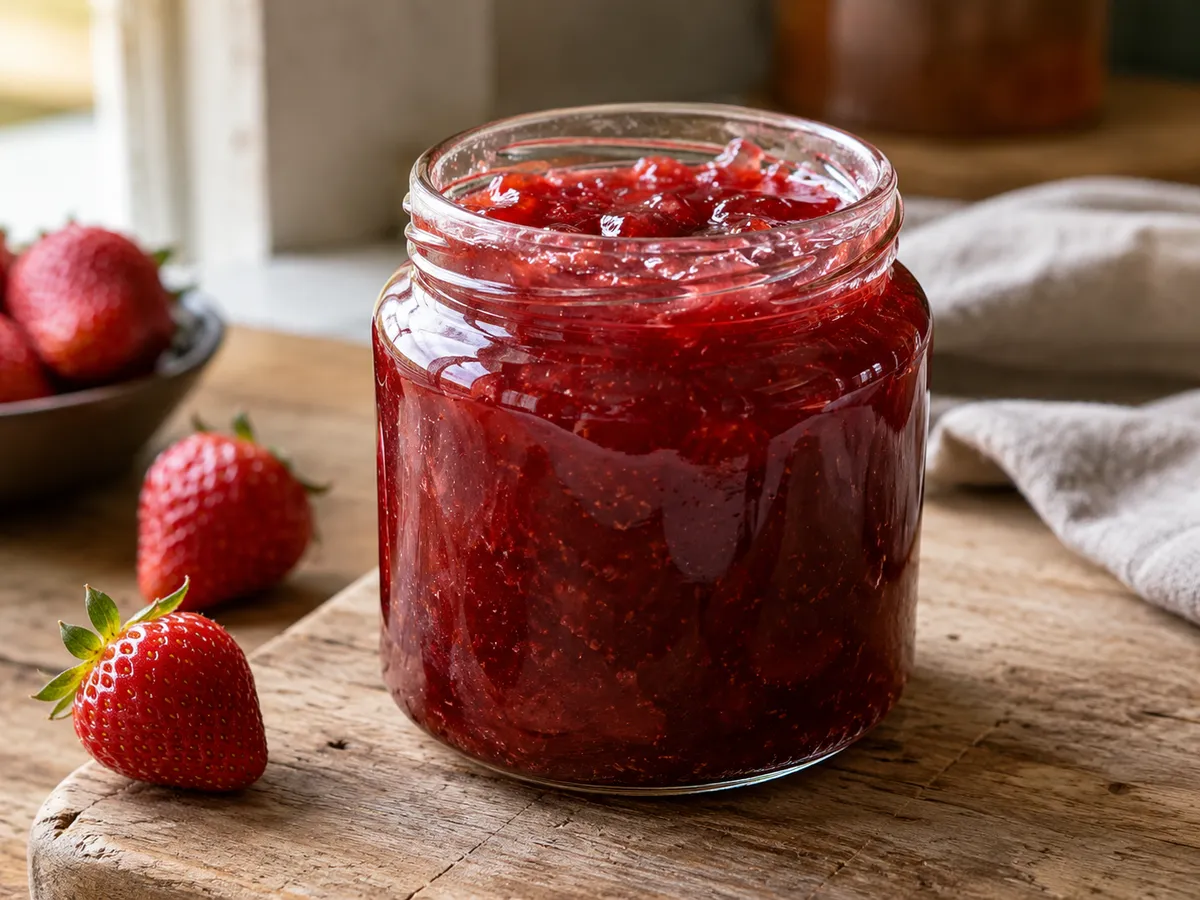
Jam is a highly preserved condiment because its high sugar content acts as a natural preservative, slowing the growth of bacteria. However, once a jar is opened, it becomes susceptible to mold, yeast, and fermentation if handled improperly. To maximize shelf life, always use a clean utensil to prevent cross-contamination from crumbs or other foods. While refrigeration significantly extends freshness, it does not make jam immortal. You should monitor your preserves for changes in texture, aroma, or visible growth. If you notice bubbling, a sour smell, or fuzzy spots on the surface, the jar is no longer safe to consume and must be discarded immediately.
Heads up: shelf-life ranges are estimates based on home storage. We make no guarantee of accuracy. When unsure, throw it out.
The full timeline
Day 1 (Peak Gloss)
fresh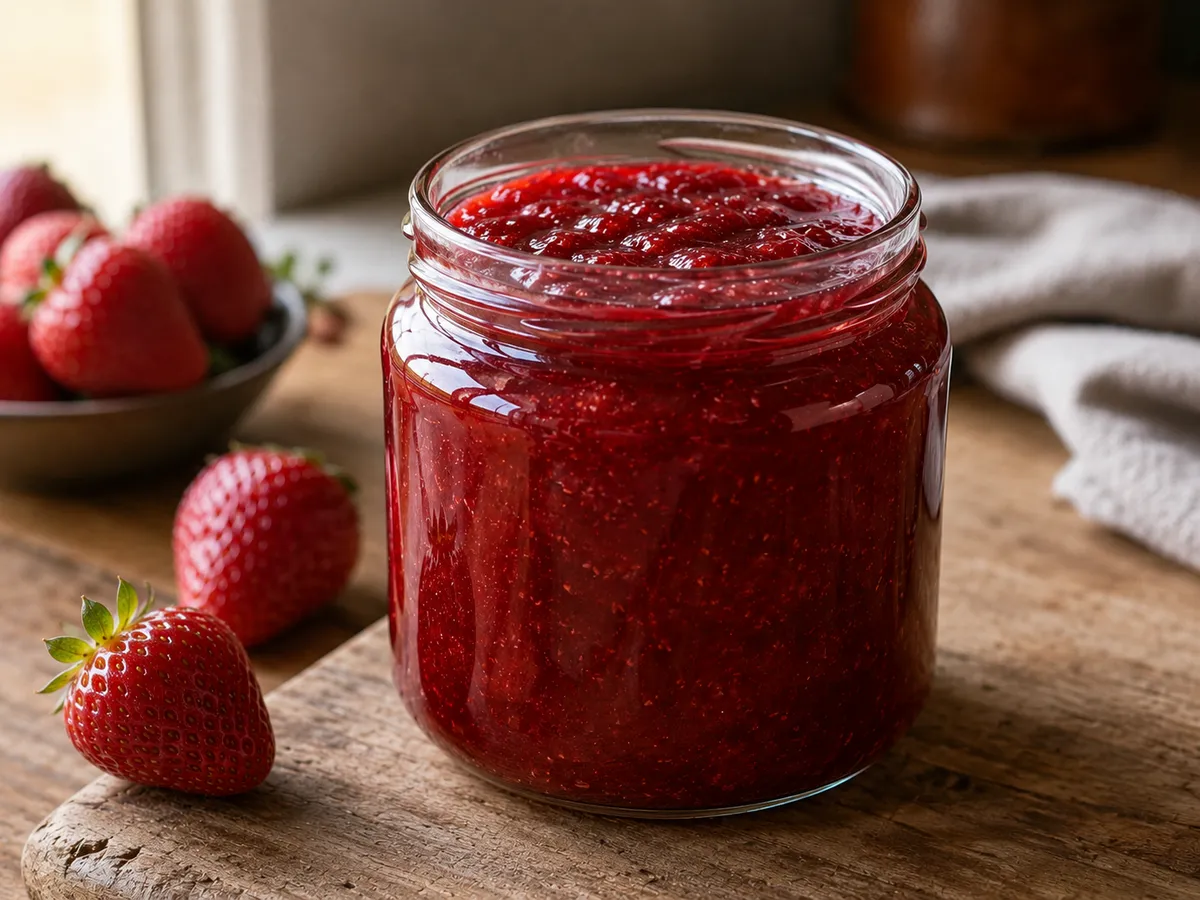
- Bright, jewel-like color
- Smooth and spreadable texture
- Clean, fruity aroma
- No liquid separation or syrupy weeping
- Store in the refrigerator
- Use only clean utensils
Day 30 (Still Tidy)
1 month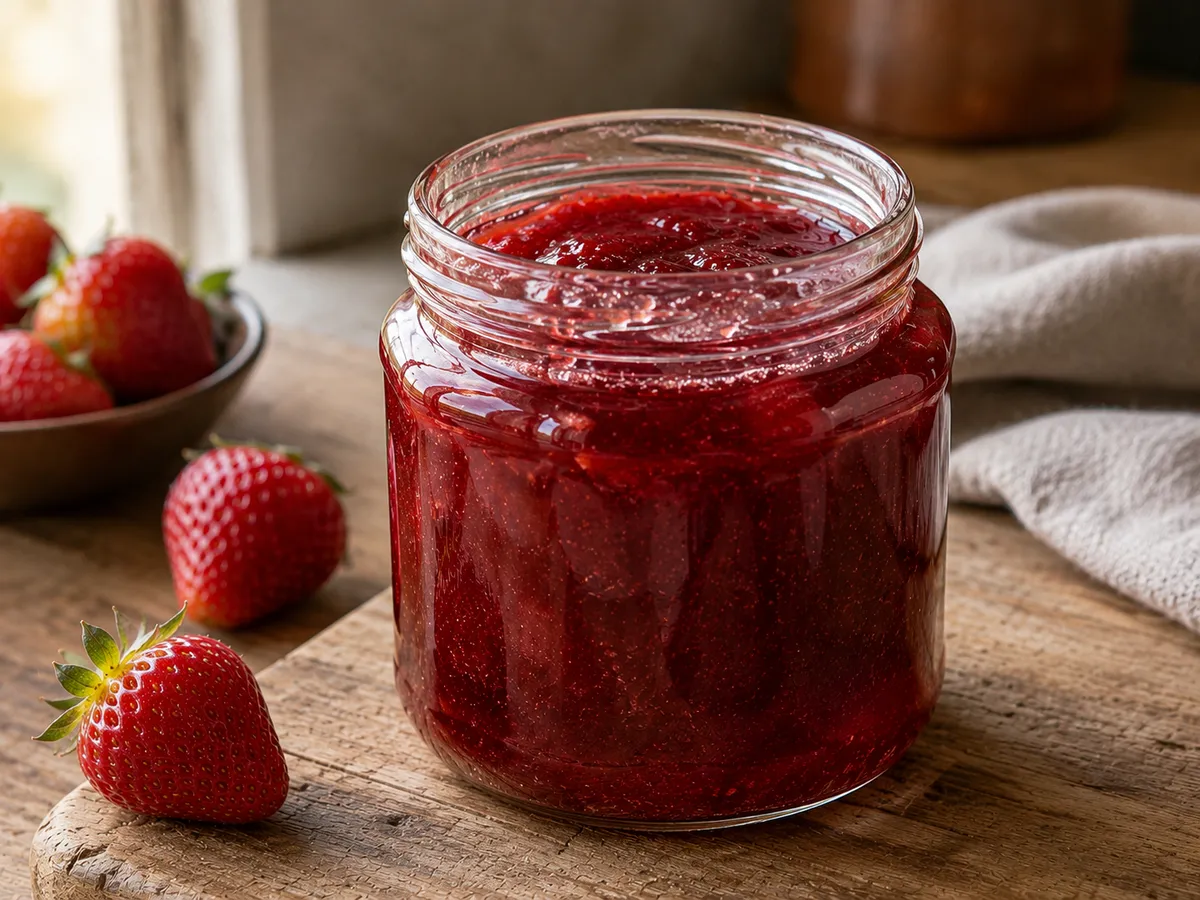
- Color remains consistent
- Texture stays thick and set
- Flavor is bright and normal
- Lid area shows no residue buildup
- Continue refrigerated storage
- Check lid seal before opening
Day 180 (Watch Closely)
6 months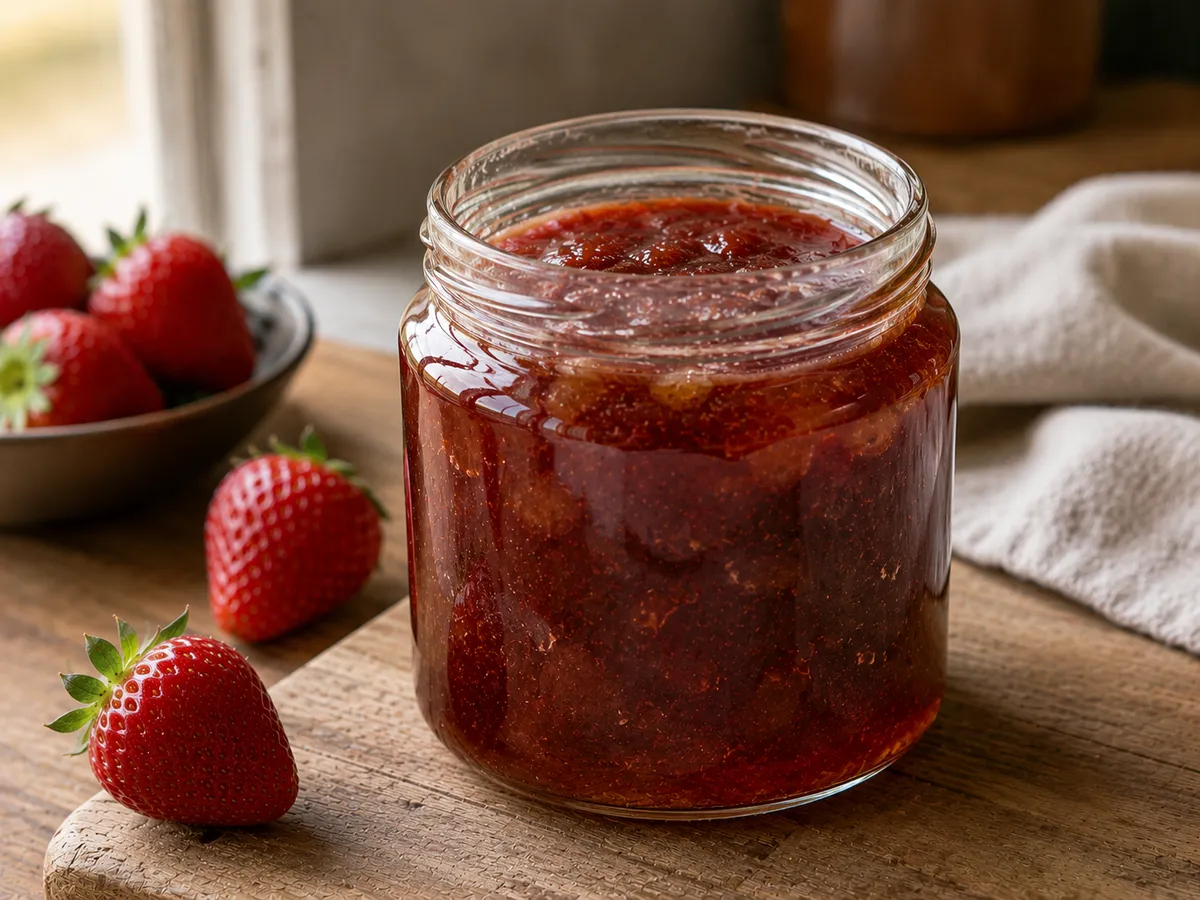
- Slight darkening or browning at the edges
- Possible syrupy liquid pooling on top
- Faintly weaker fruit aroma
- Surface texture appearing slightly dry
- Smell before using
- Discard if any surface mold is visible
Day 365 (Past Prime)
1 year
- Visible mold spots (white, green, or black)
- Sour or fermented off-smell
- Bubbling or gas production in the jar
- Discolored patches on the surface
- Toss the entire jar
- Discard immediately
Common questions
How long does jam last in the refrigerator?
Jam typically lasts about 1 year when stored in a sealed jar inside the refrigerator after opening.
Can I eat jam that has been open for a long time?
Yes, provided it shows no signs of mold, bubbling, or an off-smell. If any spoilage is visible, discard the jar immediately.
Why does my jam grow mold even when refrigerated?
Cold temperatures slow mold growth but do not stop it. Contamination from dirty spoons, crumbs, or leaving the lid loose can accelerate spoilage.
Can I scrape mold off jam and eat the rest?
No. Because jam is a soft, moist food, mold roots can penetrate deep into the texture where you cannot see them. If mold appears, discard the whole jar.
Is it better to freeze jam for long-term storage?
Freezing is not recommended because the fruit and sugar structure often breaks down, resulting in a watery or inconsistent texture upon thawing.

Jam remains a reliable pantry staple for up to a year in the fridge, but always watch for mold, bubbles, or sour odors. If you see spoilage, discard the jar.