
How to Store Goose Safely and Freshly
Safe Countertop Storage and Spoilage Guide
Fresh goose can sit on the counter for about 2 hours before it must be refrigerated or cooked.
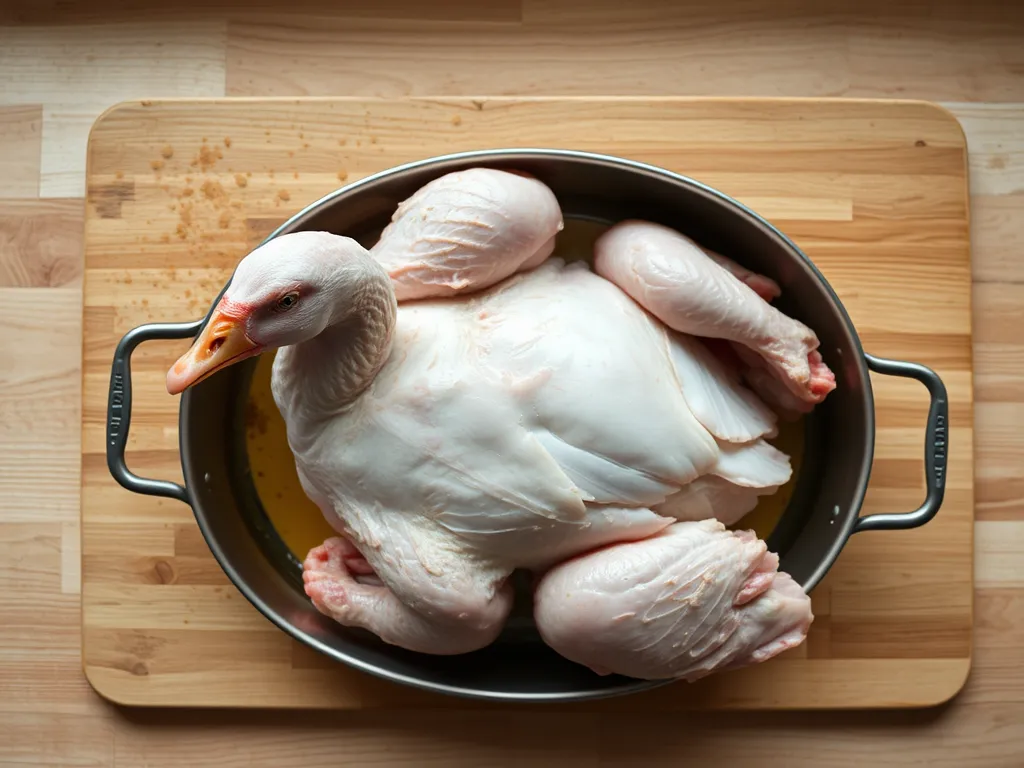
Goose is a prized poultry known for its rich flavor and succulent texture, making it a centerpiece for many festive meals. However, because of its high fat content and size, proper handling is essential to maintain quality and safety. When left on the counter, goose begins to lose temperature rapidly, which allows bacteria to multiply quickly. To ensure your goose remains safe to eat, it should be moved to a cold environment as soon as possible after purchase or preparation. Following strict time limits for room-temperature exposure is critical to prevent foodborne illness and preserve the integrity of the meat.
Heads up: shelf-life ranges are estimates based on home storage. We make no guarantee of accuracy. When unsure, throw it out.
The full timeline
Hour 1 (Peak Fresh)
0–1 hours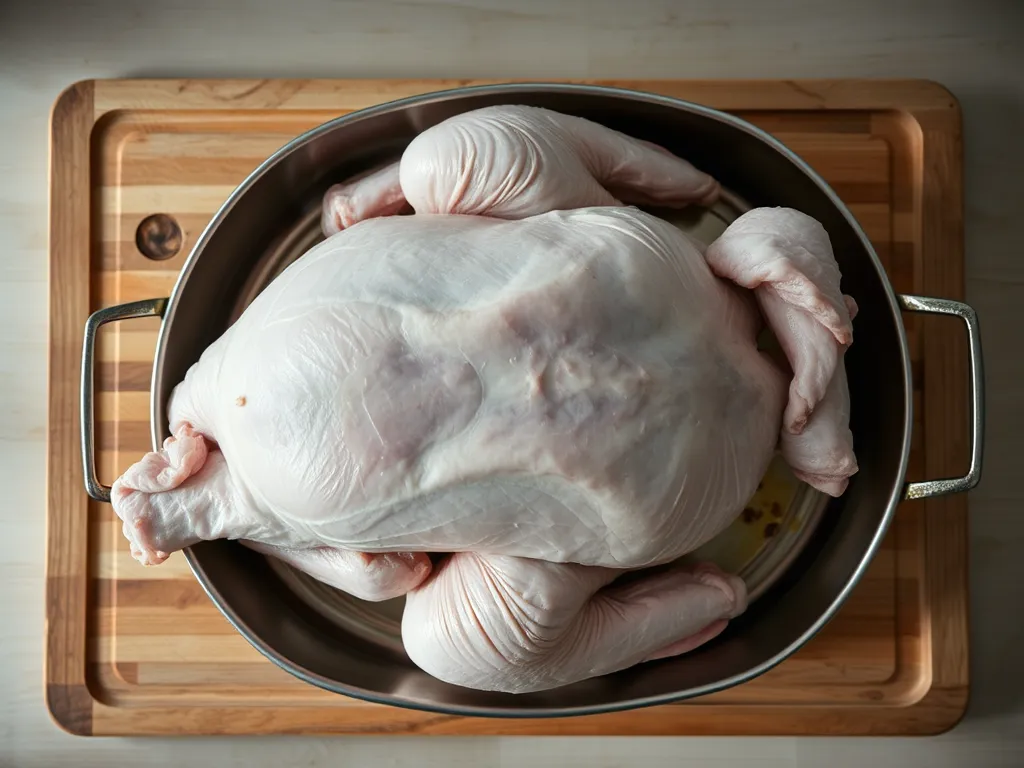
- Firm, plump texture
- Bright, natural skin color
- Clean, neutral scent
- Dry surface without moisture buildup
- Keep in refrigerator
- Prepare for roasting
Hour 2 (Tipping Point)
1–2 hours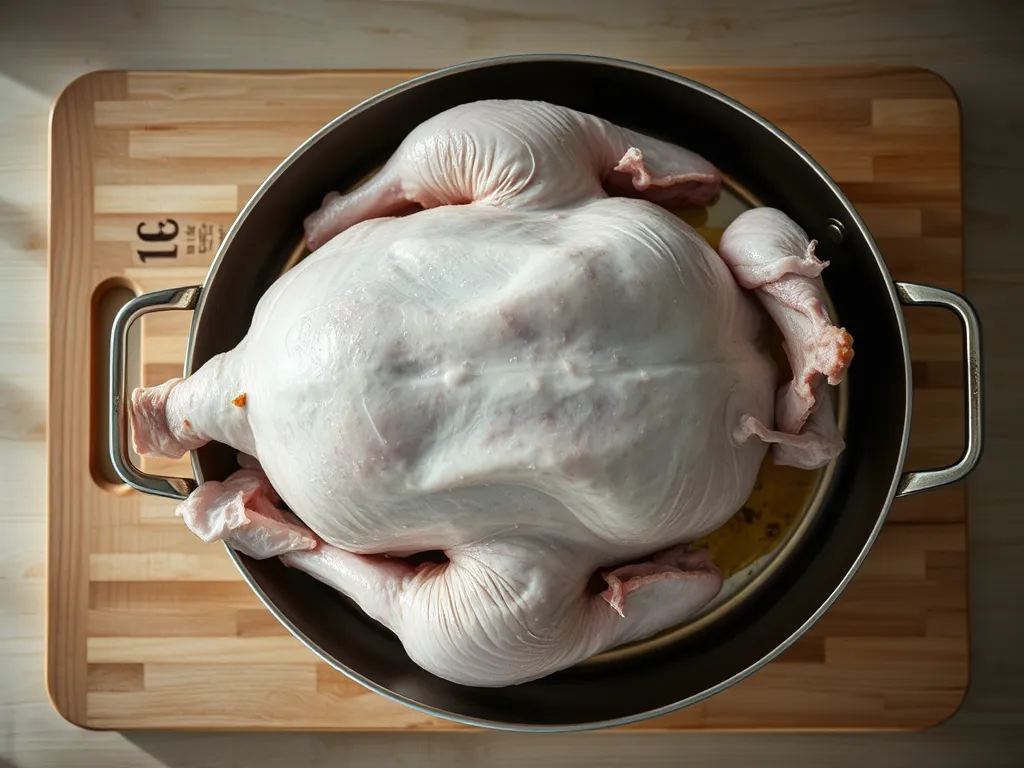
- Slightly tacky or moist surface
- Rising internal temperature
- Approaching the two-hour limit
- Move to refrigerator
- Cook immediately
Hour 3 (Unsafe)
Over 2 hours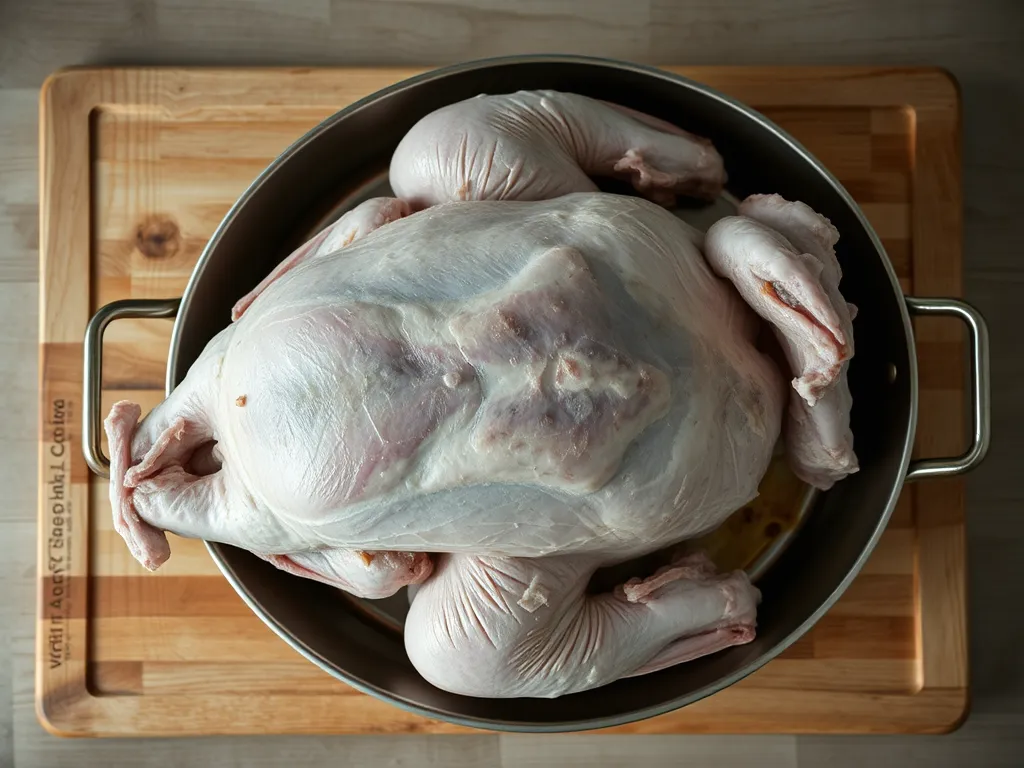
- Sticky or tacky surface texture
- Faint off-odor detected
- Surface feels uncomfortably warm
- Discard
Hour 4 (Unsafe)
Over 3 hours
- Strong unpleasant or sour odor
- Visible slime formation
- Noticeable skin discoloration
- Discard
Common questions
How long can I leave a fresh goose on the counter?
Fresh goose can sit on the counter for about 2 hours before it must be refrigerated or cooked to ensure safety.
Can I cook a goose that sat out for 3 hours?
No. Because of high risk, any poultry left out for more than 2 hours should be discarded.
How do I tell if the goose is spoiled?
Look for a slimy texture, a sour or pungent smell, and duller colors on the skin as signs of spoilage.
Can I freeze raw goose to preserve it?
Yes, you can freeze raw goose. To maintain quality, wrap it tightly in heavy-duty wrap or vacuum seal it before placing it in the freezer.
Is it safe to eat undercooked goose?
No. Goose is a poultry product and must be cooked to a safe internal temperature to eliminate any risk of foodborne illness.

Keep that goose chilled until it hits the oven! A happy goose makes for a safe, delicious feast.