
How to Tell if Tilapia is Still Fresh
How to Identify Freshness and Ensure Safety
Fresh tilapia lasts 1–2 days in the refrigerator.

Tilapia is a versatile white fish, but its high moisture content makes it highly perishable. To ensure food safety, you must know how to distinguish fresh fillets from those beginning to spoil. When stored correctly in the refrigerator, tilapia remains safe for a very short window of time. As the fish ages, physical indicators such as texture degradation, ammonia-like odors, and visible slime become apparent. Monitoring these specific changes helps you determine if your tilapia is still prime for cooking or if it has reached an unsafe stage that requires immediate disposal. Prioritizing these sensory checks is essential to prevent foodborne illness.
Heads up: shelf-life ranges are estimates based on home storage. We make no guarantee of accuracy. When unsure, throw it out.
The full timeline
Day 1 (Peak Fresh)
0–24 hours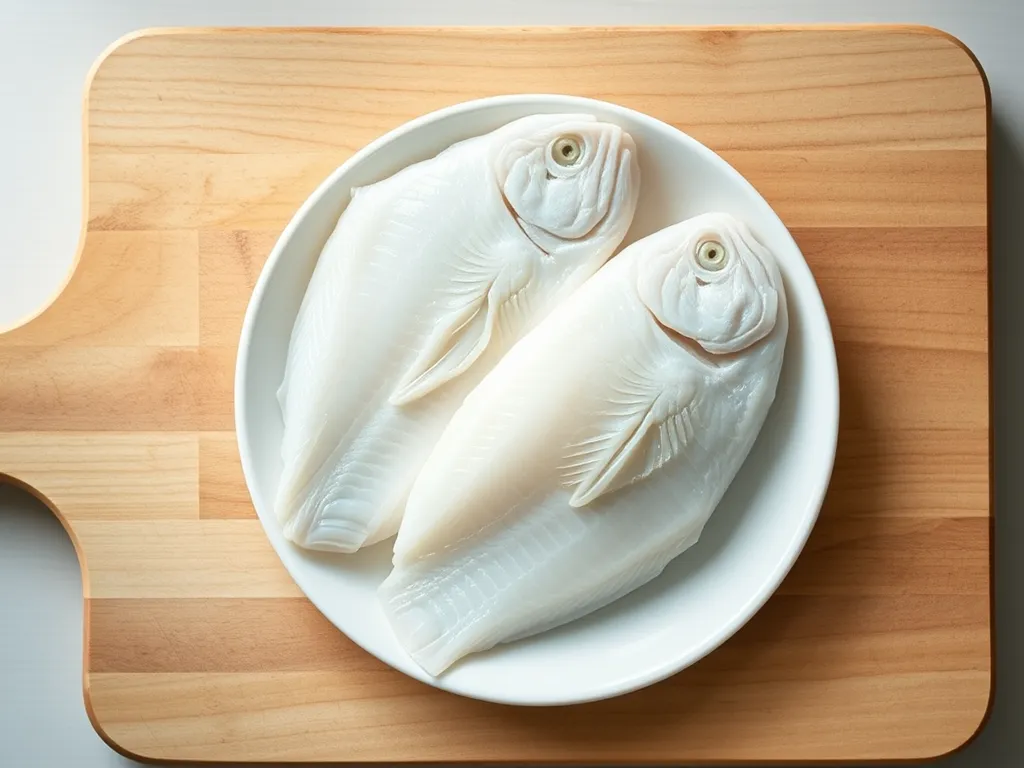
- Firm, springy flesh
- Clear, bright eyes (if whole)
- Mild, clean oceanic scent
- Prepare for cooking
- Marinate
Day 2 (Acceptable)
24–48 hours
- Slightly softer texture
- Mild fishy odor
- Moist surface
- Cook today
Day 3 (Caution)
48–72 hours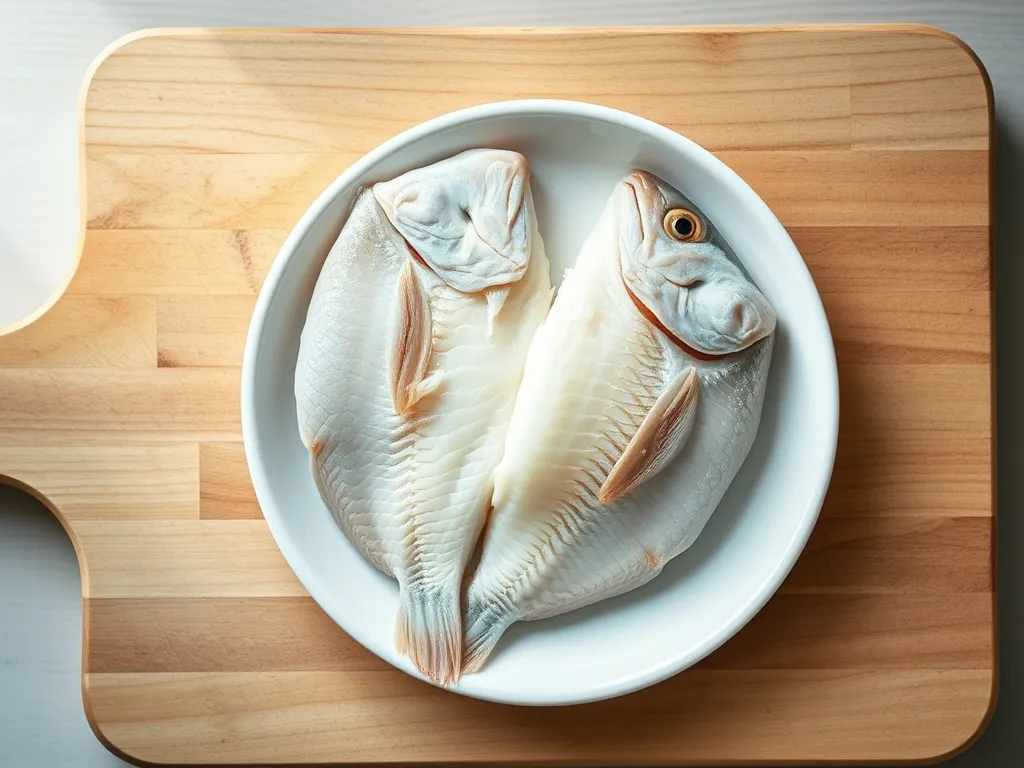
- Sticky or tacky film
- Stronger fishy odor
- Dull color
- Cook immediately
- Discard if smells sour
Day 4 (Unsafe)
Over 72 hours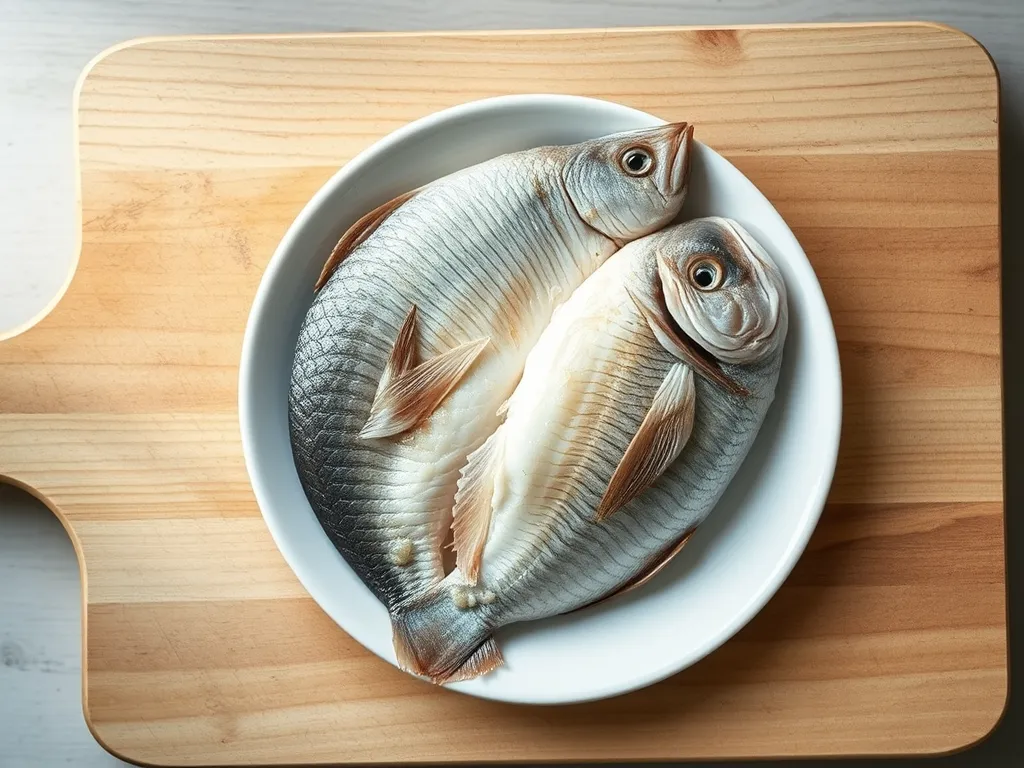
- Ammonia-like odor
- Heavy slime or mucus
- Grayish tint
- Toss
Common questions
How long can I keep fresh tilapia in the refrigerator?
Fresh tilapia lasts 1–2 days in the refrigerator. For maximum safety, cook or freeze the fish immediately after purchase.
Does freezing tilapia extend its shelf life?
Yes, freezing tilapia can keep it safe for 6–8 months. Always thaw the fish in the refrigerator rather than on the counter to maintain quality.
Is it safe to eat raw or undercooked tilapia?
No, tilapia should always be cooked thoroughly. To prevent foodborne illness, ensure the fish reaches a safe internal temperature.
What does a slimy texture mean for tilapia?
A slimy texture is a byproduct of bacterial growth. If you notice noticeable slime on your tilapia, it should be discarded immediately.
Can I cook tilapia that smells slightly fishy?
A mild ocean scent is normal, but a pungent or overwhelming odor indicates the fish is past its prime and may be unsafe to consume.

When it comes to seafood like tilapia, prioritize safety: if you are uncertain about its freshness, throw it out.